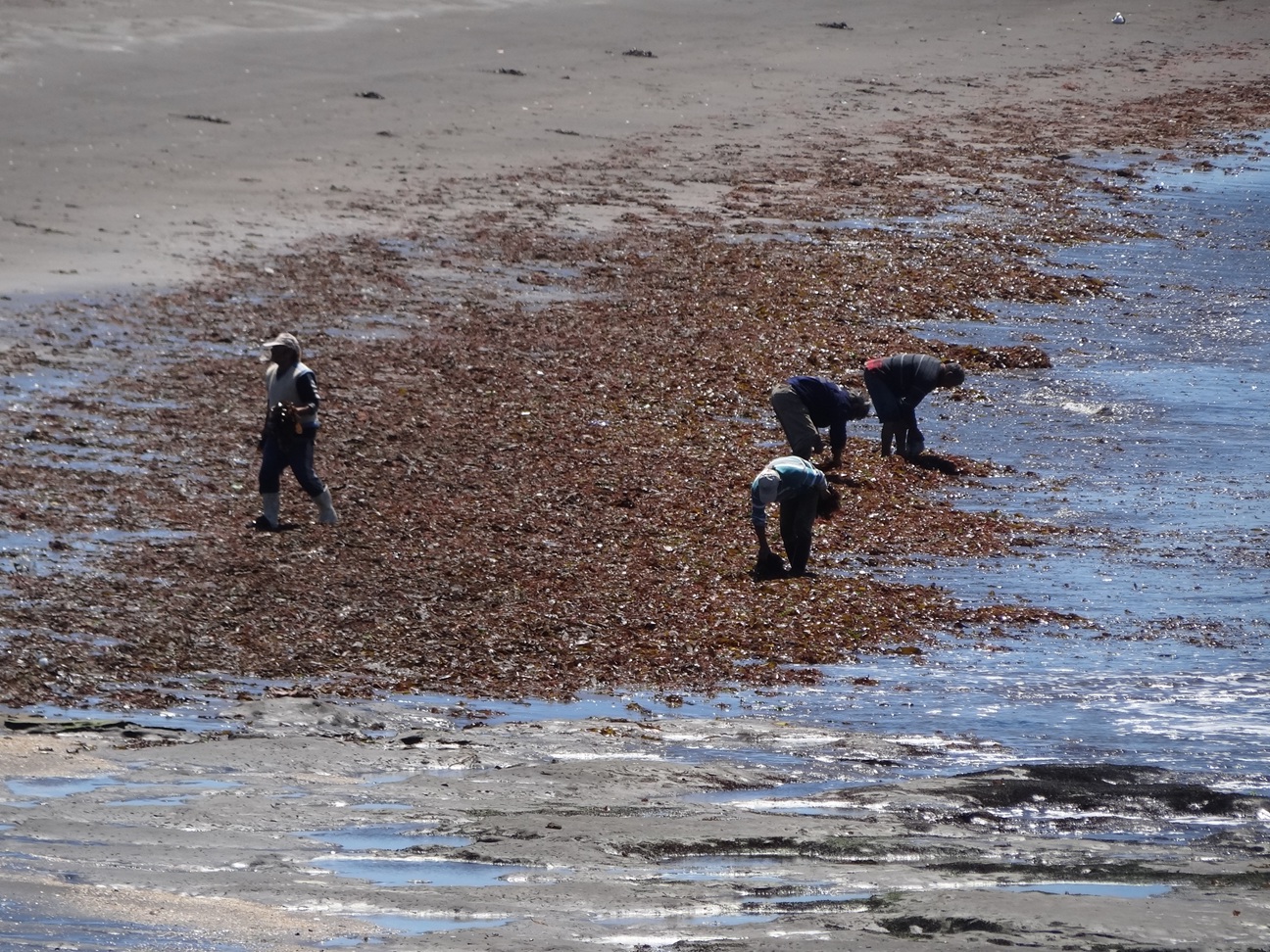
Last Thursday the Seminar "Future of the Sea: Proposals from the Chilean Coasts" was held, as part of the Futuro 2026 Congress. The Undersecretary of Fisheries and Aquaculture, Julio Salas, participated in the event, highlighting advances such as the Benthic Law for small-scale aquaculture and development spaces for the activity, looking towards 2050.
In the framework of Future Congress 2026, last Thursday the seminar was held Future of the Sea: Proposals from the Chilean coasts, a session that brought together authorities, experts and key actors to reflect on the strategic role of seaweed and aquaculture in the country's productive development towards the year 2050.
The activity was inaugurated by the deputy minister of Economy, Development and Tourism, and Energy, Álvaro García, and counted on the participation of Undersecretary of Fisheries and Aquaculture, Julio Salas, on behalf of the fishing institutions.
The event was a space to promote sustainable development and strengthen innovation and governance, with a focus on coastal communities and on central issues such as the diversification of aquaculture, innovation, financing, and protection of maritime spaces.
In this context, biministro García stressed that "Chile has in its native algae a strategic asset for the development of the country. This seminar shows that blue bioeconomy is not just a vision for the future, but a concrete opportunity to create jobs, attract investment and diversify our productive matrix. We want innovation, science and coastal communities to move forward together so that our country can consolidate itself as a global benchmark in sustainable aquaculture from here to the next decades."
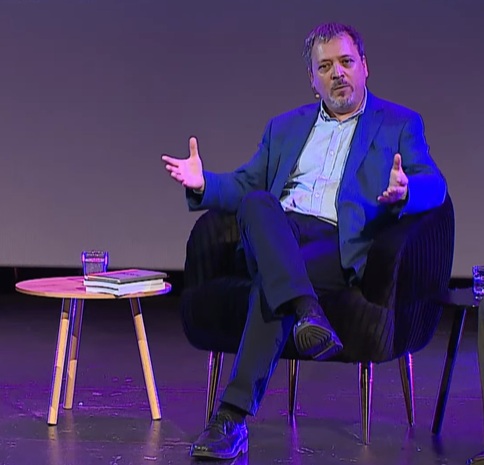
For his part, Undersecretary Julio Salas explained that the Bentonic Law, approved under the current administration, "marks a paradigm shift for small-scale aquaculture and puts this activity at the center of our productive agenda. For a space like Future Congress, which looks towards 2050, it is essential to build consensus between civil society, the scientific community and the State on the approaches to development that Chile "The cultivation of algae is a unique opportunity for our country, but our potential is far greater than what we are exploiting. That is why we need to define precisely what we want to do with our seaweed meadows, where we will orient that production and who will be the strategic partners of this development."
The seminar was organized by Fundación Encuentros del Futuro, Congreso Futuro, Congreso Nacional (Senate, Chamber and Library), Grupo Banco Mundial, NGO Oceana, Subpesca and the Ministry of Economy, Development and Tourism.
Look at 2050
This section in Future Congress dedicated to algae also included exhibitions of Karin Silva, benthic resource analyst of the Division of Fisheries Administration, and Sergio Mesa, in charge of algae of the Aquaculture Division of Subpesca, who presented the current panorama, the existing gaps and the main challenges of this strategic resource for the national fisheries and aquaculture sector.
During the meeting, Karin Silva explained that "America dominates the extraction of algae from natural banks, led by Chile, contributing 42% of this production worldwide. On all continents they use both production strategies from natural banks and from cultivation. However, the global trend shows us that we need to move towards aquaculture of these resources."
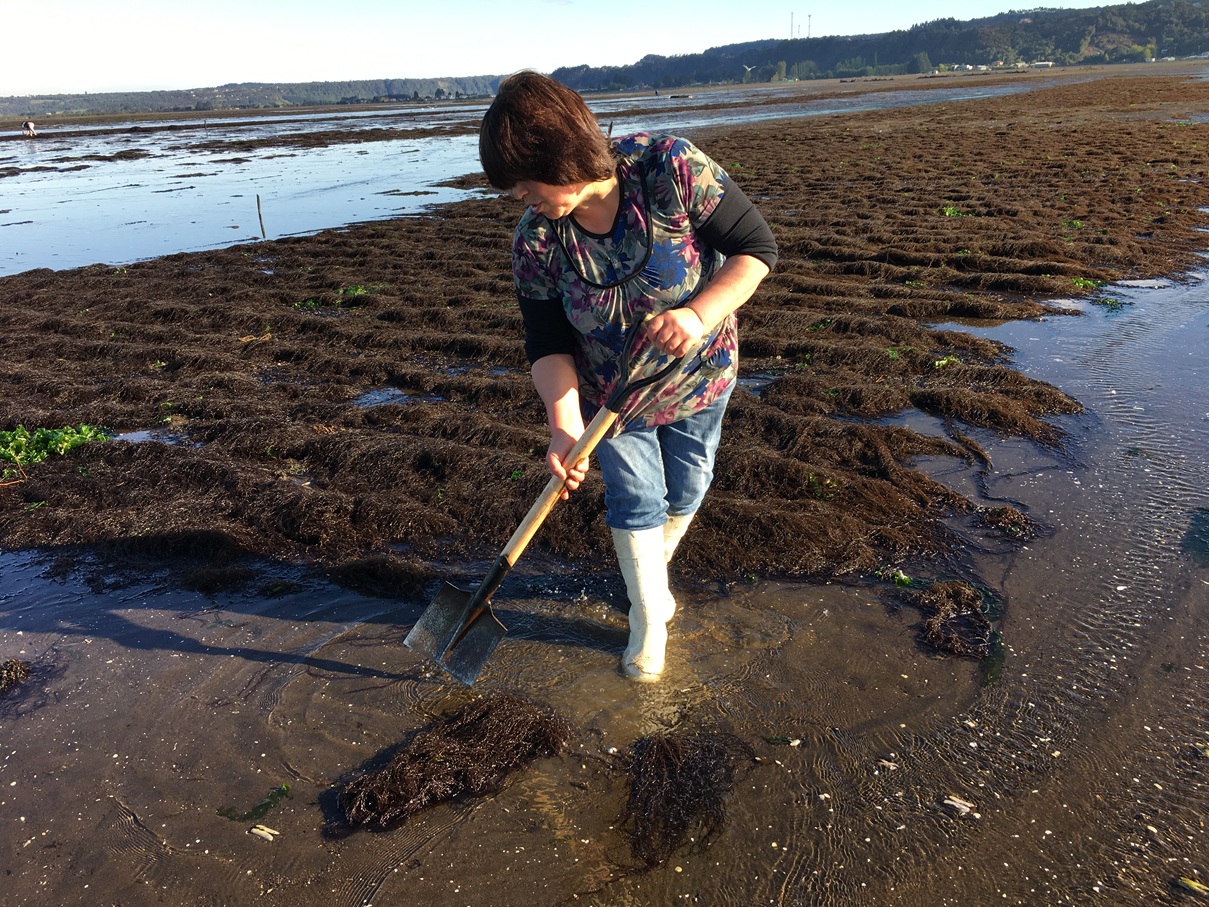
In this line, Silva said that one of the main challenges is to update the regulations with vision and projection to 2050, seeking "to reach a sustainable, diversified, innovative aquaculture, under a model of competitive, inclusive and resilient development, committed to the environment and with a focus on marine ecosystems".
For his part, Sergio Mesa -who participated in the panel "Systemic Perspective, an integral look at the potential of our sea" - highlighted the accelerated growth of aquaculture in just the last four decades, pointing out that "we are the first exporters of mussels in the world and we are the second producers of salmon".
As he explained, this position is largely based on specialized human capital and the work of researchers and professionals in the sector. In this sense, he appreciated the inter-institutional work that exists in the country, noting that "Chile's institutionality has Subpesca, Sernapesca, Indespa and IFOP, four institutions that have paved and will continue to pave the way for the development of aquaculture in the future."