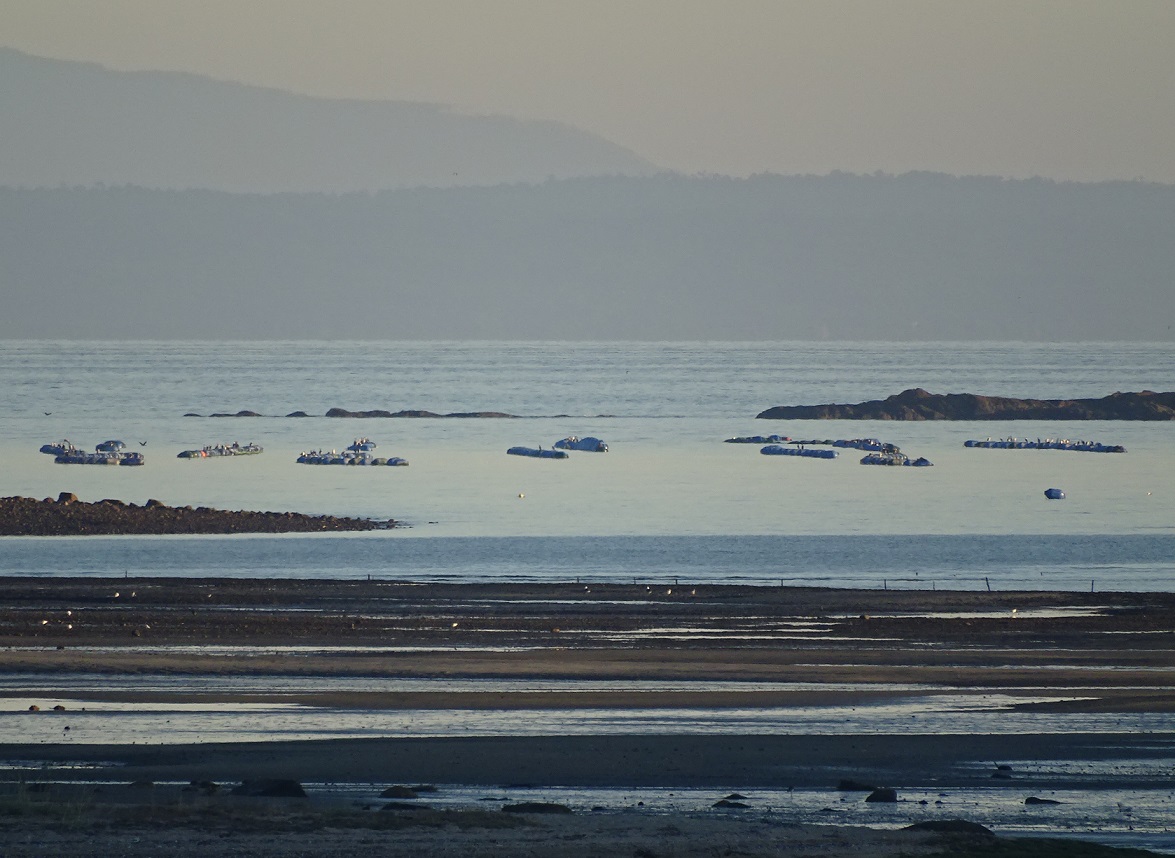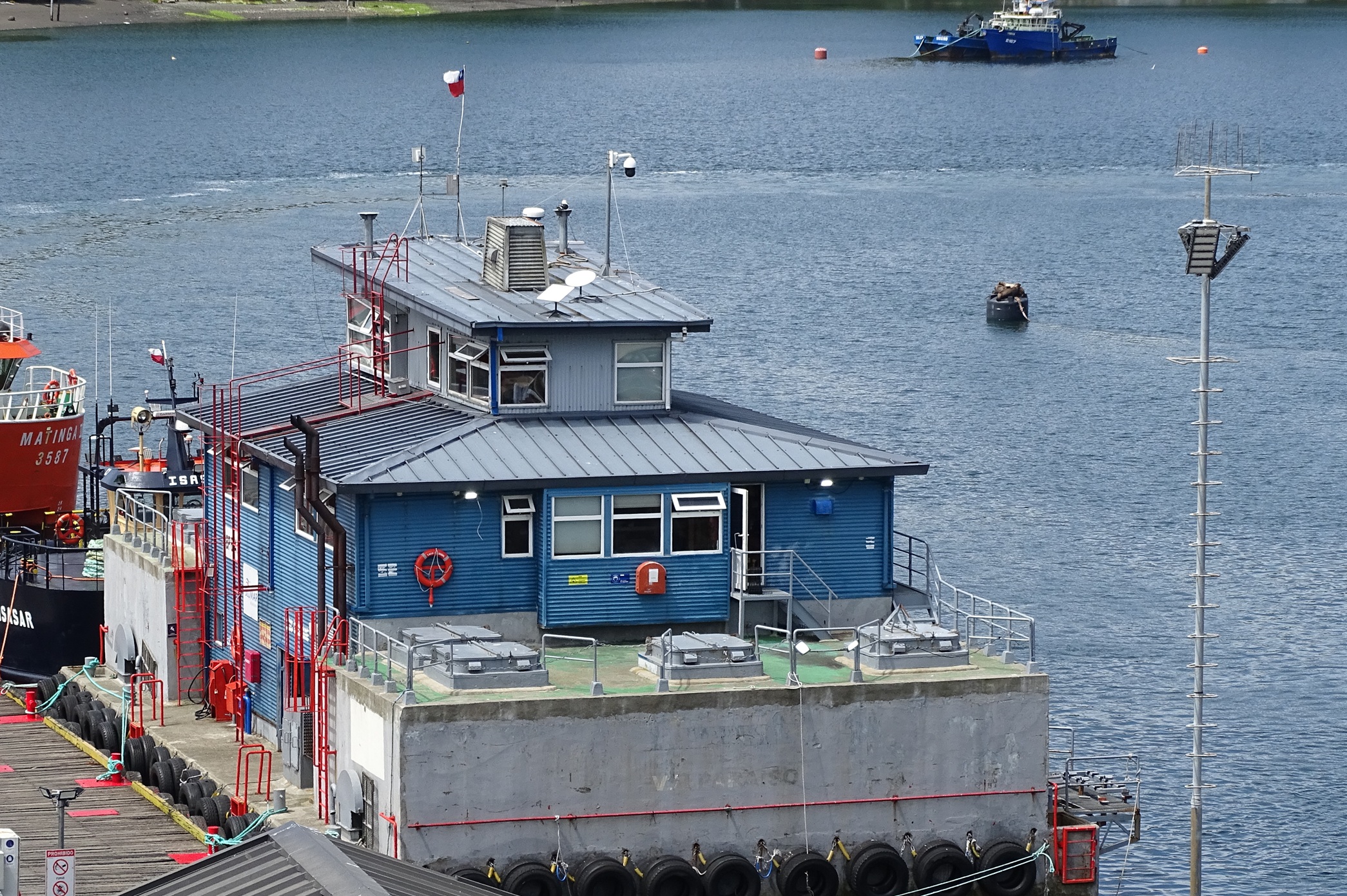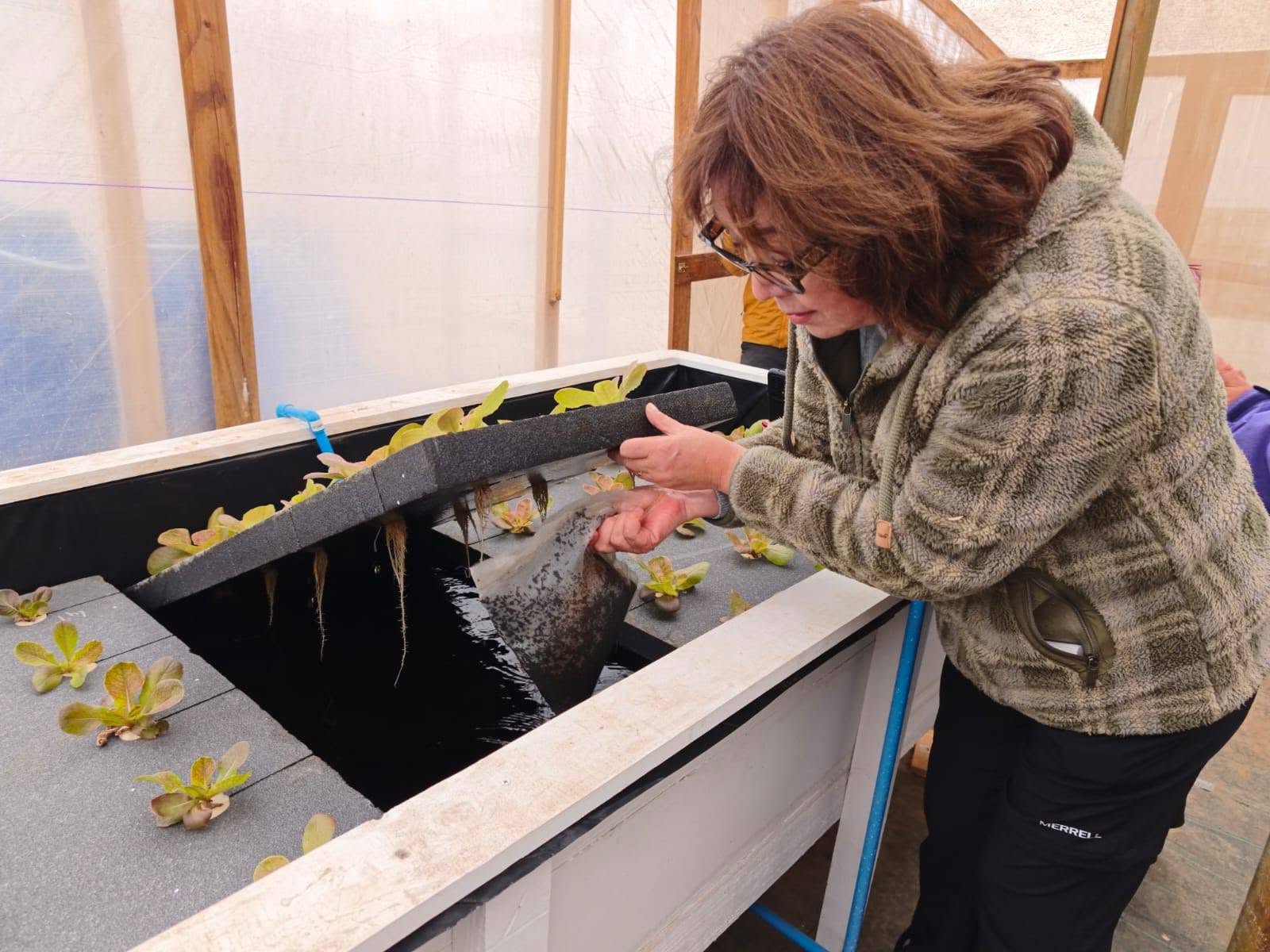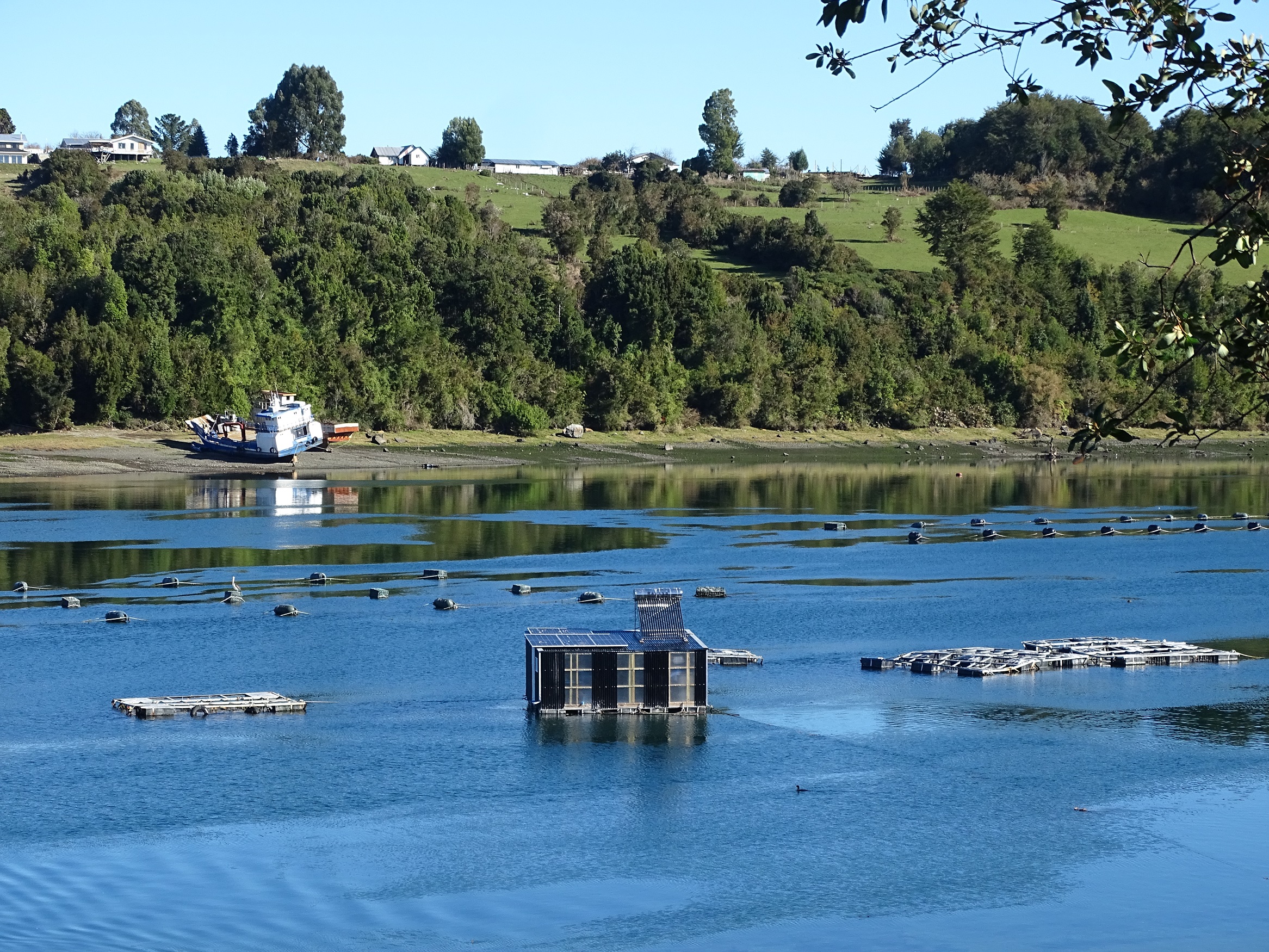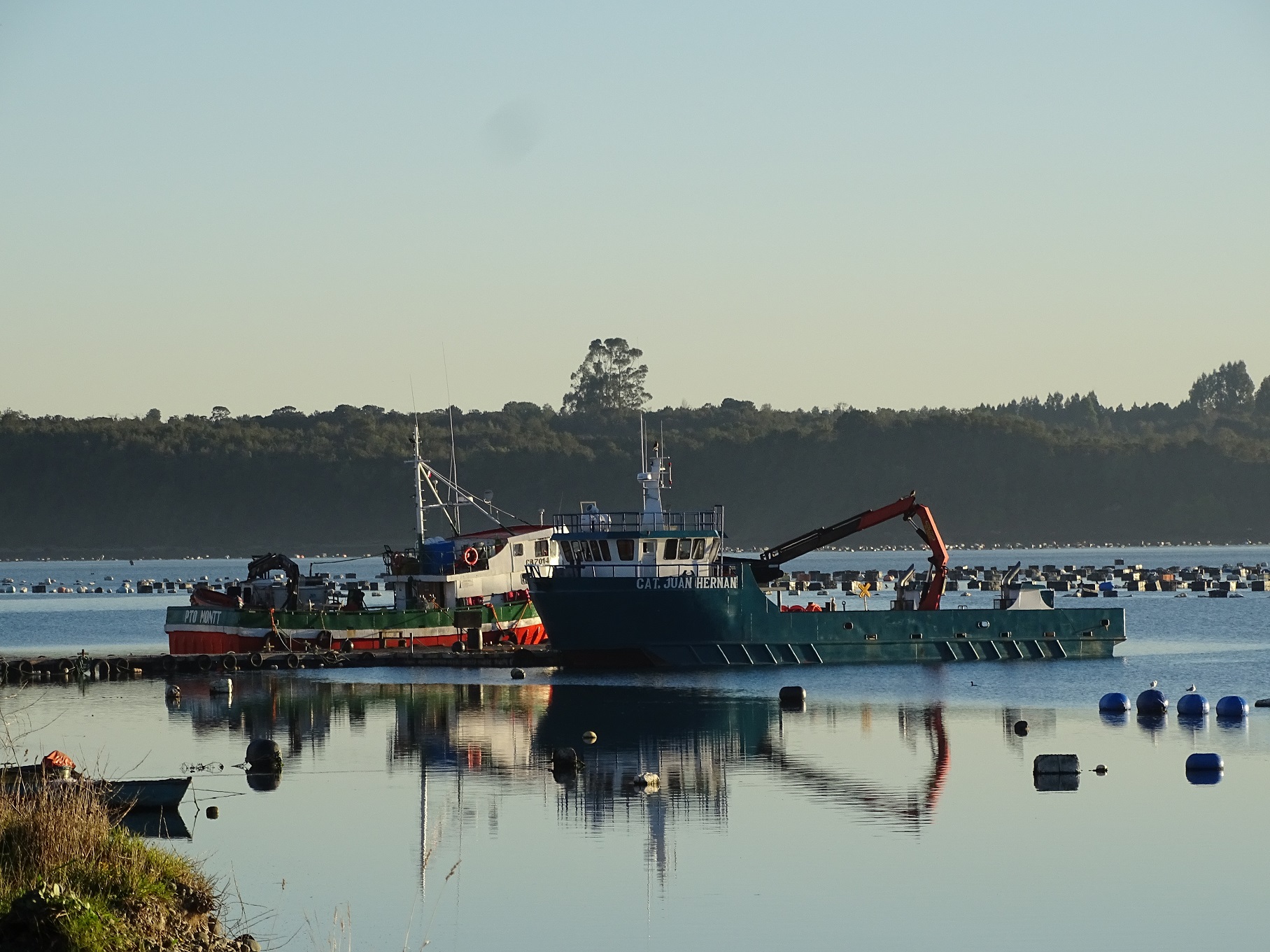
The study included a broad participatory process that involved meetings and field information gathering with actors from the artisanal fishing sector, industrial fishing, salmon farming and mussel farming during the month of October.
The Fisheries and Aquaculture Undersecretariat (SUBPESCA) led a working meeting with public institutions to present and analyze the preliminary results of the FIPA 2024-01 study "Circular Economy Strategies for Fishing and Aquaculture in Chile", an initiative aimed at strengthening the sustainability of the national fishing and aquaculture sector.
At the meeting, held in mid-December, representatives from INDESPA, DIRECTEMAR, SERNAPESCA, IFOP, the Ministry of the Environment (MMA), through its Circular Economy Office, and the SEREMI of the Environment of the Valparaíso Region participated, who reviewed the main findings of the study and provided technical observations and comments, which will be incorporated into the preparation of the final report.
Alexis Gorigoitia, professional from the Unit for Analysis and Management of Aquaculture Processes and coordinator of issues related to the circular economy in Subpesca, valued the opportunity, pointing out that meetings like this "are key to validate and strengthen the results of the study early on, collect technical observations and consolidate effective inter-institutional coordination, all with a view to advancing towards a national diagnosis and lines" con concrete actions in the circular economy for the fishing and aquaculture sector.
At the meeting, advances in the quantification of losses and waste in the sector were presented, as well as the identified logistical, economic, regulatory and technical gaps in artisanal and industrial fishing, salmon farming and mussel farming, along with a preliminary framework of action lines to move towards circular economy models.
It should be noted that the study included a broad participatory process, which included meetings and information gathering with actors from the artisanal fishing, industrial fishing, salmon farming and mussel farming sectors, allowing the integration of the vision of the different productive links and territories. This process was carried out through the FIPA project, from October 9th last year for the artisanal and industrial fishing sector in Concepción. and on October 16 for the salmon farming and mussel farming sectors in Puerto Montt.
Gorigoitia highlights that among some of the ideas to boost the circular economy, "proposals were raised such as improving the classification and traceability of waste, promoting platforms such as SINADER and advancing in the valorisation of by-products, aiming to move from a compliance approach to a resource utilisation approach, in line with the country's environmental commitments."
The above, in line with strengthening the classification and quantification of fisheries and aquaculture waste, using the information available on the platform of the National Waste Declaration System (SINADER) in conjunction with MMA, SERNAPESCA and others. Also, to strengthen inter-institutional coordination with the MMA in order to optimize the declaration of waste of the sector in SINADER, advancing in greater traceability and consistency and progress in fulfilling national and international commitments, promoting the reduction and recovery of waste, in line with MMA strategies on marine and microplastic waste or other responsibilities.