The figures can be consulted in the Statistical Fishing and Aquaculture Yearbook published on the Sernapesca website, or by visiting the interactive platform developed with Data Observatory, which includes historical data from 2010.
A total of 4 million 102 thousand tonnes of catch were recorded in 2023, representing a slight decrease of 3% compared to 2022, due to a 5% decrease in the catch of the artisanal sector and 1% of the aquaculture sector. The figure was announced with the publication of Fisheries and Aquaculture Statistical Yearbook 2023, publication through which the National Service of Fisheries and Aquaculture (Sernapesca) makes the official sector statistics of the country available to the public.
The National Director of Sernapesca, Soledad Tapia Almonacid highlighted the importance of "being able to provide the public with clear, understandable, very timely and accessible information. With this, we strengthen the trust of our citizens, as well as that of our sectoral users, through transparency, adding technology, thanks to this interactive platform developed with the Data Observatory".
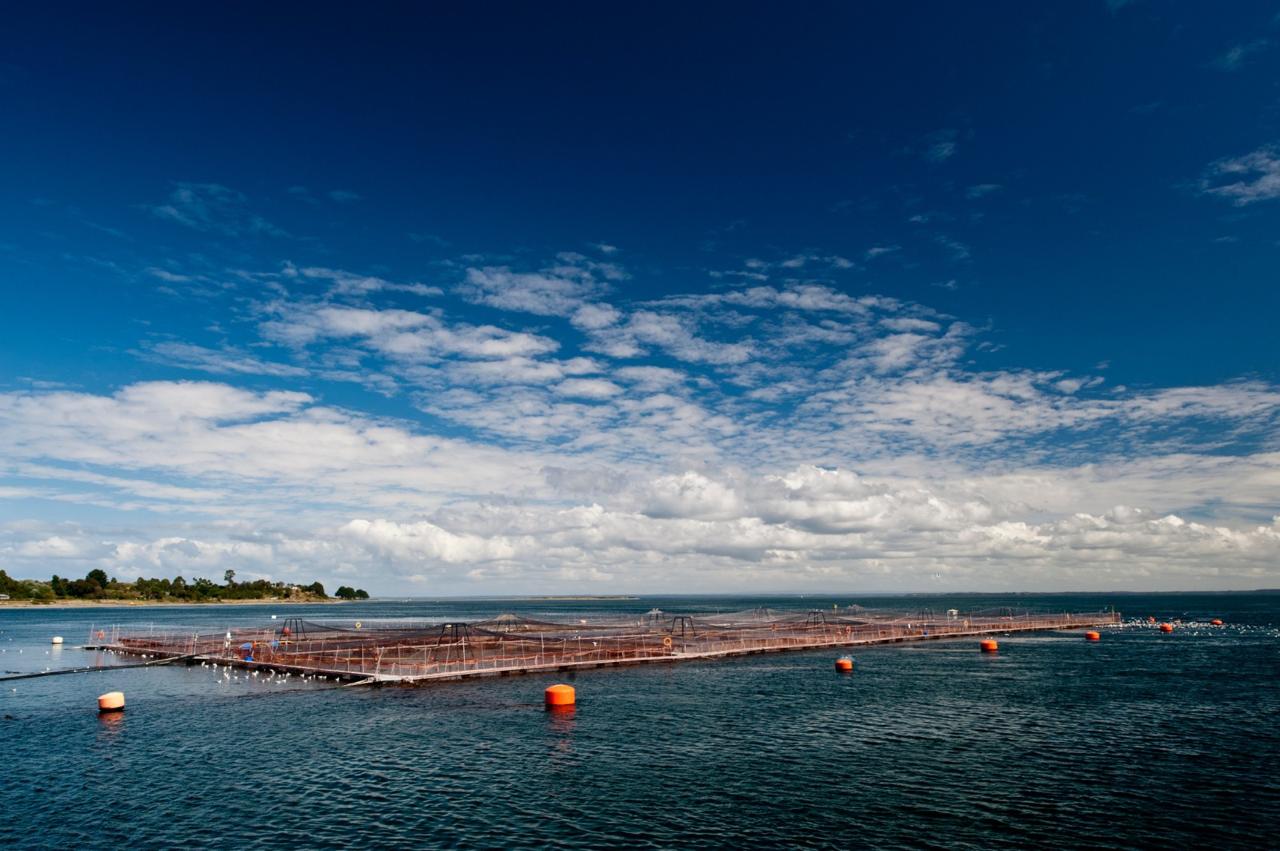
Among other relevant figures, it can be mentioned that the participation of the different sub-sectors in the total catch is led by the artisanal fishing sector with 1 million 617 thousand tonnes for 39 per cent, followed by aquaculture sector with 1 million 502 thousand tons 37% and finally by the industrial fishing sector with 982 thousand tonnes for 24 per cent of the total.
The Biobío region is the one that leads the landings at the country level, concentrating 34% of the national total, specifically with 71% of industrial landings and 44% of artisanal landings. With regard to the harvests of aquaculture centres, the Los Lagos region is leading this sector with 57% of the total harvests recorded in 2023.
Regarding the harvests of Management Areas, a decrease was observed compared to the year 2022 of 43%, difference that is due mainly by low in the extraction of the species Huiro black or chascón and Huiro palo with a total of 64,115 tons for the year 2022 and only 34,738 tons for the year 2023.
With regard to the processing activity, during 2023, the total number of plants that recorded operation was 689, which processed a total of 3 million 768 thousand tons of raw material, generating 1 million 932 thousand tons of final product. The main processing lines were Flour, Frozen and Cooled, which concentrated 88% of the raw material and 90% of the total production. Draws attention In the period the relative increase of the Refrigerated Cooling lines, to which is destined 23% of the raw materials, generating 36% of the total production.
The figures in detail can be consulted in the Statistical Yearbook of Fisheries and Aquaculture published on the Sernapesca website, or by visiting the interactive platform developed and launched in 2023 with Data Observatory, which includes data since 2010 with information related to regulations and regulations, indicators on landings and aquaculture, list of species according to region, raw material and production, fishing plants, among others. The data are open access and are available to industry actors, decision makers, researchers and civil society.
Review the statistical yearbook for fisheries and aquaculture 2023.