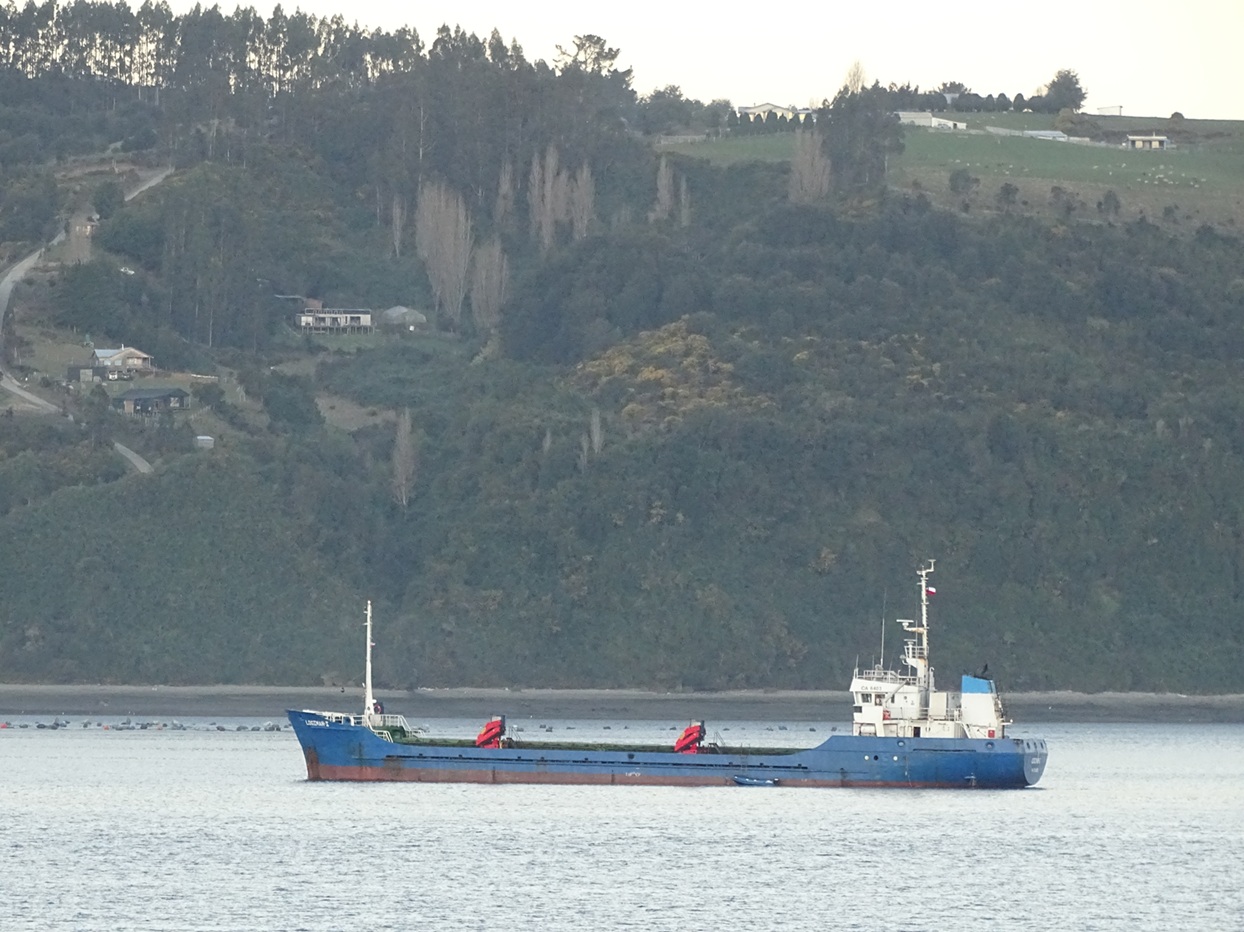
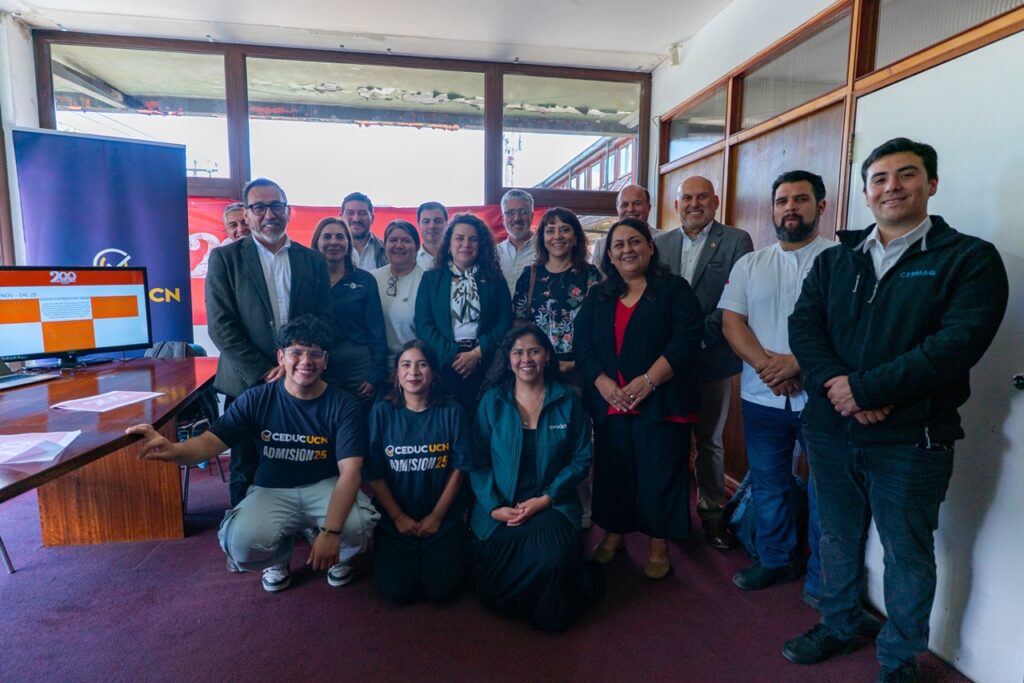
In Castro, the Government accompanied the productive groups of the archipelago in the presentation of the initial activity agenda for the Bicentenary of Chiloe. The programme includes cultural, sports, gastronomic and educational initiatives, with a focus on productive development and projection of the island territory.
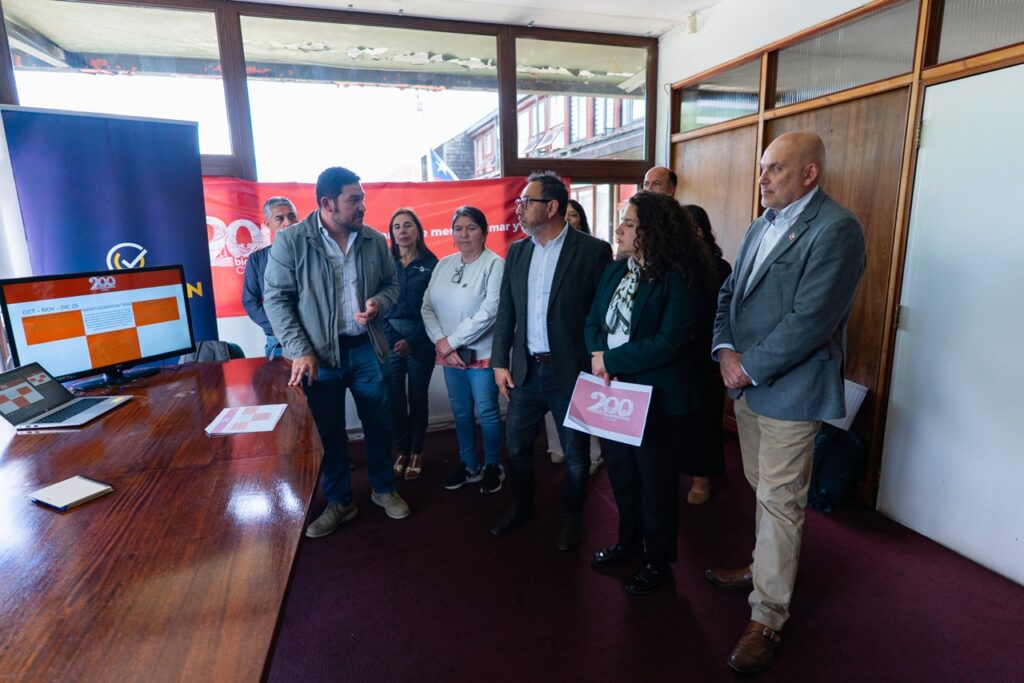
In the Provincial Presidential Delegation of Chiloé, trade unions and companies of the archipelago presented an initial agenda of activities yesterday to commemorate the Bicentenary of Chiloé, as a result of a public-private coordination process led by the Regional Secretary of Economy, Development and Tourism, together with the Provincial Delegation. The proposal includes cultural, sporting, gastronomic and educational actions, with a focus on strengthening the productive development and the projection of the insular territory.
The Regional Presidential Delegate of Los Lagos, Paulina Muñoz, valued the private sector's commitment to the commemoration, highlighting that "there has been a very important effort (…) to bring together institutions and private companies, strengthen coordination and consolidate an ambitious plan of activities within the framework of the Bicentenary", also noting that the agenda aims to "strengthen culture, promote recreational actions and, at the same time" time, to boost productive development", along with the contribution of the productive world and education institutions to project human capital in the province.
In the same line, the Seremi of Economy, Luis Cárdenas, emphasized that the Ministry has been carrying out a planned work with secured funding for the archipelago: "We have defined three strategic axes: tourism, artisanal fishing and small-scale aquaculture, and innovation and entrepreneurship, with a three-year planning." He added that "in 2025 we will fulfill 100% of our commitments, with more than $1,900 million allocated mainly" artisanal fishing, small-scale aquaculture and productive development", and that the resources of this year are already committed, allowing progress towards an implementation phase that is projected strongly towards 2026. In this context, he thanked the inclusion of the private sector in the governance, highlighting that "this public-private partnership will allow us to project the Bicentennial with activities during 2026 and beyond, and transfer" real well-being to those who live and inhabit the island territory".
Contribution of the sectors and companies: culture, sport, tourism and education
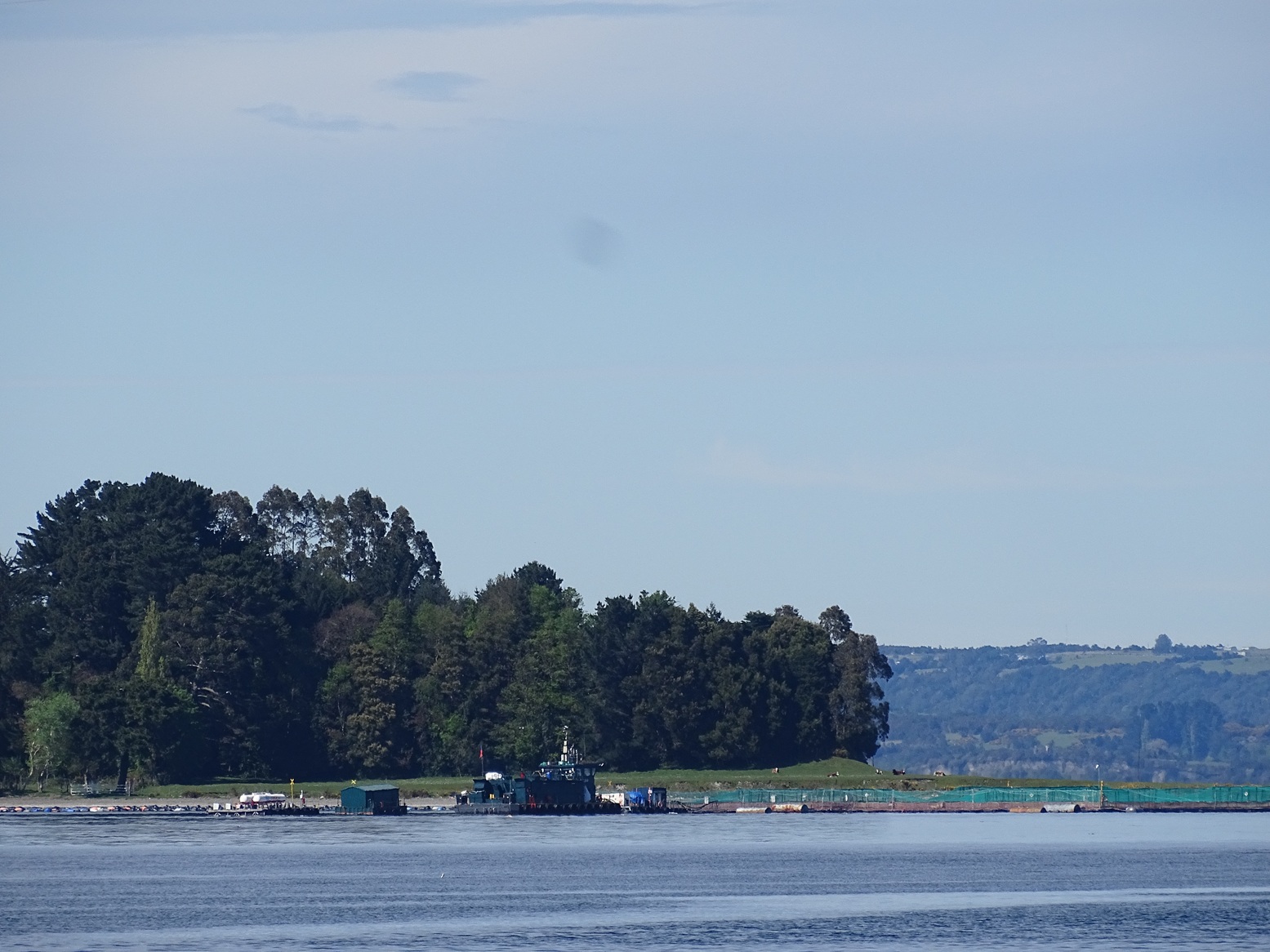
From the productive sector, the executive director of AmiChile, Rodrigo Carrasco, highlighted the collaborative nature of the process and the role of mussel farming in the ten communes of the province, underlining its economic and territorial impact. In this context, he stated that "it has been a very interesting and collaborative work, where we have been able to build a common agenda and contribute with activities from the industry."
Carrasco also emphasized that this agenda also seeks to project local identity through alliances with training institutions, connecting the productive world with education. “A concrete example is the collaboration that CEDUC is promoting, together with the NGO Canales, so that gastronomy students develop during this year—in the context of the Bicentennial—a work plan that generates recipes and promotes culture. chilota through gastronomy,” he explained.
Finally, he advanced some of the actions already confirmed for the coming months, which combine activities of visibility, community participation and patrimonial rescue: “We will participate in the Chiloé Fashion Green, which will take place next week; then we will be present at the Regatta Chilota, in a medical operation with the Chilean Navy, and we will also work on a book that seeks to rescue and spread the history of the cultivation of mussels, along with this collaborative work with institutions of the educational world.”
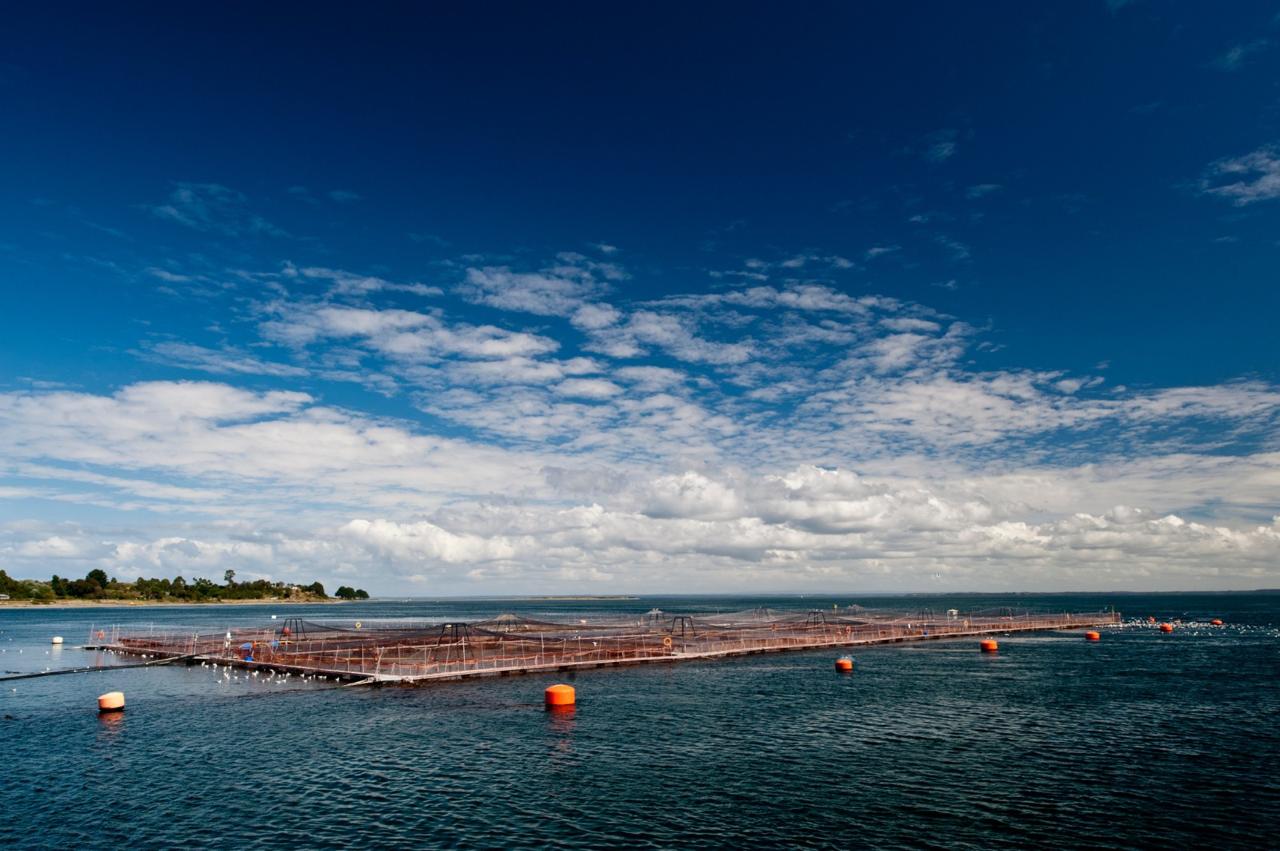
For his part, Pablo Moraga, representative of SalmonChile in Chiloé, appreciated that this is a sustained effort of coordination. “This has been a hard work for several months, convened by the Ministry of Economy through the Seremi, which allowed consolidating activities for the commemoration.” He also reaffirmed the relevance of the territory to industry, noting that “Chiloé is key not only for production, but also for employment and the social fabric of their communes. We start in November with the Salmón Regatta in Quellón—with the participation of the Navy, municipalities, community and sailing schools—and we will continue with activities such as Salmón Labor Day, along with the launch of a free Huilliche chilote calendar, we will also have sports and cultural activities.”
Along the same lines, Angela Saavedra, regional director of the Salmon Council, said that “we believe that the Bicentennial Economic Plan of Chiloé is a tremendous opportunity to relieve what is being done in a province as important as this. There are already more than 25 planned activities, in areas such as tourism and education, driven by partner companies working hand in hand with the community. This is a project that strengthens the work that has been developing in the archipelago and that not only puts in value Chiloé, but also the public-private relationship, especially with the community and with the people who inhabit the territory.”
Finally, the executive director of CEDUC, Carlos Sáez, emphasized the role of technical-professional training and articulation with the local ecosystem. “Education can be this hub of networks in the province of Chiloé,” highlighting the momentum of initiatives that seek to support innovation and entrepreneurship within the framework of the Bicentennial, through partnerships with unions, NGOs, lyceos and community.
With this presentation, the Government and the productive associations of the archipelago advance on a joint road map for the commemoration of the Bicentennial to be expressed in activities with a territorial sense, community participation and economic, cultural and social projection for Chiloé.