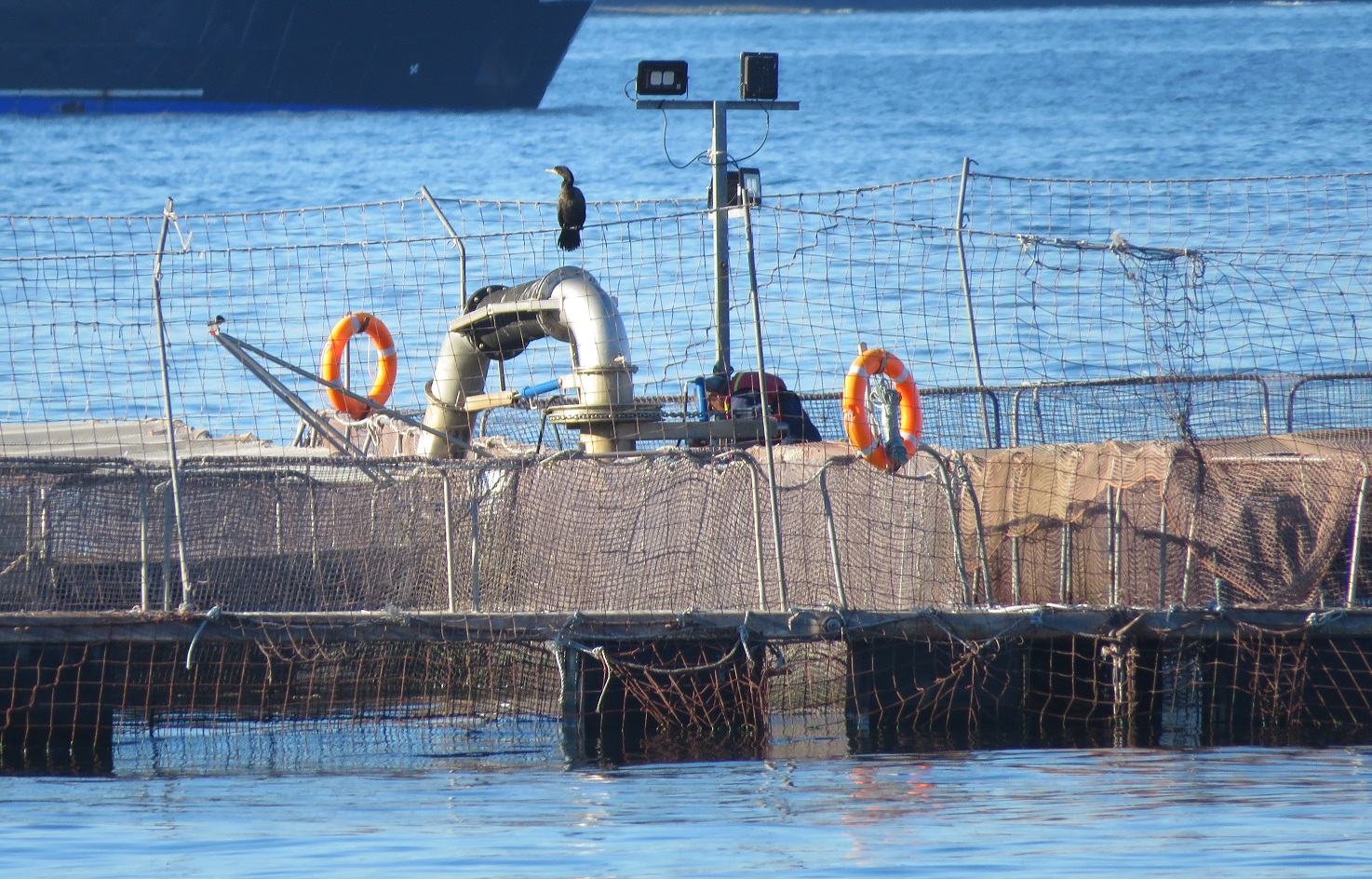
Health report highlights stable mortality levels in relation to previous years.
The National Service of Fisheries and Aquaculture, the public body that oversees the activity carried out by the national aquaculture industry, provided the health reports and use of antimicrobials and antiparasitics in salmon farming for the year 2024.
The National Director of Sernapesca, Soledad Tapia, stated that "as a regulatory service, it is relevant that our actions are accompanied by transparency of information, especially of activities such as aquaculture, which have a high link with the environment in which they operate, so that the public can be informed about the development of these industries. This is why we are providing health information and disaggregated pharmacological by species, by region and by company"
The Sanitary Report contains the productive analysis in fresh and sea water, mortality indicators and results of the disease surveillance and control programs by closed cycles in 2024, highlighting stable mortality levels in relation to previous years.
In fresh water, the main cause of mortalities is associated with productive elimination for the three species of Atlantic salmon, rainbow trout and coho salmon; while, in the fattening stage in sea, the Piscirickettsiosis it is the main cause of infectious mortality for Atlantic salmon, and for the species rainbow trout and chinook salmon, productive elimination is maintained.
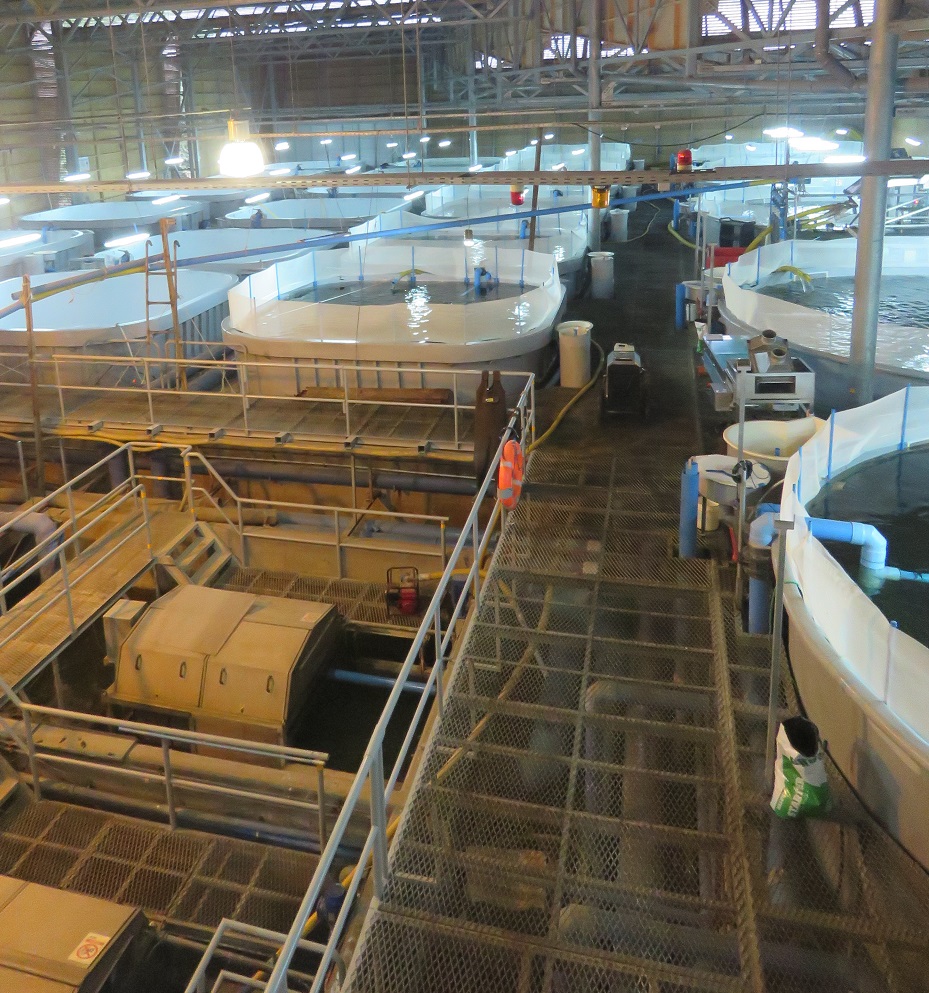
While mortality rates remain stable compared to the previous year, a peak was recorded in January due to environmental events recorded in the Los Lagos and Aysén regions with oxygen drops and harmful algal blooms.
"The health report highlights the condition of our country regarding the nine high-risk diseases listed by OMSA, as Chile only has presence of the ISA virus, with no recorded cases of Other HPR in 2024, which responds to the high biosecurity standards and effectiveness of the disease surveillance and control programs maintained by Sernapesca," said the authority.
Meanwhile, in the Antimicrobial and Antiparasitic Use Report, although there is a downward trend, there is a slight increase of 3.6 per cent in sea water during the first half of 2024, which is related to environmental events of low oxygen and harmful algal blooms (FAN) in the Aysén and Los Lagos regions, which generate stress, predisposing them to outbreaks of disease.
In this regard, the National Director of Sernapesca highlighted the results obtained within the framework of PROA-Salmon, a voluntary program that certifies the cycles that have optimized the use of antimicrobials or have totally dispensed with them.
“We have that the overall antimicrobial consumption rate (ADI) for closed cycles in sea water is 302.33 gr/tonne, and in the cycles certified by PROA-Salmon we can reduce more than 90% to an average of 18.92 gr/tonne, even lower than the cycles certified the previous year,” Soledad Tapia said.
In 2024, 13 companies participated in PROA-Salmon and 28.7% of the total tons harvested were certified, i.e. almost one third of the national production, of which 34% did not use antimicrobials.
Regarding the use of antiparasitic agents, there was a reduction of 11.5% in their use, from 4.85 gr per tonne to 4.29 gr per tonne, including the active substances Hexaflumuron, Azametifos, Emamectin Benzoate and Deltamethrin.
This year's report analysed separately the consumption rate of Hydrogen Peroxide, due to an increase in its use for the treatment of caligus compared to 2023, from 5,150.8 grams per tonne to 10,890.3 grams per tonne, which shows how the industry has been migrating towards the use of this product, in addition to increasing non-pharmacological treatments, as an alternative for the control of caligus.
The details of both reports can be found on the Sernapesca website at the following link: https://www.sernapesca.cl/informes-y-datos/resultados-de-gestion/ .