The exercise, which was supported by Intesal, allowed to assess regulatory compliance, identify gaps and diagnose logistical capabilities.
With the aim of strengthening the preparedness of the cultivation centers to face events of Harmful Algae Blooms (HAB, also known as "algal blooms" or more colloquially as red tide), which could generate massive fish mortalities, the Salmon Technology Institute (Intesal) from the Chilean Salmon Industry Association A.G. (SalmonChile) coordinated a simulation during the month of January, which was advised by professionals from Water studieswho have extensive experience in the technical and regulatory aspects of the subject.
The simulation is a government exercise which recreates a hypothetical contingency situation in front of which the participants must take decision based in the information they receive during the activity, as well as with what is established in the action plans of the companies.
Read more » FAN: Confirm the total withdrawal of fish mortality in Aysén
The body, in which in this first opportunity participated Yadrán Farms, Austral Salmon, Marine Farm, Blumar Salmon, Camanchaca Salmon, Ventisqueros and Cooke Aquaculture Chile, had a duration of ten days in total, two of pre-contingency and alerts of presence of harmful algae, three emergency days with massive mortalities and five days for the preparation of the End of Contingency Report (IFC).
It assessed policy compliance, the process of activation of action plans and Response capacities in the case of the controlled recreation of a mass mortality event in defined areas. They also got up. logistical and coordination gaps to be able to perform proposals and so on decrease them in front of a real scenario.
Read more » CPI Chile technologies to tackle FANs
The general manager of Intesal, Esteban Ramírez"This exercise reinforces our objective of supporting contingency preparedness," he said. from the private, but also collecting useful information to detect gaps in regulation and in the fundamental role of "public world".
The representative of the "technical arm" of SalmonChile emphasized that they have raised with different public bodies the importance of review the procedures and requirements in the face of an emergency, delivering proposals in that regard.
Read more » Address the response capacity in case of algal blooms
For example, this exercise showed as a result that the companies sent 500 emails during the simulation, which, according to Ramirez, "clearly generates in a real emergency demand for time and human resourcesboth the public and private sectors, which diverts us from how really important it is act quickly in front of the situation."
And immediately, he said, "Working on a better governance when extraordinary events of high involvement, is still a fundamental gap Unsolved".
For her part, the head of the Intestesal environment, Ximena Rojas, explained that they are working on a series of activities and carrying out comprehensive monitoring in order to be as well prepared as possible in the event of an NAF event.
"An example of this is the execution of this simulation that had a high participationwhere we could see which areas we are working on in a good way and which we need to continue to strengthen for the future. In this regard, thanks for the commitment of the companies in order to be able to carry out this type of initiative, so that salmon farming can raise standards with which it counts," Ximena Rojas summarized.
Also read » Detail the health situation of Chilean salmon farming
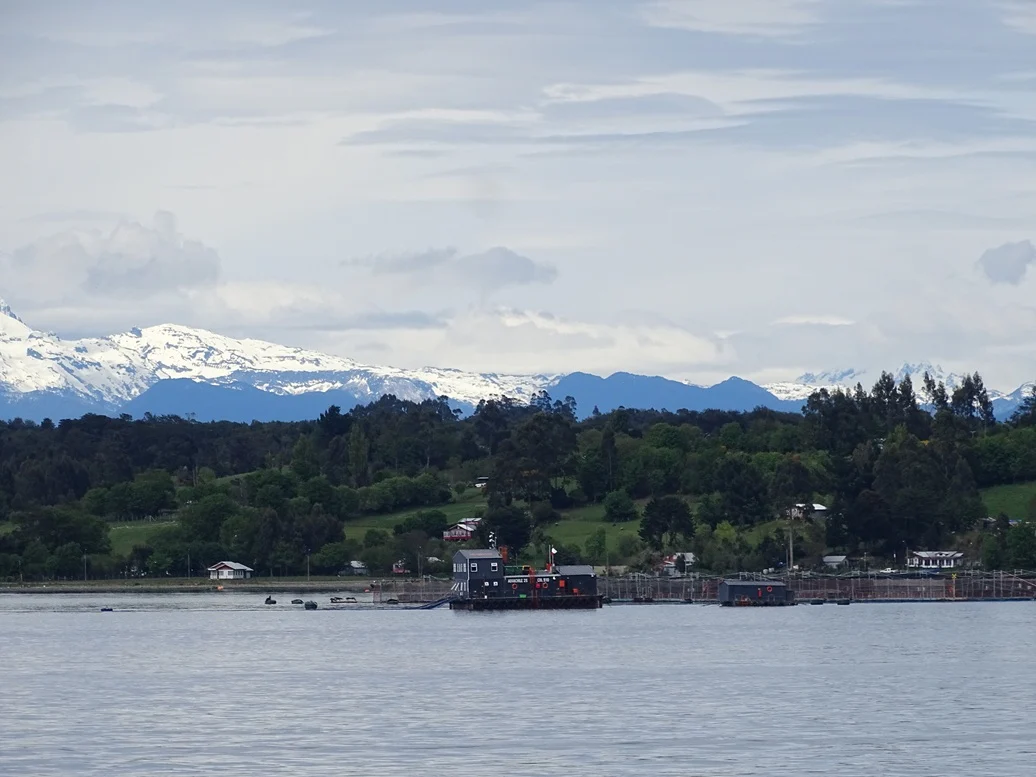
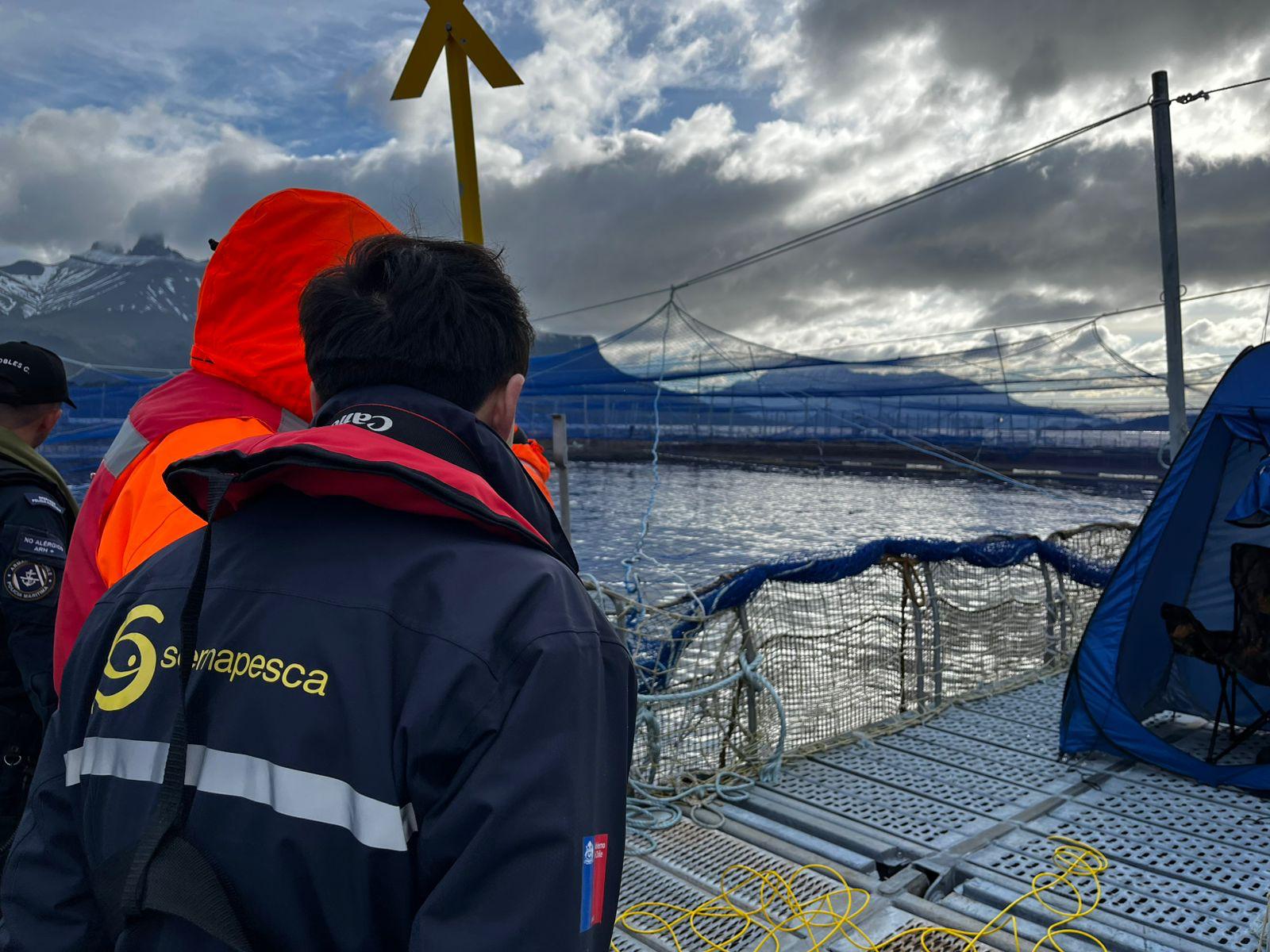
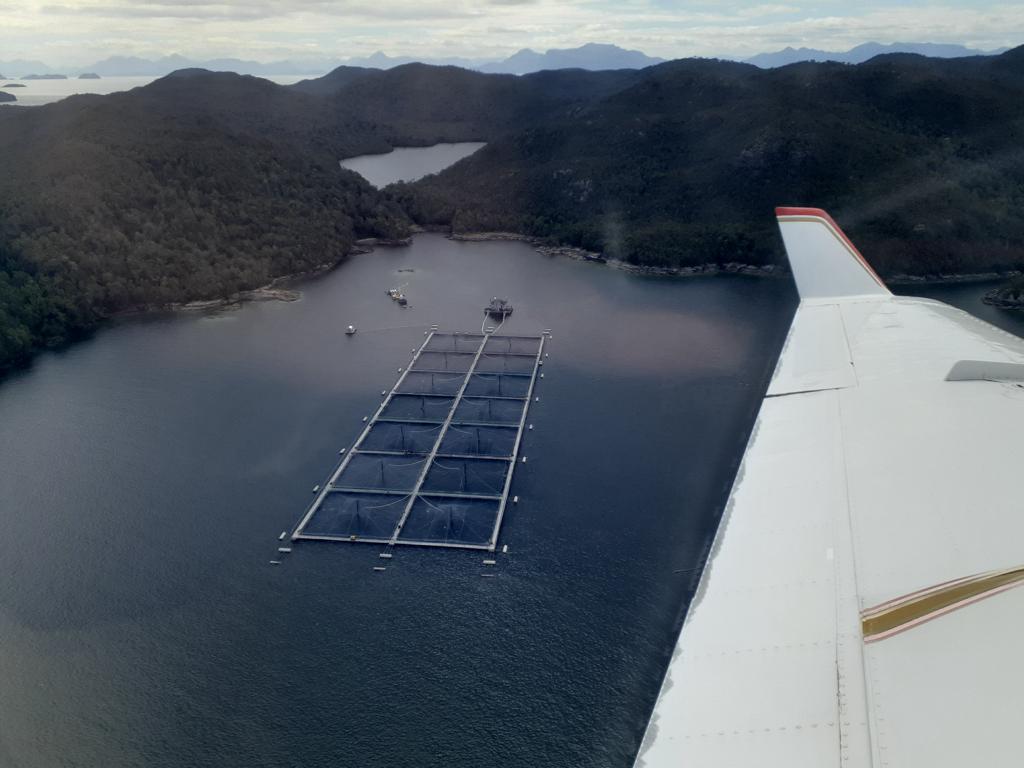
* The photo is of context and corresponds to the archive of the National Fisheries and Aquaculture Service (Sernapesca).