The report highlights that the country maintains its status as free from List 1 diseases, based on the robust surveillance system established by OMSA.
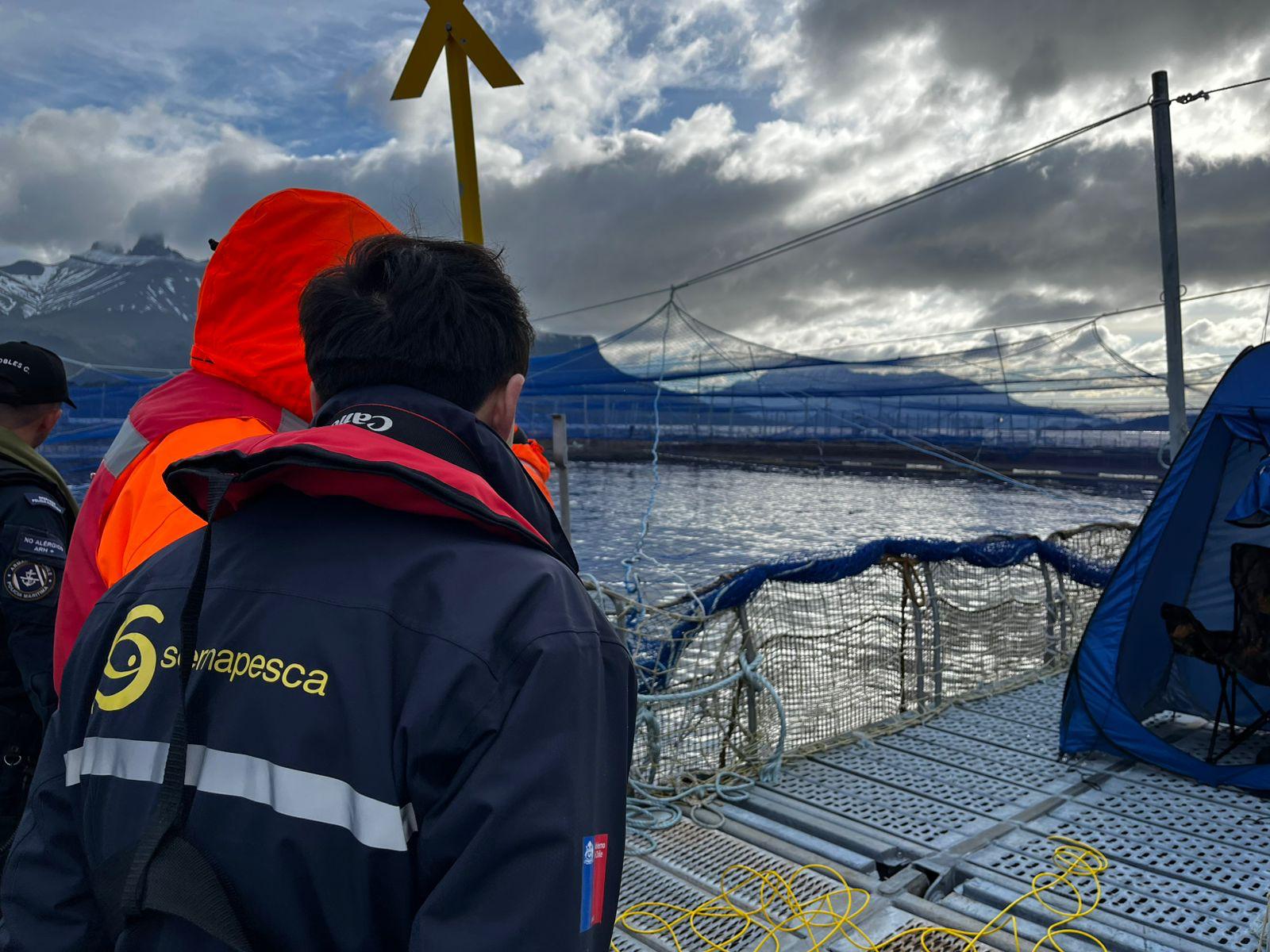
This week, the National Service of Fisheries and Aquaculture of Chile (Sernapesca) published in its online site the Sanitary Report of Salmon Farming corresponding to the operations of first half (1H) of 2023, which reveals the productive situation of the marine salmonid centers of the country and describes the health condition regarding the diseases included in the Specific Surveillance and Control Program: Infectious Salmon Anemia (ISA), caligidosis and piscirickettsiosis.
The paper considers the analysis of the declarations of mortality of the combined sea and freshwater cultivation centres by regionas well as associated causes.
This edition includes a section on the mortality by cycle, including the number of dead fish and the percentage of accumulated mortality, differentiated by species, region and company.
Figures and downloads
The report highlights that Chile maintains its disease-free status in Schedule 1, based on the robust surveillance system in line with the guidelines of the World Organisation for Animal Health (OMSA).
In relation to the Infectious salmon anaemia, a case was filed in the region of Magellan and Chilean Antarctic categorised as center in outbreak, i.e. with signology associated with the disease, which was successfully contained, as reported by Sernapesca.
As for caligidosis, both in the Lake Region as in the Aysén region the highest loads were recorded in the months of March and June. While in the Aysén region, there was an increase in charges compared to the same period in 2022. In the meantime, Magellan region there were no confirmed cases.
Envelope piscirickettiosis, Sernapesca detailed that the behavior of the previous period, where the centres of high dissemination (CAD) are concentrated in those who have fish with greater weight.
Regarding the reports of mortality in marine centers, the monitoring body specified that a decrease the average monthly mortality rate of 0.4% compared to the same period of 2022.
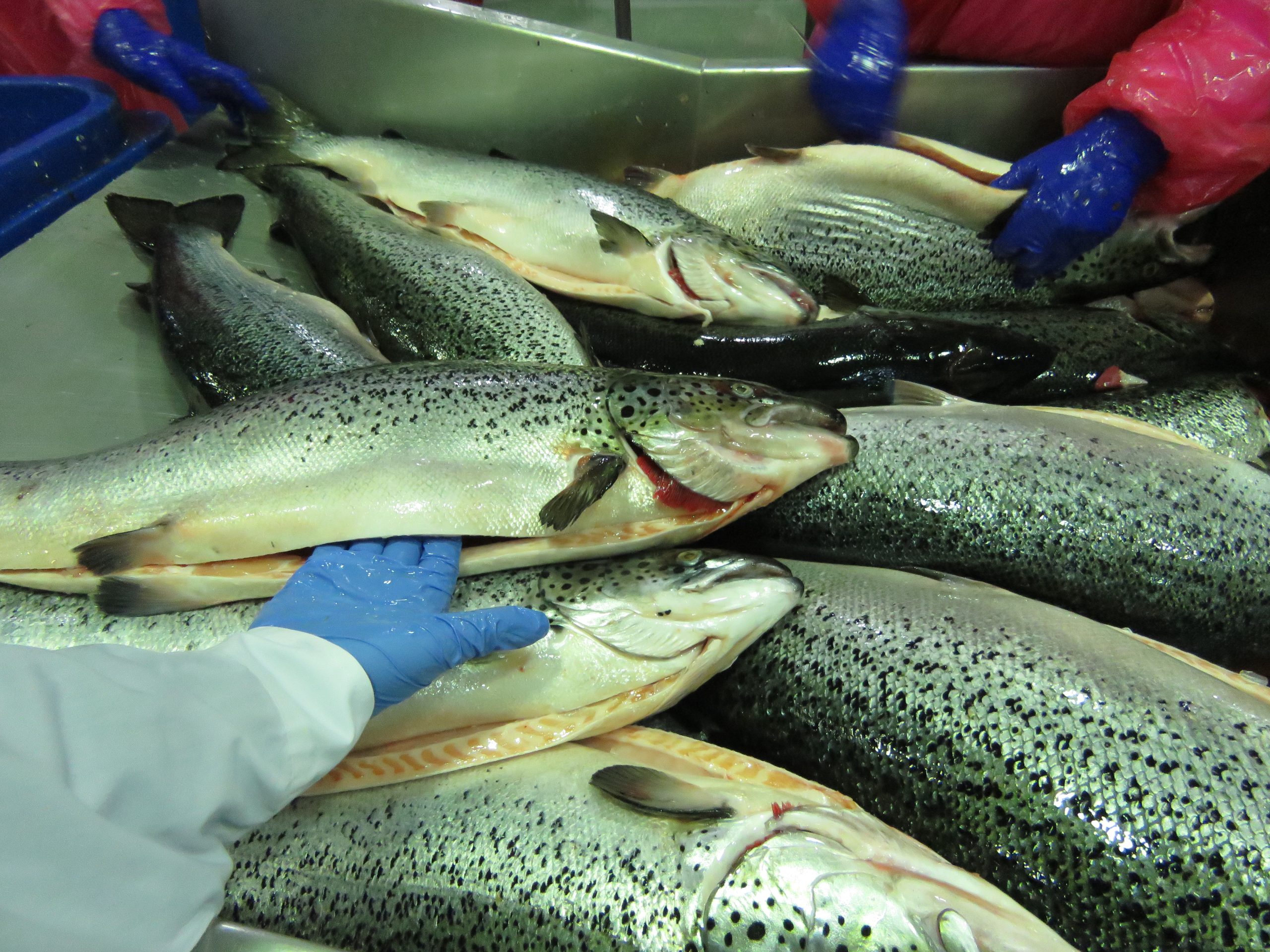
"The main causes Infectious mortality rates were pisciricekttsiosis in Atlantic salmon (Atlantic salmon), IPN in rainbow trout (Rainbow trout) explained mostly by mortality in a facility; and icteric syndrome in coho salmon (Coho salmon). At the same time, fresh water the average percentage of the monthly mortality of 0.44% versus the first semester of 2022," Sernapesca explained, adding that, with respect to the percentage of mortality by cycle and species, the Atlantic salmon recorded 9.4%, coho salmon 7.7% and rainbow trout 7%.
- Download the full salmon farming Health Report below:
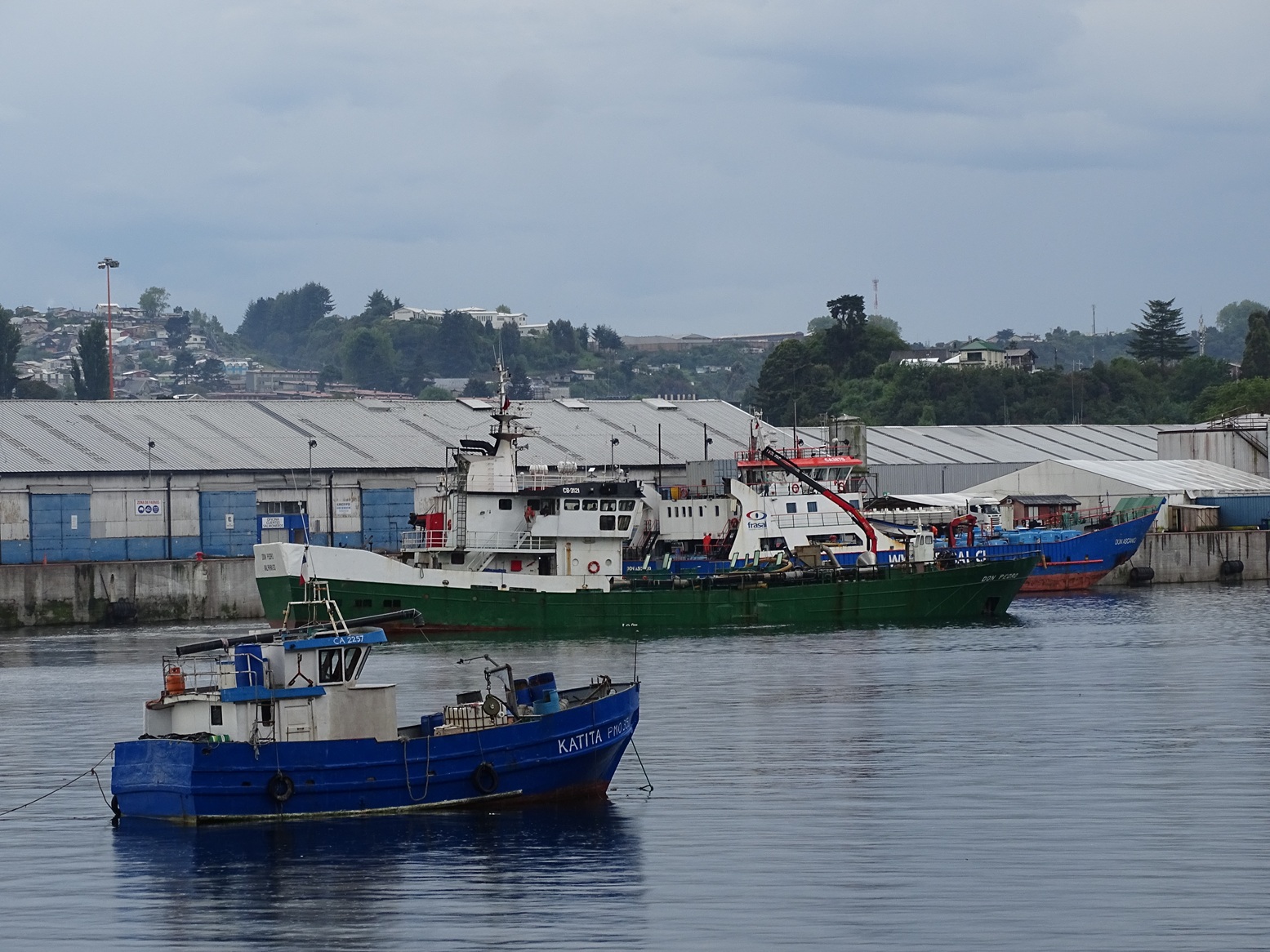
*Credits of the featured photo (in context): Pedro Barra Léniz – Partnerfish – Aquaculture Directory.