It is a measure to avoid a new mass mortality in case the concentration of the microalgae Thalassiosira pseudonana increases.
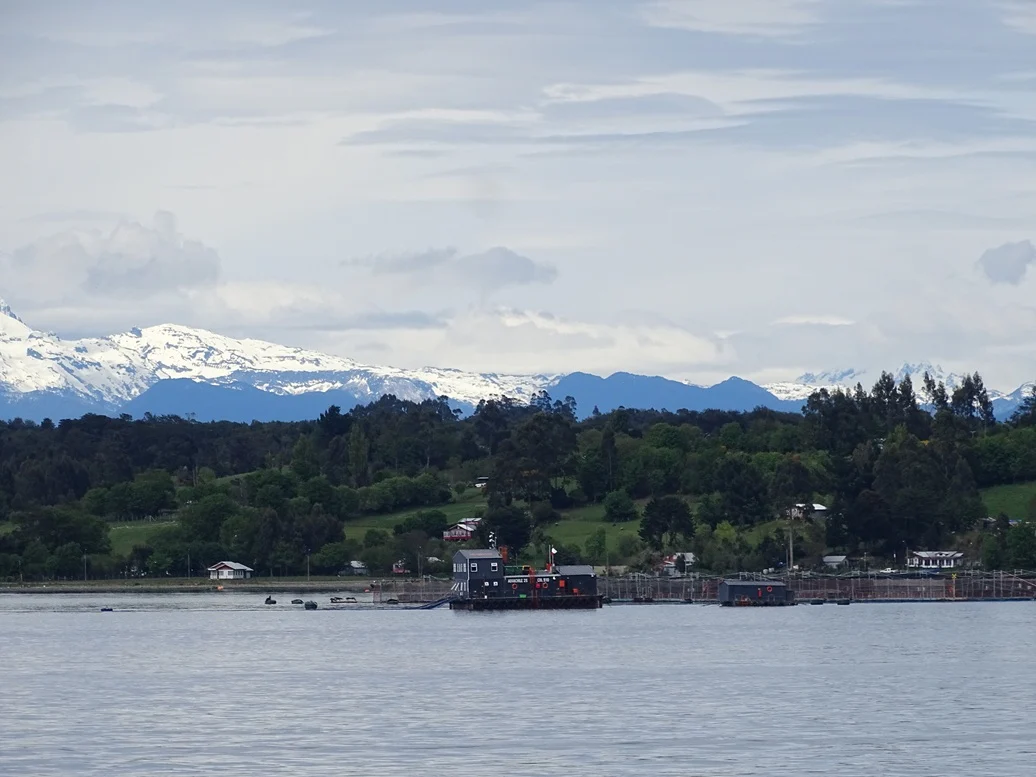
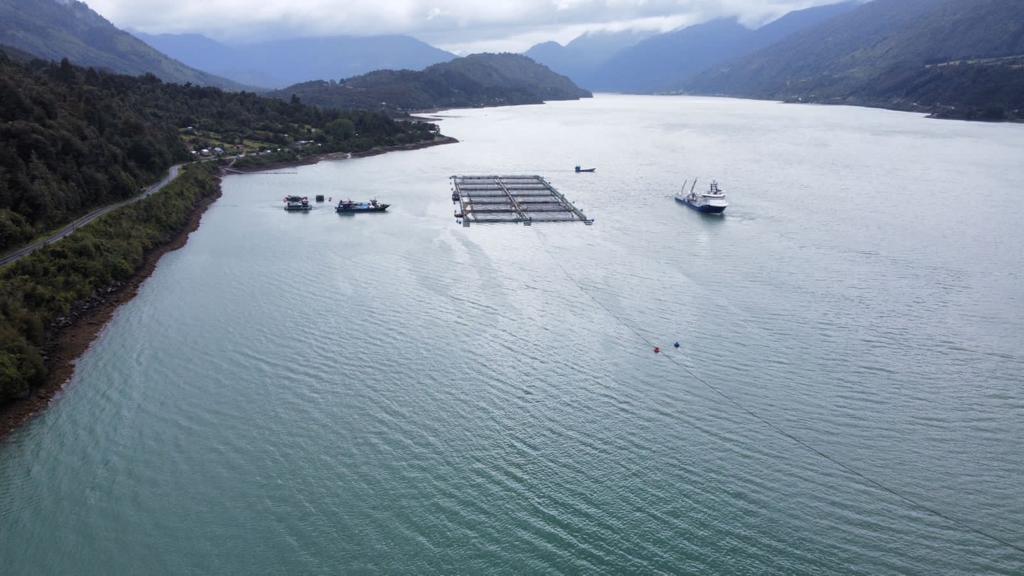
After the total withdrawal of the mass mortality by the salmon farming companies that have been affected by the harmful algal bloom (HAB) in the heart of Reloncaví, during the afternoon of this Wednesday 29 November the Regional Office Los Lagos of the National Fisheries and Aquaculture Service (Sernapesca) confirmed that of the 28 cultivation centers located in the Salmonid Concessions Group (ACS, also known as "neighborhood" Number 2), there is once that maintain their contingency plans for this phenomenon.
READ >> Report new mass mortality event of salmonids due to FAN within the Reloncaví area
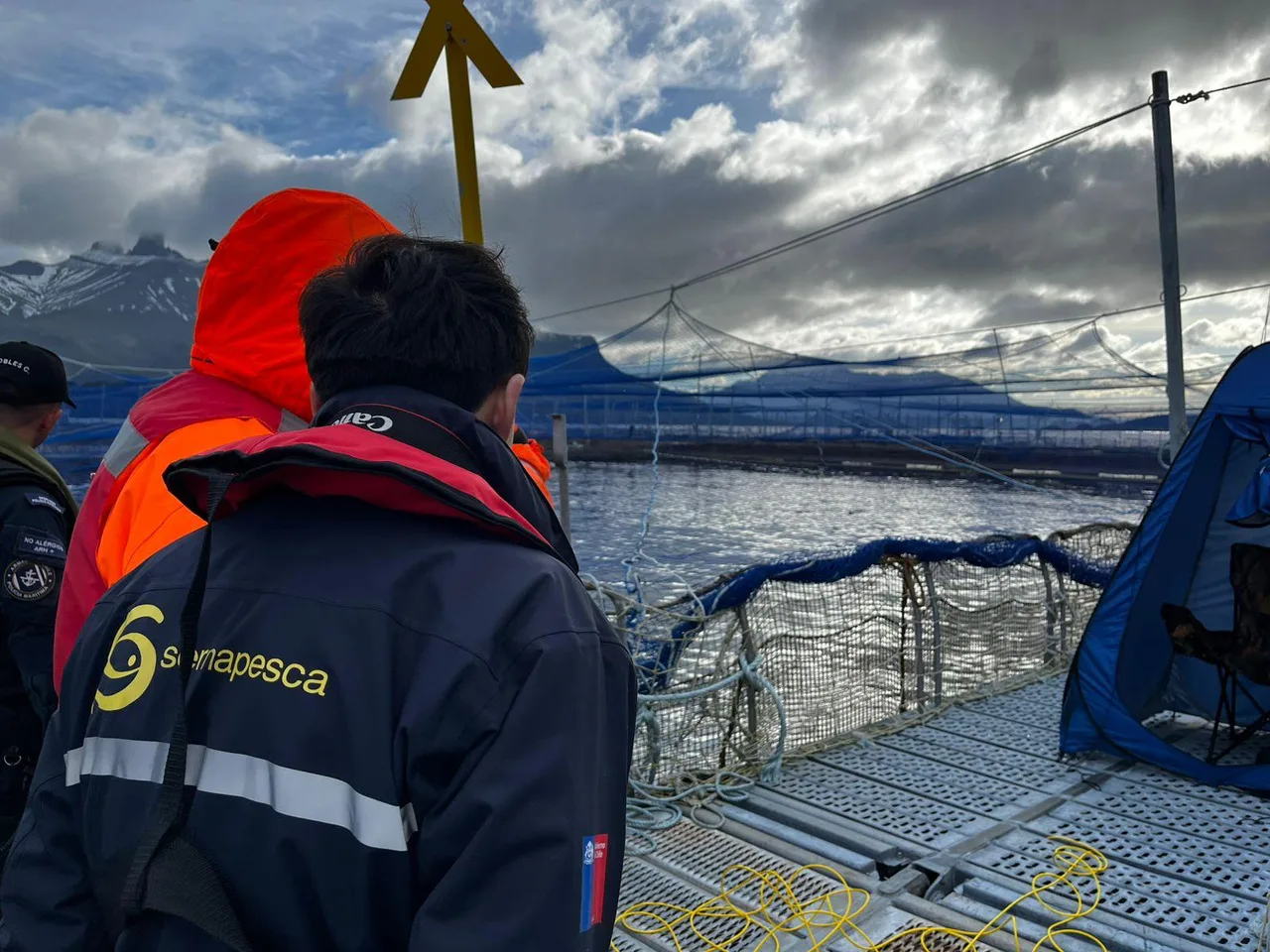
The regional (s) director of Sernapesca Los Lagos, Branny Montecinos, commented on the inspections and monitoring: "As Sernapesca we will maintain surveillance in case a new mass mortality event is recorded. Regarding the action plans by FAN, we have been inspecting and receiving the reports from the companies on the results of the daily monitoring of the levels and concentrations of the microalgae Thalassiosira pseudonana".
Total biomass of "block" 2 is 49,727 tonnes and a mortality of 927 tonnes was recorded, which corresponds to 1.9%. The total mortality has already been removed and taken to its final disposal, processes that were supervised and verified by officials from Sernapesca Los Lagos.
READ >> The Sernapesca balance after the FAN event in Los Lagos
Regarding the "Huelmo" cultivation center, the owning company, with authorization from the regulatory body, is carrying out the early harvest of live fish. According to the report, it is a preventive measure to avoid a new mass mortality in case the concentration of the microalgae increases. Thalassiosira pseudonanawhich affects the gills of the fish, causing internal damage and leading to death by suffocation.
READ >> What does the aquaculture pre-alert declared by Sernapesca consist of?
READ ALSO >> Aquaculture and fishing: Assessing the possible consequences of the El Niño phenomenon
*Photo source: courtesy of Sernapesca.