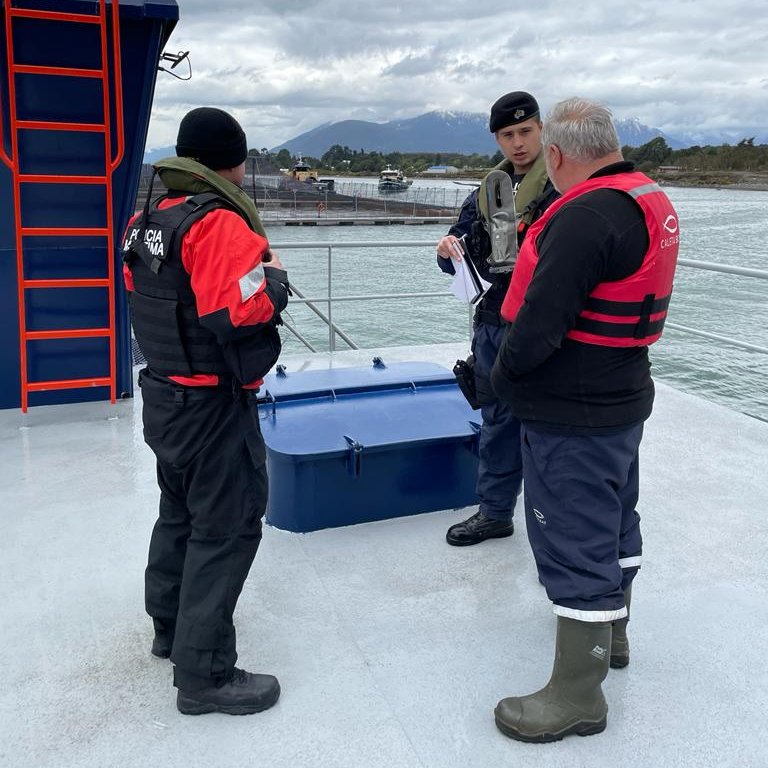
The FAN currently affecting the Reloncaví estuary corresponds to Thalassiosira pseudonana.
During the afternoon of this Thursday 16 November, the Los Lagos Regional Directorate of the National Service of Fisheries and Aquaculture (Sernapesca) confirmed that following the activation of the contingency in the Salmonid Concessions Group (ACS, also known as "barrio") number 1, located in the Reloncaví estuary corresponding to the commune of Cochamó, are nine the cultivation centres that maintain activated plans by harmful algal blooms (HAB). De estos, six they are also with contingency plans for mass mortality, being Just two. the centres which are in this condition according to the analysis carried out.
The supervising body detailed that the Total biomass in ACS 1 is 30,000 tonnes (t) and mortality corresponds to 486.4 tonnes of coho species (Coho salmon) and rainbow trout (Rainbow trout), which corresponds to 1.62% of the total biomass of the neighborhood.
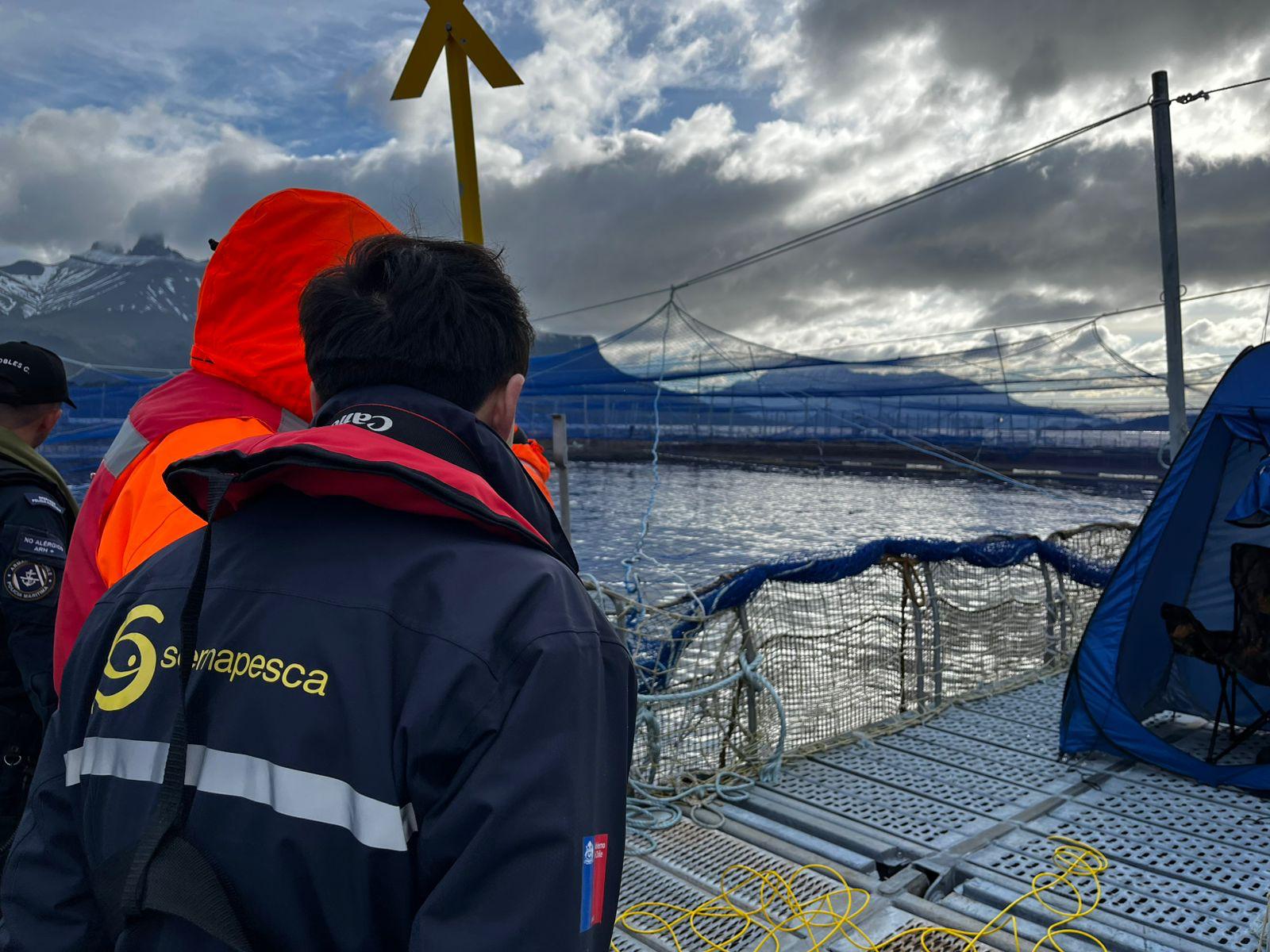
In addition to specifying that the two centres affected by mass mortality belong to the Trusal and Caleta Bay companiesthe regional director of Sernapesca Los Lagos, Cristian Hudson, explained that they continue to monitor and monitor in coordination with the institutions that make up the Regional Committee of Environmental Contingencies (CIICA).
"In this line, as Sernapesca we will keep the register of daily mortality from the centers of cultivation to the points of final disposition in order to ensure the proper fulfillment of the contingency plans. It is also important to indicate that, of the total mortality, 356,5 tons have already been extracted.", Hudson clarified.
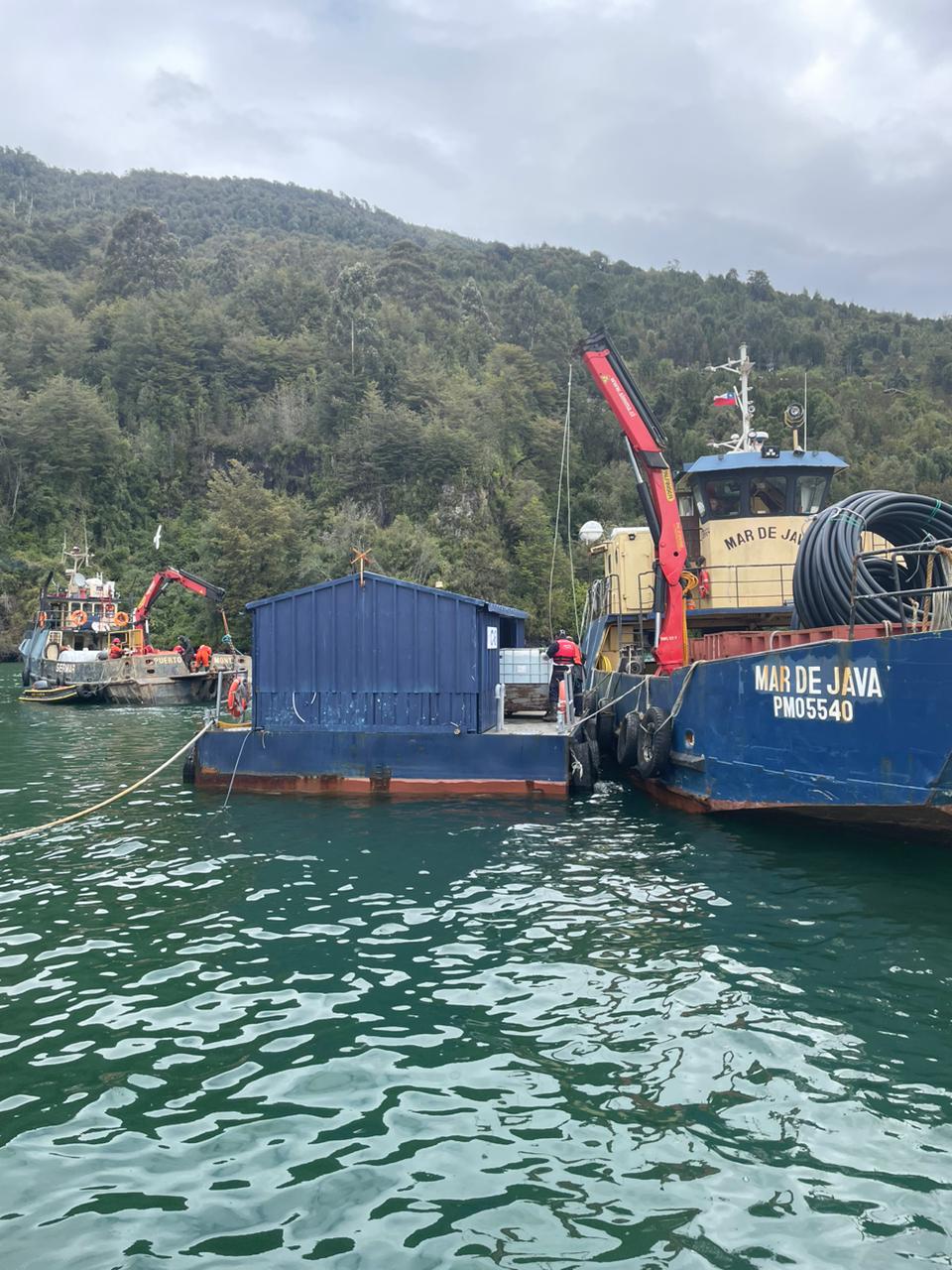
The regional authority deepened that Sernapesca authorized the harvesting of salmonids in center 100503, which recorded higher mortality (360 t) and that it is currently in the process of harvesting living specimens.
It's not red tide.
The ANF that affects the Estuary of Reloncaví at this time corresponds to the microalgae Thalassiosira pseudonanawhich does not correspond to the so-called red tide, and therefore no involvement of bivalve molluscs or other fish.
Although from the Institute of Fisheries Development (IFOP) they clarified that this flowering is due to the fact that in spring there are ideal conditions of light and nutrients, which favors the increase of these microalgae, they assured that the public and private bodies are alert to the potential impacts of the El Niño phenomenon which currently affects northern Chile and could move southwards, causing environmental contingencies.
Read more » Aquaculture and fishing: Assessing the possible consequences of the El Niño phenomenon
Also read » What does the aquaculture pre-alert declared by Sernapesca consist of?
*Photo source: courtesy of Sernapesca.