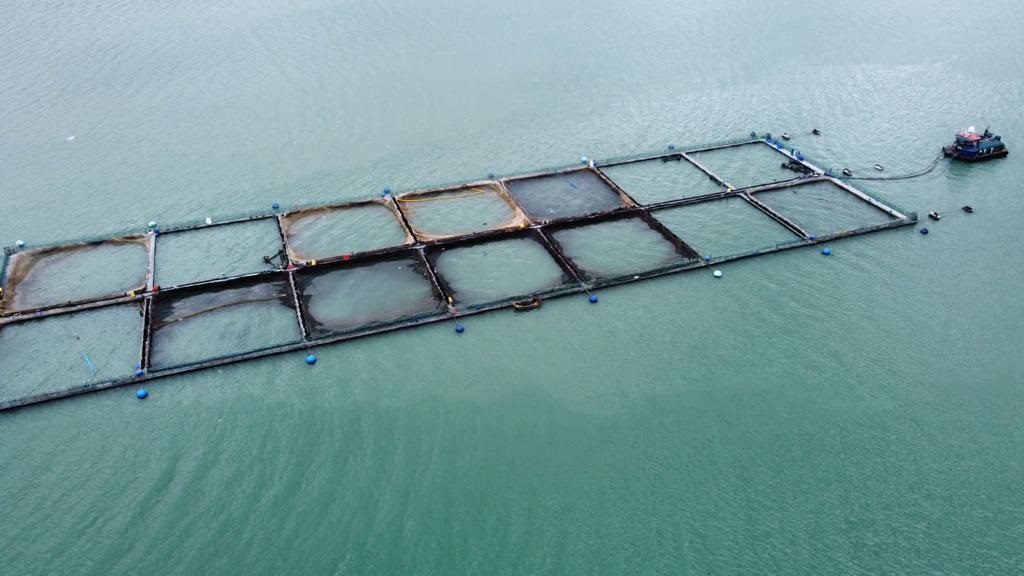
"We must be cautious and continue improving the procedure to be prepared for events of greater magnitude," was one of the statements from the director of the regulatory body.
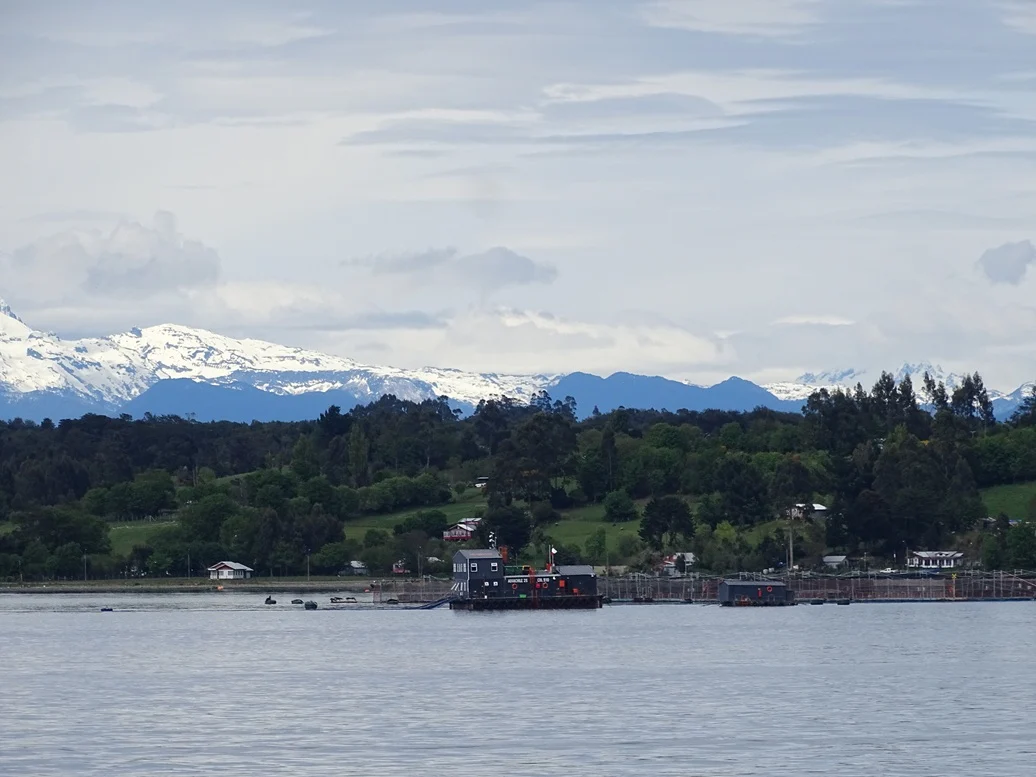
A week after the start of the emergency due to harmful algal blooms (HAB, also known as "bloom") and mass mortality in the Reloncaví estuary (Los Lagos region), which reached 1,500 tonnes of affected salmon, the National Service of Fisheries and Aquaculture (Sernapesca) confirmed that these they have been fully removed. In addition, it reported that a case has been recorded of drop in the levels of concentration of the microalgae Thalassiosira pseudonana in the area.
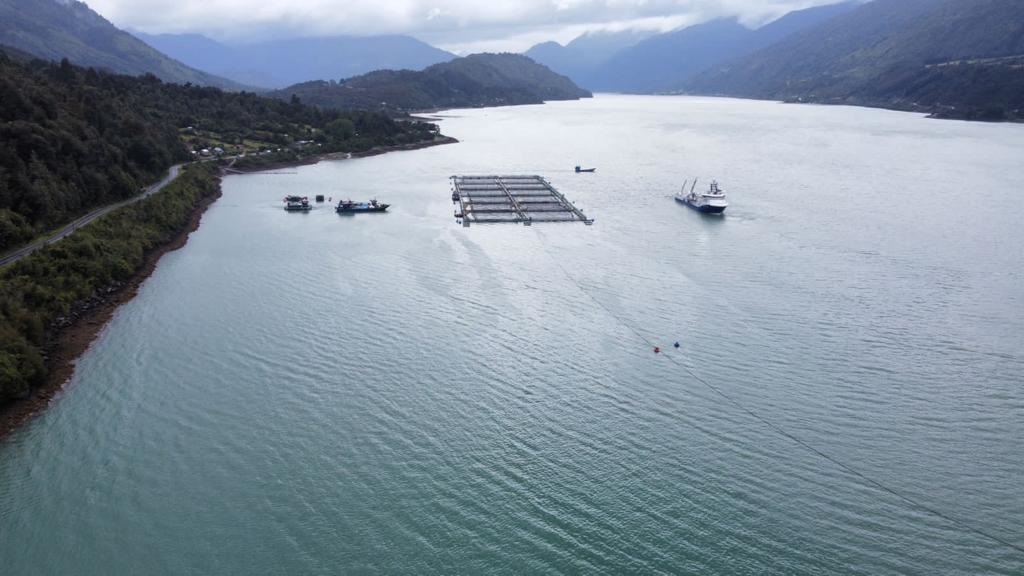
The national director of Sernapesca, Soledad Tapia, emphasized that "this event has allowed us to put into practice the work plans associated, which we have prepared over these five months with the technical agencies of CIICA, to comply with the deadlines and protocols established in the current regulations".
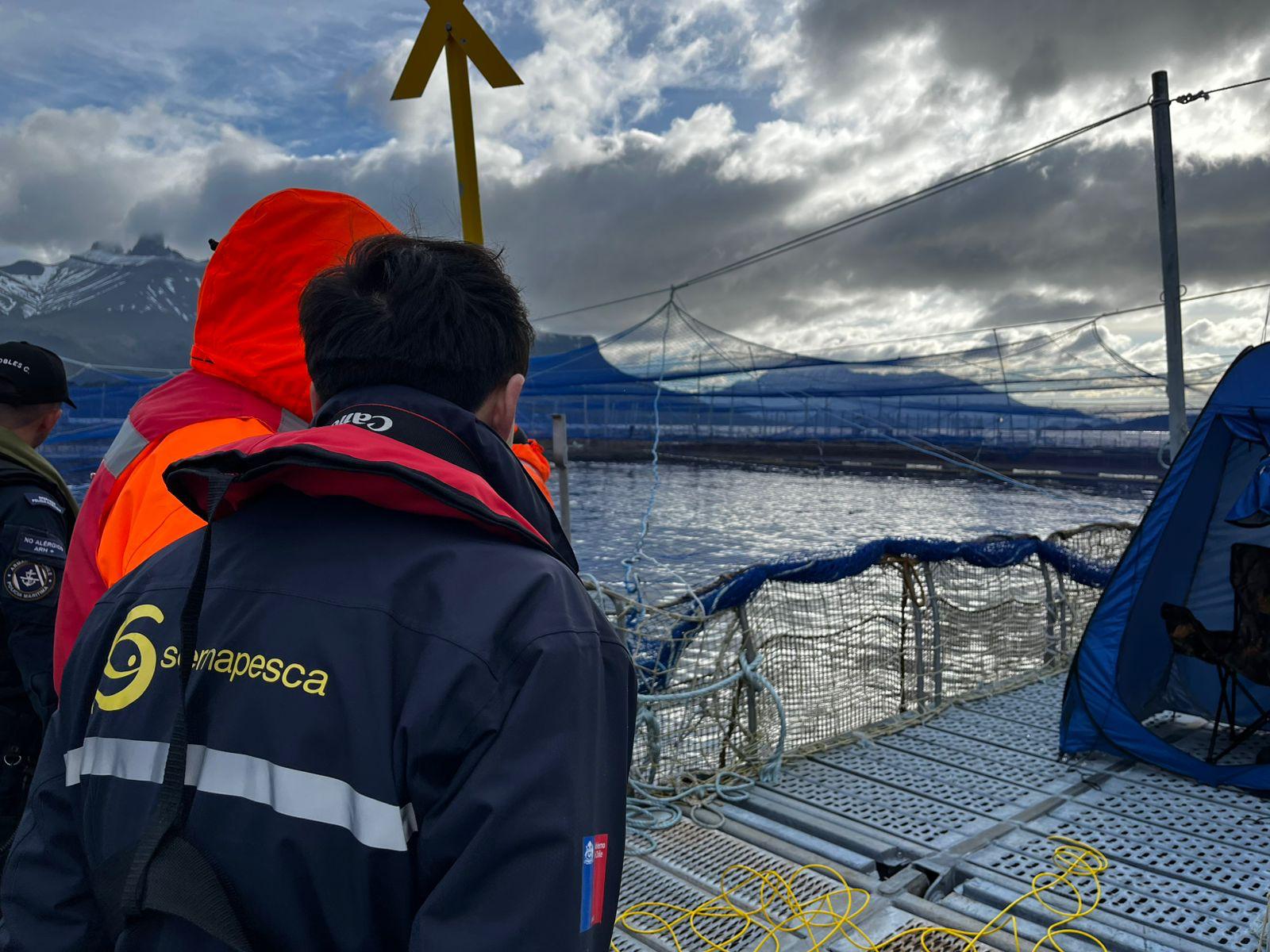
In the same way, he commented that this has been corroborated in audits checking that the logistics for the withdrawal of mortality has been carried out according to the plan. "If we compare it with contingencies from previous years, the coordination has been more efficient, given the fulfillment of plans, the movement of boats associated with the withdrawal of mortality and the treatment of them. However, we must be cautious and continue to improve the procedure to be prepared for events of greater magnitude that might eventually occur," emphasized Soledad Tapia.
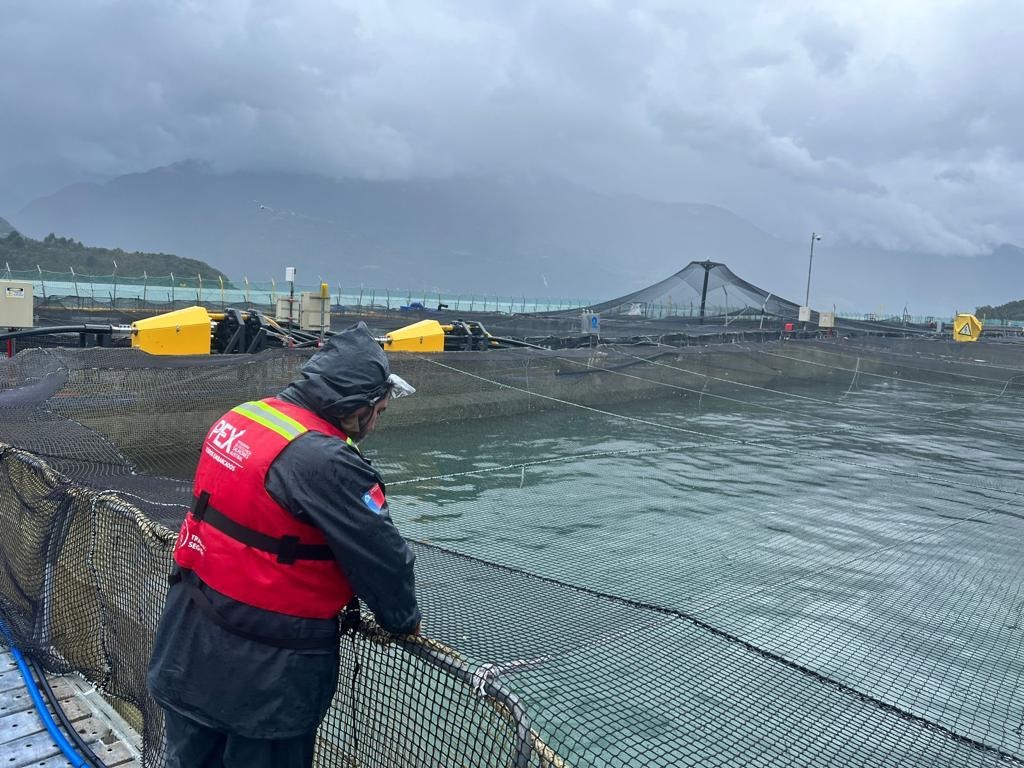
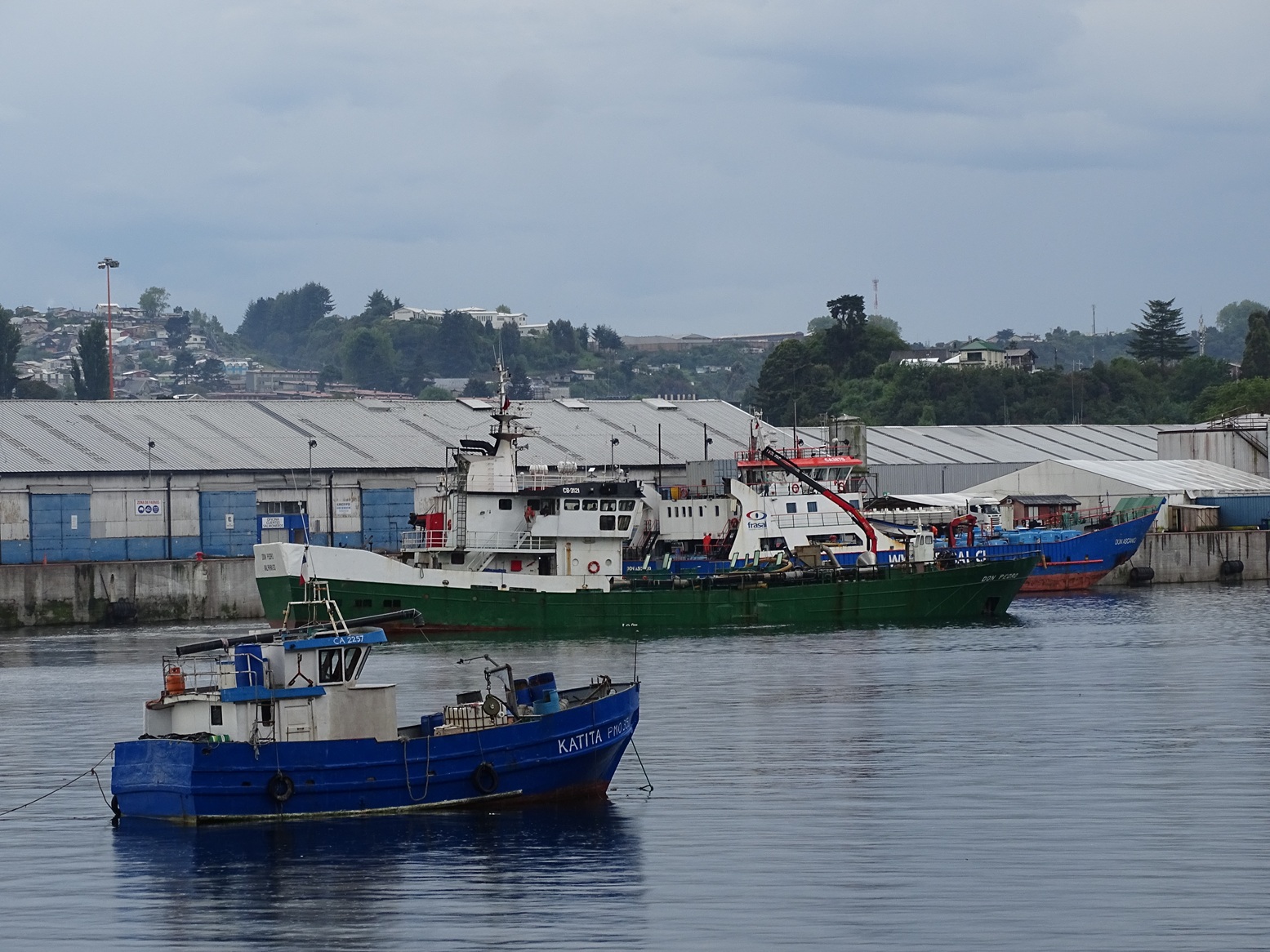
To date, the total volume of mortality reached Approximately 1,500 tons, of which 100% has been removed from the centers and transferred to reducing plants for flour processing, 95% in Los Lagos plants and 5% to the Biobío region.
From the monitoring body reported that while the contingency affected nine centers of cultivation, 60% of the recorded mortality was concentrated in only one concession (890 tons) of the Salmonidae Concessions Group (ACS, also known as "barrio") Number 1.
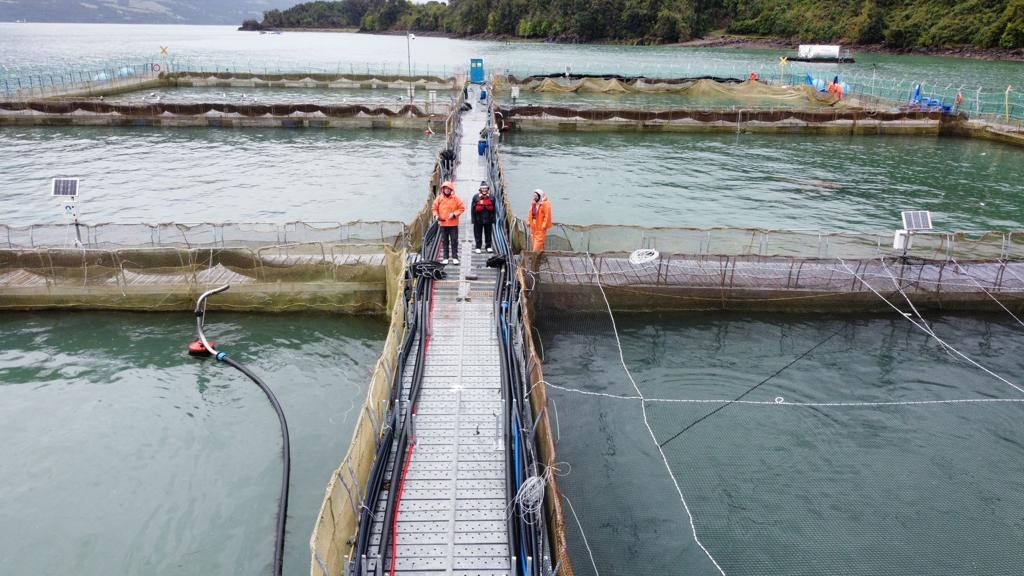
Finally, the authority mentioned that in the framework of the aquaculture pre-alert published on November 8 and added to the possible consequences of the El Niño phenomenon on the Chilean coasts, Sernapesca will maintain monitoring of potential NAF events and mass mortality in salmonid culture centers; this, through coordination at the national level and in regions through the Inter-Institutional Committees on Environmental Contingencies (CIICA).
Read more » What does the aquaculture pre-alert declared by Sernapesca consist of?
Also read » Aquaculture and fishing: Assessing the possible consequences of the El Niño phenomenon
*Photo source: courtesy of Sernapesca.