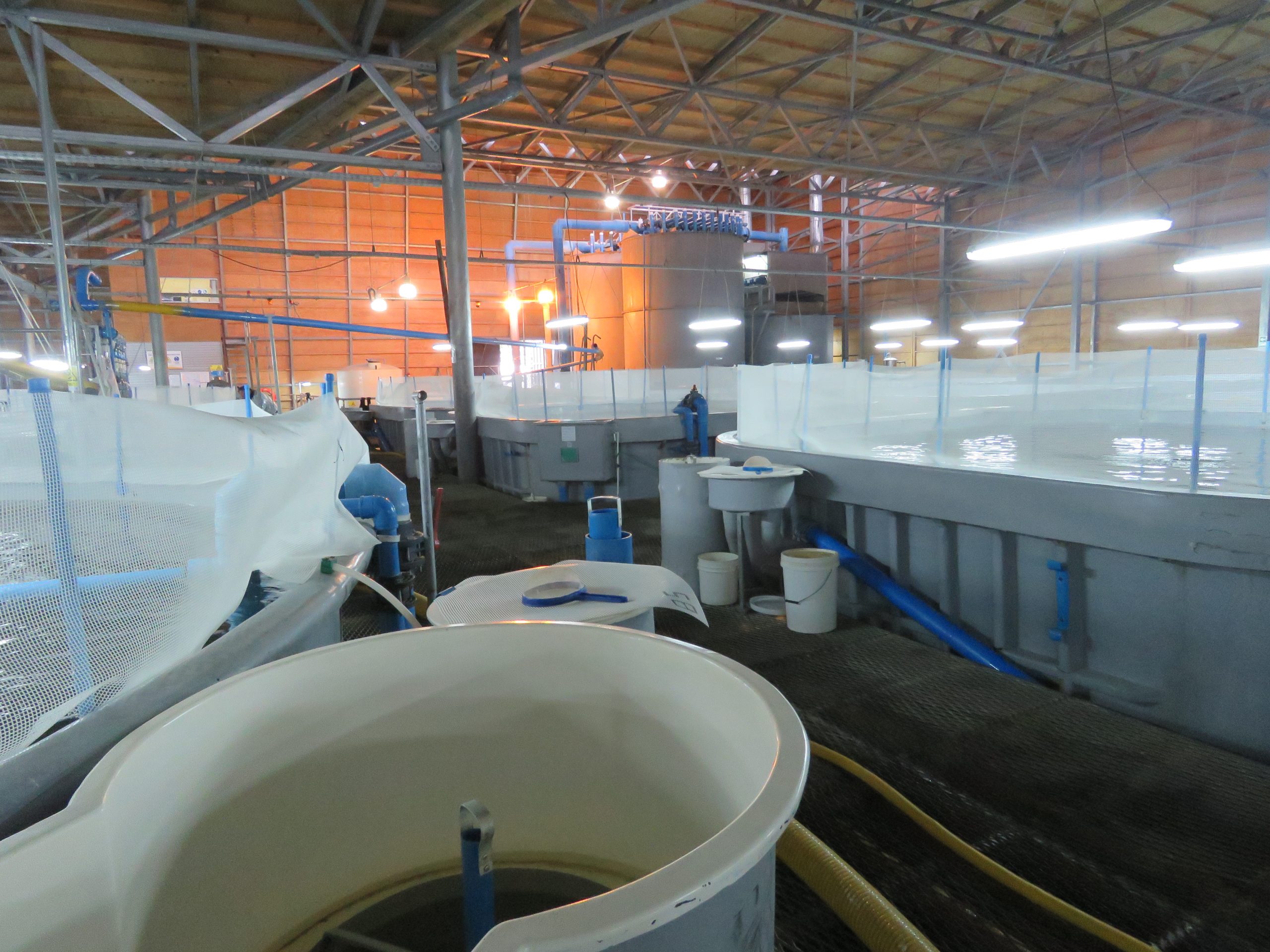
The salmon farming sector has made significant advances in implementing the Clean Production Agreement, signed more than one and a half years ago by 21 companies committed to the cause. The initiative aims to establish concrete, measurable and verifiable actions, to reduce the sector's gaps, especially in relation to the circular economy and climate change.
The agreement, coordinated by SalmonChile and Intesal, involves more than 260 production plant facilities, laboratories and suppliers in the salmon farming value chain. These companies will have to implement 60 actions within a 24 month period.
Among the latest actions carried out within the framework of the agreement, the development of a protocol for the calculation of carbon footprint and water footprint, the implementation of a waste reporting platform and the creation of a good practices manual for the management of waste in offshore operations are highlighted.
Similarly, sustainable projects are being promoted in the territories where salmon farming operates, as well as organizing workshops to deepen the knowledge of those who are part of the affiliated companies in areas such as the circular economy, waste reuse and environmental care, among others.
The president of SalmonChile, Arturo Clément, mentioned that this agreement is a concrete commitment from the productive sector to contribute to Chile's goals of reducing the carbon footprint and aligning with the United Nations Sustainable Development Goals (SDGs).
It is important to note that this agreement is directed at salmon farming companies and their service and input suppliers, with operations in the Los Lagos Region and the Aysén Region, and has the support of INTESAL as the technical counterpart and support. The six main objectives of the agreement are to improve national communication of the concrete actions being carried out in the area of climate change and economy. circular, have access to standardized and quality information on carbon footprint, waste generation of the sector and corporate water footprint, prevent and mitigate greenhouse gas emissions of the sector, design a Climate Project Exchange that allows to offset the environmental impact of companies, promote circular economy actions in the industry and implement community projects of local sustainability.
Also read » COMPANIES ADVANCE IN IMPLEMENTING COMPLIANCE WITH THE CLEAN PRODUCTION AGREEMENT OF SALMON FARMING