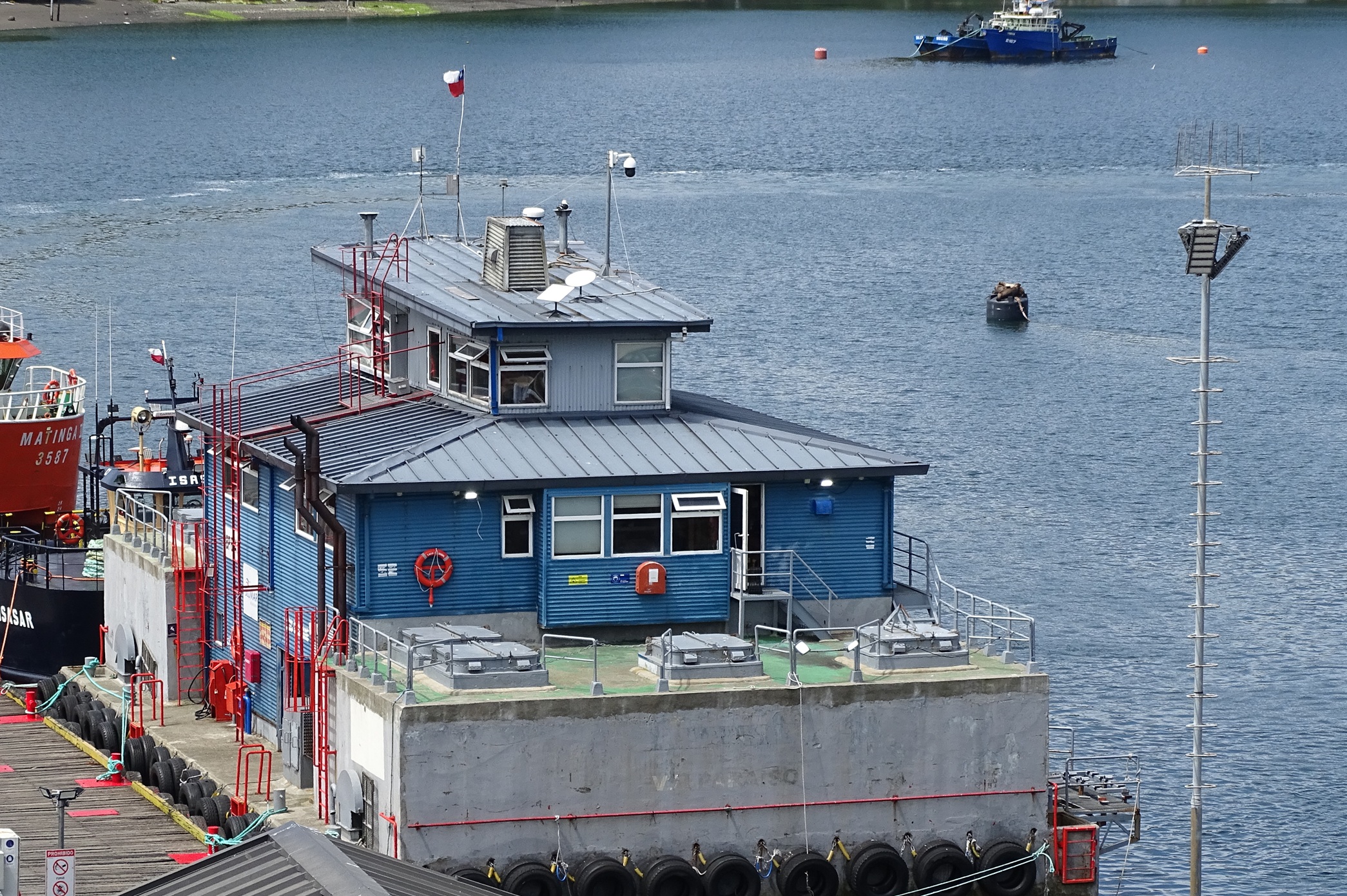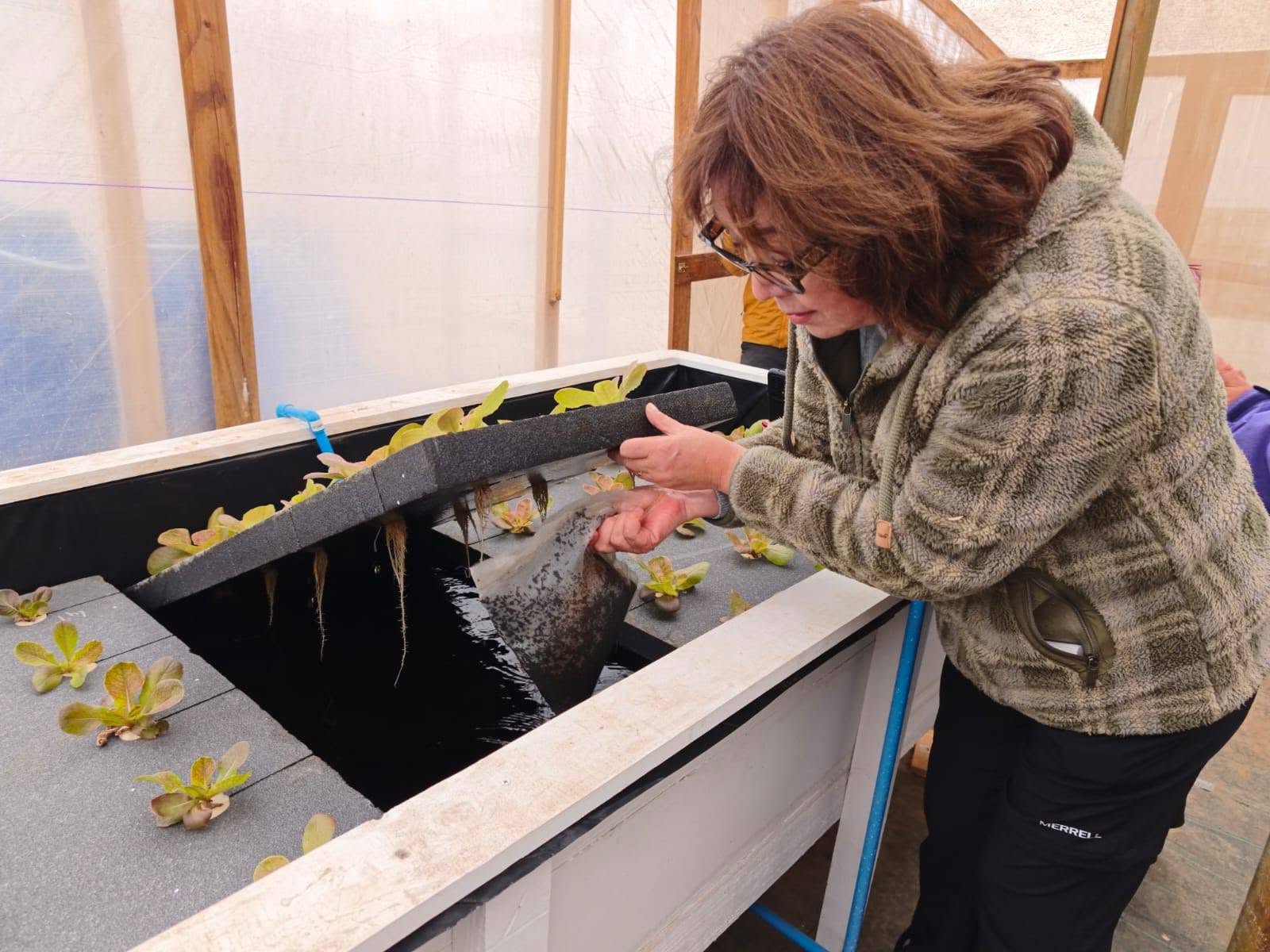
In the meeting the advances in the infrastructure of the hatchery from Chinquihue Foundation.
In a meeting held in the Los Lagos region, which brought together the different actors of Technological programme for the development and sustainable scaling of the cultivation of the Japanese oyster resource (Crassostrea gigas) ( o Japanese Oyster PTEC), the productive advances of the program were analyzed, as well as the potential alliances for the development of the business model portfolio and marketing.
The coordination meeting held in the premises of Chinquihue Foundation, in the city of Puerto Montt, allowed to address various relevant issues related to Japanese Oyster PTEC, an initiative funded by CORFO and led by the North Catholic University (UCN)
The body called upon professionals and researchers from the UCN, as well as to members of the co-executors, the Aquapacific Aquaculture Technology Innovation Center and Chinquihue Foundation.
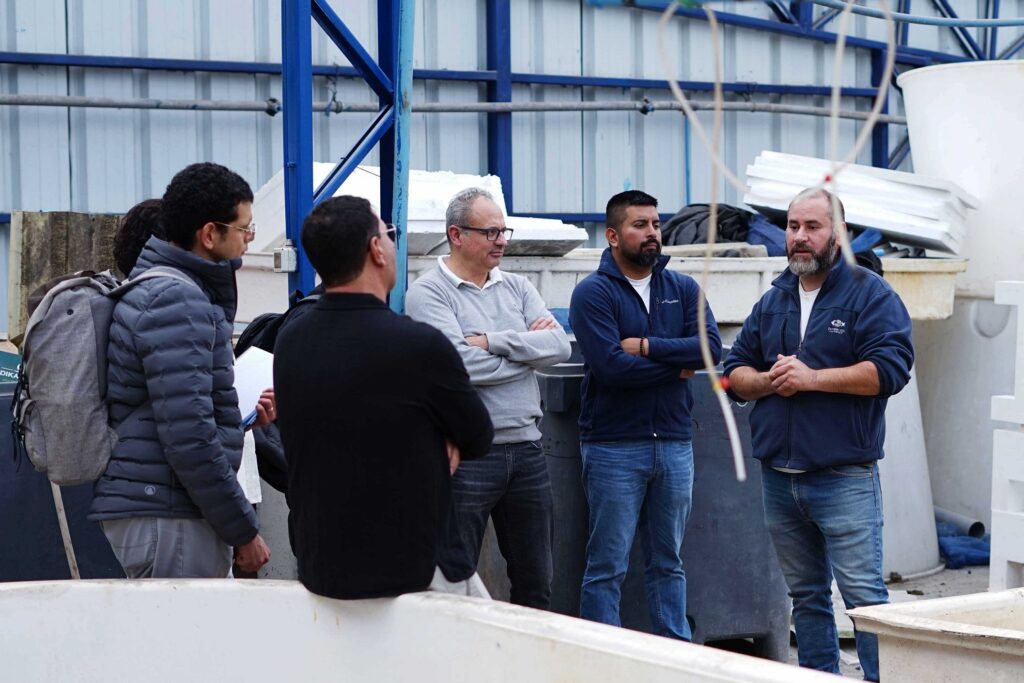
In the session participated Dr. Rodrigo Rojas and Álex Poblete, director and manager of Japanese Oyster PTEC, respectively; Claudia Soto, Executive Director and Daniel Arriagada, Project Manager, both from AquaPacífico Center; Hugo Escobar, business executive of CORFO Los Lagos, while of Chinquihue Foundation Javier Valencia, deputy manager of the area of Innovation and Development, and Jorge Tillería, head of hatchery.
During the meeting we analyzed the advances in the infrastructure of the hatchery Chinquihue Foundation. In that sense, Dr. Rodrigo Rojas explained that “the meeting allowed us to observe the advances in the adaptation of spaces aimed at improving the production of oyster seeds, which will facilitate the project of delivery to those interested in participating in this crop.”
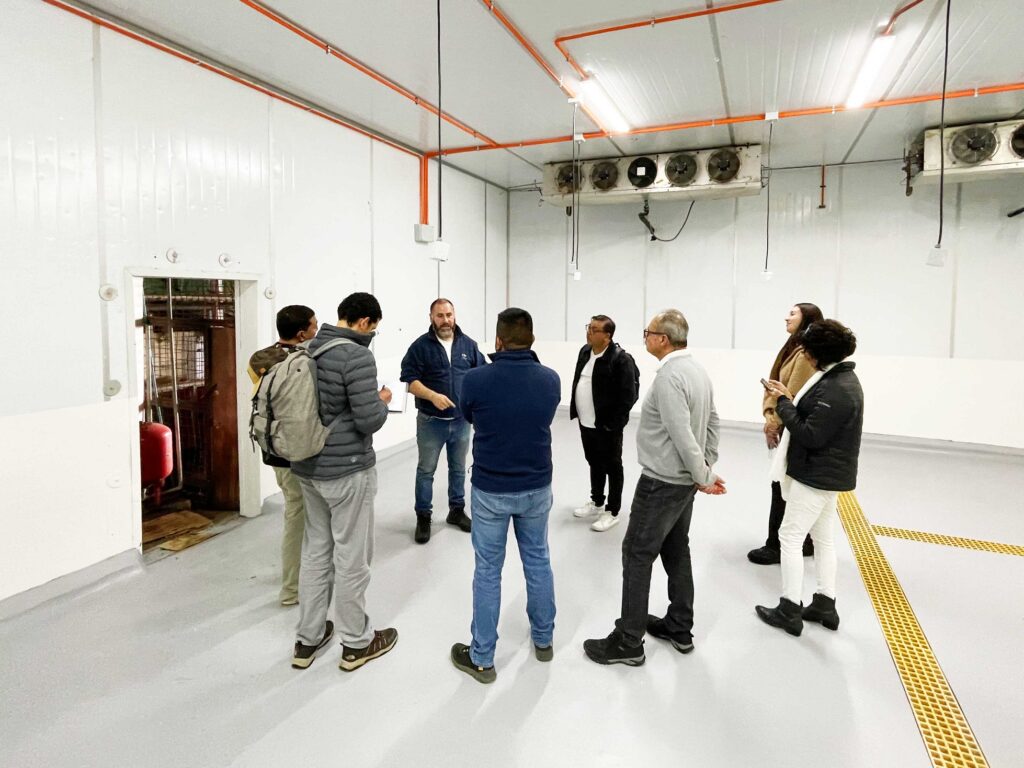
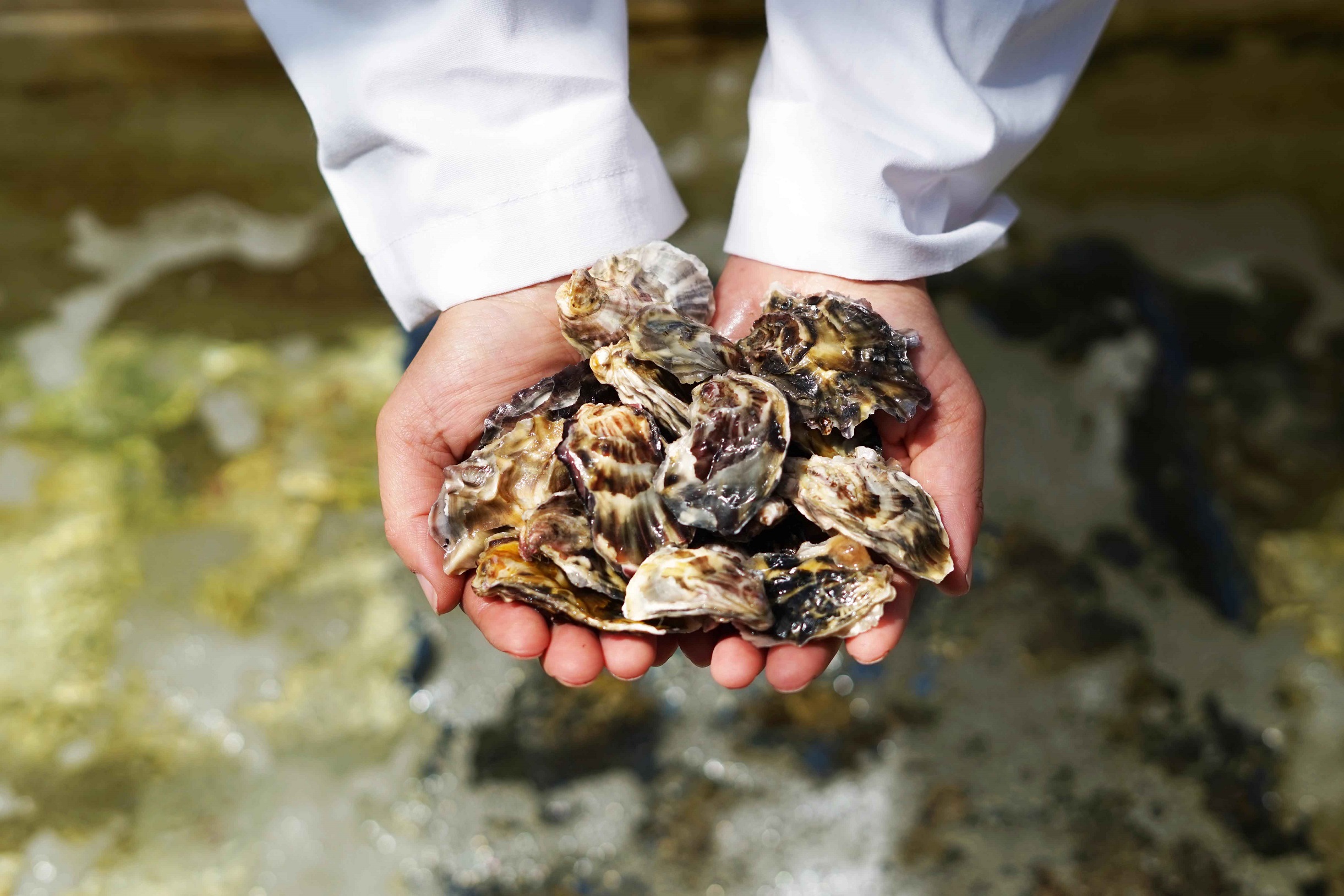
For this project it was envisaged to increase the production of oyster seeds and thus ensure a greater availability of this resource. In this line, Jorge Tillería said that “we have made good progress with the adequacy of the infrastructure of this space, as well as in the purchase of equipment. The idea is to expand our hatchery to double our production and thus contribute to the growth of the Japanese oyster industry in Chile.”
“PTEC has made very good progress from a productive point of view, which is very positive for APEs organizations that demanded oyster seeds. But these good productive results pose other challenges, such as marketing, defining sales channels, sales formats and value aggregation, and how greater demand for the product is activated so that organizations continue to produce in a sustainable manner in the time,” emphasized Claudia Soto.
Portfolio N°5: Business and Marketing Model
As proposed by the director of AquaPacific, the center as co-executor of the program, will take charge of everything regarding the promotion of consumption, design and implementation of the business and marketing model, which corresponds to the so-called portfolio N°5 of the Japanese Oyster PTEC.
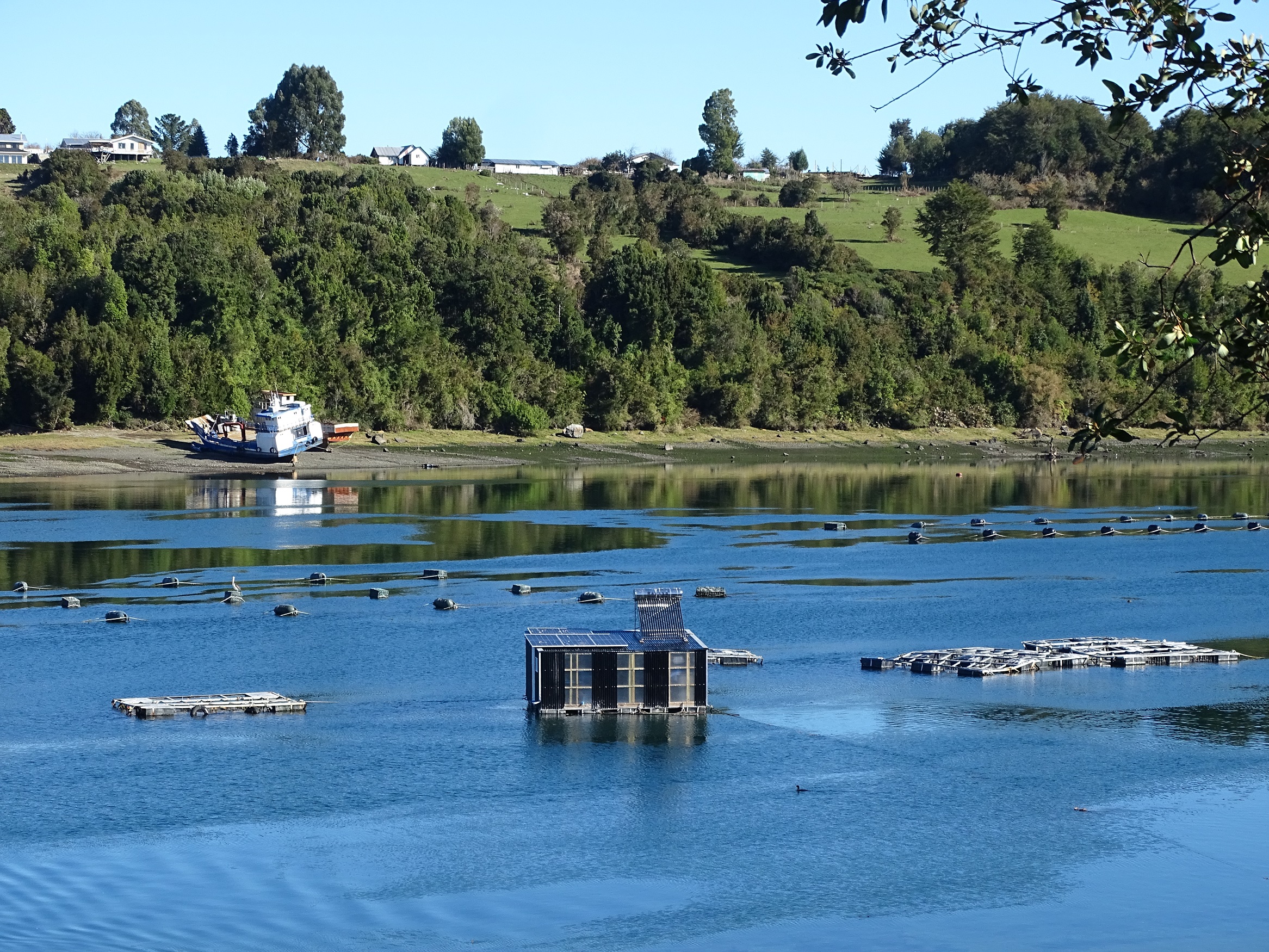
Claudia Soto pointed out that “we were interested in knowing the work done by Chinquihue Foundation regarding its prototyping room for the production of preserves and other products with added value, also what was done with micromodules -like the one we had the possibility to know in Caleta Rollizo-, and to see what kind of alliance we can do so that the work done by the foundation can contribute to the result of products with added value within our portfolio.”
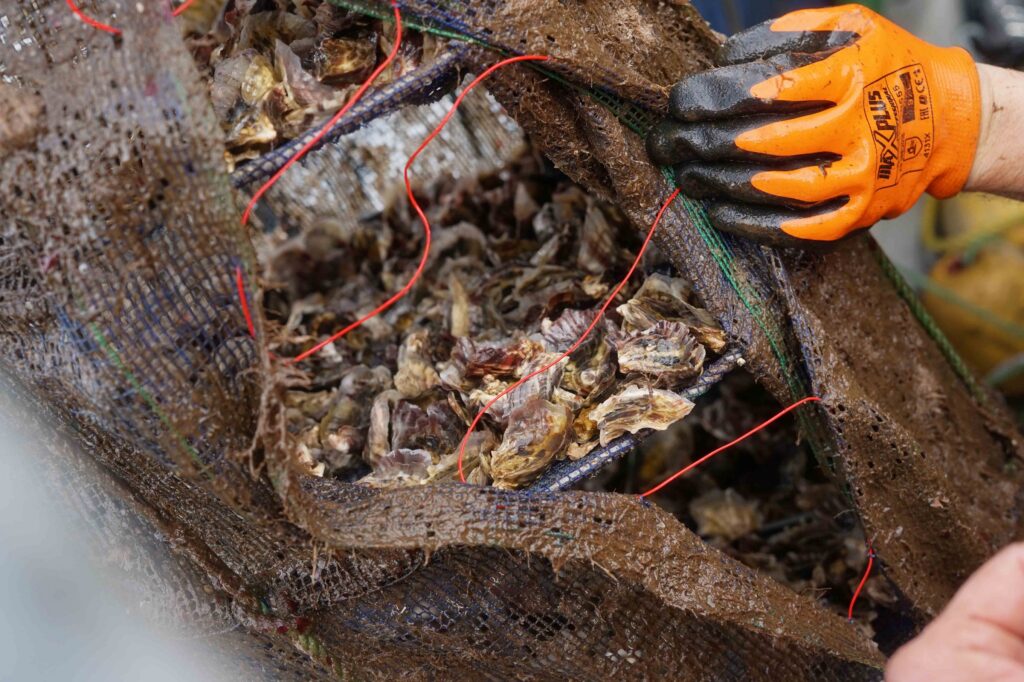
For his part, Dr. Rojas said that “the meeting allowed to reaffirm the support of Chinquihue Foundation in portfolio No. 5 of the program, specifically as regards the use of its process room of marine products, for the preparation of oyster-based products with added value.”
To date, the program has delivered just over two million seeds to producers and organizations located in the regions of Tarapacá, Antofagasta, Atacama, Coquimbo, Biobío, Los Ríos and Los Lagos; all these seeds have been produced in the Central Marine Crops Laboratory of the UCNIn Coquimbo.
Workshop in Chiloé
In addition, Japanese Oyster PTEC He made several visits to fish farmers in the Los Lagos region and also organized the workshop "Technology transfer for the cultivation of oysters", in the commune of Ancud.
During the event, the exhibitions were in charge of Dr. Rojas, Dr. Jesús López, professional Germán Lira and Lilian Alfaro, journalist of the Japanese Oyster PTEC.
During the meeting, the exhibitors delved into key topics for the management of Japanese oyster seed, addressing aspects such as folding, biometrics, the use of logbooks, the cultivation modules, as well as the social impact of the program in the area.