"Through the various consortia and technological programs, we want to support the strengthening and diversification of Chilean industry, based on productive technological development," the State institution said.
Recently, the Directorate of Technology Programmes (DPT) of the Management of Technological Capabilities (GCT) of the Corporation for the Promotion of Production of Chile (Corfo) published his Annual Book for 2023 considering the following sectors and areas: aquaculture diversification; water management; energy; mining; food; packaging; wines; climate change; fruit-growing; agriculture; artificial intelligence (AI); biomedicine; advanced manufacturing; hydrogen; and wood.
In Book 2023, Corfo highlighted that the DPT aims to foster collaboration between companies and various entities to address the technological development of productive sectors.
Currently, they are 41 programmes and consortia working on it by identifying common gaps and opportunities.
“The extensive portfolio of the Directorate addresses various productive sectors, beneficiaries and territories, and this Book 2023 aims to summarize the main advances, results and contribution to the strengthening of ecosystem based on knowledge and productive innovation”, detailed the State institution created in 1939, explaining that, “through the various consortia and technological programs, we wish to support the strengthening and diversification of the Chilean industry, starting from the technological development productive.”
And for this, the current Department of Technology Programs of Technology Capacities Management “is made up of a first-level human group, highly qualified, specialized, peer-to-peer and with a great commitment to his work,” added Corfo.
Synergy between agriculture and aquaculture
Among the success stories highlighted in the most recent Book is the Technological Program for Local Production of Nutritional Inputs for Aquaculture (PTEC-INVA) the fundamental objective is to create a enabling platform support for the production and use of nutritional vegetable inputs from rotational crops in the southern and southern macrozone of Chile as sustainable source of proteins and oils, which may be scalable, cost-effective and environmentally effective for use in the development of Salmonidae diets.
In addition to highlighting that the PTEC-INVA, which has just begun its third year of implementation of a total of five, is in a Technological Maturity Level (Technology Readiness Level, TRL) of 7 -the scale goes from 1 to 9-, Corfo's DPT assessed that the cutting edge of aquaculture research focuses on the meticulous identification of species of legumes designed to conform protein nuclei of high quality specifically designed to nourish the salmonid species.
At the same time - the DPT added - the Programme addresses the challenge of identifying the oilseeds more convenient places in nutritional, health and cost-effective terms.
“In this line, the PTEC-INVA approach not only seeks to enhance fish performance and development, but also to raise fish standards. comprehensive health in the field of aquaculture,” said Corfo, who at the time of disseminating the scope of this technological program led by the company Antarctic Salmon has reiterated: “The consortium generated from the PTEC-INVA counts with the participation of relevant actors of the aquaculture chain in all regions of the southern zone, which includes, in addition to all the benefits for salmon growers, agricultural producers from surrounding communities, who will be directly benefited by the activities of technology transfer and commercial development, thus demonstrating the shared value and the objective of generating a third industry based on the synergy between the agricultural and aquaculture sectors”.
Read more » Aquaculture stands out among programs and consortia driven by Corfo
Also read » Deputy Director of PTEC-INVA assumes position as Director of INIA Carillanca
Co-executors and promotion area
The co-executors of PTEC-INVA are the Agricultural Research Institute (INIA), the Food Technology Innovation Center (CeTA)laboratory VeHiCe, Saprosem (Agrotop), the Catholic University of Temuco (UCT) and the University of Chile (University of Chile).
The area of productive development, meanwhile, is focused on the regions of Araucania, Los Ríos, Los Lagos, Aysén and Magellan.
For more information, click here.
And if you want to know each of the success stories highlighted by Corfo, Download below the full DPT Book:
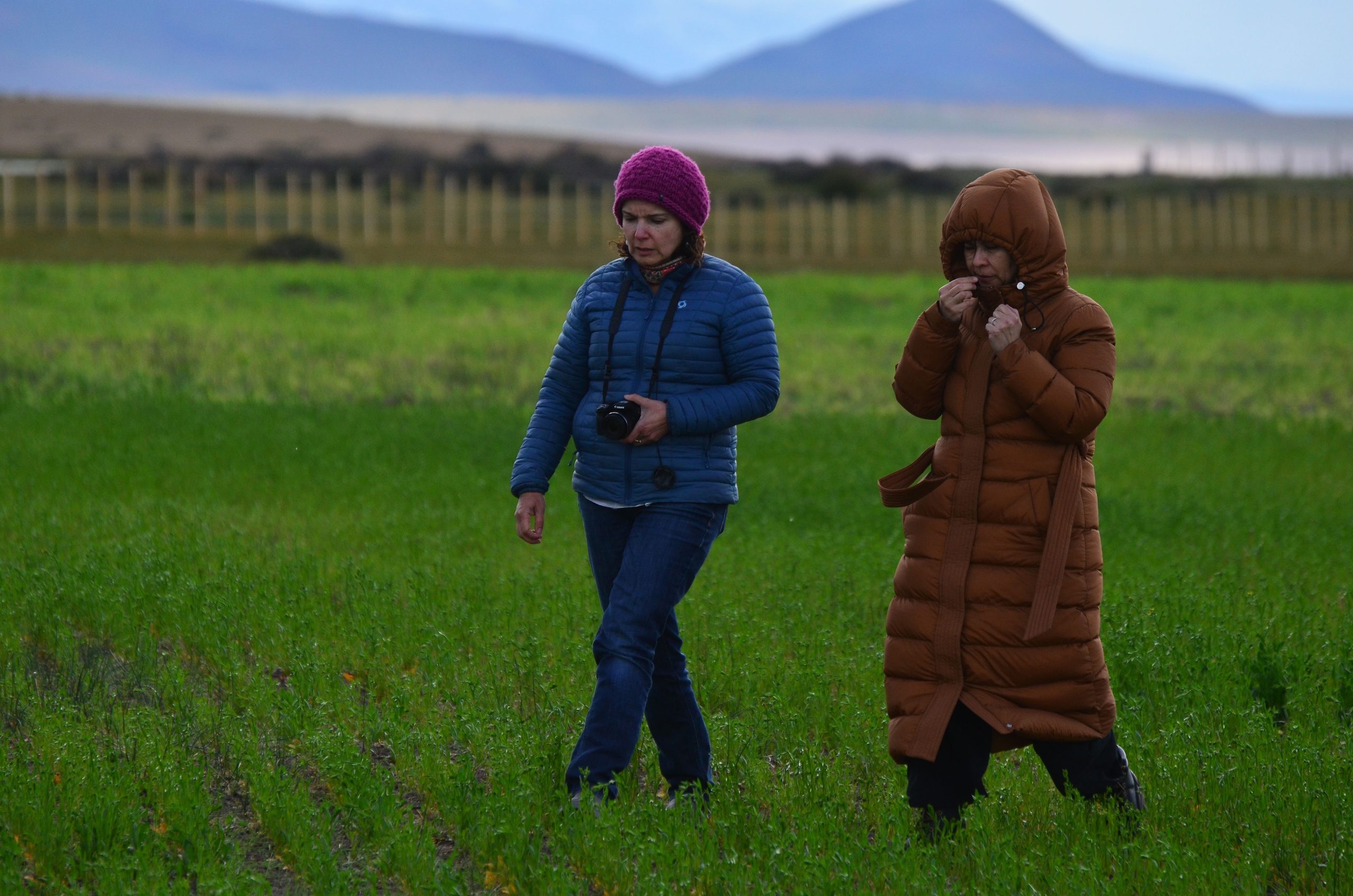
*Credits of the featured photo: Dr. Daniel Nieto Díaz-Muñoz, manager of PTEC-INVA.