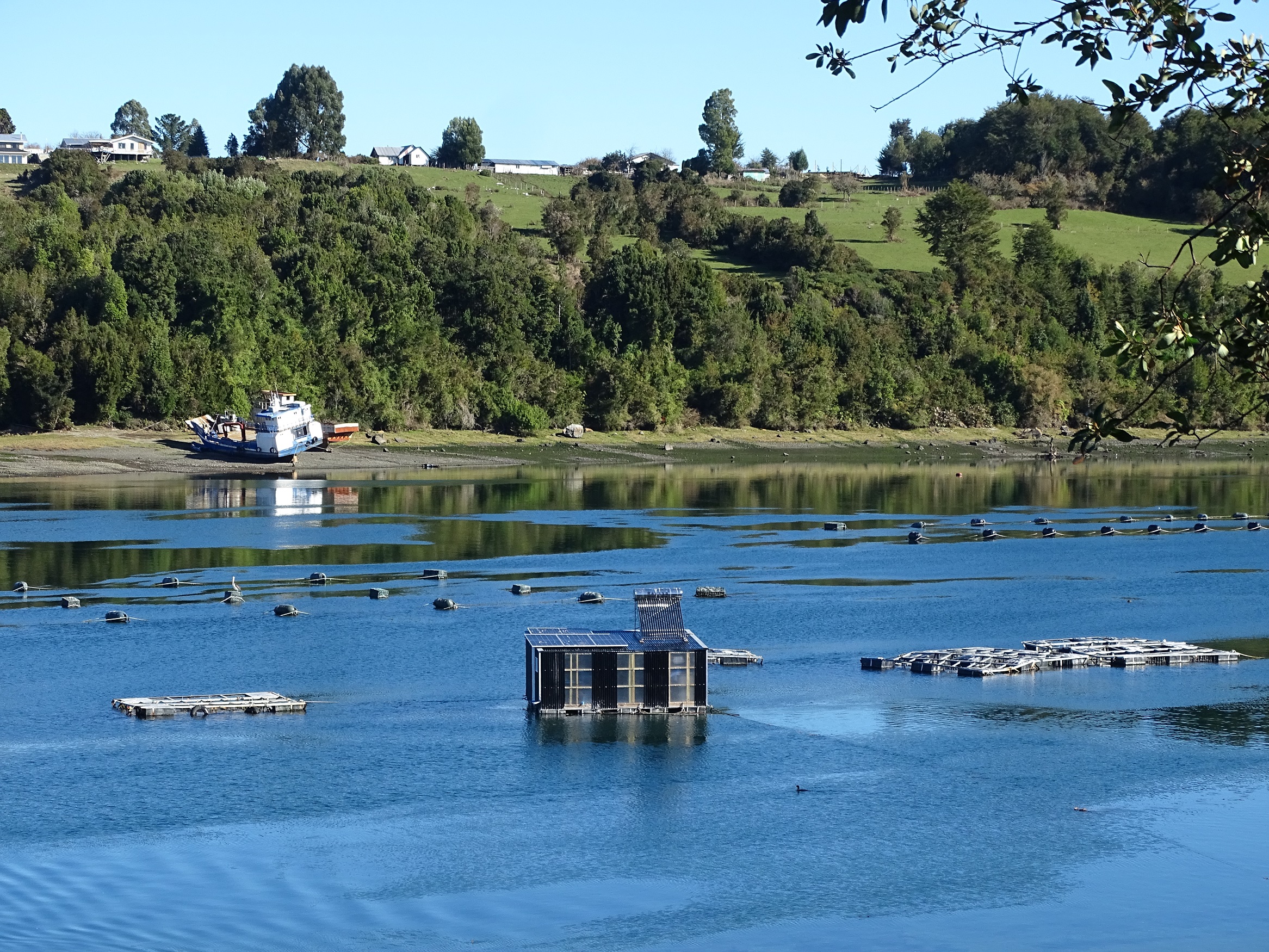
Since July 2025, the AcuyMinAgro team has maintained permanent work in the large north of the country, consolidating a sustained presence in coastal communities and strengthening direct work with organizations in the territory.
AcuyMinAgro is an initiative implemented by the Universidad Católica del Norte (UCN) that seeks to contribute to addressing the effects of climate change through innovative solutions with territorial impact in arid areas of Chile.
In this context, the project team, led by Dr. Jesús López Carvallo, made up of professionals from different areas, held meetings between 12 and 16 January with fishermen's unions and divers from the Antofagasta region.
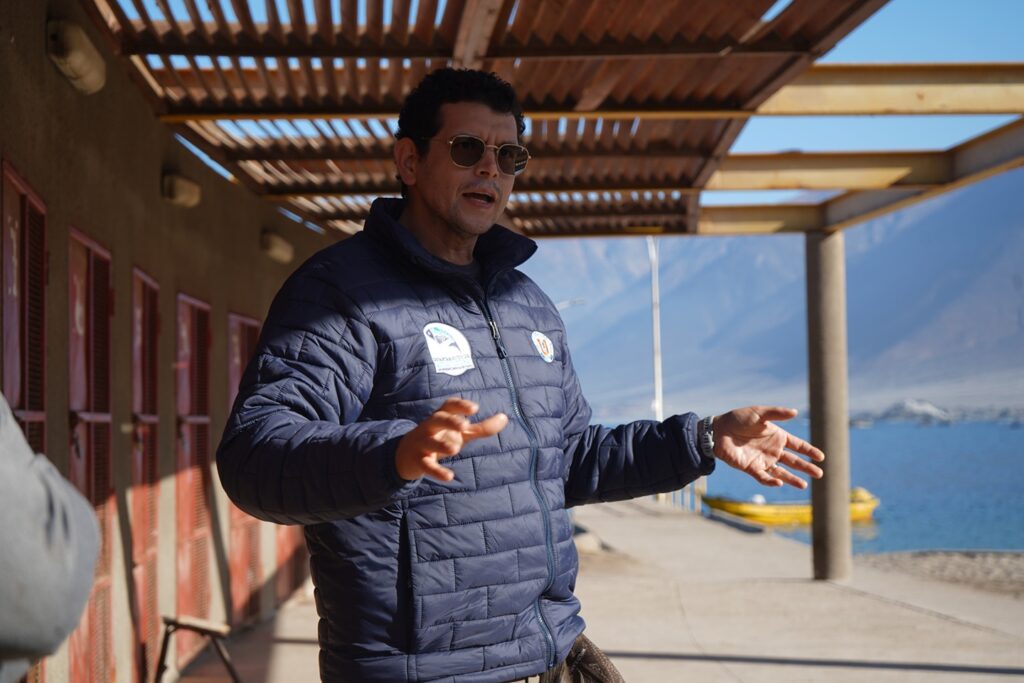
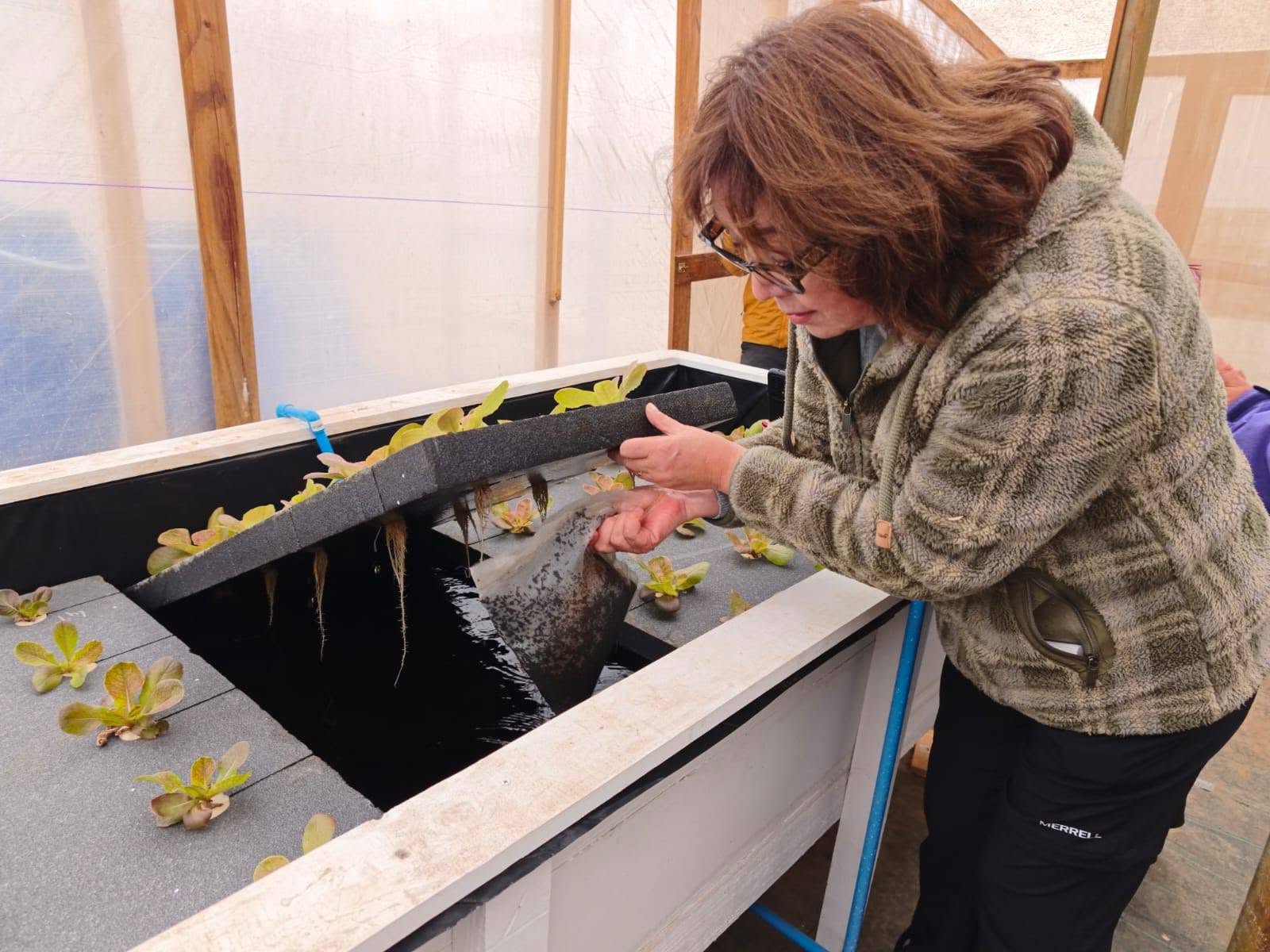
These activities are part of the project's work with organizations in the territory to strengthen production processes in areas where the availability of fresh water is limited. Within this framework, the initiative promotes a balanced coexistence between fisheries, aquaculture, mining and agriculture, with a territorial perspective aimed at the sustainability of resources.
Cifuncho: Technology and innovation in a desert environment
The tour began with a technical visit to the Hatchery of the Sindicato de Trabajadores Independientes (STI) of Fishermen and Divers Mariscadores de Caleta Cifuncho, space located in the interior of Minera Las Cenizas, specifically in the Las Luces Plant, located approximately 25 kilometers southeast of the commune of Taltal.
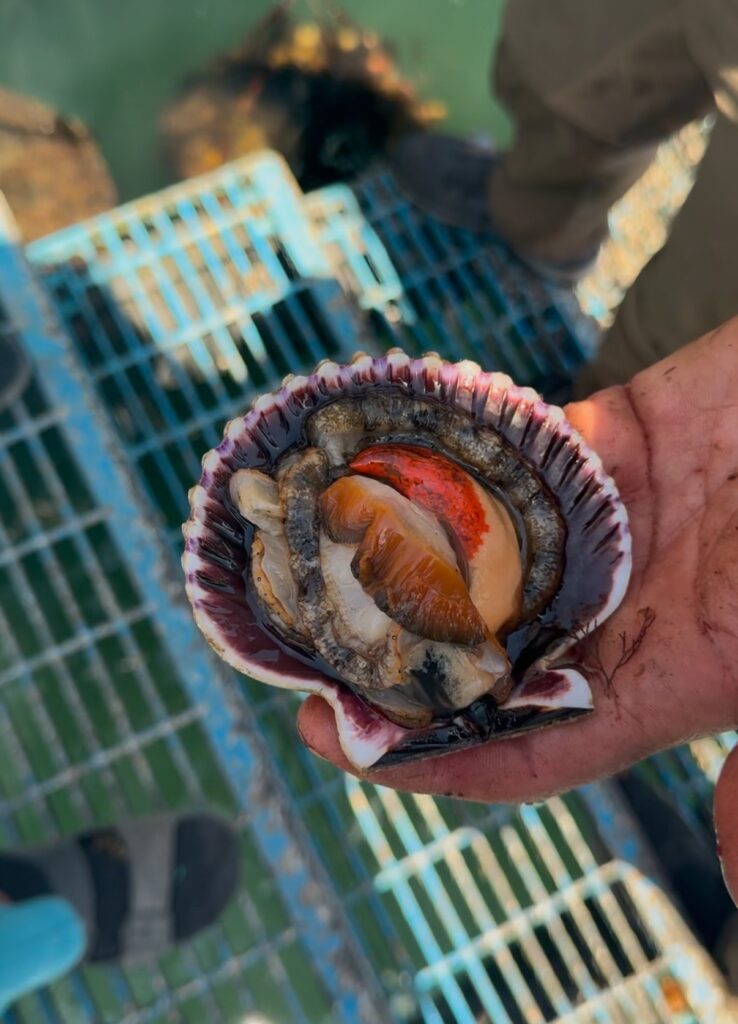
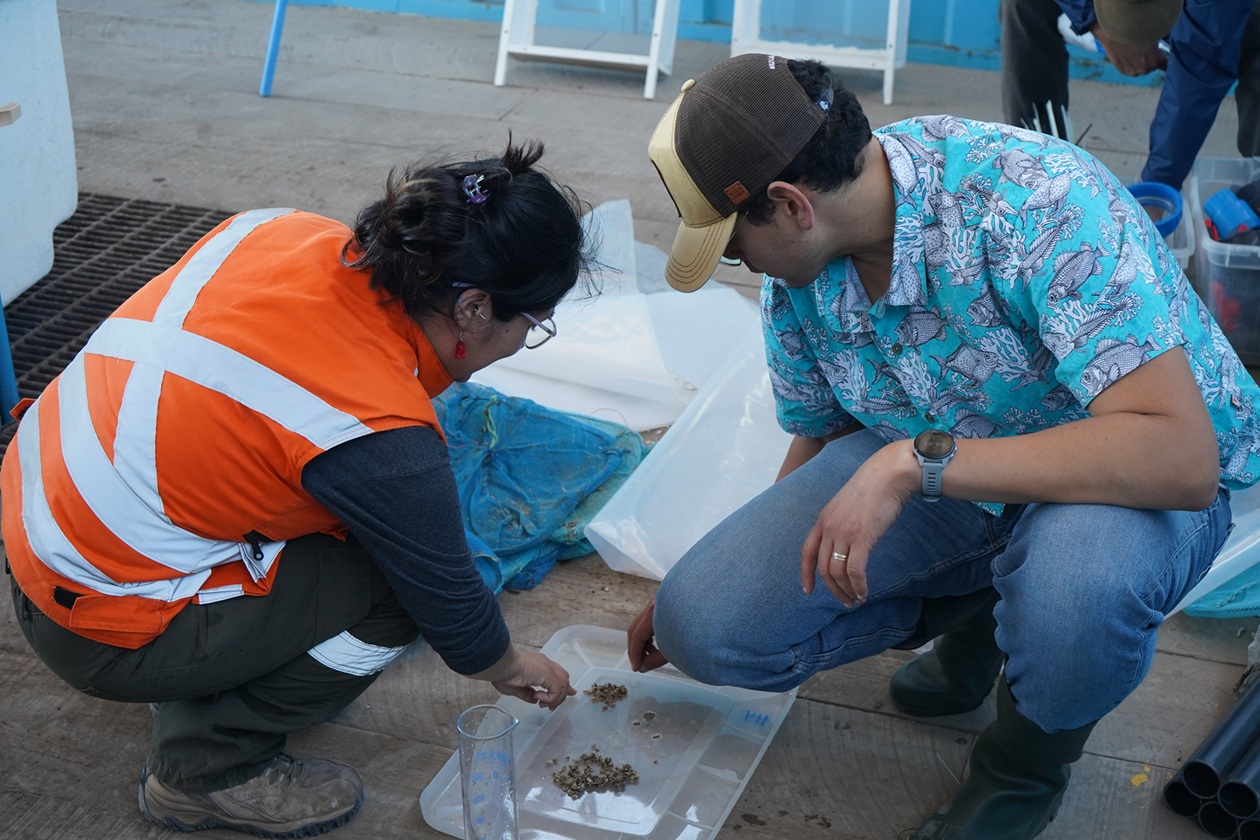
During the day, the team carried out various actions aimed at strengthening the productive capacity of the hatchery, especially in the feeding, fixing and management processes of oyster and osthion seeds.
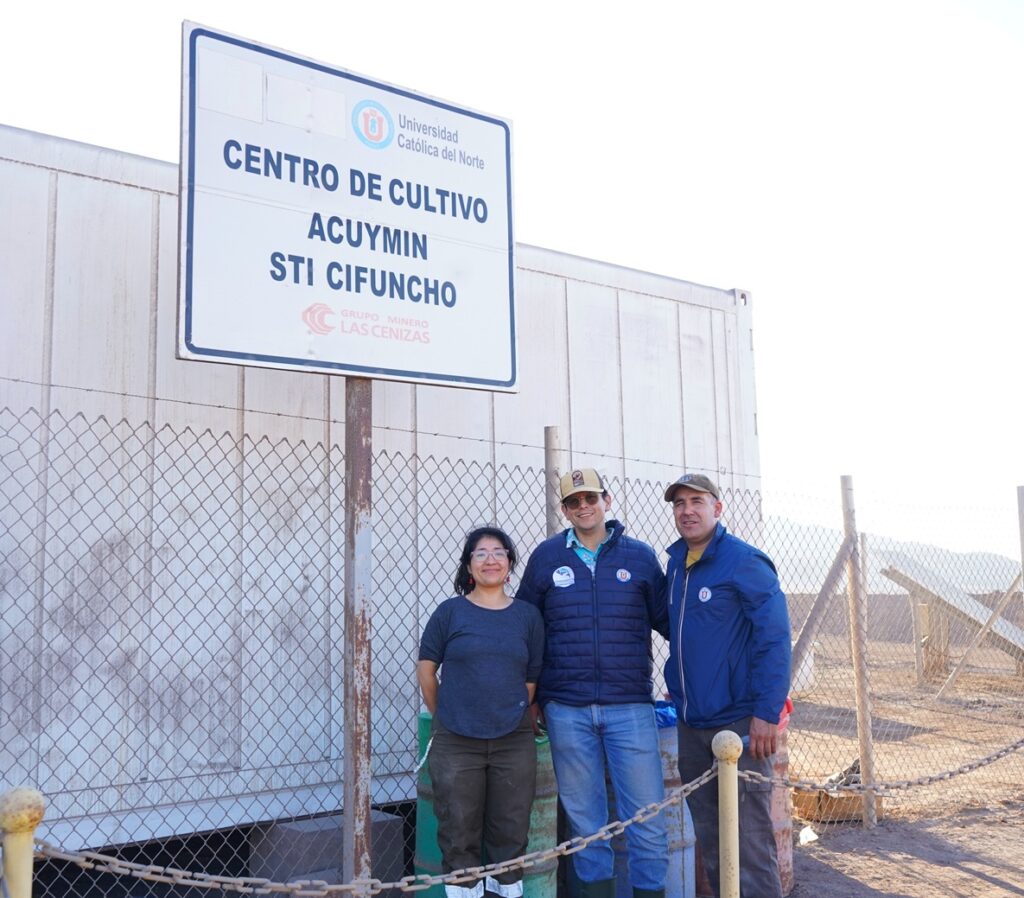
Regarding the challenges of developing aquaculture in arid areas in the north of the country, Natalia Godoy Alfaro, an aquaculture engineer and head of the Hatchery of the Sindicato de Pescadores de Caleta Cifuncho, stressed that “one of the main challenges of aquaculture in the north of Chile is to produce in an arid and remote territory. We are in the middle of the desert, and having the support of mining has been key, especially in the marine water supply and operational technical support.”
Also, during this visit, Germán Lira Godoy, researcher of the project, implemented a new technology for the cultivation of oyster and osthion in hatchery, a milestone that positions the union organization as a pioneer in the incorporation of this type of productive innovations at the regional level.
Joint work with organizations in the territory
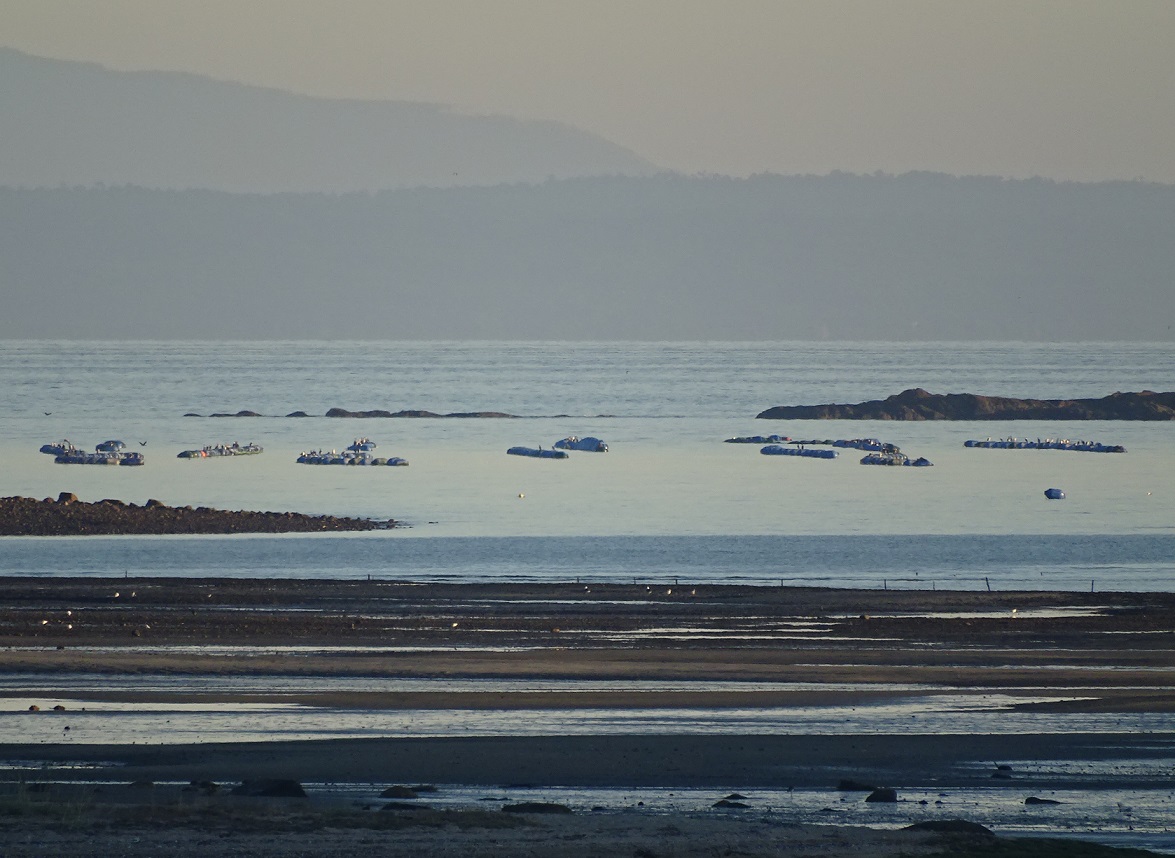
The tour continued with a meeting with the Sindicato de Buzos Mariscadores de Caleta Constitución, an organization that on a previous visit received 5,000 ostion seeds from the UCN project.
Its members have participated in trainings in land, where they have known different cultivation systems and learned techniques of braiding, closing and mooring. In this regard, Jorge Mella Bahamondes, president of the union, valued the joint work and stated that “the support of the Catholic University of the North is fundamental, we are learning from them, since they are teaching us how to breed and reproduce the ostion, and thus we strengthen our organization.
Subsequently, the team held a meeting with the Sindicato de Buzos y Ramos Afines de Taltal, an organization made up of 34 partners, in which the main scope of the project was presented and doubts of its members were resolved.
Finally, a meeting was held with the Sindicato de Caleta Paposo, where a group of women actively participate in the cultivation of oysters and oysters. This group had previously received 1,500 seeds, which allowed progress to be made in its production process. In this context, Dr. López pointed out that “aquaculture can also be understood as a strategy to bring the sea closer to the community, since it allows to reconcile the work associated with marine resources with land-based work”.