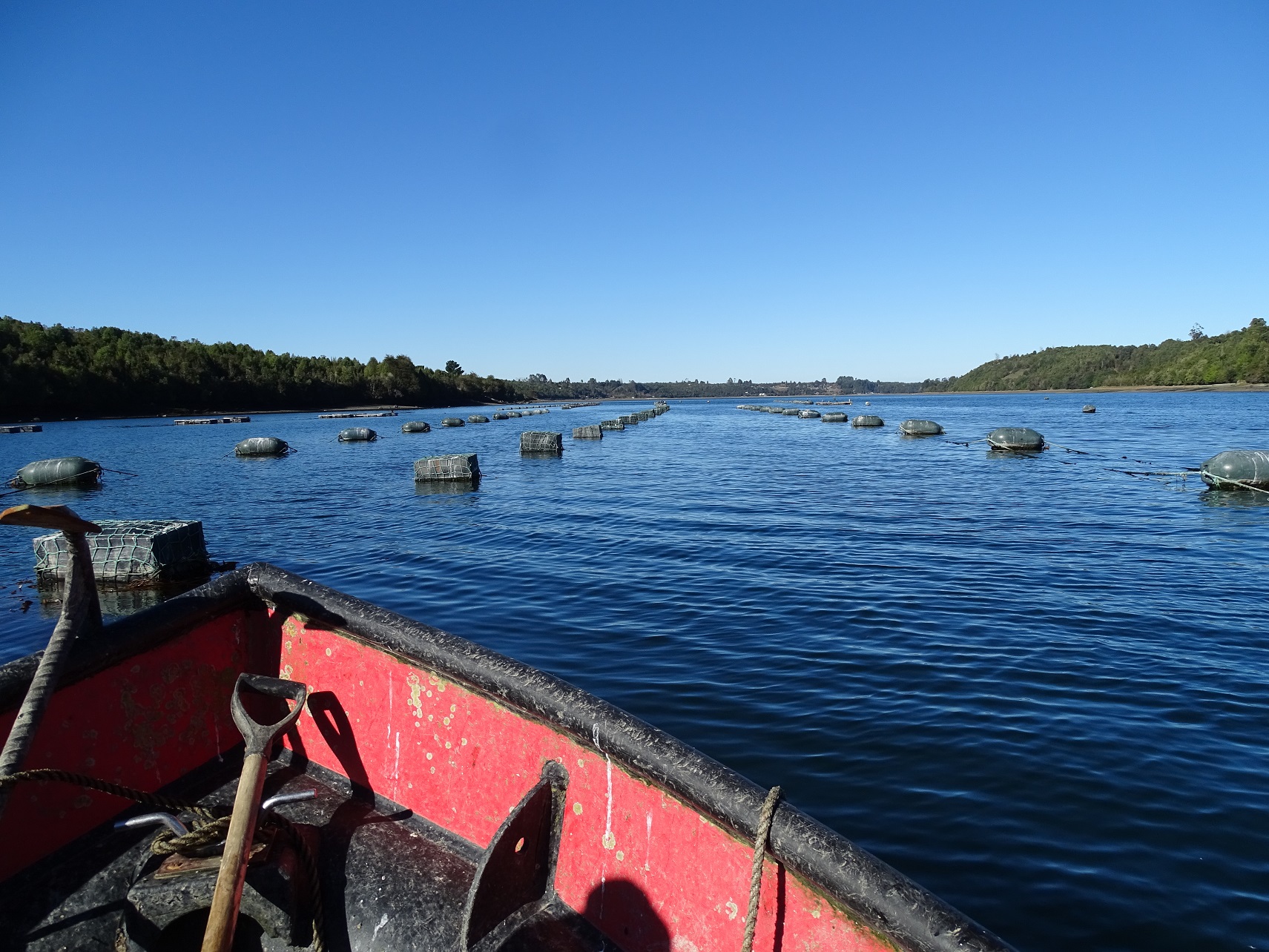
The citizens' consultation link will be available until April 4th, and takes place in the framework of the implementation of the Small Scale Aquaculture Regulation (SAP), a regulation promoted by Subpesca, which seeks to ensure proper control of environmental impacts in this sector.
Within the framework of the citizens' consultation period of the preliminary draft reform of the Environmental Impact Assessment System (SEIA), it is proposed to increase annual production from 500 tonnes (t) to 700 tonnes of macroalgae projects and another increase from 300 tonnes to 500 tonnes of projects including filter molluscs.
The proposal to extend the entry thresholds to the EEAS is a historic yearning of the aquaculture sector and is based essentially on the implementation of the Small-scale Aquaculture Regulation (SME) - a policy of the European Fisheries and Aquaculture Subsecretariat (Subpesca)- which ensures proper control of environmental impacts and specifically recognises this important sector.
It is important to note that the APE Regulation is a Sub-fishing regulation that authorizes the development of aquaculture activities according to their production systems and not to the cultivated species and that, among its particularities, it is also the first to have inclusive language. This regulation also regulates the various provisions (environmental, sanitary and operational) to which the exercise of aquaculture is subject. Small scale, and it fits - and is made proportional - to the low environmental impact of the activity.
The consultative process, led by the Ministry of the Environmentcorresponds to the second phase of the reform to Supreme Decree No. 40 of 30 October 2012 of the Ministry of the Environment that "approves regulations of the Environmental Impact Assessment System" ("RSEIA"). This instance seeks to update the list of typologies of projects or activities, according to which the entry to the Environmental Impact Assessment System ("SEIA") is determined, and the regulation of environmental permits sectorial ("PAS"), around its classification, evaluation and award.
The Aquaculture Division of the Undersecretary expects a wide participation in this consultative process, especially from the scientific world and aquaculture guilds, who can provide even more background to support this proposal. By implementing this recommendation, they explain, it would be possible to economically and socially boost APE projects, since it is an initiative that is not retrogressive to the environment.
The consultation, which began on Friday, February 7, will be available until April 4, and can be accessed directly at the following link: https://consultasciudadanas.mma.gob.cl/portal/consulta/181