Tour took place between June 2 and 13, in the United States and Mexico, where professionals toured various crop centers, universities and research units.
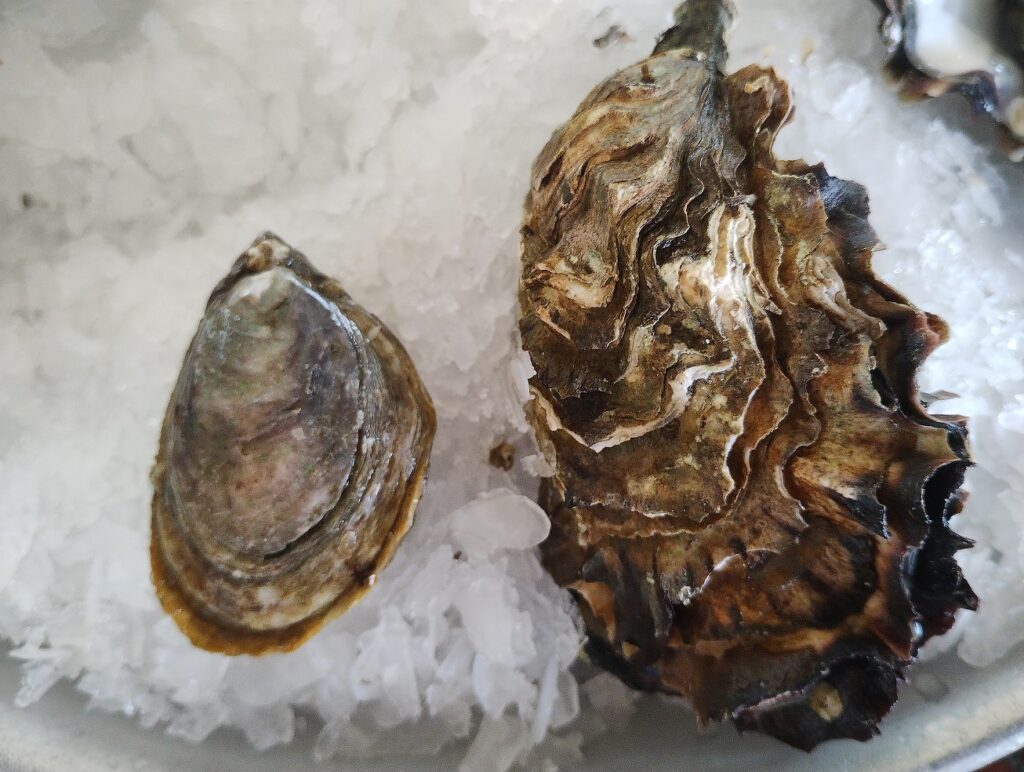
The Technological Program of Aquaculture Diversification in the Japanese Ostra Resource, an initiative that is implemented by the Catholic University of the North and financed by Corfo, has within its objectives the reactivation of the oyster industry in the national market through the incorporation of this resource.
In this context, the researchers of the Japanese Ostra PTEC, Dr. Jesús Lopez and Mg. Germán Lira, in the company of Claudia Soto and Daniel Arriagada, director and project manager of Aquapacifico, which is co-executor of the program, began the tour by visiting Taylor Shellfish Farms, an important North American company dedicated to the production and sale of bivalve molluscs, located in Seattle, Washington.
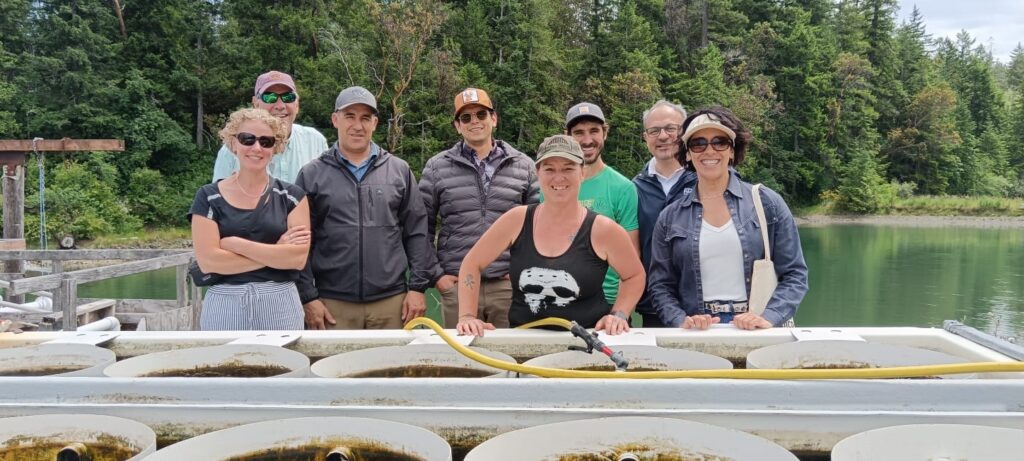
During their tour of the United States, they also visited Hama Hama Oyster Company, Chelsea Farms Flupsy, among others dedicated to the production of this resource.
Regarding the technologies implemented in the cultivation of Japanese Ostra in the United States and Mexico, researcher Mg. Germán Lira pointed out that we were able to appreciate technologies and protocols from a productive point of view that are very similar to those used in our country, this allowed us to discover certain systems that could be implemented or adapted to improve our own protocols and thus increase our rates of production in Chile.
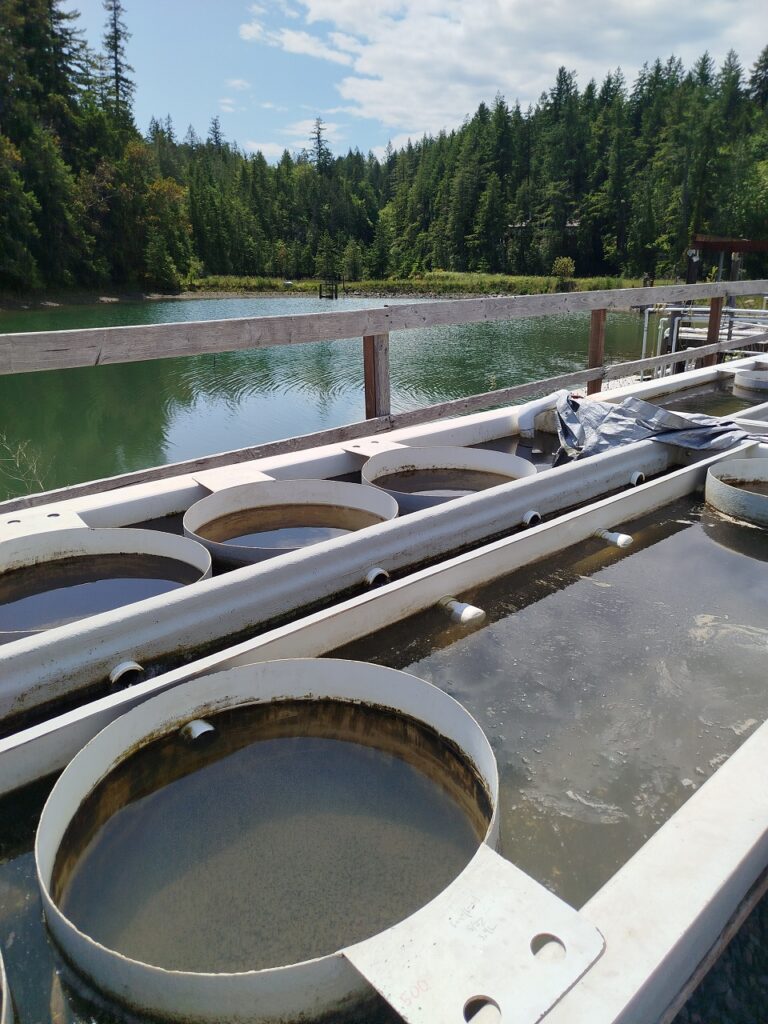
In addition, Lira said: "I can highlight that the technological advances observed are reflected especially in the stage of Nursery (initial growth phase of oyster seeds), where applications are implemented in intertidal and estuarine zones".
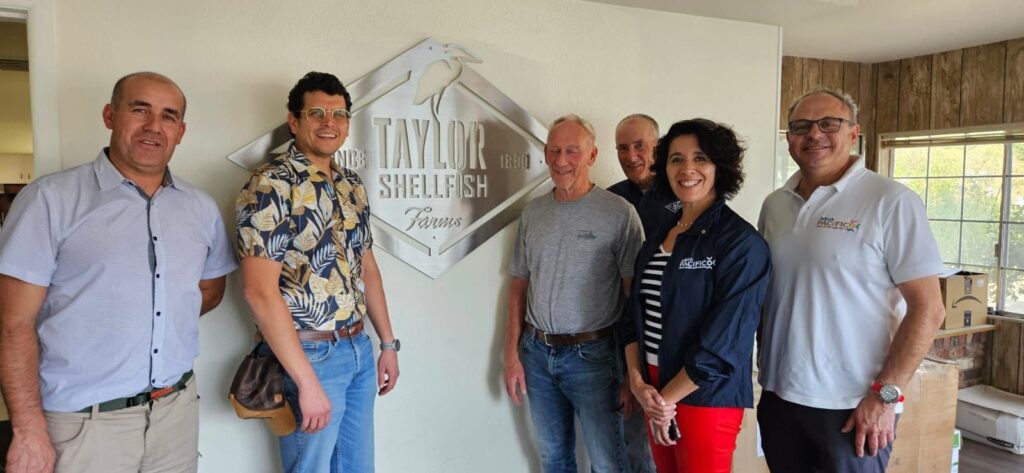
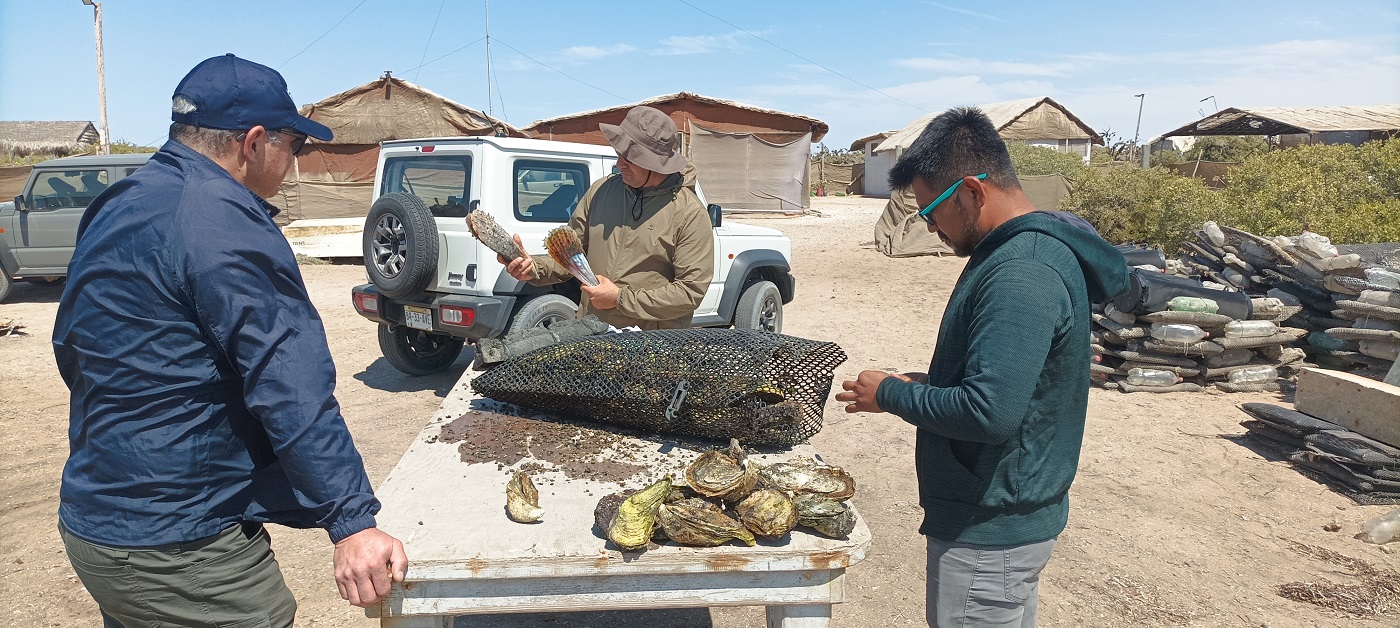
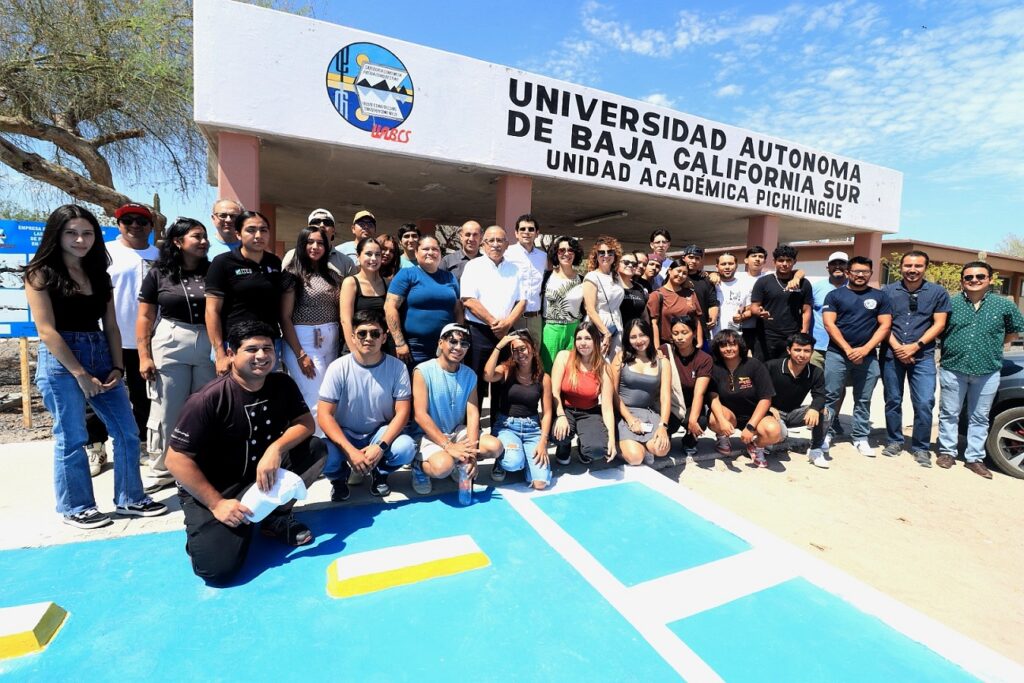
After a week's tour of the United States, the professionals moved to Mexico, where they had important meetings with various institutions. These include the Centro de Investigación Scientífico y de Educación Superior de Ensenada (CICESE), the Instituto de Investigaciones Oceanológicas (IIO) of the Universidad Autónoma de Baja California (UABC), the COVITECS facilities (Coordination of Linking, Innovation and Transfer of Knowledge to the Society), a unit belonging to the Center for Biological Research of the Northwest (CIBNOR), the Pichilingue Academic Unit of the UABCS and productive centers such as La Palizada Farm, Sol Azul Company and the Ostras Litoral Farm of Baja California, among other outstanding references in the cultivation of this resource in Mexico.
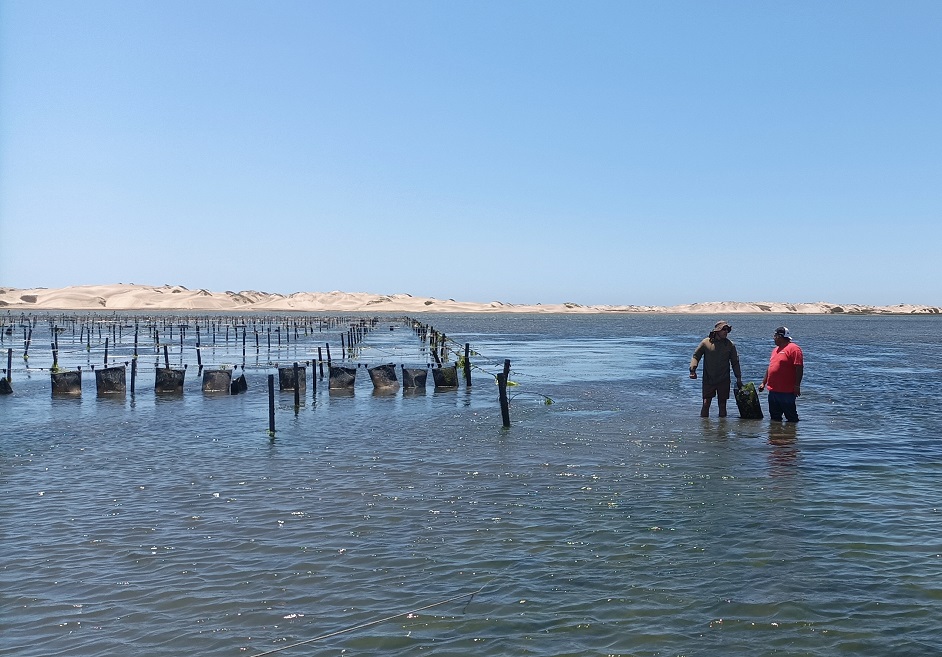
Dr. Jesús López emphasized the importance of generating future collaborative bodies: This link that we have with different research centers, culture laboratories and universities, allows us to see the various challenges that we face, is a way to move forward together, see what is being done in other parts of the world and integrate knowledge that we can use in Chile to make the most effective. cultivation of Japanese Oyster.
In addition, he said: “We realized that we have challenges in common with the different institutions and centers of cultivation, such as excess organic matter at sea, anthropogenic pollution, acidification processes, so it was a very enriching experience for us as a university.”
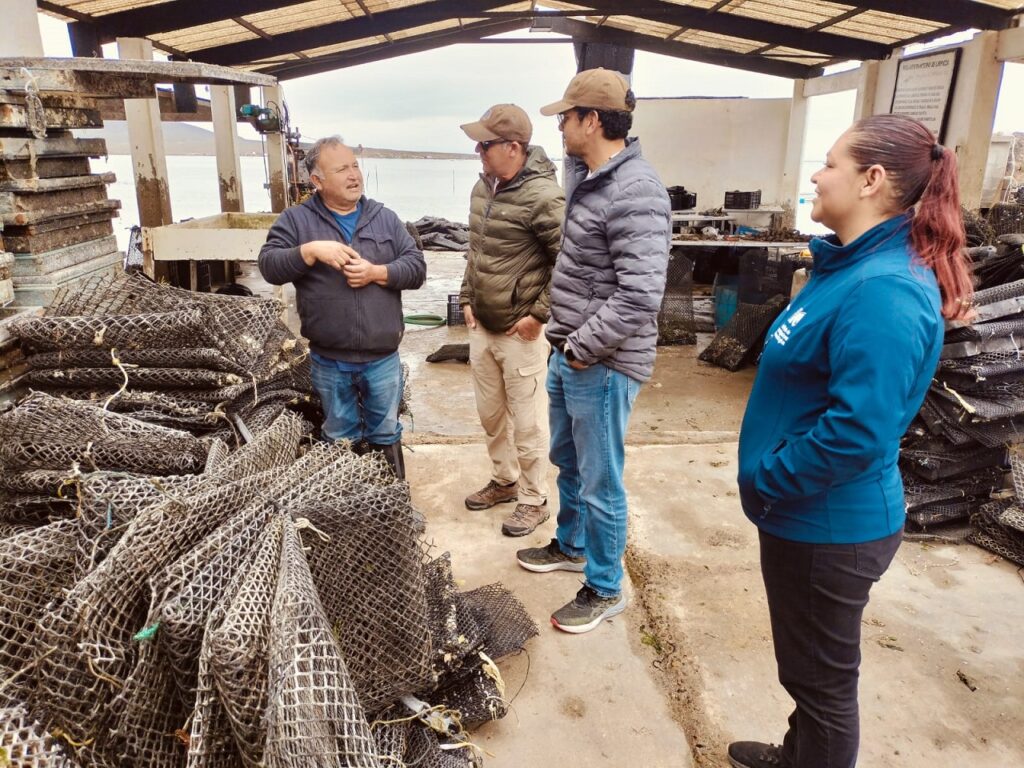
In this way, the international technical tour successfully culminates, consolidating the Japanese Ostra as a species with a high cultivation potential in other countries. In addition to strengthening the purpose of the program, in order to move towards the diversification of the national aquaculture matrix, in a sustainable and innovative way.
In short, this tour of the United States and Mexico was also extremely productive for professionals to promote the strategic link between the Catholic University of the North with research centers and/or international institutions of higher education, which opens the possibility for future collaborations in areas of training, exchange and technological development.