Policy Brief, prepared by Meyling Tang, from the Foundation CocinaMar and the Academics of the University of Concepción (UdeC) and Researchers of INCAR, Dr. Cristian Gallardo-Escárate and Dr. Doris Soto, presents 5 key recommendations to boost the growth of mussel farming in Chile.
The Interdisciplinary Center for Aquaculture Research (INCAR) launched its Policy Brief No 20, Oysters in Chile: Opportunities and challenges for aquaculture diversificationThe document prepared by Meyling Tang, from the CocinaMar Foundation and the Academics from the University of Concepcion (UdeC) and Researchers from INCAR, Dr Cristian Gallardo-Escárate and Dr Doris Soto, takes as its basis the presentations from the seminar "Oysters in Chile: Opportunities and challenges for aquaculture diversification", organized by the center at UdeC in August 2024.
At the event, representatives from the public and private sectors, academia, producers, aquaculturists, trade union leaders, professionals, secondary school students, university and postgraduate students participated, to reflect on the development of oyster aquaculture in our country, and included presentations covering areas such as genomic research, technology transfer, restoration, sustainability, productive development, and marketing and promotion channels
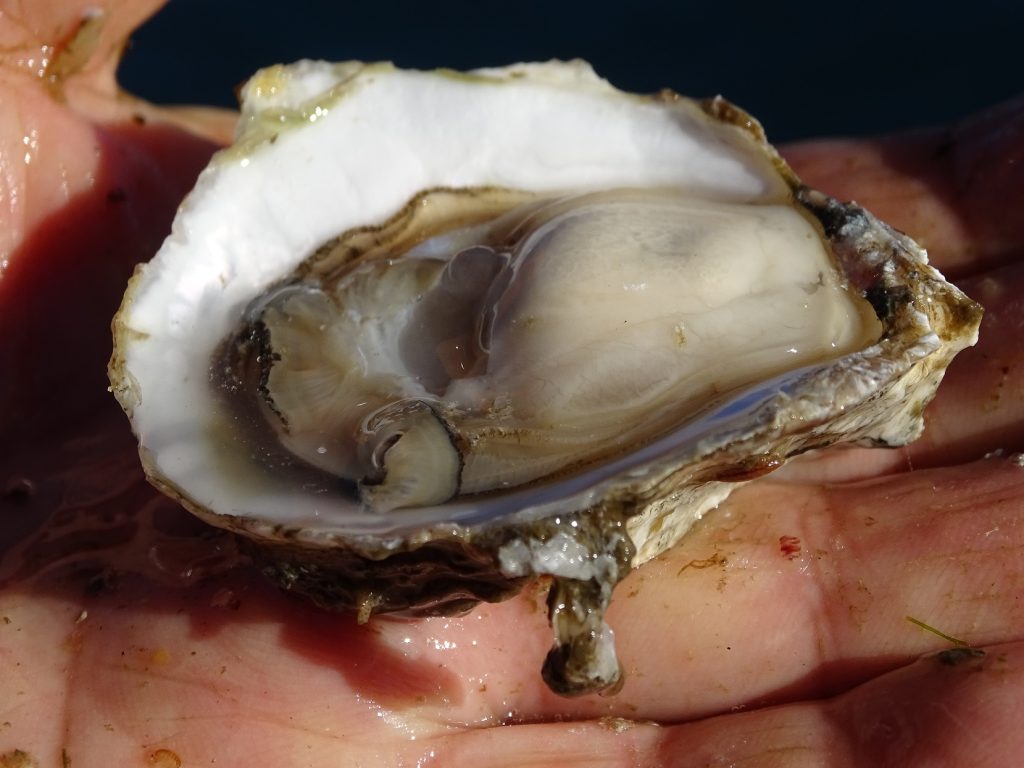
The Policy Brief 20 summarizes some of the most important messages from the seminar and presents 5 key recommendations to boost the growth of mussel farming in Chile:
1- Strengthen local markets, generate and reinforce demand by informing consumers and bringing producers closer to the markets, for example, in restaurants and events. Differentiating markets and products for Japanese oysters and Chilean oysters. It is essential that seed production reaches producers who already have a minimum productive capacity and a market. If they do not have these conditions, they need to be created and support them.
2- Strengthen and improve cultivation systems by enhancing strategic spatial planning considering environmental and social/marketing aspects including aspects of safety until oyster reaches the table, etc.
3- Enhance and transfer research to strengthen productive systems by paying attention to genetic aspects, food availability, biosecurity and threats such as climate change.
4- Genetically characterize Chilean oyster populations to identify differentiated management units and design effective cultivation and/or repopulation strategies.
5- Evaluate the epigenetic potential of Chilean oyster to develop stocks with greater climate resilience.
The document reflects the commitment of INCAR to transfer scientific knowledge so that it becomes the heritage of the country's users and communities, while generating reflections and recommendations for public policies.