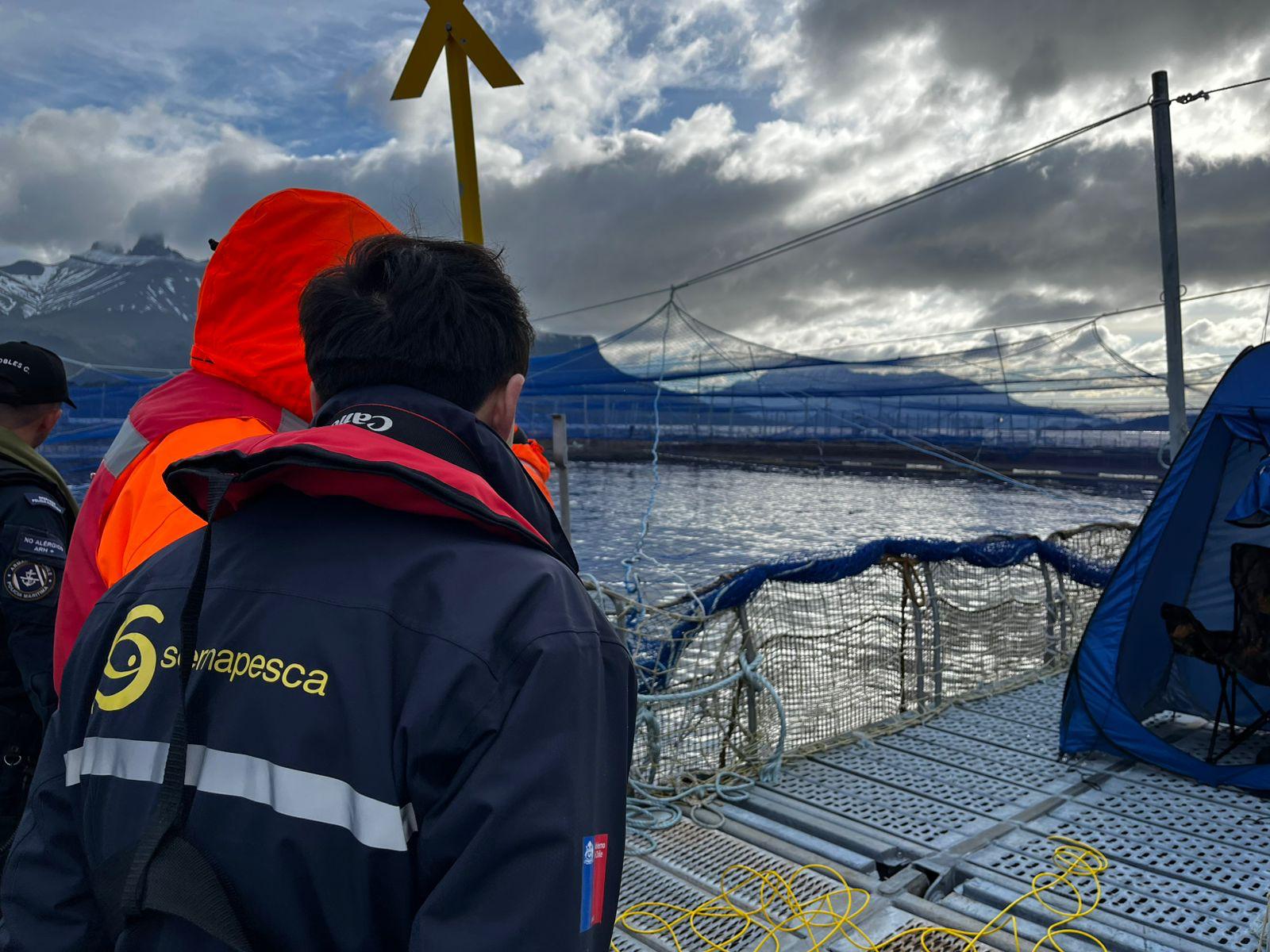
Sernapesca updated the status of the mortalities recorded in the Reloncaví estuary.
During the afternoon of this Friday, November 17, the National Service of Fisheries and Aquaculture (Sernapesca) confirmed that increased to 18 the total number of cultivation centers with contingency plans activated due to harmful algal blooms (HAB), of which 15 belong to the Salmonid Concessions Association (ACS, also known as "barrio") Number 1 and three to "Barrio" Number 2, located in the Reloncaví estuary, in the Los Lagos region. Likewise, the supervisory body specified that they are seven the centers with activation of contingency plans due to mass mortality.
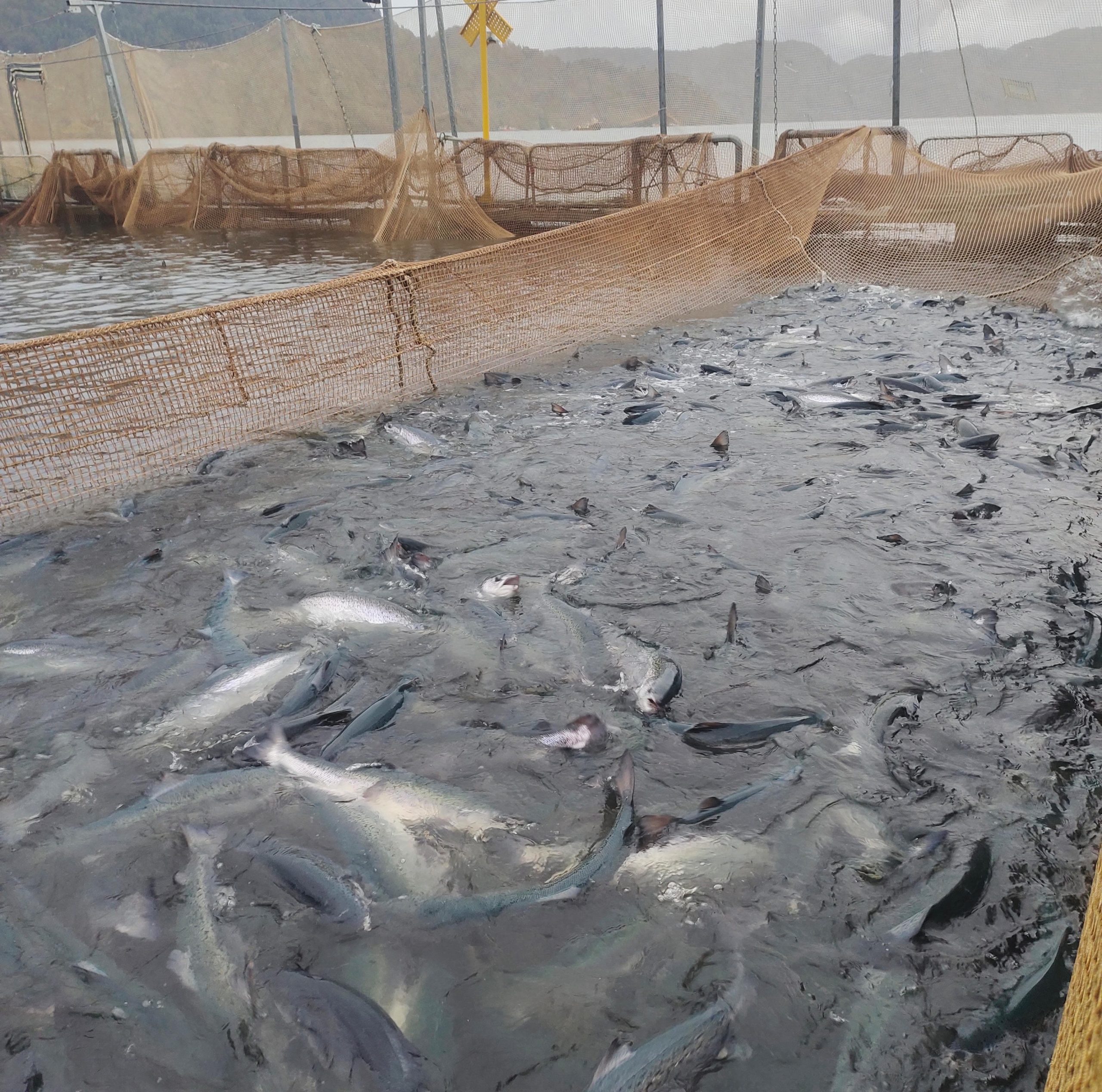
Considering the ACS 1 and 2, the total biomass in the water is of 79,727 tonnes (t) and the accumulated mortality up to today, Friday, corresponds to 1.140 t of coho species (Coho salmon) and rainbow trout (Rainbow trout), that is, 1.4% of the total biomass of both groups ("neighborhoods").
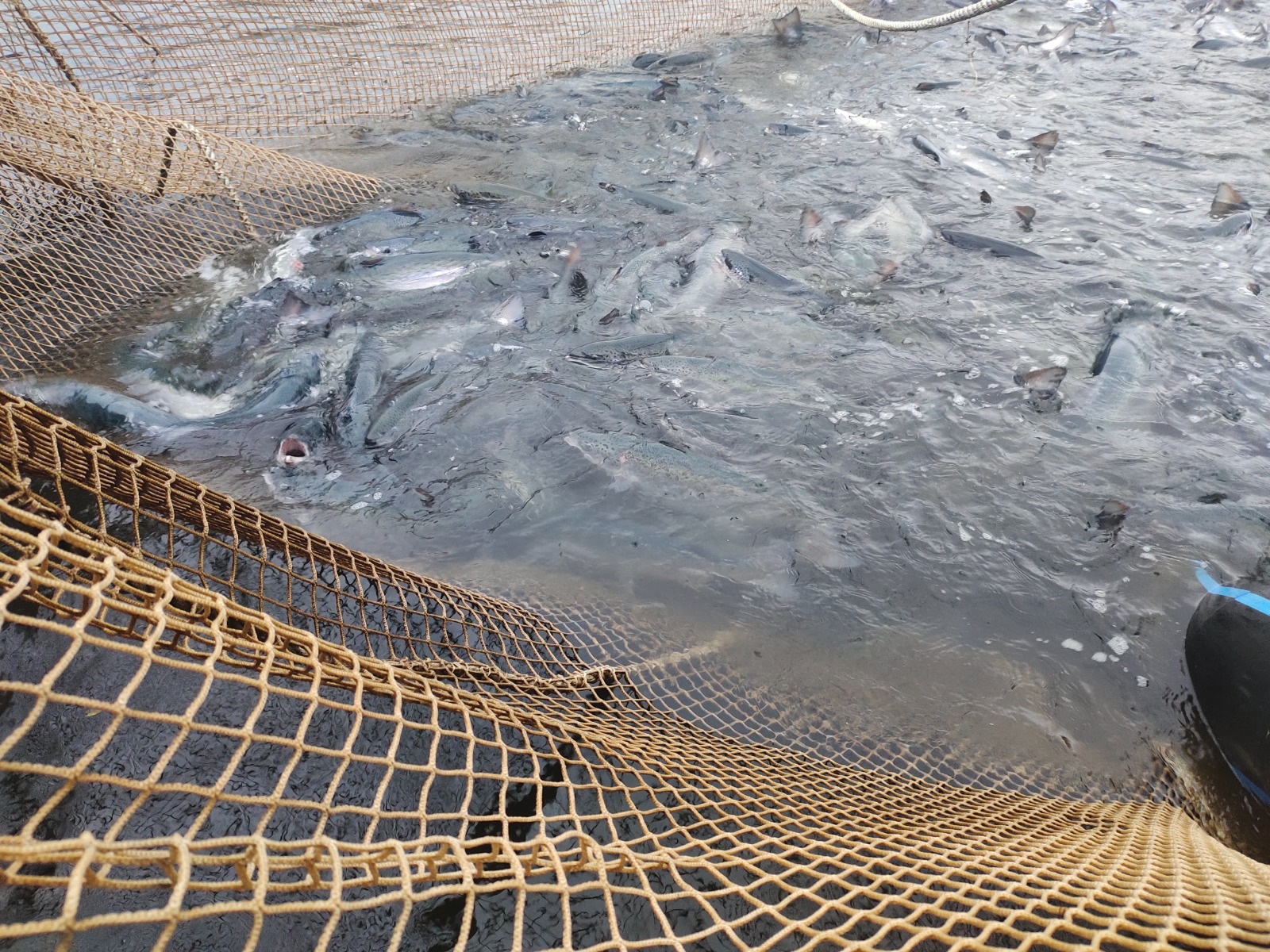
The regional director of Sernapesca Los Lagos, Cristian Hudson, explained that although the detection of this microalgae expanded its perimeter, two centers continue to be recorded with the highest impact from mortality.
"We can inform that a total of 650 tonnes have been extracted from the cages of the cultivation centres, being within the withdrawal periods established in the aquaculture pre-alert, processes that we will continue to monitor and inspect until the end of the contingency," said the authority.
Read more » What does the aquaculture pre-alert declared by Sernapesca consist of?
Also read » Aquaculture and fishing: Assessing the possible consequences of the El Niño phenomenon
Sernapesca once again emphasized that the harmful algal bloom affecting the current estuary and Reloncaví sound corresponds to the microalgae Thalassiosira pseudonana, which does not affect bivalve molluscs or other fish.
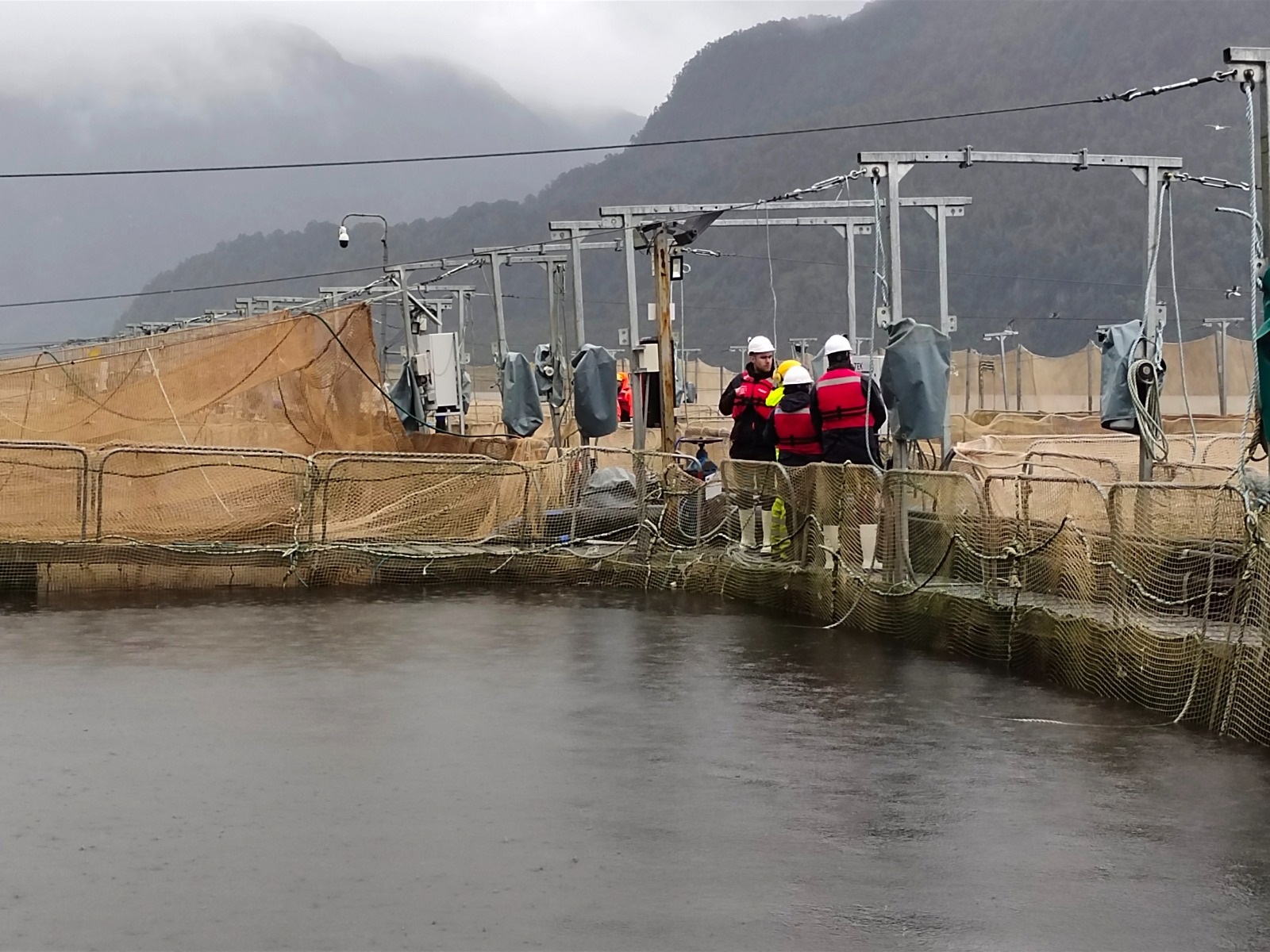
*Photo source: courtesy of Sernapesca.