The initiative is funded by the Regional Fund for Productivity and Development (FRDP) of the Atacama Regional Government, which seeks to diversify and strengthen the productive activities of artisanal fishing.
The Aquapacific Aquaculture Technology Centre launched the project "Development of an integrated production model to strengthen coastal communities in the Atacama Region through aquaculture innovation", an initiative funded by the Regional Productivity and Development Fund (FRDP) of the Atacama Regional Government, which aims to diversify and strengthen the productive activities of artisanal fishing against the decline in traditional fishery resources.
The proposal aims to address one of the main gaps faced today by small-scale aquaculture in northern Chile: limited access to quality aquaculture seeds, a key condition for productive development, economic sustainability and the resilience of coastal communities.
An integrated productive model with a territorial approach
Traditional fishing in the Atacama Region forms the economic basis for more than 80 coastal organizations. However, overexploitation of resources, degradation of marine ecosystems and the pressure from other productive activities have significantly reduced the availability of traditional species, affecting the income and stability of the communities.
This project contemplates the implementation of a modular multi-species hatchery, associated with organized fishers' coves, which will allow the production of seeds of high commercial value and regional relevance hydrobiological species, such as floating huiro, Japanese oyster, red sea urchin and northern oyster. This integrated production unit will be operated together with the beneficiary organizations, who will receive technical training and specialized support for its correct operation, maintenance and optimization.
"This project reflects our conviction that aquaculture innovation must be built from the territories, together with the communities and responding to their real challenges. We are betting on productive models that generate autonomy, sustainability and new economic opportunities for artisanal fishing," says Claudia Soto, Executive Director of AquaPacific.
The model seeks not only to produce seeds to supply Management Areas (AMERB) and Small Scale Aquaculturers (SBAs) in the region, but also to establish a sustainable, flexible and replicable business model capable of adapting to local environmental conditions and the challenges associated with climate change.
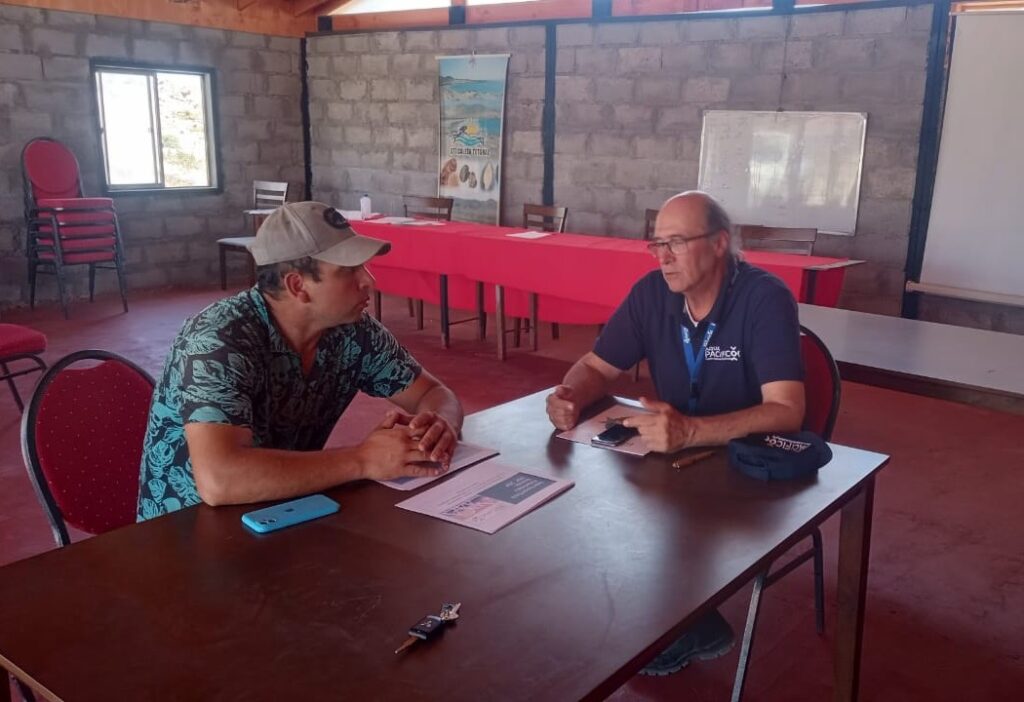
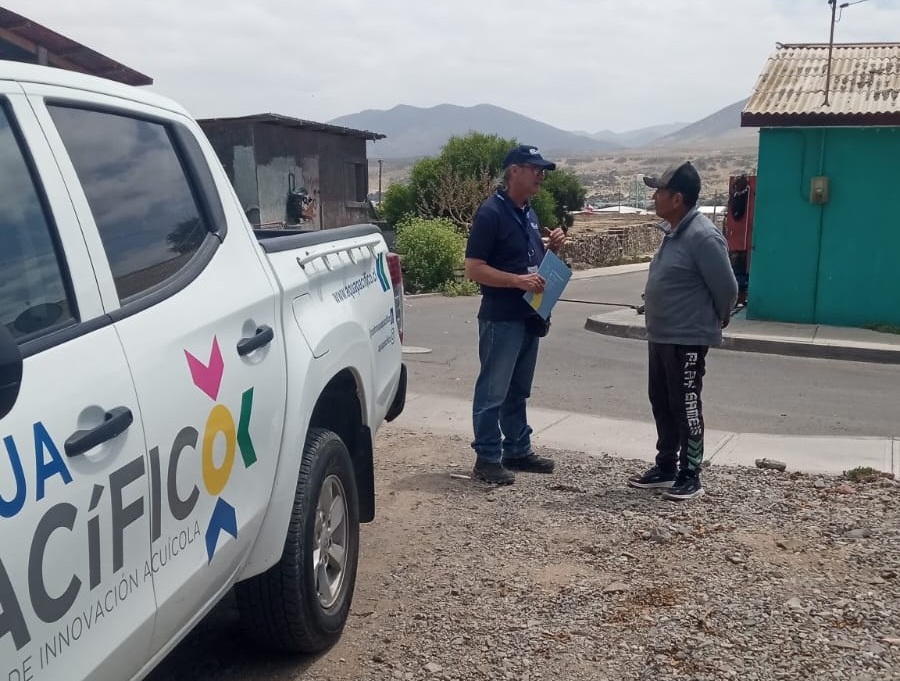
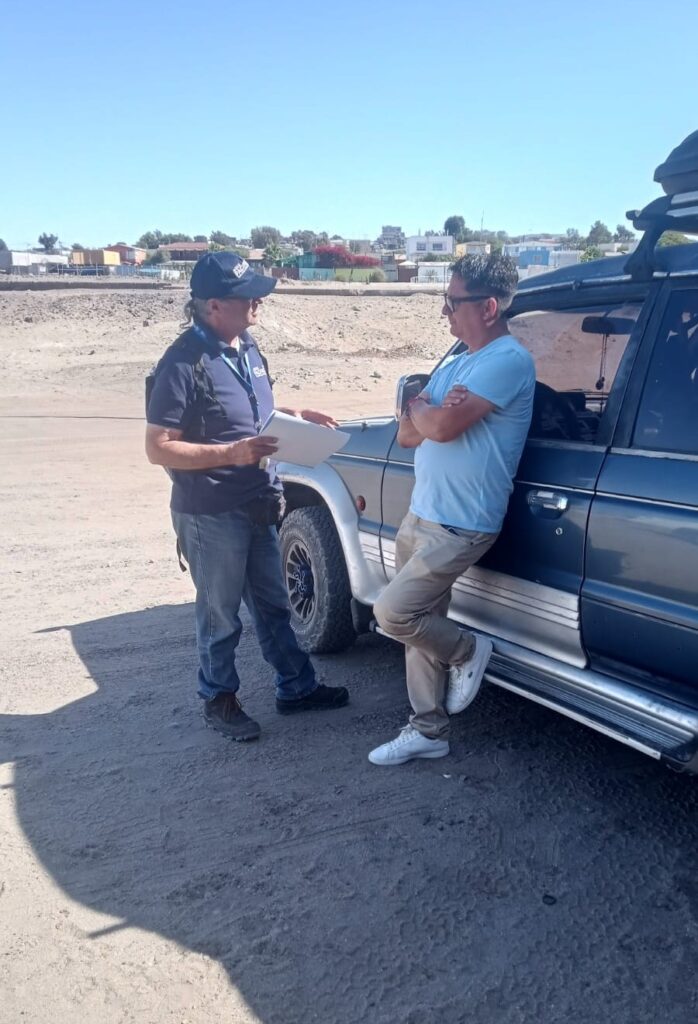
During its initial phase, the project began with a process of direct liaison with artisanal fisheries organizations and public, academic and private institutions, linked to the coastal edge, allowing to identify organizations with suitable characteristics to participate in the project, considering technical, organizational and regulatory aspects, with the aim of presenting the initiative and evaluating the potential for adoption. of the productive model.
“We started the project by articulating governance and personally visiting artisanal fisheries organizations and public and private institutions involved in the proposal. We have already traveled through places like Freirina, Huasco, Copiapó and Caldera, and we will continue for the next few weeks in other areas of the region,” he explains. Ricardo Cunha, scientific advisor to AquaPacific.
Four stages for a sustainable and replicable model
The project is structured in four main stages: (1) Technical design of the Integrated Productive Unit (UPI) and shaping of technical and strategic governance; (2) Technical-operational installation and validation of the IPU; (3) Selection of the model organization and processing of sectoral permits; and lastly, (4) Technology transfer, training and accompaniment, ensuring autonomous operation and sustainability of the model.
“The goal is to validate an integrated, technically viable and replicable aquaculture model that will reduce productive gaps, strengthen local capacities and generate new economic opportunities for the Atacama coastal communities,” he says. Hernán Pérez, Scientific researcher of AquaPacific and project director.
Commitment to sustainable coastal development
The initiative developed with resources from the Regional Government of Atacama's FRDP, aligns with the mission of AquaPacific to promote sustainable aquaculture, territorially relevant and with productive impact, strengthening the link between science, technology and coastal communities. Once validated, the model can be transferred to other organisations, contributing to the creation of a regional aquaculture development pole and to the strengthening food security and local employment.