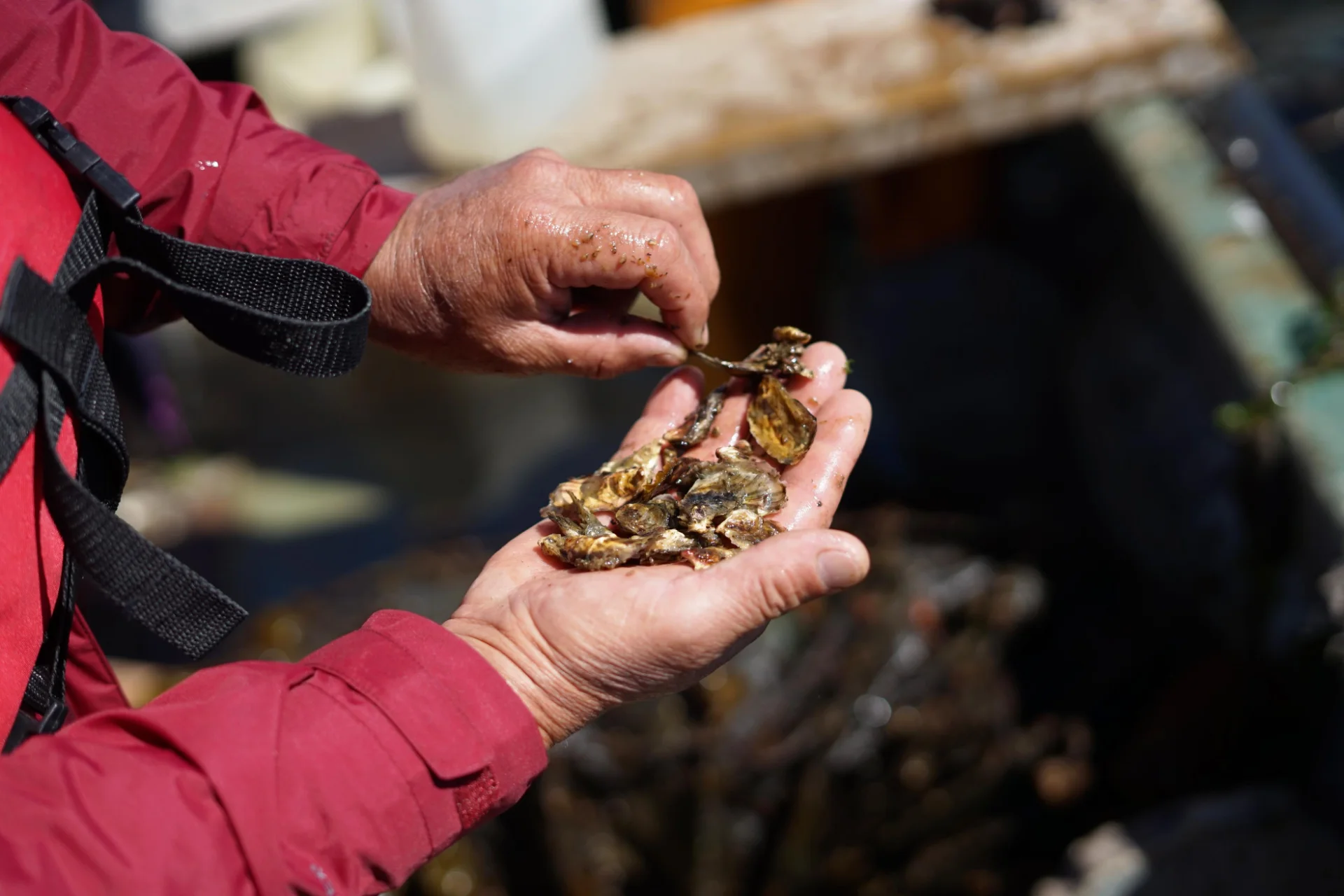
In order to strengthen the production results of small-scale aquaculture (SSA), biotechnological company Biocambio and Fundación Chinquihue launched an experimental trial to validate the “bioscudo” program in Japanese oyster larval cultivation (Giant scallop).
The test is developed directly in the hatchery of Fundación Chinquihue, where we are currently working on the production of seeds of this benthic resource.
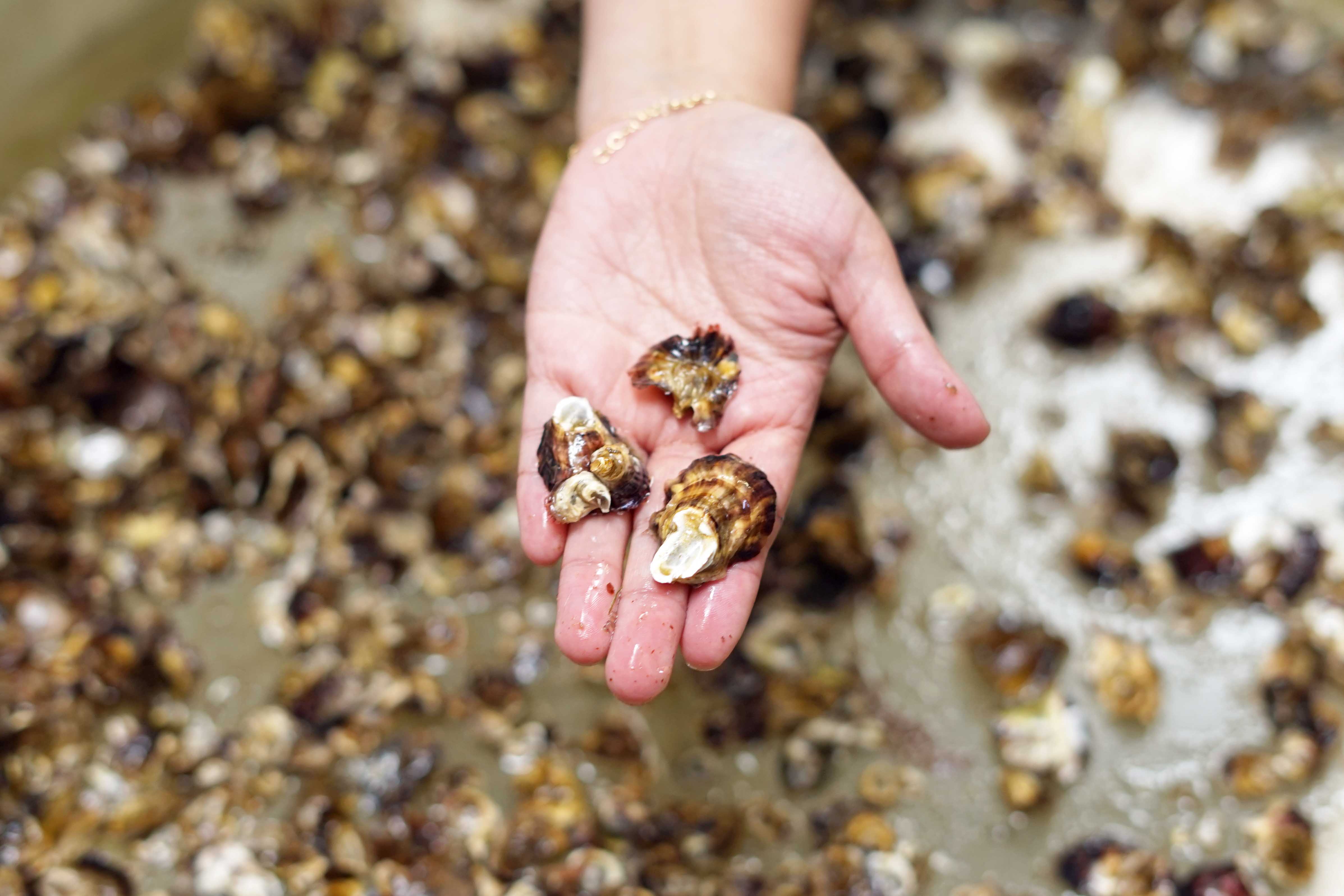
In two ponds biotechnology will be applied while a third will be control. The results shall be known within 40 days of the beginning of the experiment.
“Bioescudo” is a biotechnology solution based on a consortium of probiotics and yeasts with more than 30 years of research in Brazil, whose representation and exclusive application in Chile belongs to Biocambio.
Axel Paulsen, founder of Biocambio, explained that this collaboration seeks to shorten crop cycles and increase the rate of larvae fixation acting both in water and in the physiology of the mollusc.
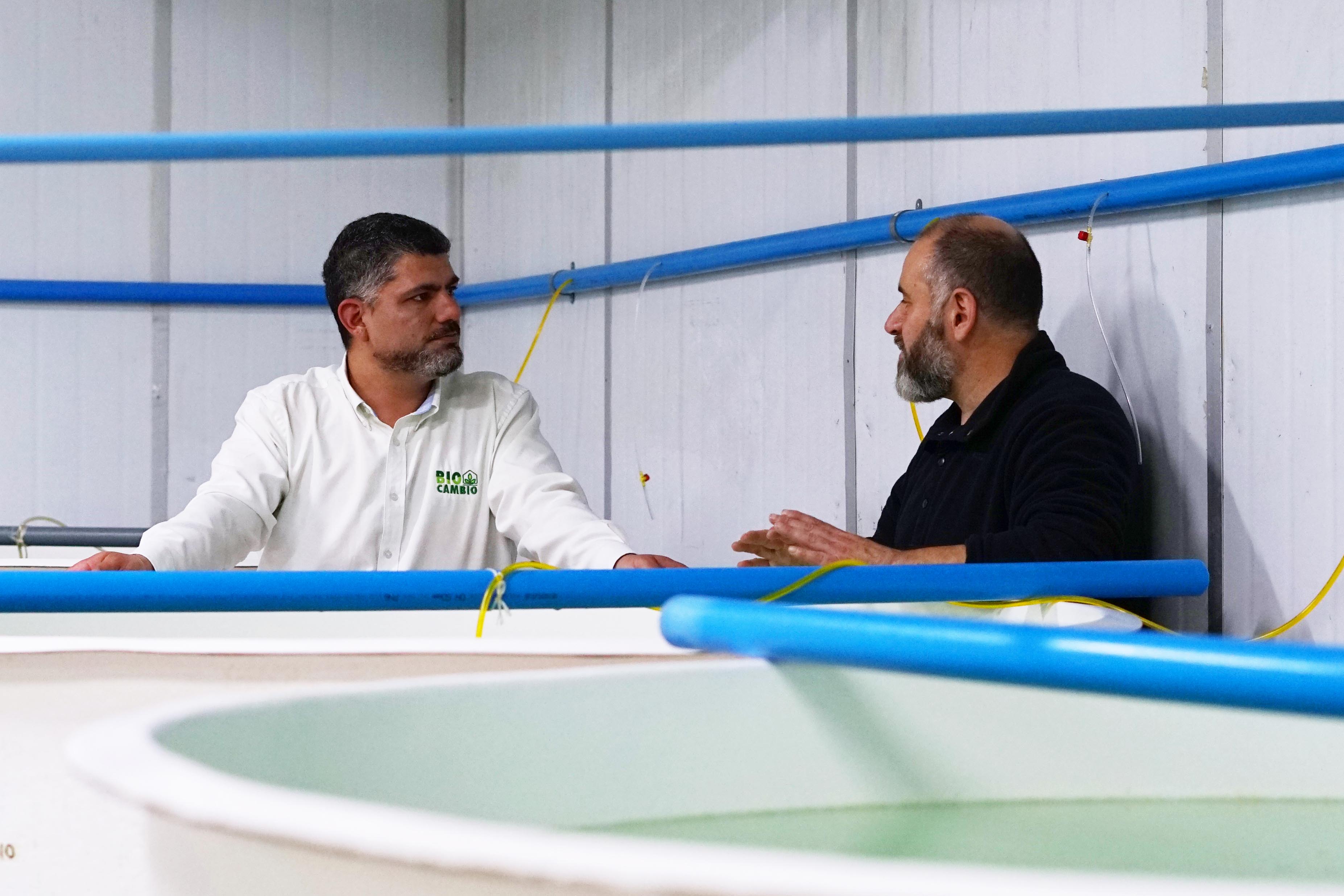
“The digestive system of an oyster larvae is very immature. This biotechnology not only accelerates the degradation of organic matter in the pond, but colonizes the digestive tract of the larva, blocking by competitive exclusion opportunist pathogens and providing key enzymes to make much better use of microalgae to feed themselves,” he said.
In addition to performance within the hatcheryPaulsen highlighted the potential long-term impact for growers. “The yeasts act as a natural immunostimulant that generates what we in science call ‘trained immunity’. This leaves the oyster in a state of early defensive alert, allowing the seeds to go out into the open sea much stronger, more resilient and more able to survive in the face of environmental threats.”
For his part, Jorge Tillería, head of the hatchery of Fundación Chinquihue, said that “biotechnologies that contribute to increase the survival of the resource, decrease the times of cultivation and the contamination of the ponds by bacteria, undoubtedly favor the yield of the crops. In this sense, since the foundation we are open to this type of tests to improve the production processes.”
Prior to its incursion into molluscs, this biotechnology was validated between 2025 and 2026 in two rainbow trout fish farms with important results: it allowed to decrease by 75% the baths of chloramine-T used in outbreaks of Flavobacterium, reduce mortality by 66% and shorten the crop cycle from seven to six months to reach the target weight.
Thanks to this environmental and productive impact, Biocambio won the first national place in the 2025 Sustainable Initiatives Awards (category “Nature and biodiversity”), a competition organized by Hub Sustainability, a platform dedicated to the analysis, debate and dissemination of sustainable business development in our country.