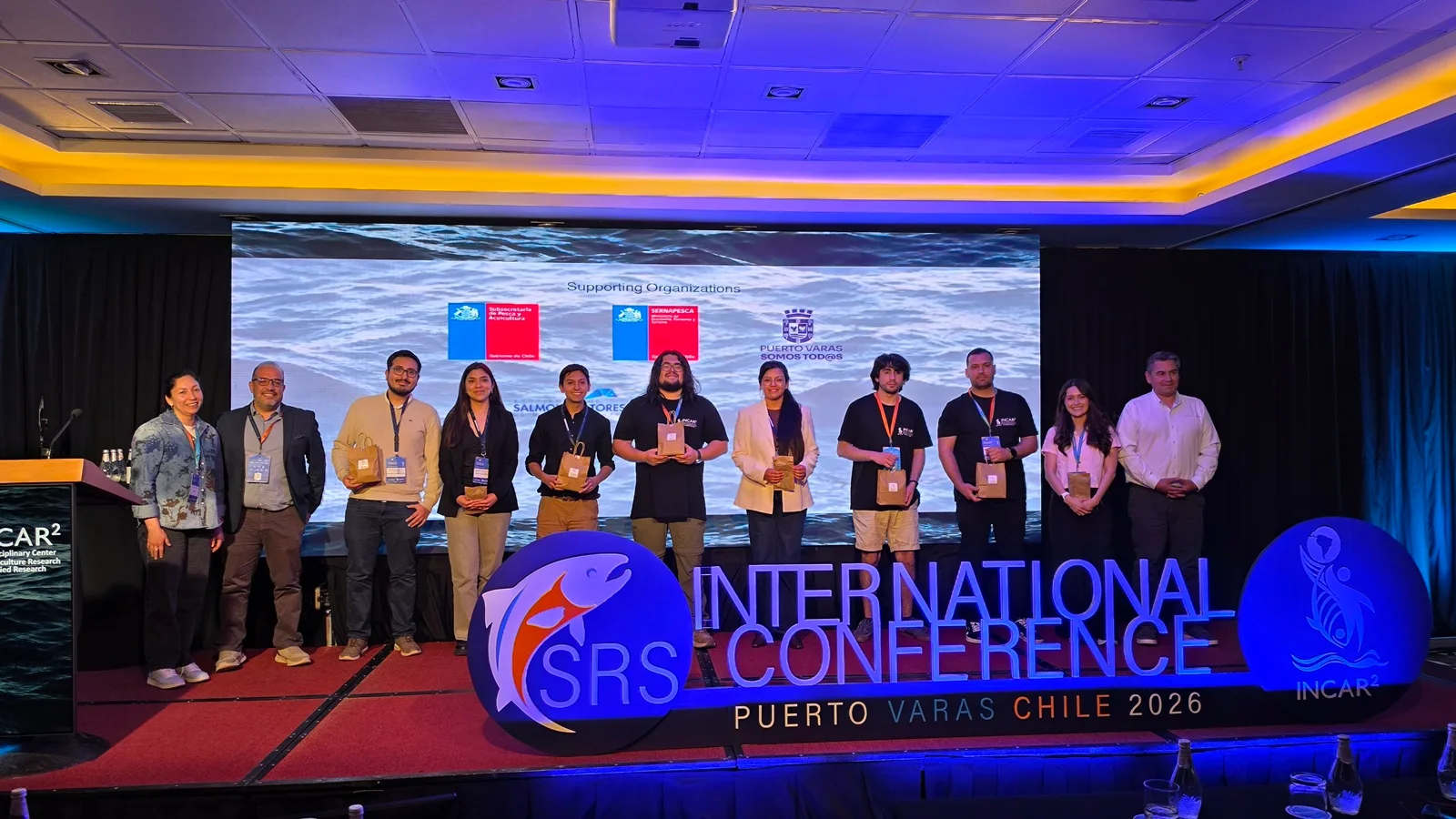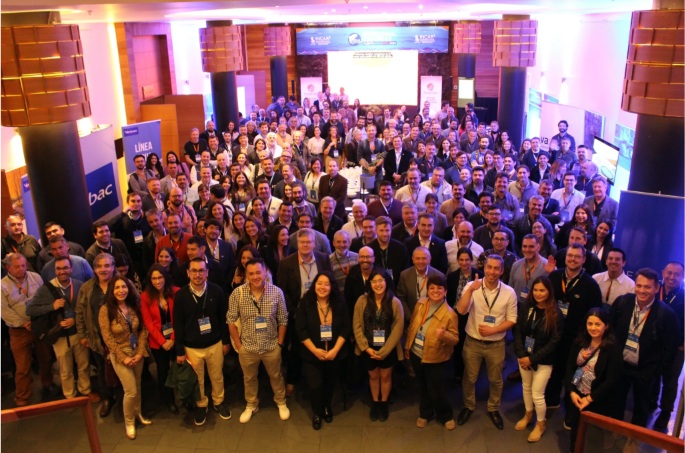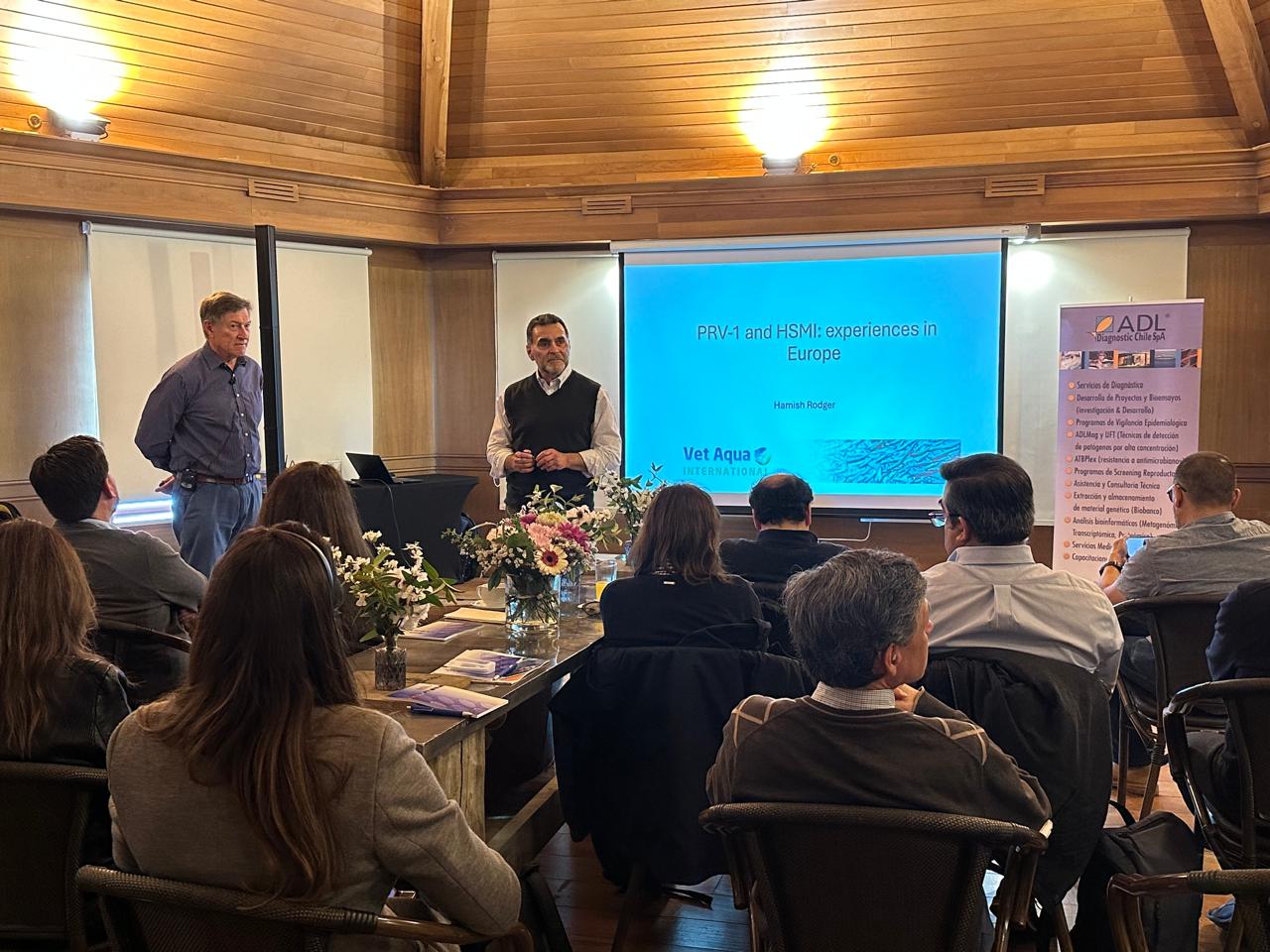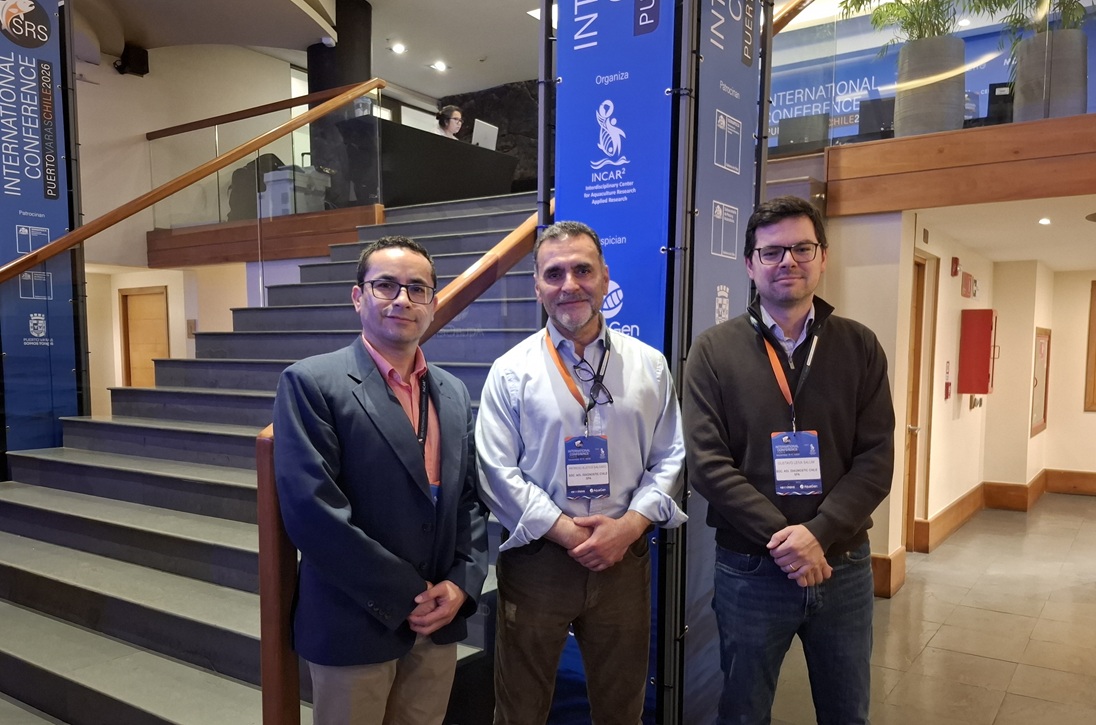
An outstanding participation was ADL Diagnostic Chile during the SRS International Conference 2026, a meeting organized by the Interdisciplinary Center for Aquaculture Research-Applied Research (CIA-INCAR²) and held between 9 and 11 November at the Wyndham Petra Hotel in Puerto Varas (Los Lagos region).
Together with being one of the sponsors of the meeting and participating, in addition, in projects whose results were exposed by others speakers at the conference, ADL presented the talk “Temporal host-pathogen signs in Atlantic salmon skin mucus during experimental Piscirickettsia salmonis infection”, taught by the Director of Research, Development and Innovation of the company, Marcos Mancilla, PhD.
As explained, ADL decided to implement this study due to the request of several clients to be able to advance in the development of a tool to detect P. salmonis (SRS) early in order to be able to apply effective therapeutic measures in a timely manner and aim for better control of this complex pathology, reducing the use of antimicrobials, promoting better animal welfare and promoting greater sustainability.
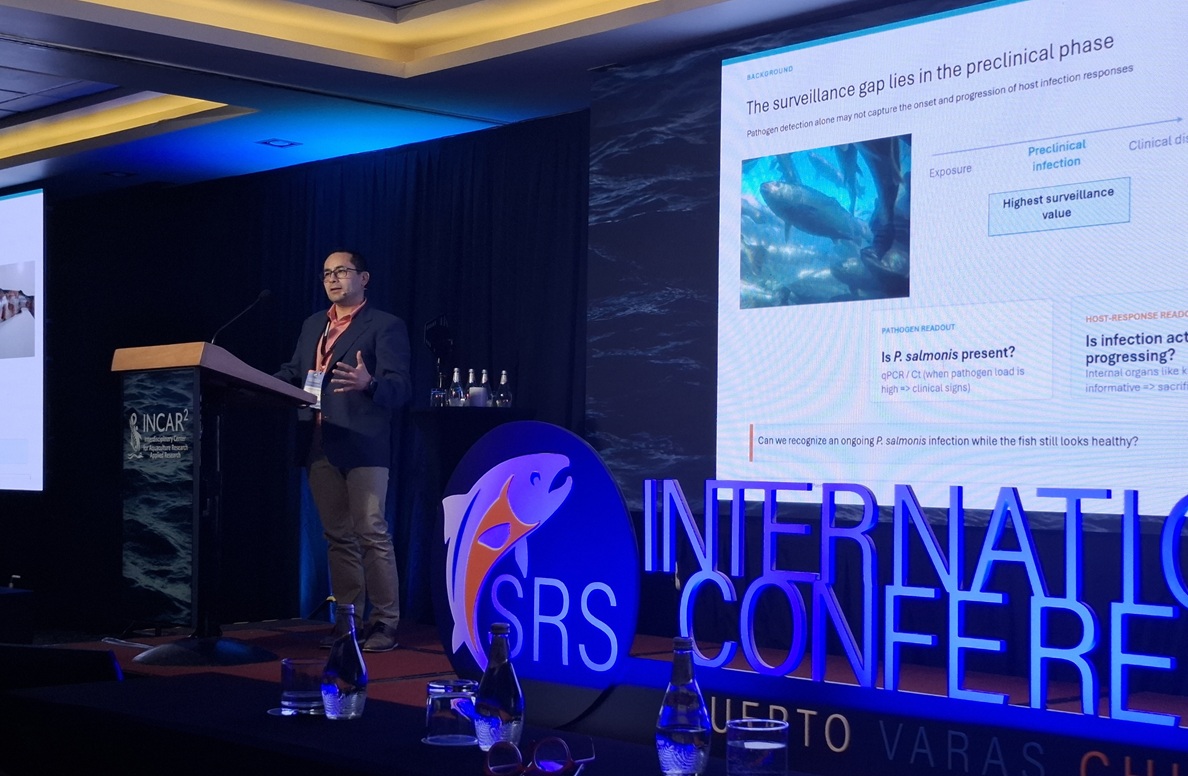
“Today we have qPCR, but it detects the internal pathogen when the load is already evident; nor does it act as a predictor if any infection is progressing in the fish,” explained Marcos Mancilla. He added that the customer request contemplated not only early detection, but hopefully this would consider non-lethal samples.
“That’s why we started thinking about mucus, since it is in contact with both the environment and the pathogen, that is, it acts as an interface providing material from both the host and the infectious agent with the advantage that fish need not be slaughtered,” said the specialist.
He noted that they bet that, through the study of mucus, “we could obtain a view not only of the load of pathogens, but also of the biological state of the host, which could be measured by gene expression. In fact, in the literature, the expression profile of various biomarkers related to the immune response to P. salmonis, but in cephalic kidney samples, which is the standard.”
Considering the above, the ADL team investigated the literature on the subject, not finding data on the expression of these genes in skin mucus. “Our hypothesis, and what we tried to find out, was whether the transcripts of the immune response in the kidney were expressed in the skin mucus and whether the level of these changes before a robust detection of the pathogen occurs, presenting, eventually, responses in the face of challenges with the strains EM-90 and LF-89 of P. salmonis“ Marcos Mancilla said.
To this end, cohabitation trials were conducted with both types of strains – carried out at the TEKBios Experimental Center – which aimed to compare reference material, such as cephalic kidney versus mucus samples, in order to quantify the transcriptional response, especially early temporal response. It also sought to evaluate a biological rational with respect to a possible panel of biomarkers that could serve these objectives, where part of them come from an ANID study led by ADL and involving a group of immunologist experts, focused on the immune response of intracellular pathogens such as P. salmonis and R. salmoninarum, and that it has allowed to obtain unpublished information.
Results
Regarding the results, “for EM-90 we observed that the mucus did offer a response, although somewhat more delayed than that obtained in the kidney. In the case of LF-89, it was novel to see that the response was triggered much earlier in relation to EM-90,” said Marcos Mancilla.
He explained that, in addition to the above, it was an attempt to advance an early diagnosis model of P. salmonis, which consists of two biomarkers plus the signal of the pathogen in mucus, which has shown fairly satisfactory results both at sensitivity and specificity level in field samples.
“We are very pleased to have participated in this first SRS International Conference. Piscirickettsiosis is one of the main health challenges of Chilean salmon farming, in which we have been working for about two decades and which today attracts the attention of several other salmon farmers countries. This is due to the economic losses it causes them and for requiring the use of antibiotics actively. That is why we decided to support this event and present a work that responds to concrete desires of the producers. No doubt, We will continue to explore this and other lines of action that allow us to make relevant contributions to advance better health control. In fact, there will soon be more news,” said ADL Diagnostic Chile’s general manager, Patricio Bustos.