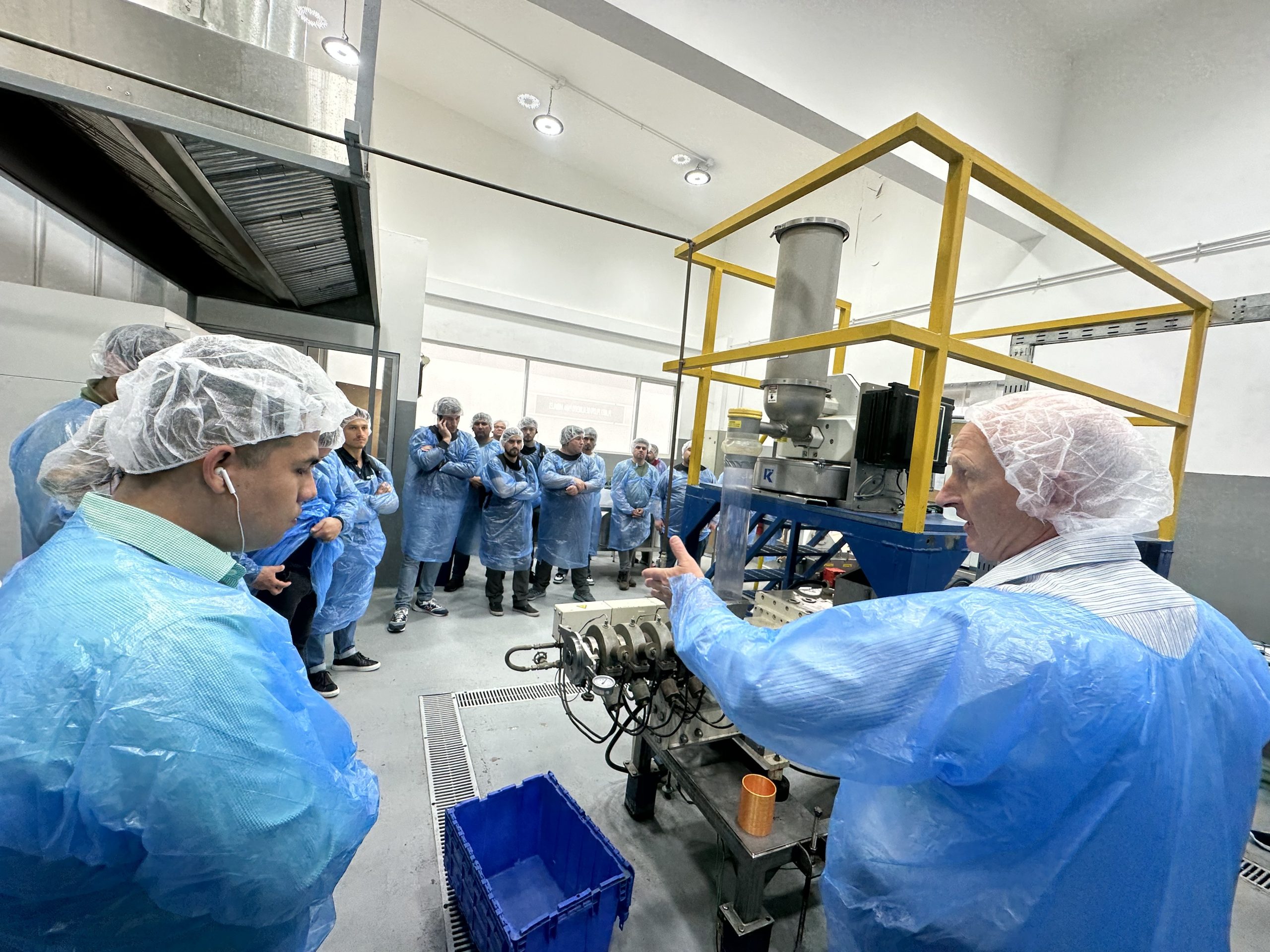
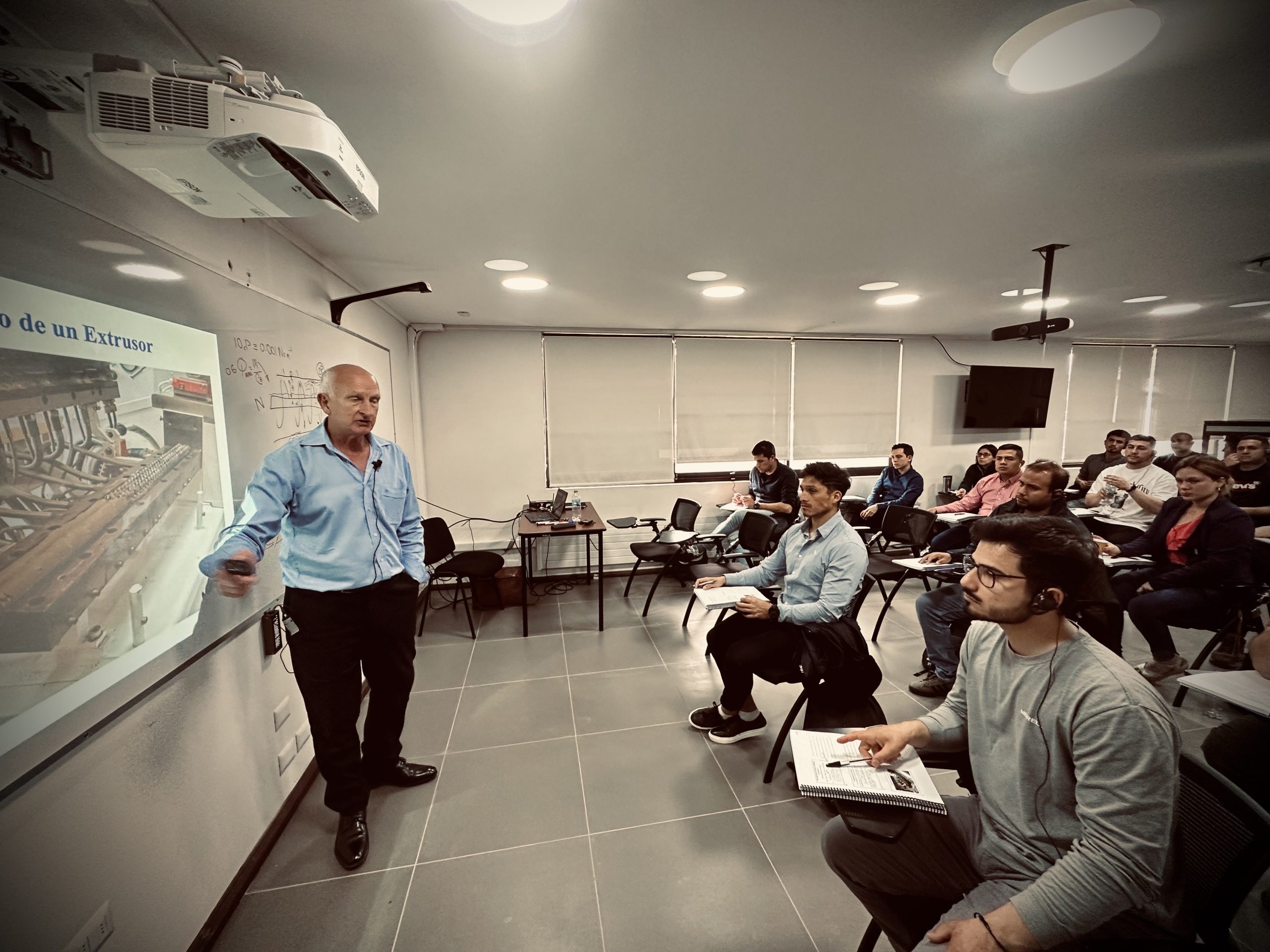
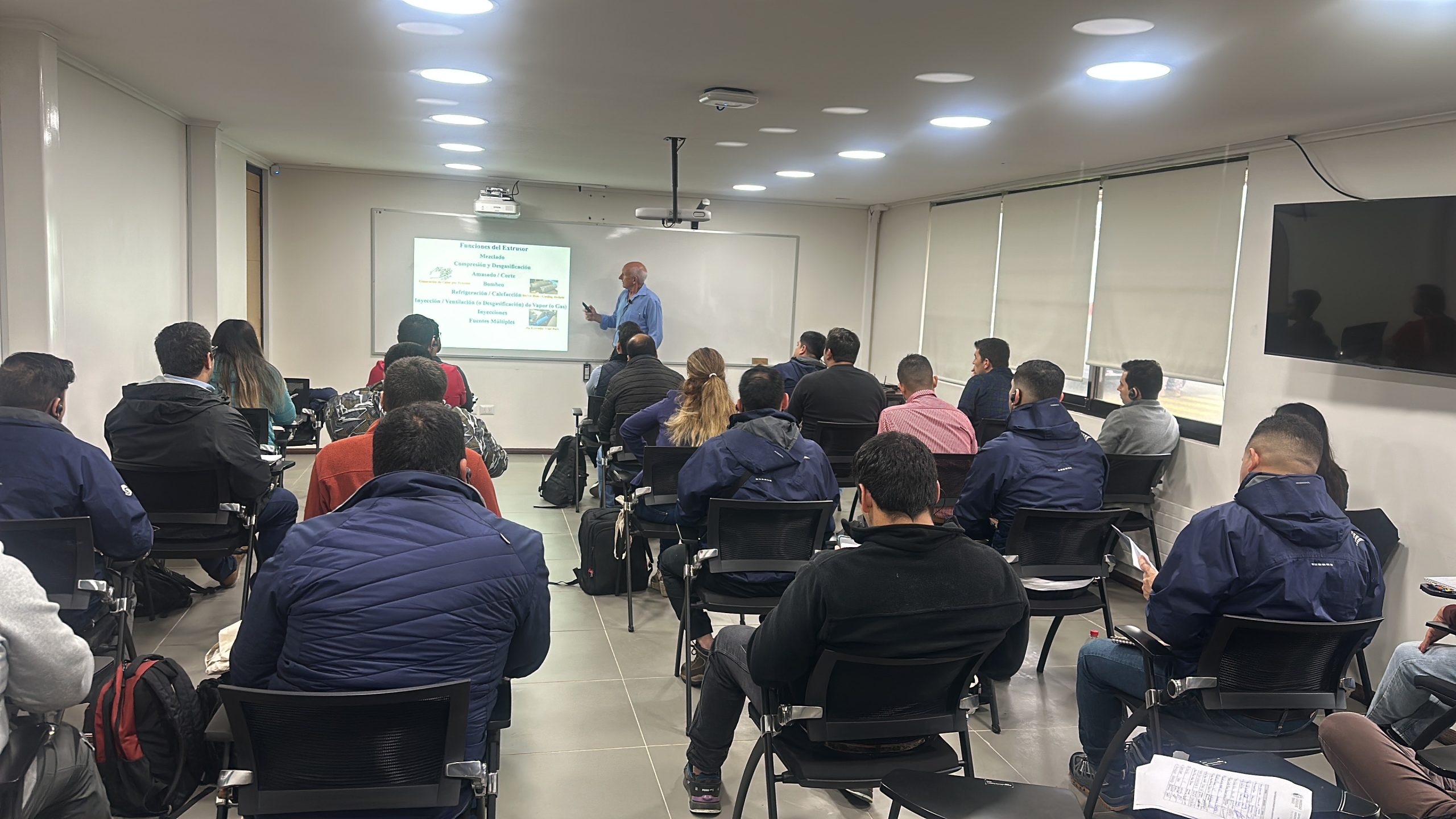
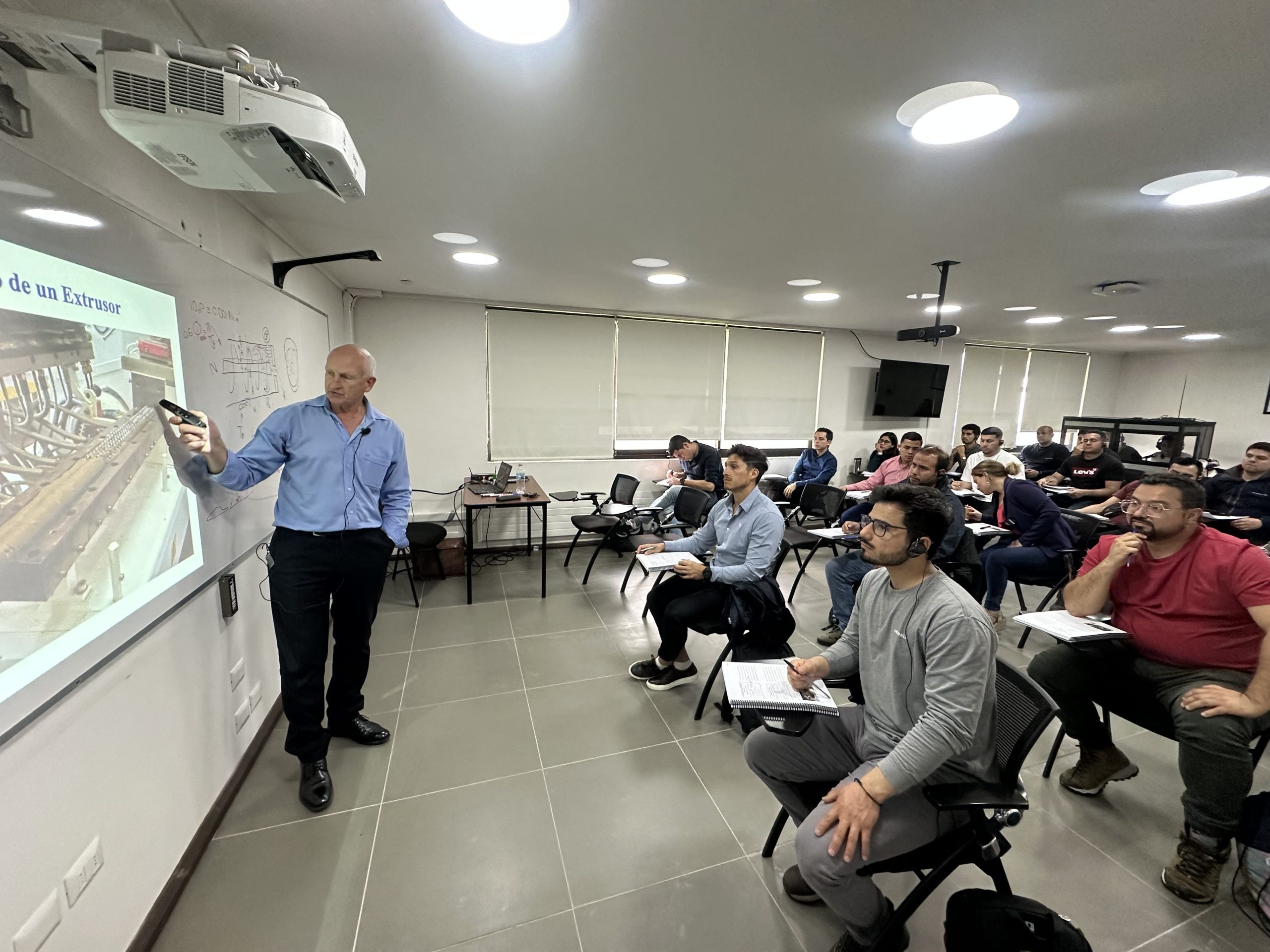
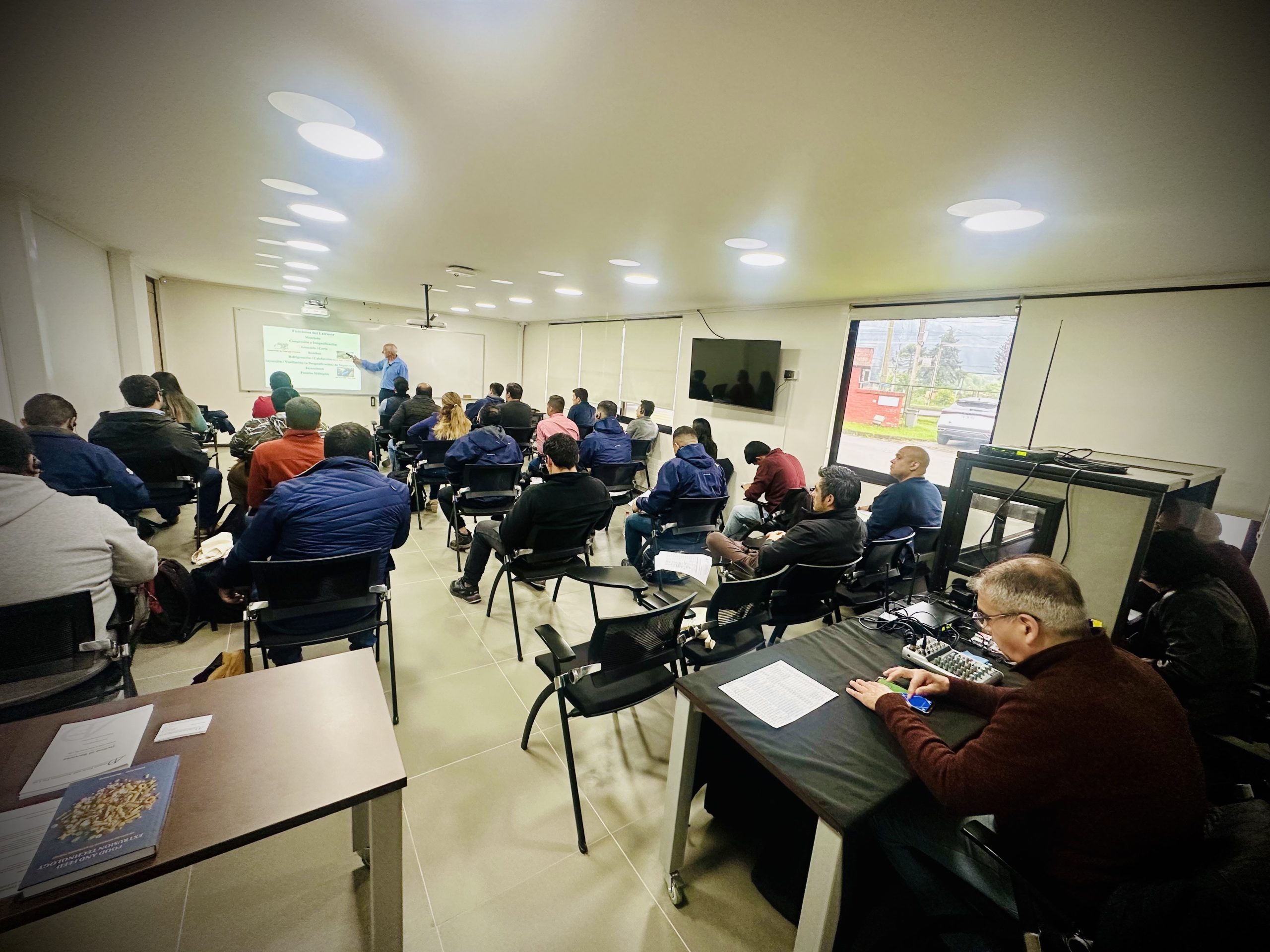
The chemical engineer Dennis Forte, from Australia, gave the theoretical and practical workshop.
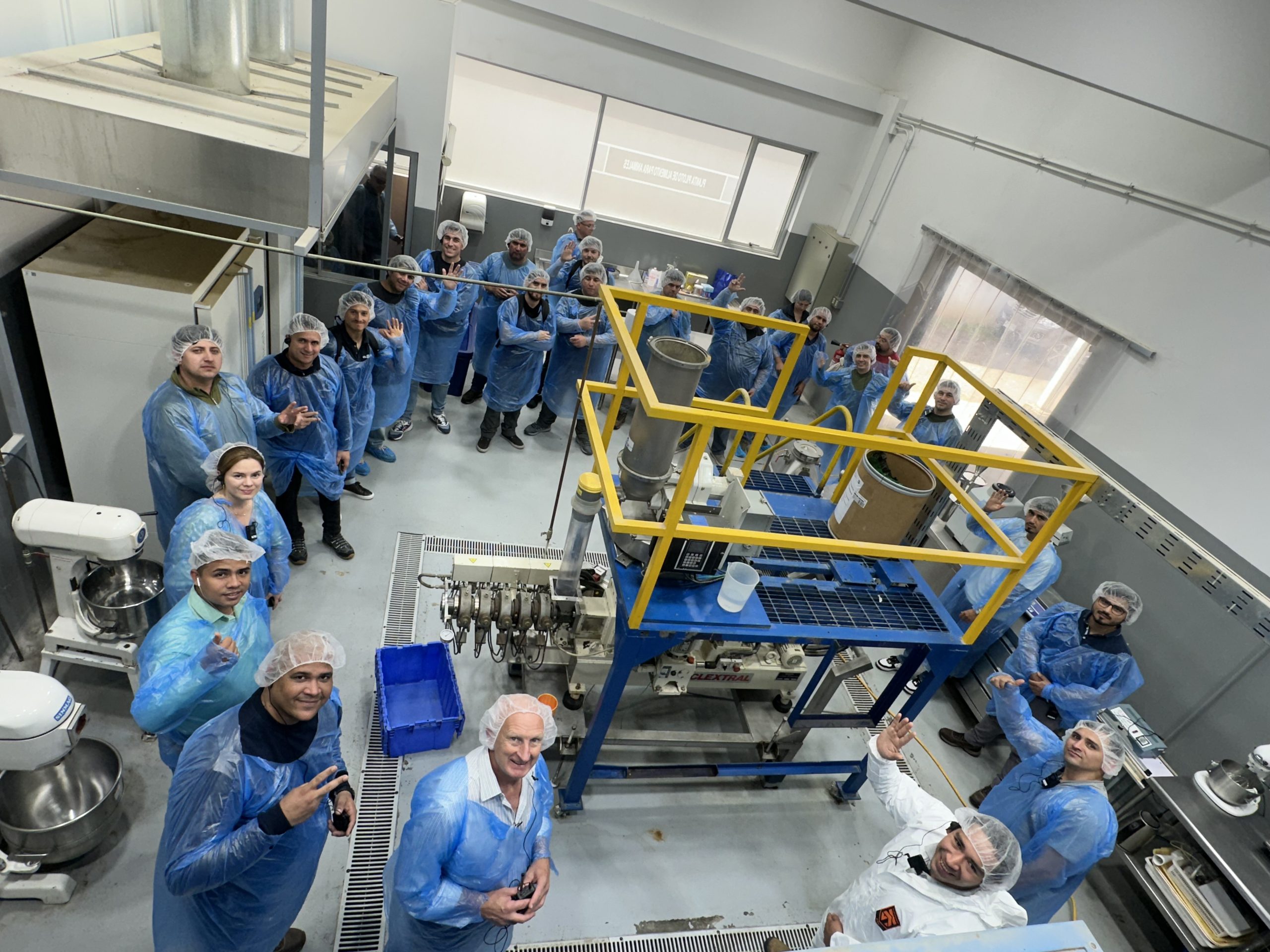
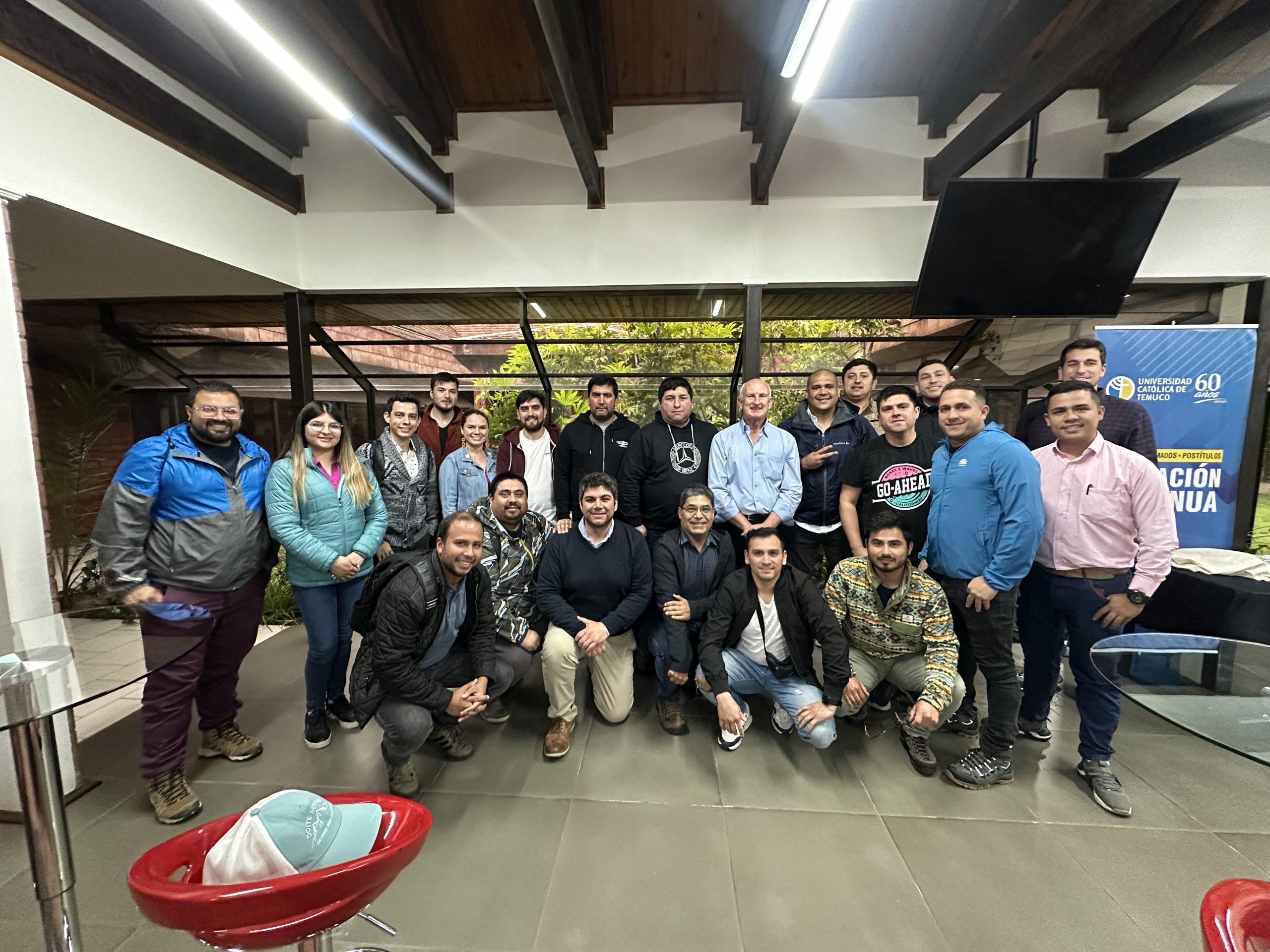
Recently, at the Catholic University of Temuco (UCT), entity that is co-executor of the Technological Program for the Local Production of Nutritional Inputs for Aquaculture (PTEC-INVA) -public-private-academic initiative driven by the Corporation for the Promotion of Production (Corfo)-, a new edition of the workshop titled Food and Feed Extrusion and Drying Technologies, which counted on the participation of industry professionals in fish and animal feed from Colombia, Spain and various regions from Chile.
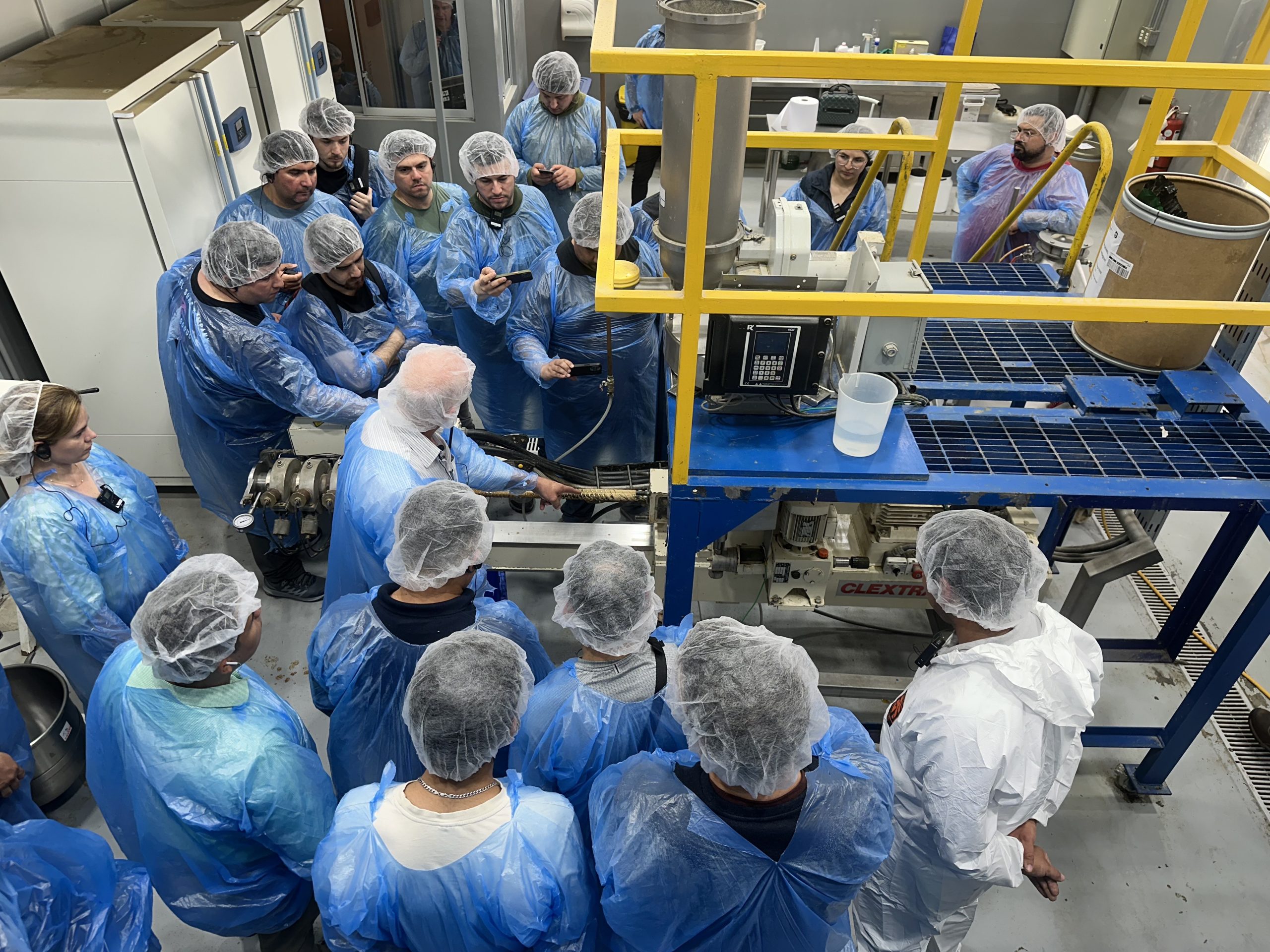
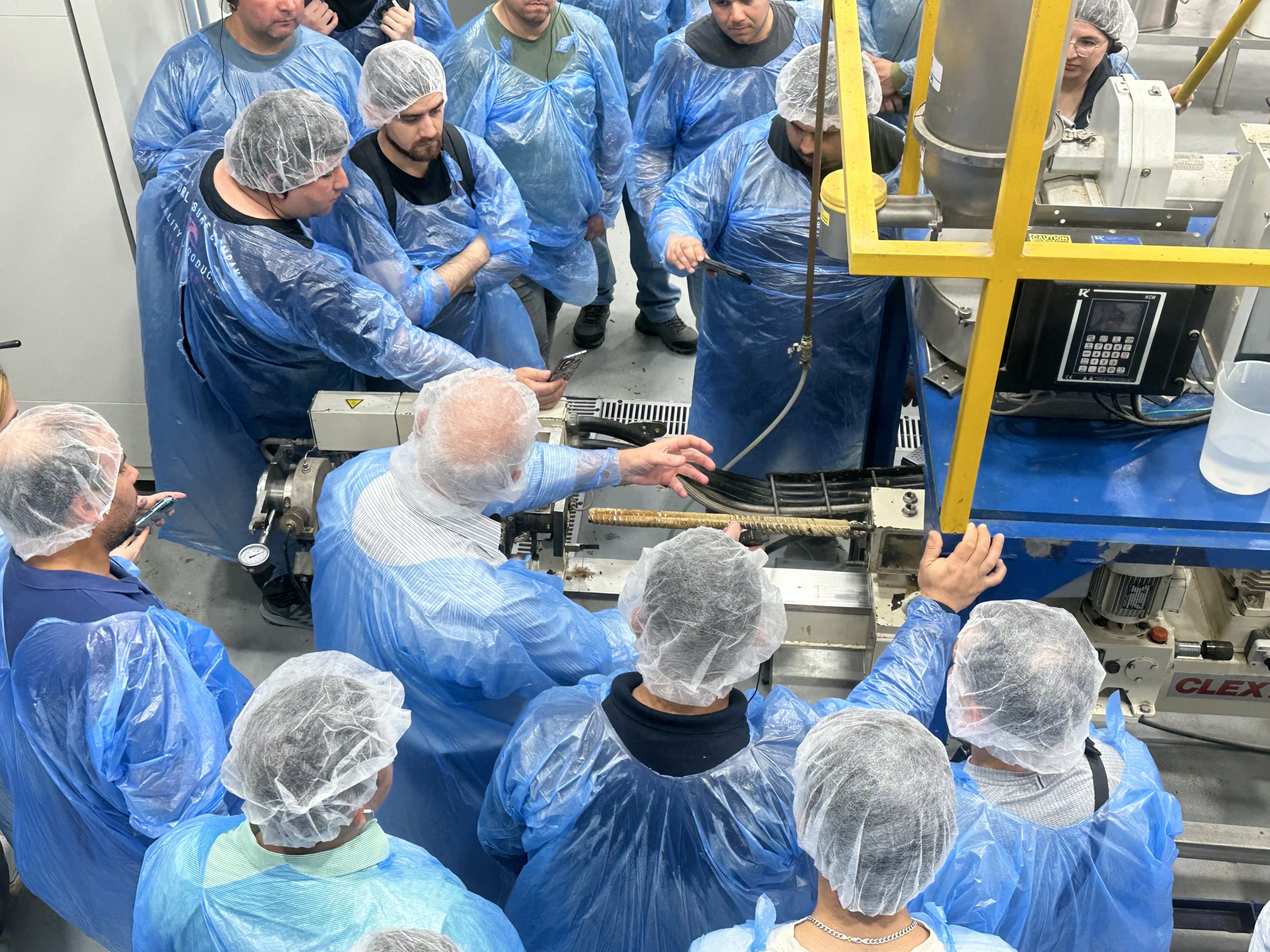
The body, which included simultaneous translation from English to Spanish, took place in its theoretical phase in the facilities of the Continuing Education Directorate of UCT, while the practical stage it was carried out at the Pilot Animal Food Plant of the Department of Agricultural and Aquaculture Sciences of San Juan Pablo II Campus.
This workshop has been held several times within the University in cooperation with Dennis Forte and is aimed at both undergraduate and postgraduate students, as well as professionals associated with the production of fish and other animal feed. We have people from Chile and abroad, and from some of the main producing companies aquaculture foods", specified the Dr. Adrián Hernándezprofessor and researcher of the School of Natural Resources UCT.
Dennis Forte is a chemical engineer with extensive experience in extrusion processing and related processes, including drying systems. Throughout his career, he has collaborated with various companies, such as Mars Corporation and The Uncle Toby’s, participating in the development of a great variety of foodstuffs for human consumption and animal feed.
"Although I have come on other occasions to dictate the workshop, the program is the same; the program varies depending on questions and questions. interactions that are generated. It's more of a Talk. a very structured course," said Dennis Forte.
Upon being consulted on the image of the Chilean salmon industry, the chemical engineer said that "the industry is evolving to become more sustainable. They're stopping using fishmeal and switching to fishmeal. plant and other marine origin, like microalgae, and also insects (...) The entry of new ingredients always brings positive things for the industry," he said.
Read more » The salmon farming industry joins agriculture
Also read » The integrated work of Salmones Antártica to become a reference for sustainable development
By their part, Daniel Pérez, who works as a process engineer at the Spanish subsidiary of BioMar, he detailed that each year they produce around 55,000 tonnes, what within the industry is a smaller production.
The professional, who for the first time participates in this type of workshops in Chile, said: "The aquaculture industry It's not such an old industry.. It is clear that it faces Challenges very large in terms of the development of sustainability and therefore it is very important to know What are you doing? other countries, other companies."
On the same line, Gustavo Atahualpa, from Colombia and who works in Italcol (company specializing in the production of concentrated food for different animal species), said that "the industry in which I perform is one of the bases of engines of the economy. The company manufactures food for many species and has 19 plants and with a presence in Ecuador, Panama and is starting processes in Peru," he said.
Laboratory and testing
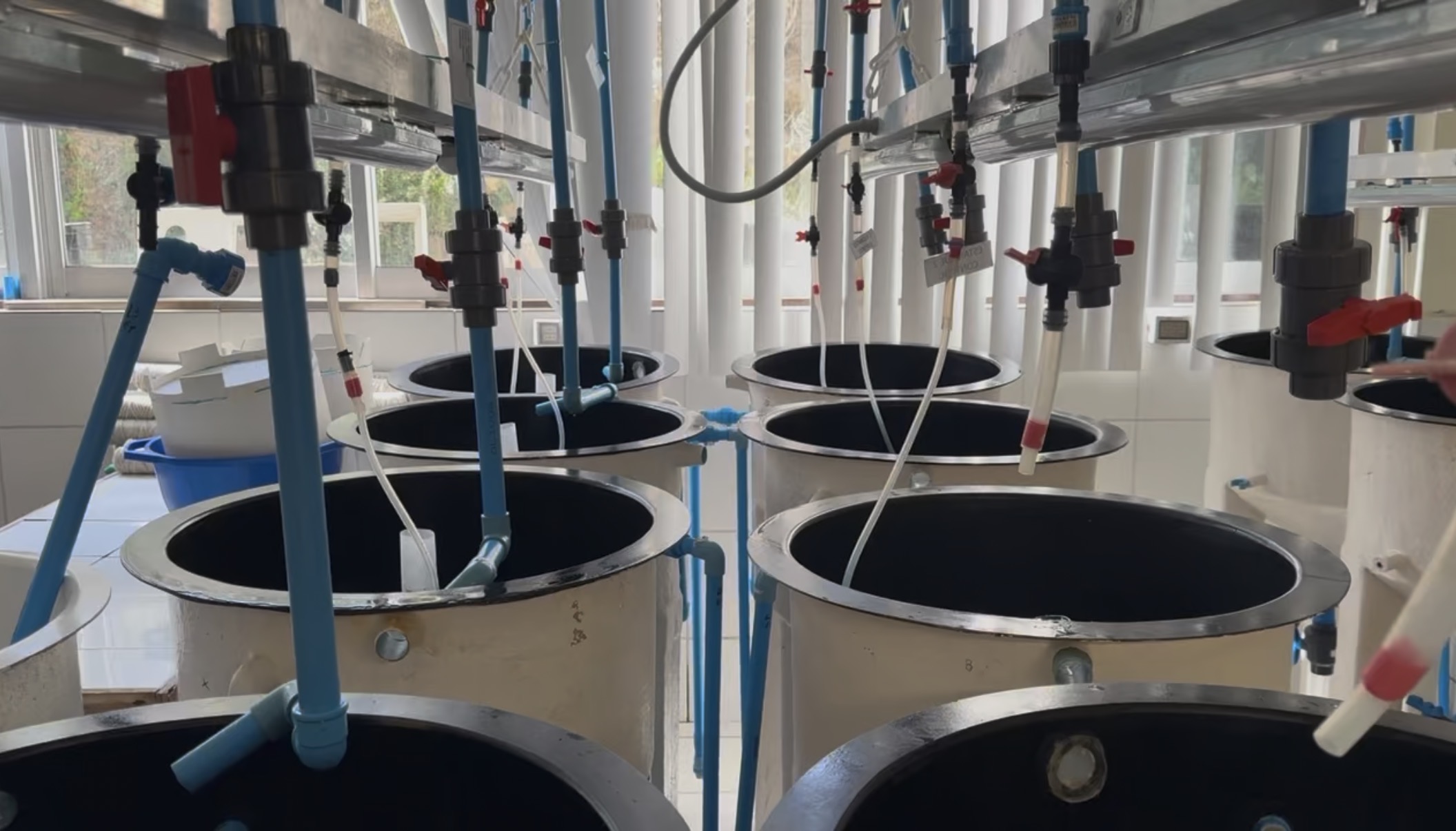
Dr. Adrián Hernández highlighted that the Catholic University of Temuco has a pilot scale extruder, a laboratory tool that allows to produce small amounts of extruded food and perform preliminary tests of great interest for the food industry.
"Extrusion technologies allow processing various products and food, for both human and animal consumption, with very specific characteristics. In aquaculture, for example, the food is required to be expanded and possess physical properties that allow it properly float in the water column, in addition to facilitating the incorporation of oils. This technology is also used in the processing of pet food and pet products. human consumptionlike cereals for breakfast," explained the academic of the Department of Agricultural and Aquaculture Sciences of the UCT.
To close, he stressed that in Chile they exist few extruders pilot or experimental scale, most of which belong to other universities and research centres focused on development and research in food for human consumption and animal nutrition.
*Photos: courtesy of UCT.