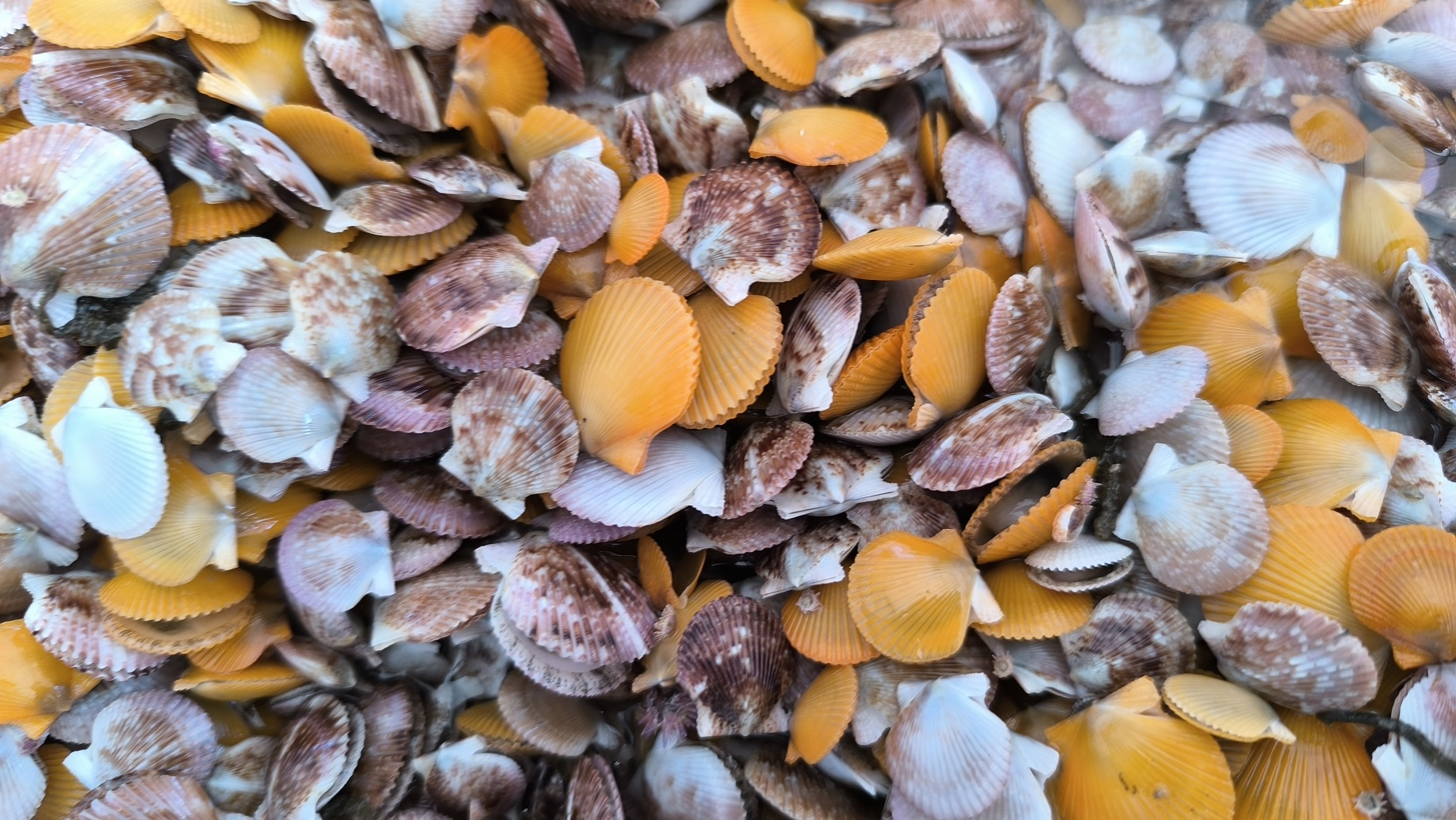
Initiative focused on the production of microalgae in photobioreactors, the staged maturation of
broodstock in a modular recirculation system and the recirculation system for larval and postlarval cultivation.
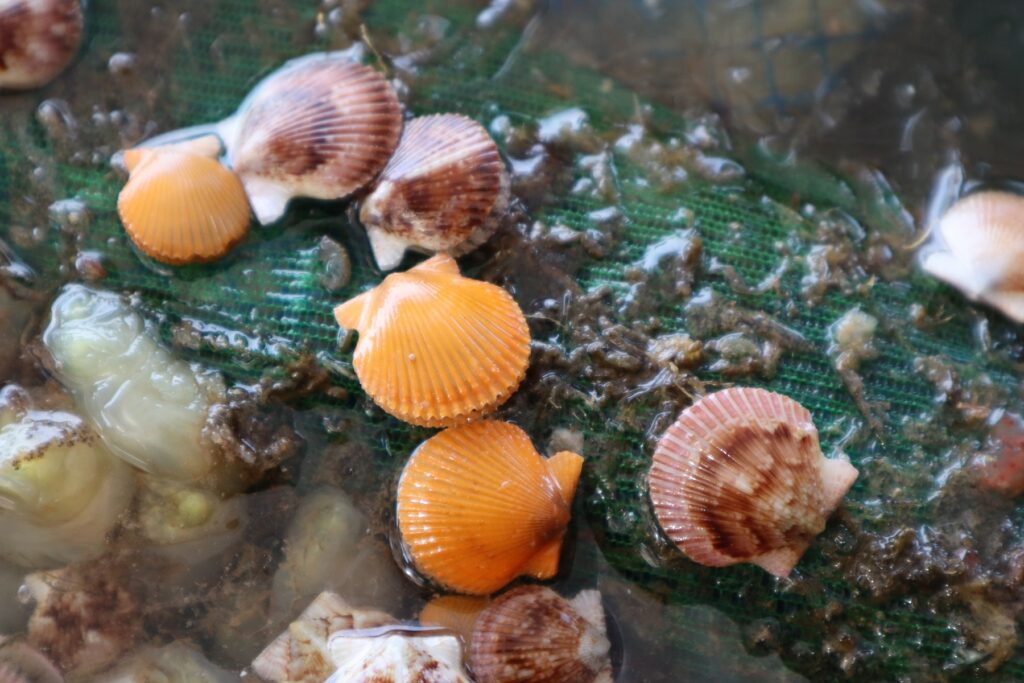
After two years of work and the implementation of a pilot breeding system in hatchery, which aimed to establish a model that would allow the production of Northern Oyster seeds (Purple scallop) in a continuous manner throughout the year, with particular emphasis on the cold months (April to September), it was finally possible to demonstrate the technical and economic feasibility of the proposal.
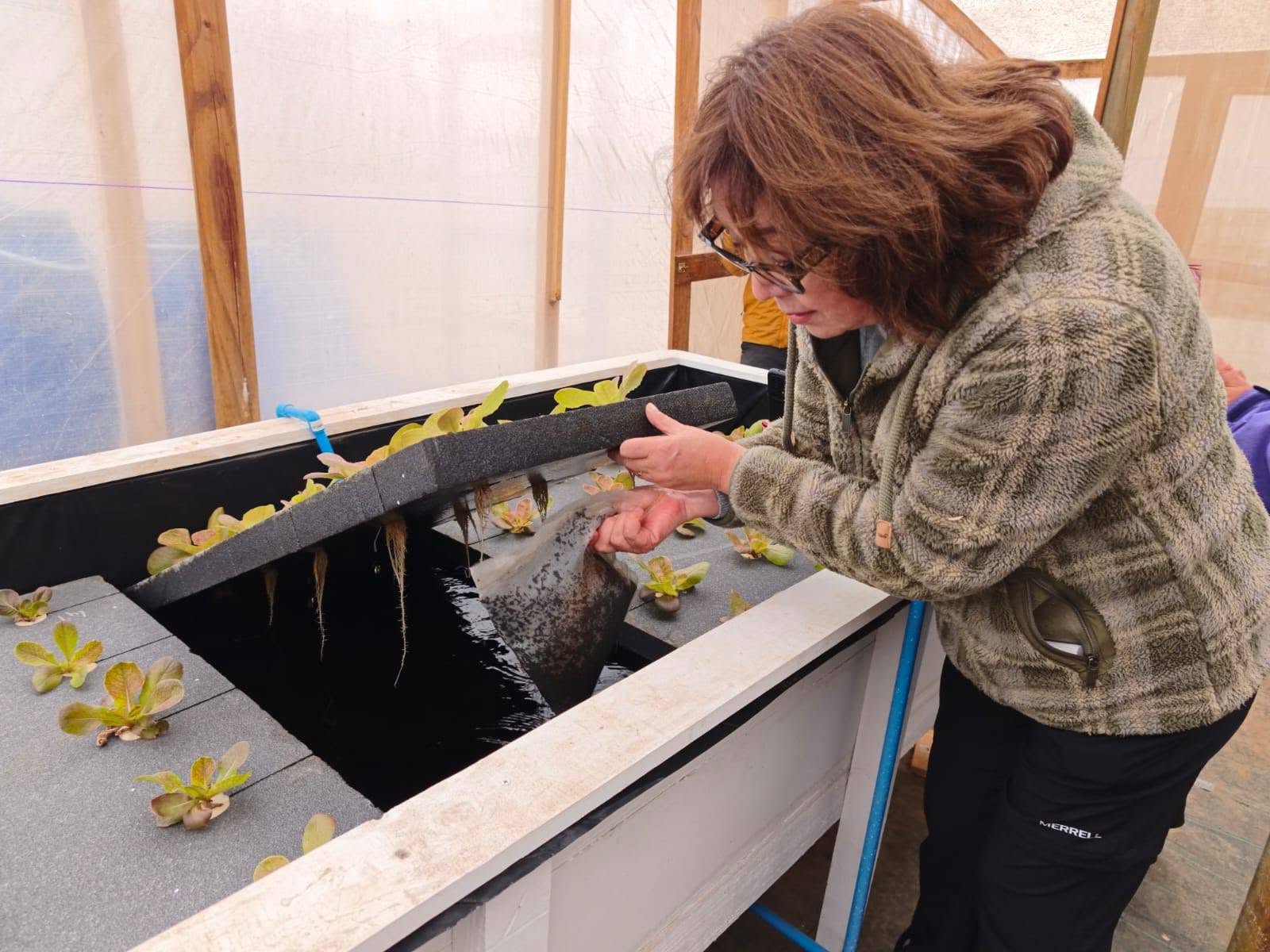
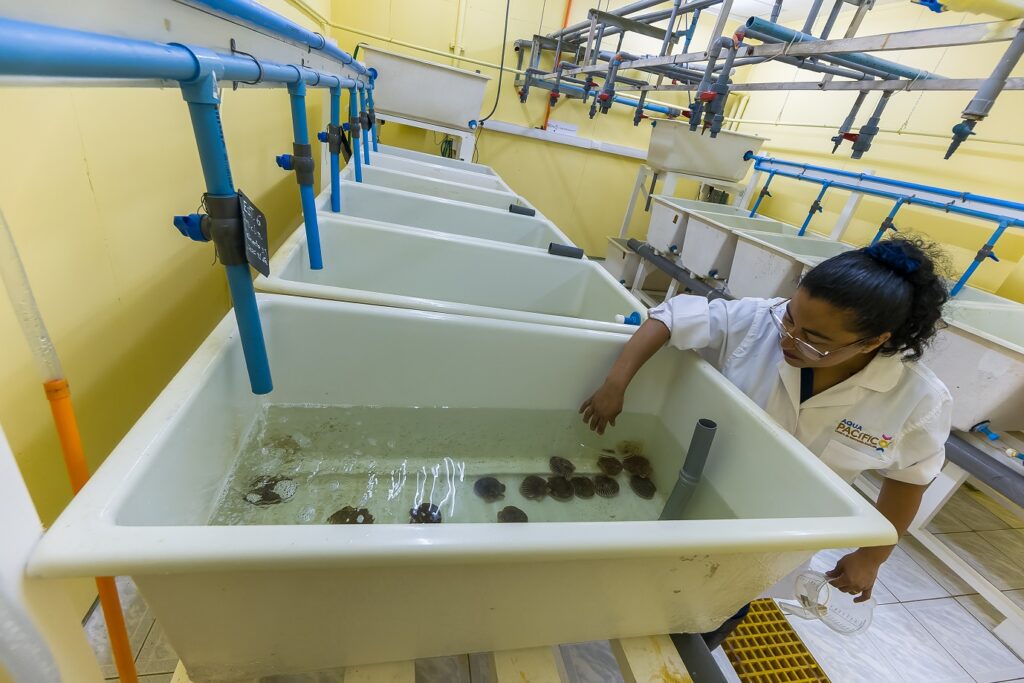
The production model presented in the project titled Technology transfer for continuous oyster seed production, developed a pilot prototype consisting of the production of microalgae in photobioreactors, the staged maturation of broodstock in a modular recirculation system and the recirculation system for larval and postlarval culture.
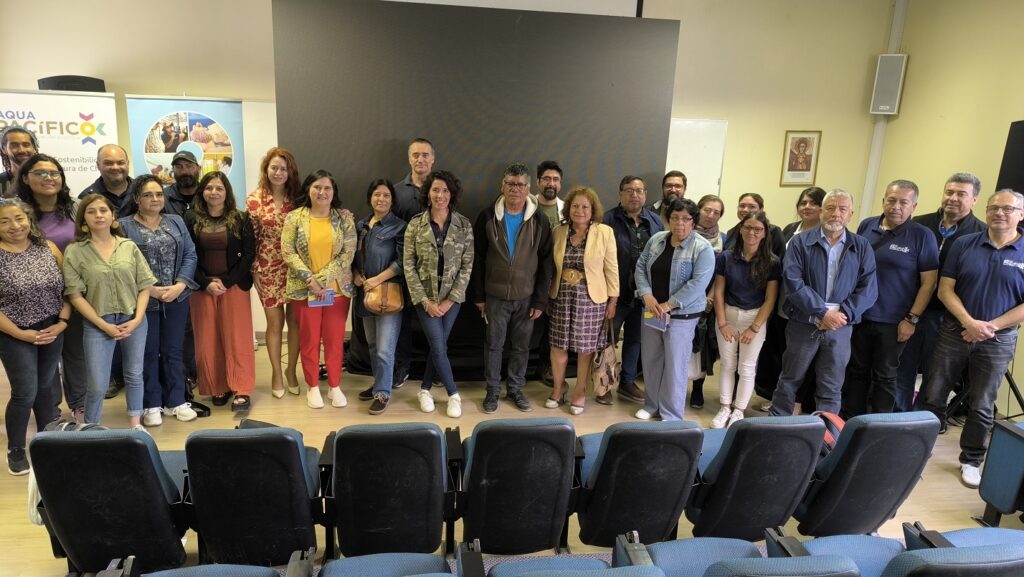
The initiative was led by the Aquapacific Aquaculture Technology Innovation Centerunder the direction of Dr. Hernán Pérez, a scientific researcher at the Centre and funded by the Competitiveness Innovation Fund (FIC-R) of the Regional Government of Coquimbo.
It also benefited from the cooperation of the Faculty of Marine Sciences of the Catholic University of the North and the Liceo Carmen Rodríguez Henríquez de Tongoy, the direct beneficiaries being aquaculture enterprises Sociedad Agua Marina S.A., Solis Ltda. and Sociedad Pescamar S.A.
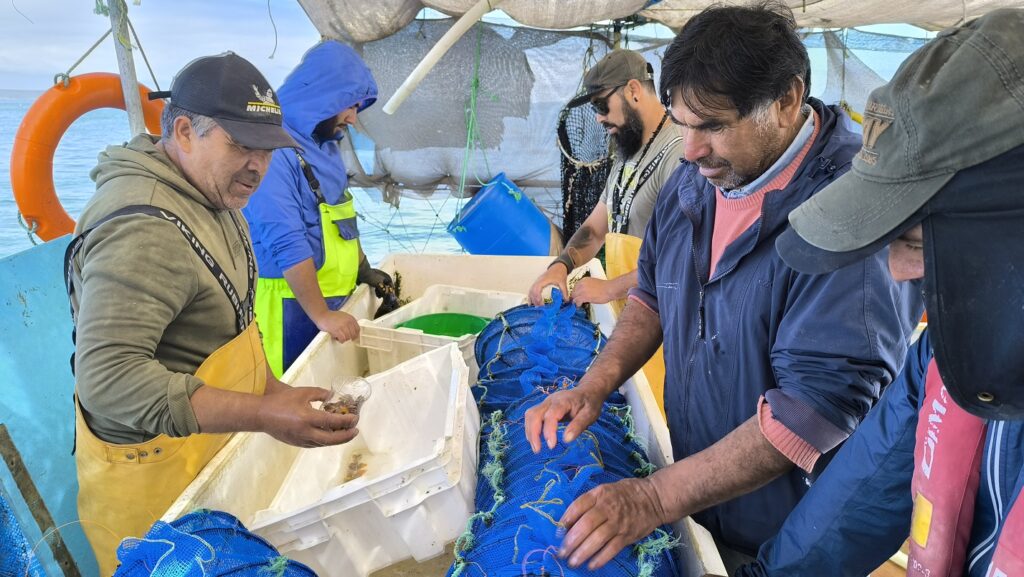
“We have completed the project, with a workshop that allowed us to present the results and projections of the project. Among the main results are associated the technical viability of continuous seed production and the projections of its productive scaling to assess the economic viability of this process,” said the director of the initiative.
As stated in the “Closing workshop: Technological developments for the production of North Ostion seeds”the proposal was evaluated both technically and economically. “The results of this project showed that production is technically viable and the economic (operational) part is also viable. Therefore, the projections of the results of this initiative are validation, on the one hand and, on the other, productive scaling. For that the challenge is to be able to develop different centers that produce this seed for Small Farmers Scale as well as for larger companies,” said the AquaPacific Project Manager, Daniel Arriagada.
Claudia Soto, Executive Director of AquaPacific, emphasized that this project is not an isolated initiative, but is a starting point to make available the capacities of the center through technical assistance, technology transfer and implementation of the technologies that have been developed in the different companies and organizations, interested both in strengthening the cultivation of the oyster and diversifying its activity. productive.
“As a center we believe that this project contributes enormously to the development of resource cultivation, but also to the strengthening and sustainability of Small Scale Aquaculture (SAP) and all the organizations, mainly from the town of Tongoy and the Coquimbo Region, that are engaged in this activity,” he said.
Also, the regional governor, Cristóbal Juliá, highlighted the work done and the benefit it means for the community, noting that "as a regional government, we are committed to supporting the projects that promote aquaculture in our region, especially those that will benefit various aquaculture companies, thus contributing to the continuous development of the area".
I work with Tongoy Lyceum
For her part, the director of the Liceo Carmen Rodríguez Henríquez de Tongoy, Perla Araya, said that for the lyceum participation in the initiative was very significant and important, especially to be able to support with research processes and have new learnings for aquaculture students.
On the other hand, he highlighted the efforts made to establish a school cooperative, which would allow students of the high school to have new possibilities. “The creation of a school cooperative was very interesting. A new challenge that we hope to consolidate this year and in the years to come for students to come out with better skills in the world of work.”
Outcome of the proposal
The operational cost analysis of the operation of the prototype focused mainly on human resource costs, microalgae production, energy, food, maintenance and crop inputs. The above costs were estimated and production was considered in an annual cycle based on 10 continuous seed productions, with a total production projected at 1,500,000 seeds per year.
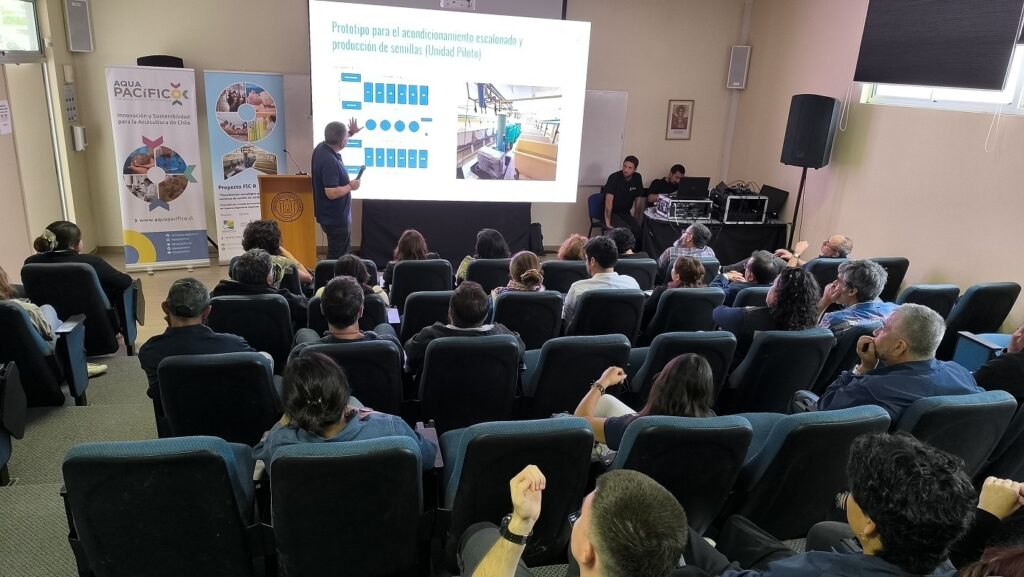
Dr. Pérez explained that “in determining the operating margin of the system, the estimated value of a 5 mm seed would be 1.48 pesos per mm, to obtain a positive result in this analysis. An evaluation on a larger scale of production and time is necessary to determine the profitability of the process and observe a low potential of the price of the seed.”
The researcher further points out that the future challenge is to evaluate the productive model in a relevant environment on a larger scale through effective technology transfer. In addition, he said it is necessary to consider the incorporation into the model of a nursery of postlarvas, because the results of seed production can be strongly affected by the environmental conditions that postlarvas can find in the natural environment, when they are transferred to the systems of growing fat. “The possibility of entering larger seeds into the natural environment would reduce mortality at this stage,” he warned.