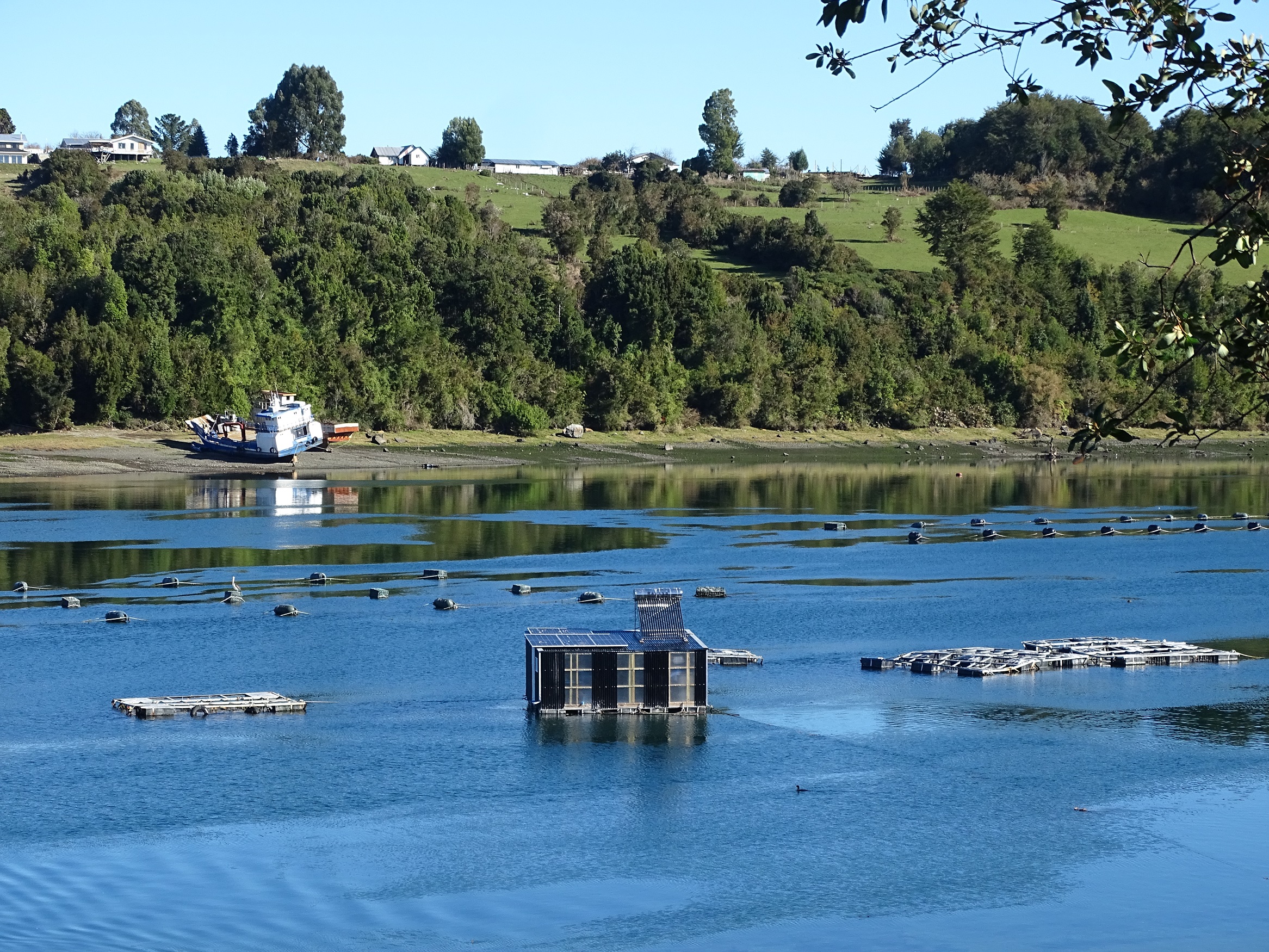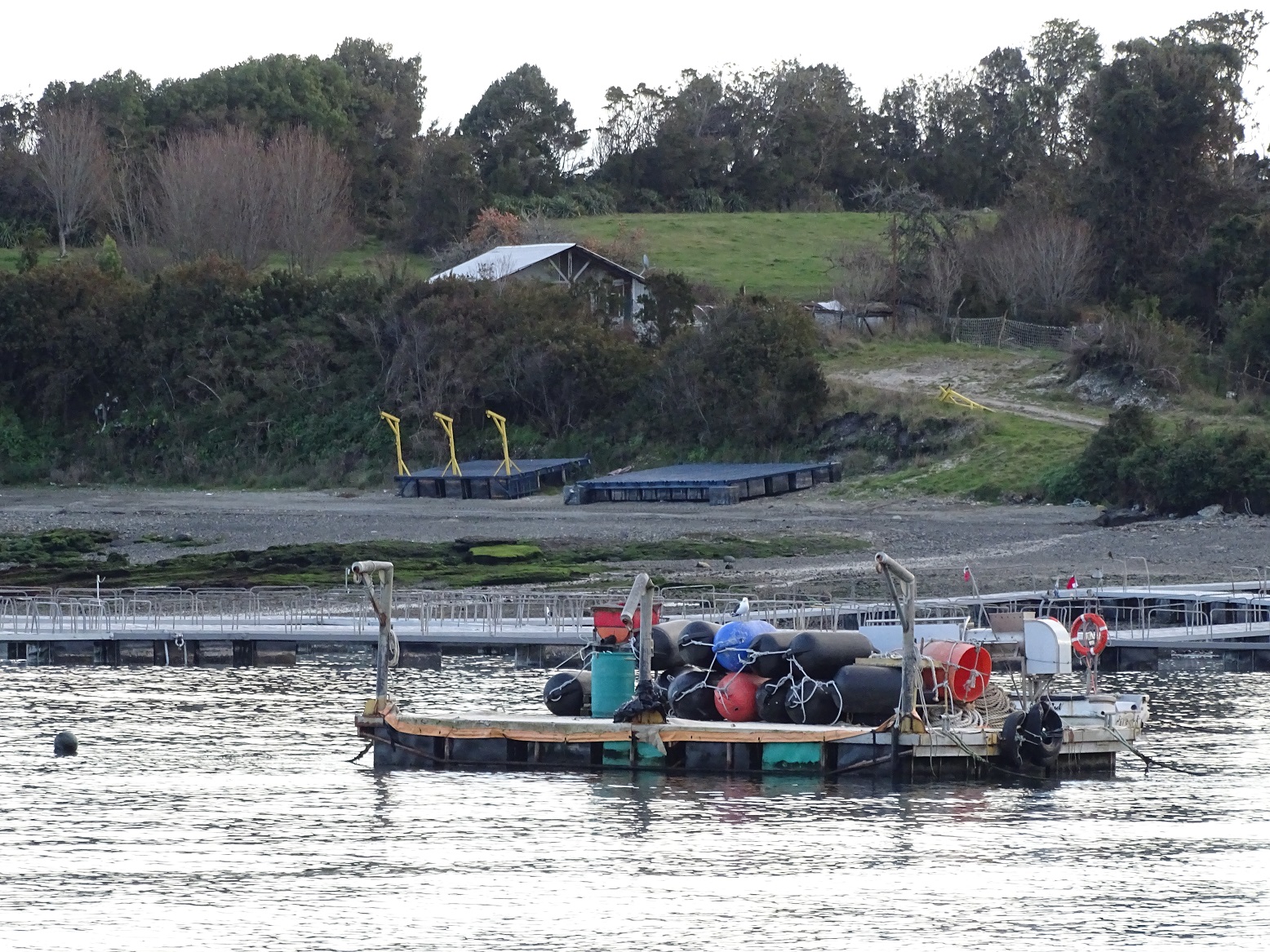
Species were selected considering various criteria, including the economic relevance of the activity (chorito), activity corresponding to small-scale aquaculture with early development (pelillo and ostión).
A study by Researchers from the "Socioeconomic Sustainability" line of Interdisciplinary Center for Aquaculture Research (INCAR) analyzed and compared the performance of three aquaculture production systems in Chile: choro, pelillo and oyster.
The study "Applying and assessing the aquaculture performance indicators (APIs): Evidence from three aquaculture production systems in Chile", published by the journal "Aquaculture Economics & Management", found that the three production systems have a good performance in the environmental, economic and social (community) dimensions; however, there are some gaps associated with the farming, for example, third-party certification and perception from the community regarding the operation of the industries related to the studied crops.
The Performance Indicators of Aquaculture (Aquaculture performance indicators, APIs, by its acronym in English) are designed to evaluate production systems in aquaculture in different parts of the world. They mainly measure three key dimensions: Environmental Dimension, Economic Dimension and Community Dimension.
The APIs consider a total of 154 specific metrics or indicators, classified as follows: Input Factors (API Input) which refers to enabling conditions that contribute to the process of encouraging the socio-ecologically sustainable use of aquaculture resources, and Output Indicators, which identify whether the aquaculture system is delivering economically viable and socio-ecologically sustainable results. sustainable, in addition to measuring performance in the communities.
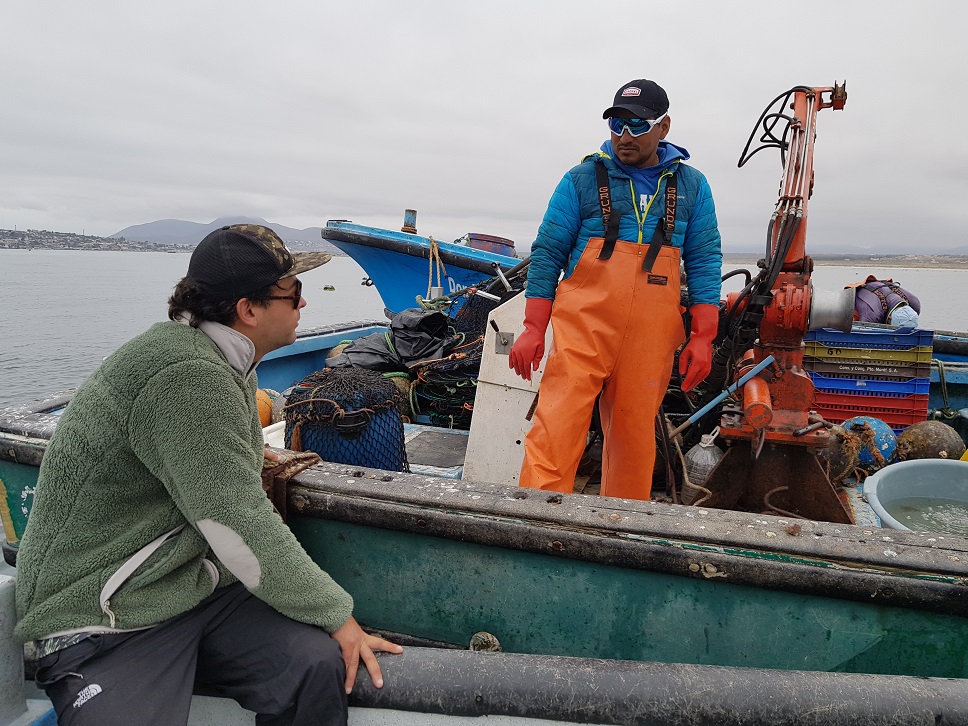
The three species analyzed in the study were selected considering various criteria, including economic relevance of the activity (chorito), activity corresponding to small-scale aquaculture crops with incipient development (pelillo and osthion). Salmon was not included because the API methodology had previously been applied to this crop in Chile. For each crop considered (chorito, fur, and osthion) the value of each metric (154 indicators, 88 outputs and 66 inputs). The level of each indicator was obtained by reviewing secondary information and evaluating experts.
According to the Associate Researcher of the Center and Academic of the Faculty of Economics and Business of the University of Talca, Dr. Carlos Chávez, highlights that “due to the lack of comprehensive knowledge about the environmental, economic and social impact of aquaculture, the work provides information to carry out the performance evaluation of three aquaculture production systems in Chile. This information and analysis could be useful for the policy formulation and future research development by allowing performance to be assessed by dimension and identifying gaps associated with productive activity in the crops considered,” he explained.
Dr. Chávez added that “the work proposes a way to evaluate the methodology of the APIs. As far as we know, this type of evaluation has not been carried out before. More specifically, our production function approach considers that outputs depend on inputs. Eventually variations in outputs between crops should be related to variations in inputs between crops. We use the application for the three crops mentioned above to evaluate this hypothesis, this methodology being an indirect way to evaluate the proposed performance indicators.”
The expert evaluation was developed through online interviews, between 2020 and 2021; and included nine expert interviews for the case of chorito cultivation, six for hair, and nine for the case of ostion. The interviewees included professionals from state regulatory and control agencies, producers, scientists, and representatives of processing plants.
Check the study here. “Applying and assisting the aquaculture performance indicators (APIs): Evidence from three aquaculture production systems in Chile”Dr. Caros Chávez, Dr. Jorge Dresdner, Nuria González and Mauricio Leiva.