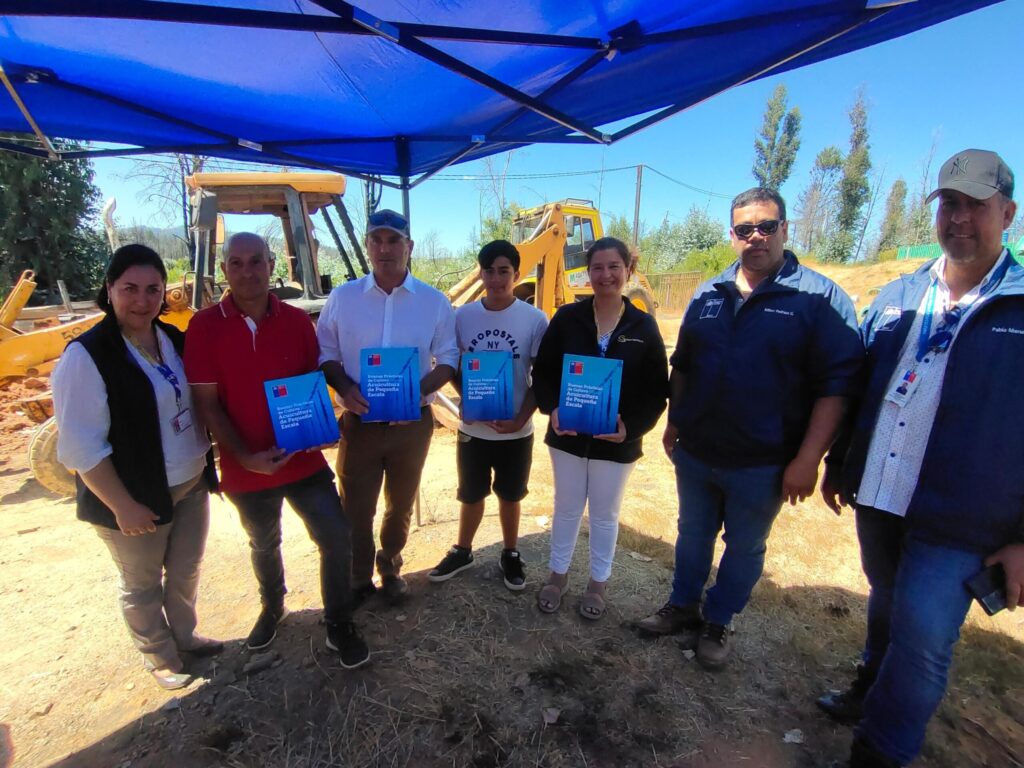
Document was officially handed over to Germán Zamorano, the first small-scale acuicultor in the area so that his example would help more people to dare to formalize their activities.
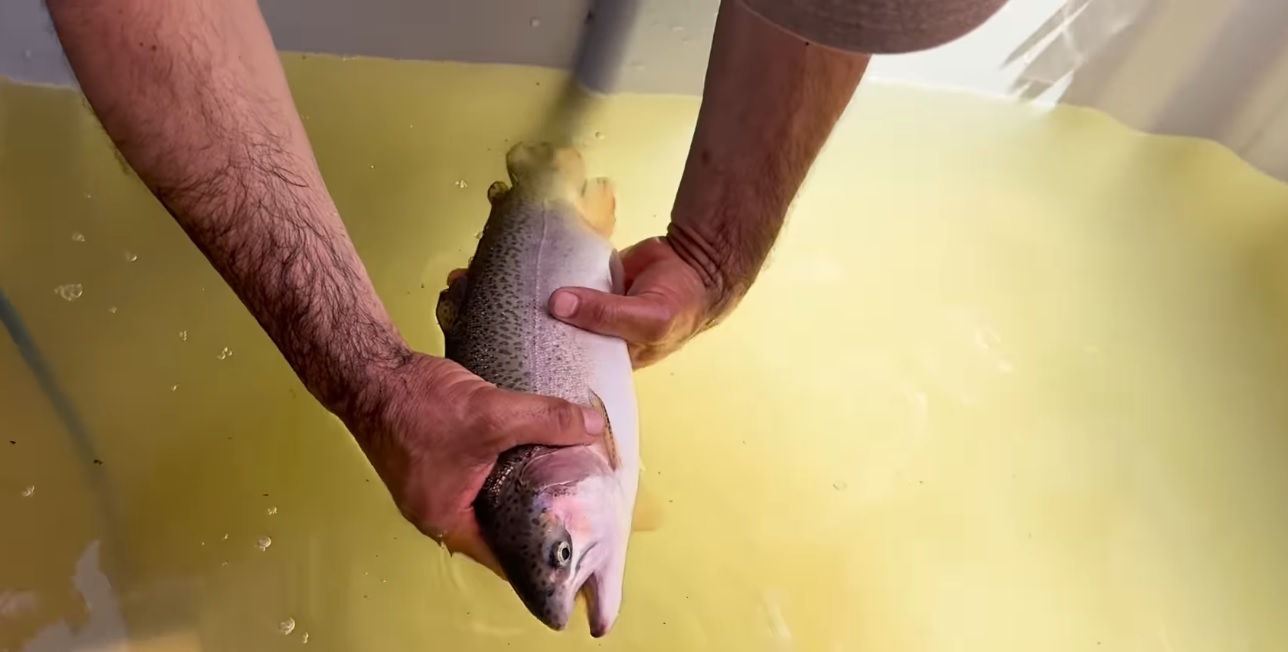
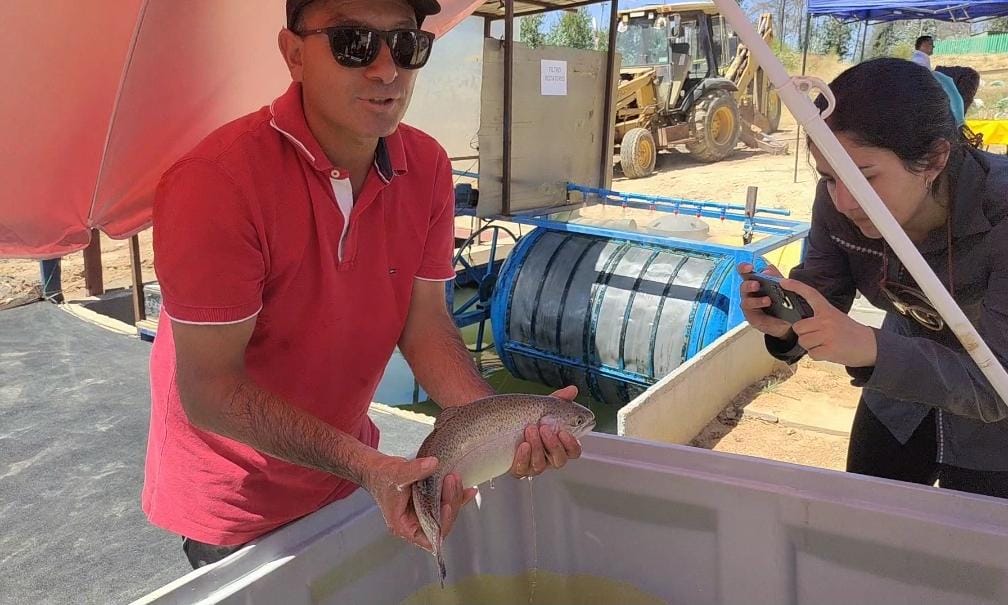
From the municipality of Nacimiento, in the Biobío region, Germán Zamorano prepares his trout fish farming to sell to restaurants in the sector. This is his undertaking that currently possesses 1,600 fish to which he feeds daily and is concerned to generate the optimal conditions health operation and accreditation of legal origin.
“I worked 15 years in the salmon industry in the south of the country, but my lady got sick, so I decided to set up this venture and go back to the region with her family. My expectation is to continue with my trout and be able to opt for a small processing plant to be able, later, to sell product,” said German Zamorano.
Small Scale Aquaculture (SAP) is a productive activity developed in bodies of water and/or on land, being an alternative to generate income, through the production of different hydrobiological resources such as fish, molluscs and algae, for the purpose of repopulation and/or marketing.
Soledad Tapia, National Director of Sernapesca, visited the APE Biobío center, which adds to the 1,100 existing centers throughout the country. “The Government of President Gabriel Boric is promoting the reactivation of micro and small aquaculture enterprises with initiatives such as the implementation of small-scale aquaculture for the recovery of their productive potential, this is how training has been carried out and lines of funding for entrepreneurship initiatives,” said the authority.
With the entry into force of the Regulation for Small Scale Aquaculture in 2022, which recognizes, makes visible and regulates activity as a productive alternative and a complement to activities such as artisanal fishing, this productive activity has received a boost in recent years.
The Biobío economics seremi, Javier Sepúlveda, noted that “in the region we have fish farming, aquaculture concessions and APE management areas, which currently grow trout, mussels, pectinides and mainly hair. And it is a great alternative to the diversification of fishing activity in our area.”
Sernapesca created the Small Scale Aquaculture Regulation, which sets out the general operating conditions to be met by small-scale aquaculture centres, which was presented through the Manual of Good Cultivation Practices for the APE and was officially handed over to Don Germán Zamorano, the first small-scale aquaculture farmer in the area so that his example serves to enable more people to dare to formalize their activities.