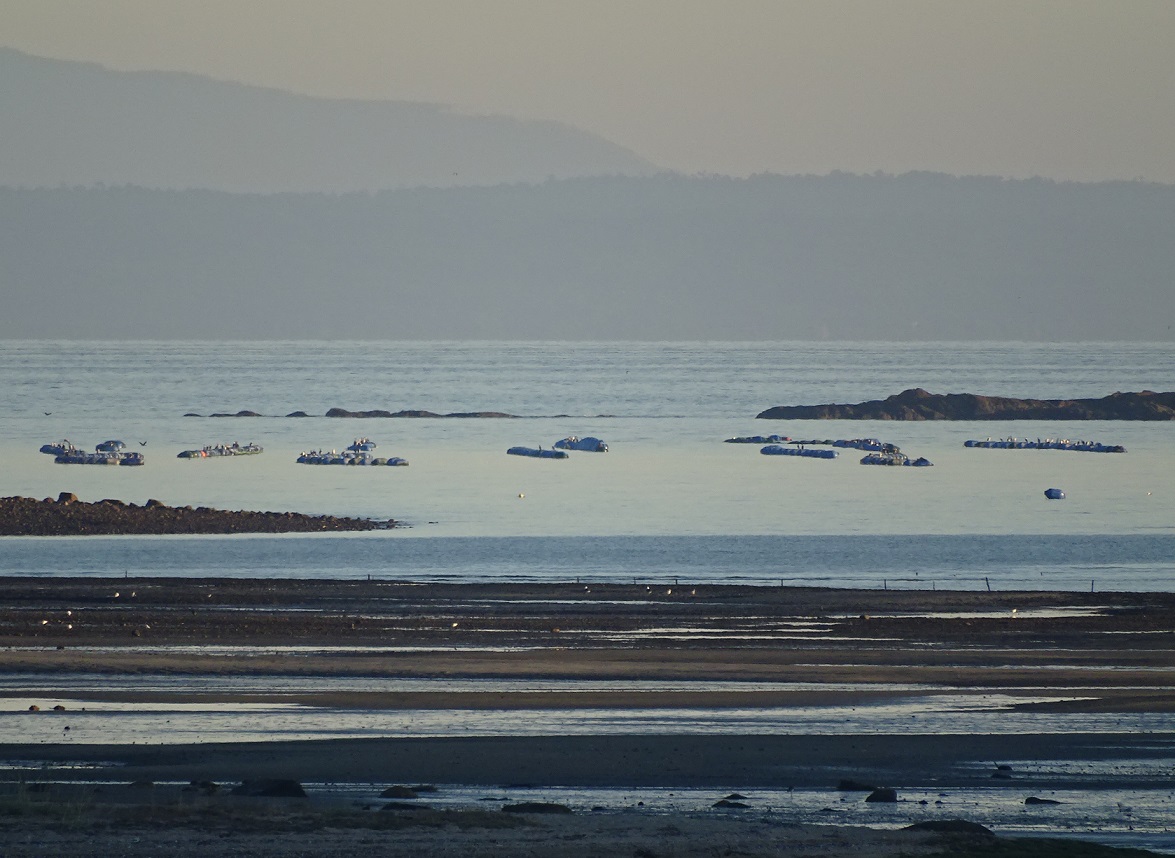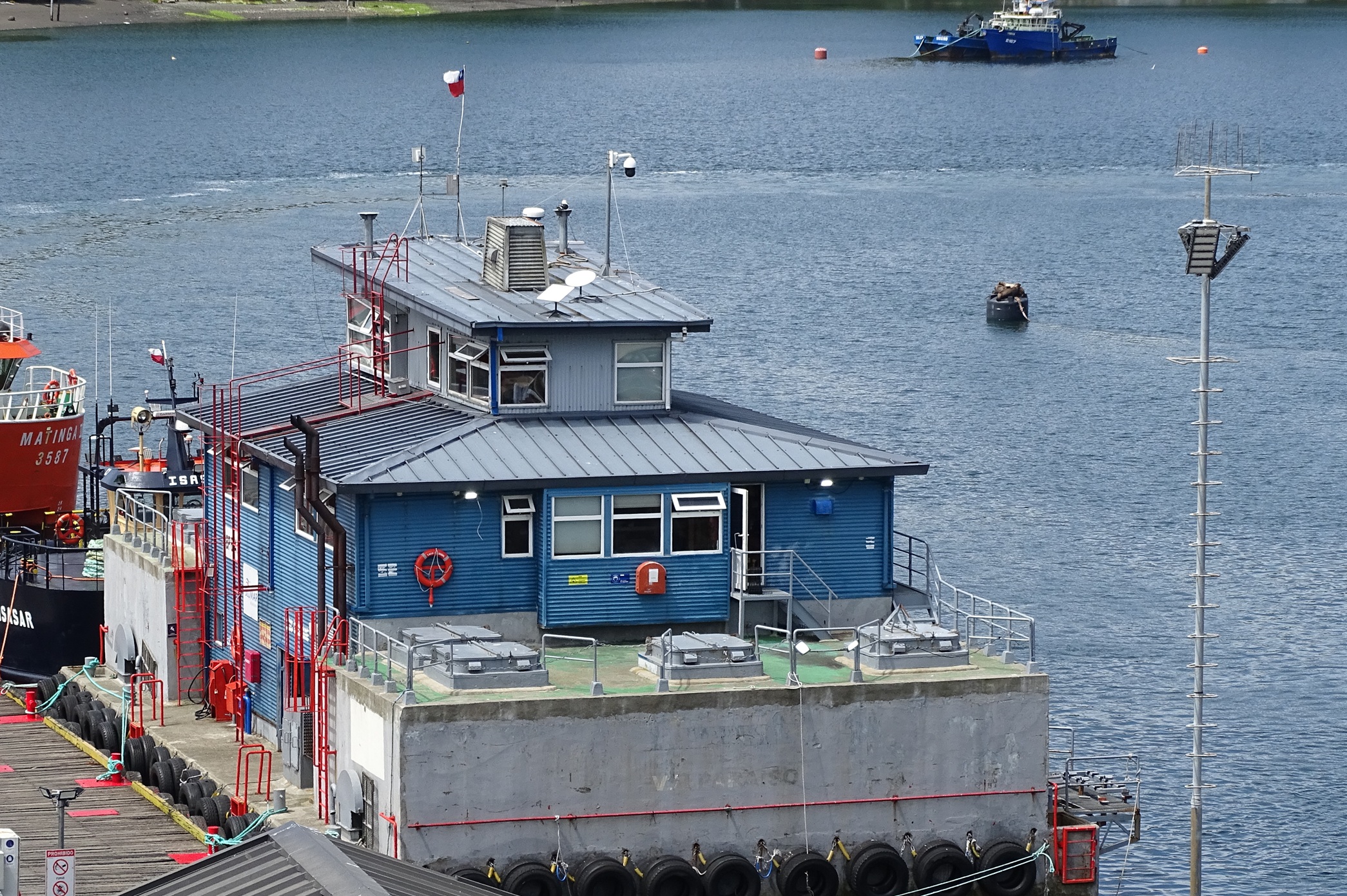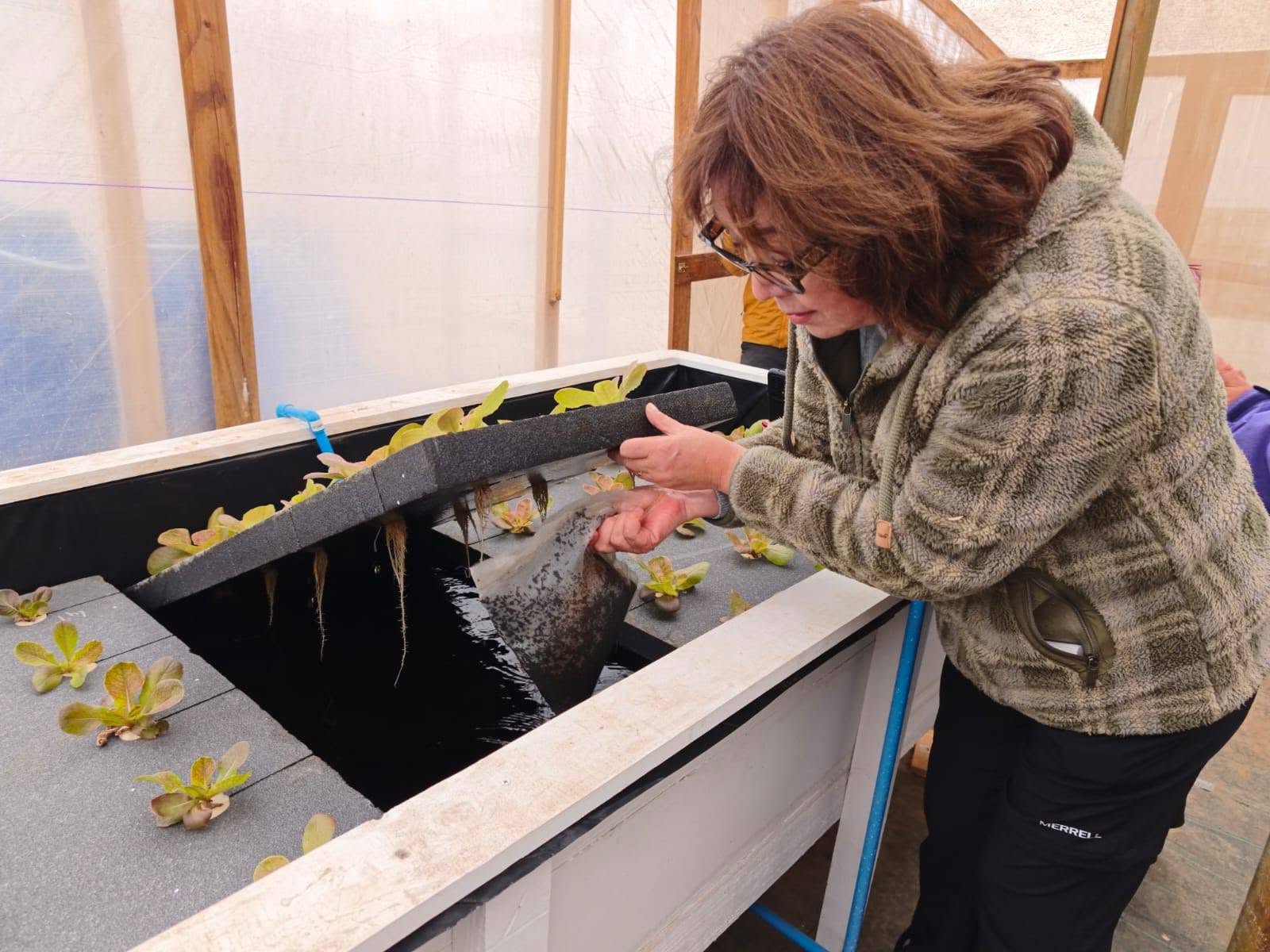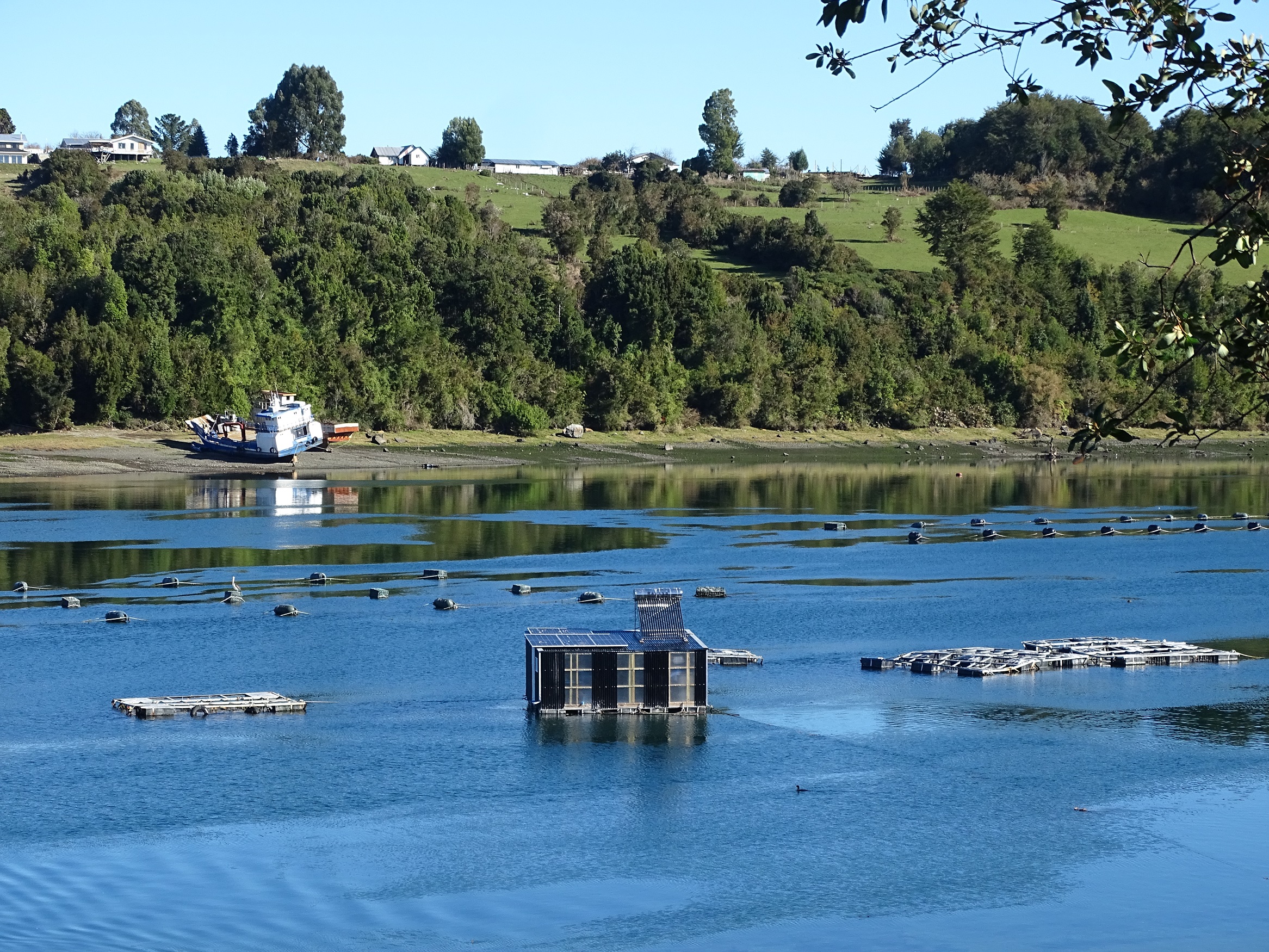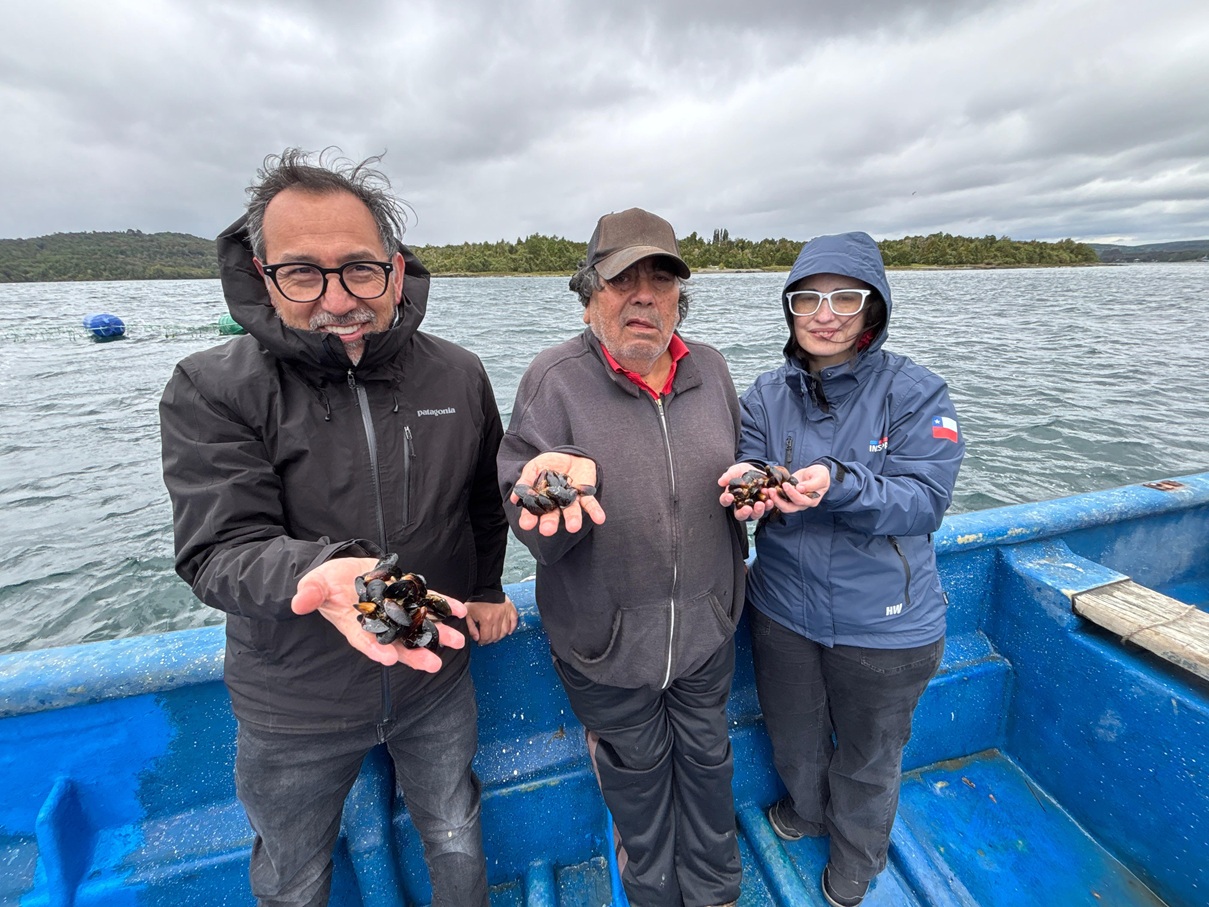
The delivery benefits 56 producers and was carried out in Quellón, in the framework of World Aquaculture Day highlighting the trajectory and entrepreneurial spirit of small local fish farmers.
Within the framework of the Bicentenary Chiloé Economic Plan promoted by the Ministry of Economy, Development and Tourism, INDESPA, together with the Presidential Delegation of Chiloé and the Regional Ministerial Secretariat of Economy, Development and Tourism, delivered about 807 million pesos, directly benefiting 56 small-scale aquaculture women selected through INDESPA's Small Scale Aquaculture Programme.
The activity took place in the cultural center of Quellón and brought together about forty of the selected beneficiaries.
The President, Marcelo Malagueño Maira, said that this initiative fulfills the word committed, with the commitments of the Bicentennial Plan. “This is a commitment that Economics acquires, to support small aquaculture through INDESPA. Here there are 56 beneficiaries, with just over 800 million pesos to distribute, about 15 million for each of the beneficiaries. Some are small crop businesses, others are individuals. Highlight the cross-cutting support that the municipalities had to support these applications and how the results of a good public policy, associated with this Bicentennial Plan, yield concrete results and results in just under a year,” the authority stressed.
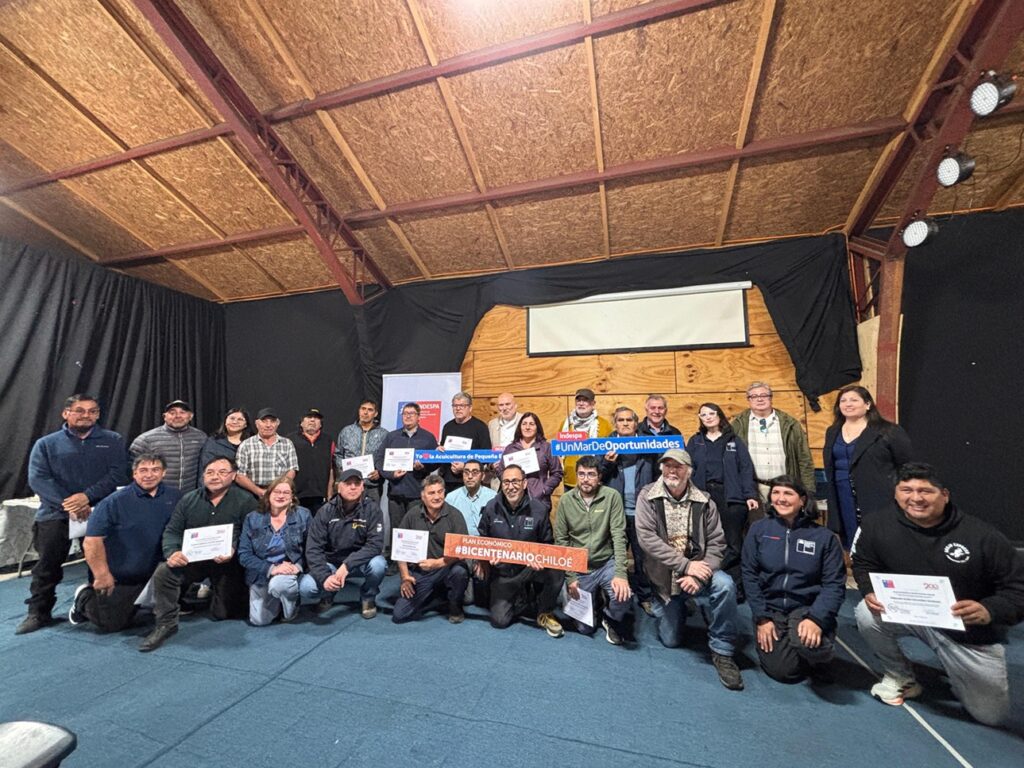
Regarding this, the seremi of Economy, Luis Cárdenas“We are committed to making progress on the Bicentennial Plan,” he added, “is part of what President Boric has asked of us, and today this is materializing on specific issues. This implies that small-scale fish farmers have been able to obtain significant resources to continue to develop their productive activity, to continue to grow, to be more competitive and that is precisely the purpose of the Bicentennial Plan when we focus in the development of artisanal fisheries and small-scale aquaculture”.
Beneficiaries appreciated this support, which in many cases they received for the first time from the State.
“First time I get a benefit from the government and happy because I’m going to invest it in buying buoys for the concession that I’m starting, then it’s a very good contribution that the government has given us,” says Ms Beatriz Cárcamo. For his part, Elias Coliboro, of the Estero sector Yaldad, said that “for many of us it was surprising to have stayed within the beneficiaries, for many years most of us had never received such a direct contribution from the State towards us, so today we highlight that because it really comes to revitalize many of the producers with new infrastructure, with new working materials and we are very grateful in that sense.” For Javier Barría Navarro, the initiative “comes to help me enough in what I do, which is the cultivation of chorito.The investment all is for the purchase of buoys for the cultivation, to strengthen what I have, excellent for me.”
More investment
The Small-Scale Aquaculture Programme (SAP) is one of eight initiatives promoted by INDESPA (National Institute for Sustainable Development of Artisanal Fisheries and Small-Scale Aquaculture), within the framework of the Bicentennial Chiloé Economic Plan, which aims to strengthen small-scale fisheries and aquaculture in the territory.
“This call funds the infrastructure needed to run a farm, including materials, equipment and technology such as harvesters, graders, farming platforms, ropes and buoys. The region received 1,200 million pesos. Initially 550 million was reserved for Chiloé, but strong participation raised the budget to 807 million for the 56 selected projects,” said the regional coordinator of INDESPA, Karla Oñate Fuentes.
The municipality of Quellón led this call with 24 selected cultivation centers and an investment that exceeds 343 million pesos, followed by Queilén with 12 projects, Castro with 5 initiatives and the remaining ones in Chonchi (4), Ancud (4), Puqueldon (3), Curaco de Vélez (2) and Dalcahue (2).
The Mayor of Quellón, Claudio Barudy Labrin, highlighted this communal investment and stressed the importance of continuing to enhance the cultivation of the sea “because it is the only way to protect resources, cultivating them. We are very happy, especially because we take away most of the resources allocated to the province are being invested here in our commune, taking into account that it is the most important territory in the production of mussels and I hope that it will continue to contribute more resources. This is how we are on the right track because we are supporting and promoting the local economy.”
Acknowledgements
Quellón is the cradle of mussel cultivation in Chile, since 1943 when the country's first mussel growing season was implemented here. Eight decades later, this activity has been consolidated as the second most important aquaculture industry in the country, positioning Chile as the second world producer of chorito after China, and each and every one of you since your work contributes to that achievement.
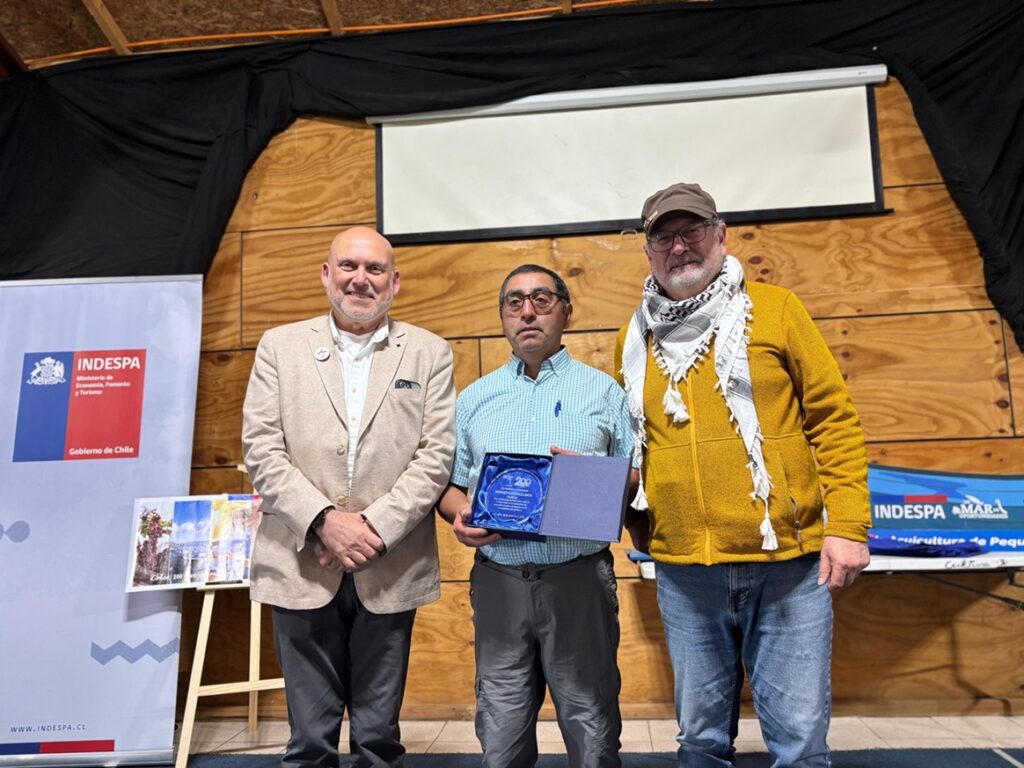
In this context and as part of the commemoration of the World Aquaculture Day that is celebrated every November 30, during this activity INDESPA highlighted the trajectory, commitment and contribution of small-scale fish farmers, giving recognition to the fish farmers of Quellón: Juan Andrés Nonque Llancalahuén, Horacio Blanco Pávez and Patricio Huenchullanca Huiscaque, who represent the spirit of this sector: family work, territorial roots and transmission of traditional knowledge to the new generations.