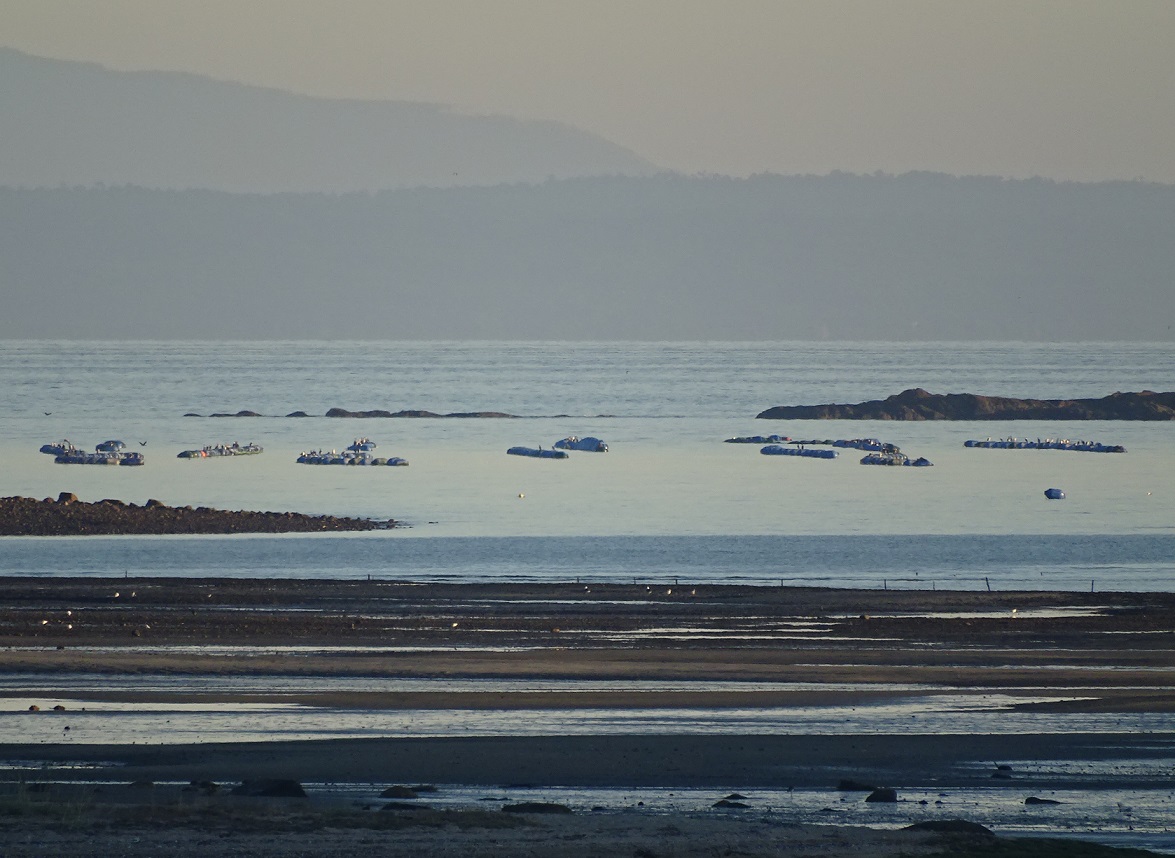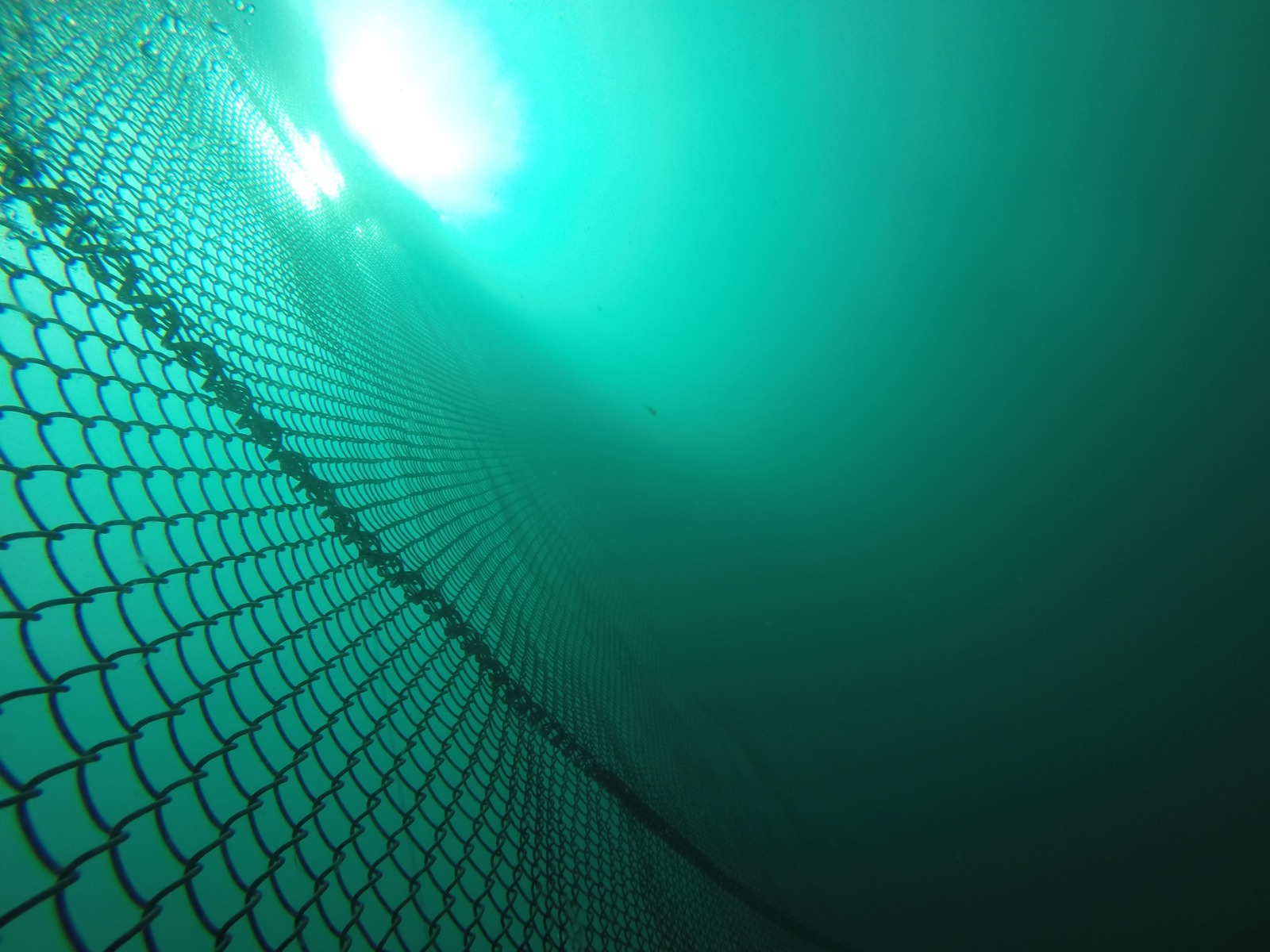
They will start with tests on aquaculture facilities that will be extended for six months in the localities of Caldera and Tongoy (Athacama and Coquimbo regions, respectively), with the aim of evaluating the use of coating for wires from crop networks with nano and anti-fouling microtechnology.
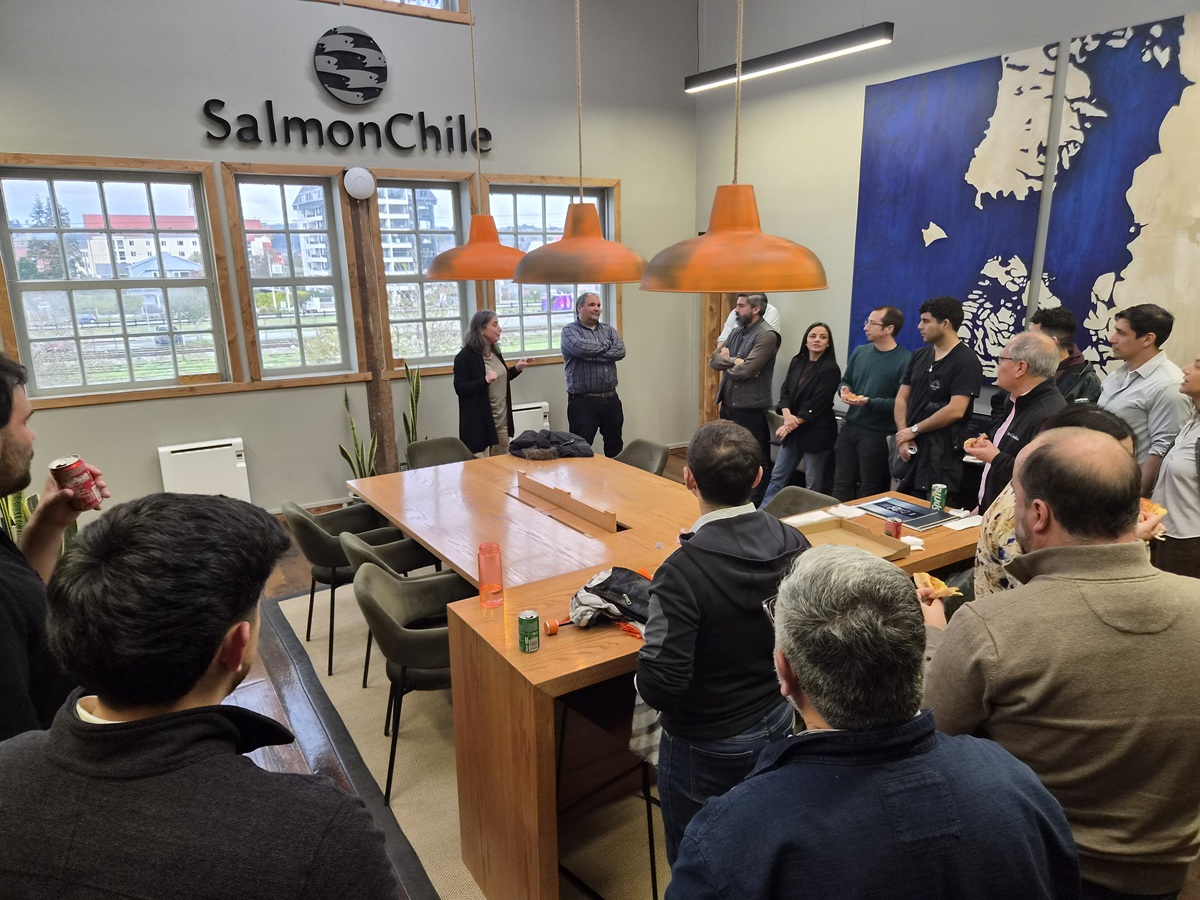
With the signing of a framework collaboration agreement, the joint work between the Inchalam company and the AquaPacífico Center. A link that promises to generate important collaborations in Research, Development and Innovation (R & D & I) for aquaculture.
The alliance established between the two institutions seeks to generate collaborative work on topics of research and technological development of mutual interest, including initiatives that allow to evaluate, for example, anti-fouling properties for metallic networks.
They also consider optimising flashlights from coated wire solutions generated by Inchalam, as well as designing floating culture centers for the species Seriola lalandi (palometa), in addition to the design and adaptation of technologies for the development of small-scale aquaculture (SSA).
Stop Gonzalo Cea, manager of the Aquaculture Division of Inchalam S.A., This collaboration agreement, given the nature of the entities involved (Fundación Chile, Universidad Católica del Norte, AquaPacifico and Inchalam), "constitutes a true cluster of technological innovation".
Similarly, they seek to develop expanded technological packagings that positively impact the private sector, government and society as a whole; that is, something very similar to an R & D & I cluster.
"Here we integrate knowledge, increasing our offer of service and solutions to the world of aquaculture and, in addition, we generate new innovative knowledge, integrating capacities, expertise and resources," said the executive.
They also expect to be able to build R & D & i+e projects (this last letter per entrepreneurship) that result in productive improvements of different marine resources of commercial interest and integration of capacities that allow to deliver technological solutions to centers of crops of hydrobiological species (considering from hatchery to the implementation of centers of cultivation of fat).
Progress of joint work
Through this link, they hope to increase the success rate of emerging aquaculture projects and improve the results of those currently in operation, with an emphasis on temperate, marine and freshwater species.
In this context, Claudia Soto, Executive Director of AquaPacific Centre, explained that initially the efforts are focused on complementing Inchalam's capacities on offshore farming facilities, with the offer of services of AquaPacific in terms of capture, maintenance and production of marine fish, especially the species Seriola lalandi.
"There are aspects associated with the scalability of the crop that must be validated to develop a technological package of interest for future investors, which includes both the technology developed by Inchalam and the productive protocols available to AquaPacific," Claudia Soto explained.
"We are now raising the requirements of potential projects and clients to elaborate the work proposals. As far as we are concerned, the idea is to contribute with our expertise in the design and implementation of floating production centers -based on our technology of metallic networks-, naval marine engineering for anchor designs of these production units and ponds of cultivation for systems of recirculation," added Gonzalo Cea.
In turn, the executive of Inchalam said that they are preparing a joint value proposal "to offer our service to private companies interested in investing in aquaculture development processes, both in Chile and abroad."
Anti-fouling tests
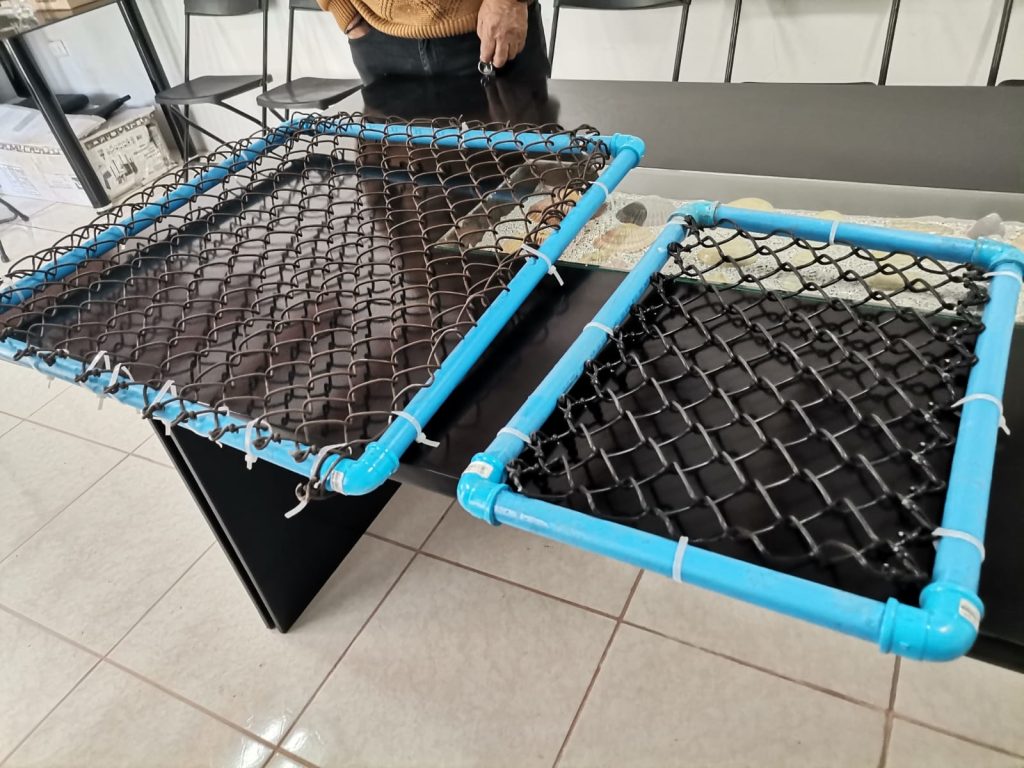
From the company Inchalam sent nets for aquaculture cultivation that incorporate innovative nanotechnology that could reduce marine smoking (unwanted fixation composed of algae, molluscs and bacteria).
"We have already begun working on the evaluation of anti-fouling properties in Inchalam metal networks, on networking solutions for the cultivation of fish and lanterns for mollusc cultivation (such as oysters and oysters), which would positively impact both industrial aquaculture and APE," said Gonzalo Cea.
This technology is used as a coating for network wires based on a polymer matrix, which has been added micro and nanoparticles that give it the anti-fouling property.
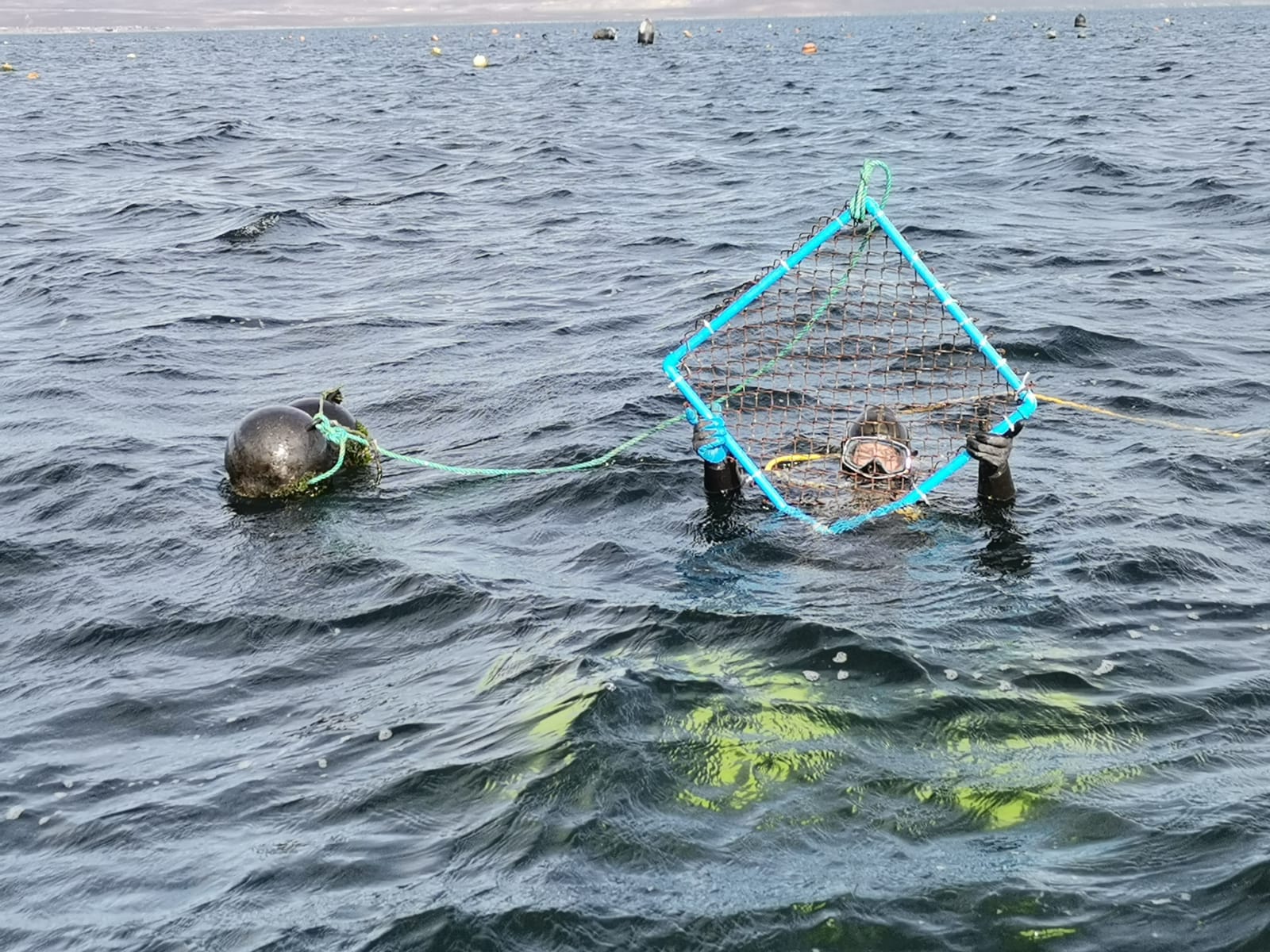
"We are going to test these networks by putting them in cultivation lines both in Tongoy (Coquimbo Region) and Caldera (Atacama Region), with the idea of monitoring them visually and observing the presence or absence of plankton organisms within these structures," said Claudia Soto.
The experiment shall be carried out for at least six months on culture lines installed at three metres depth. Initially the structures will be monitored periodically and physically, with the idea of recording how the structures are being populated and then, they hope to be able to identify the type of fouling that adheres.
"Based on this work and the results it produces, we will evaluate in what type of products or in what type of crops this material could be introduced," concluded the director of AquaPacific.
About Inchalam
Inchalam (Industrias Chilenas de Alambres Sociedad Anónima) is a company dedicated to the manufacture of wires and wire products in Chile. The Aquaculture Division, which has twelve years of experience, is oriented towards the innovative development of the use and application of wire and its different coatings in this activity. Among its solutions are the metallic nets, both for the cultivation and protection of fish, high or low energy environments (inshore u offshore, by its name in English), perimeter safety fences and ponds for ground crops.
AquaPacific
It's a Aquaculture innovation centre for the central-north zone of Chile arising from the alliance of two institutions that have been developing productive science for more than 40 years: North Catholic University (UCN) and Fundación Chile (FCh). With the support of the Production Development Corporation (Corpho)and subsequently the National Agency for Research and Development (ANID), the union of these capacities has been realized, in a new platform that realizes, promotes and promotes aquaculture, both regional and national, through the development of R & D & I processes aimed at the creation of new products or services of high value and market potential.
*Photos: courtesy of AquaPacific.