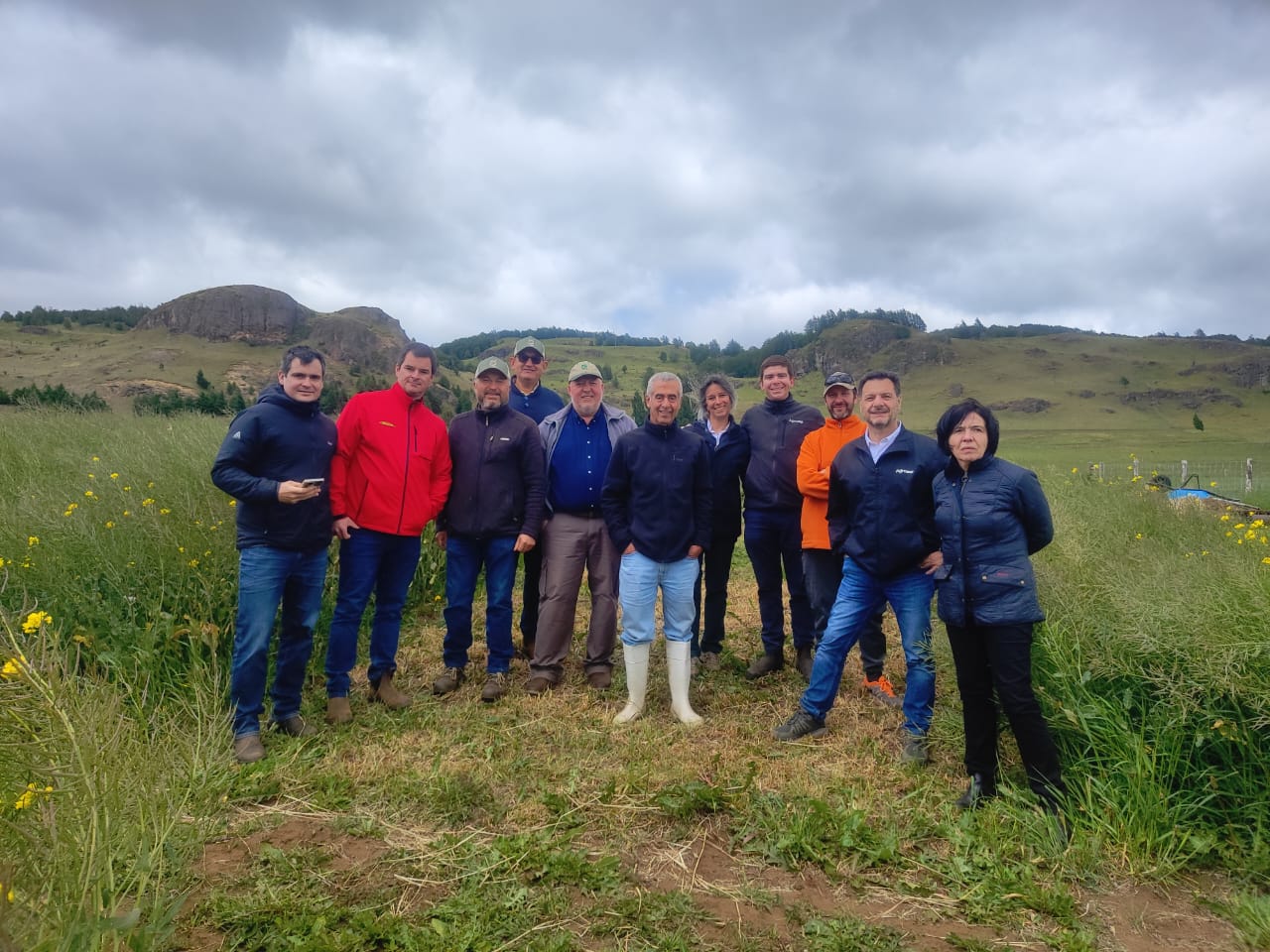
Technical exhibitions, public-private articulation and field work marked the meeting held at the INIA Tamel Aike Regional Center, where productive models, industry demands for salmon and opportunities for Aysén farmers were addressed, within a strategy aimed at adding local value and diversifying the productive matrix.
With a call that included producers, agricultural professionals, representatives of the aquaculture sector and regional authorities, this week took place in the Aysén region the Seminar and Field Day: Developing the Third Industry, a key step in demonstrating how the coordination between agriculture and aquaculture can give rise to a new productive pole capable of stimulating the socio-economic development of the country's south-southern macrozone.
The activity took place within the framework of the advances and milestones of the Technological Program for the Local Production of Vegetable Nutritional Inputs for Aquaculture(PTEC-INVA), an initiative driven by the Corporation for the Promotion of Production of Chile (Corfo), led by Antarctic Salmon and whose co-executing entities are the Institute of Agricultural Research (INIA), the Food Technology Innovation Center (CeTA), Agrotop Companies, Veterinary Histopathology Center (VeHiCe) and the universities of Chile (University of Chile) and Catholic University of Temuco (UCT).
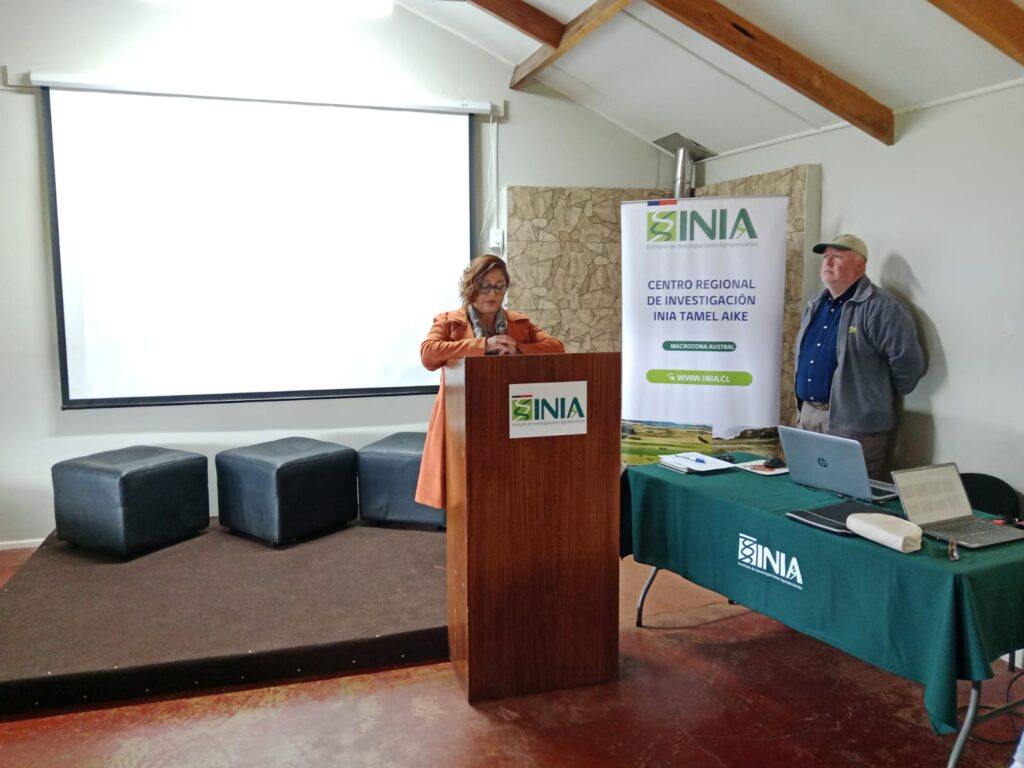
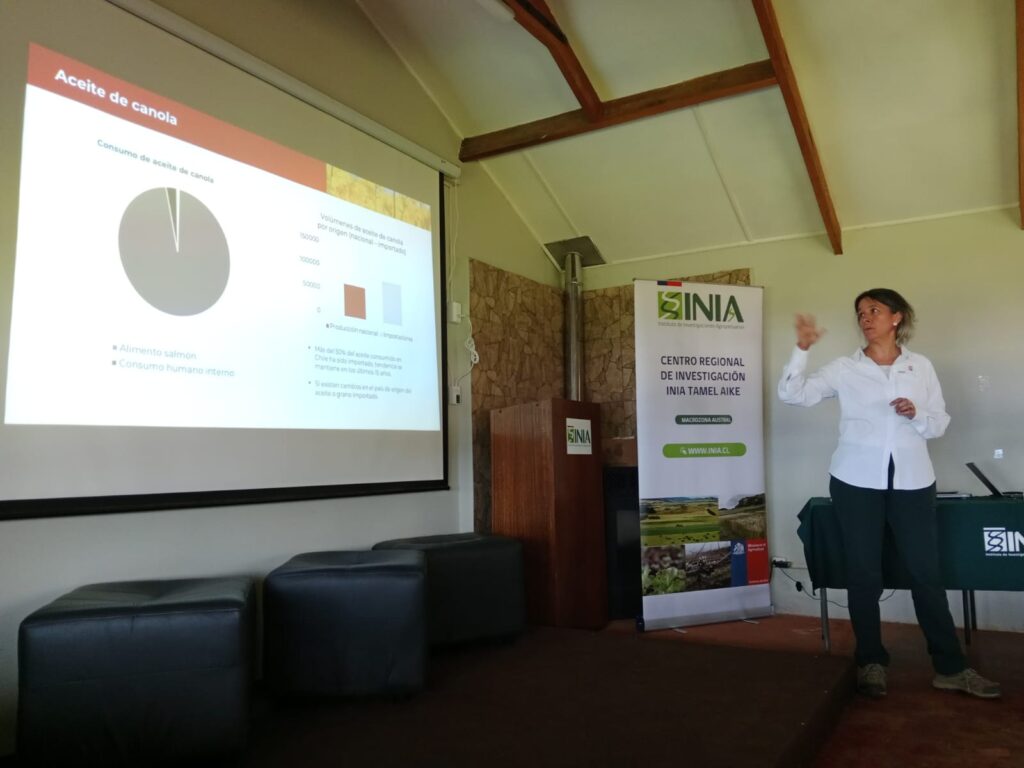
The seminar was held in the Multipurpose Chamber of theINIA Tamel Aike Regional Centre, while on Field Day he contemplated the technical visit to the trials of dates of planting in raps, developed by the INIA Tamel Aike on its site The plum, high-level sector of Simpson Valleywhere attendees were able to get to know on the ground these experiences oilseeds and adapted grains to the conditions of the southern end.
A third industry with territorial identity
The manager of PTEC-INVA, Dr Daniel Nieto Díaz-Muñozstressed that the central objective of the Programme is connecting two strategic sectors of the country –agriculture and aquaculture– to generate a new industry based on local production of vegetable nutritional inputs, reducing dependency and strengthening regional economies.
“What we are building with PTEC-INVA is a third industry, born of the virtuous link between agriculture and aquaculture. This not only allows us to move towards a more sustainable salmon farmingbut it also opens up real opportunities for farmers in Aysén and throughout the southern-eastern macrozone, integrating them into a high economic impact value chain,” emphasized Dr. Grandson.
He also stressed that Aysén represents a strategic territory for this development model, due to its availability of soils, agroclimatic conditions and proximity to the aquaculture industry.
“Our challenge is demonstrate that it is possible produce quality vegetable nutritional inputs in the south-south with traceability, scientific knowledge and territorial relevance. This Seminary and Field Day is a concrete sample how research, business and the state can work in an articulated way to generate sustainable development,” he added.
Technical content and strategic focus
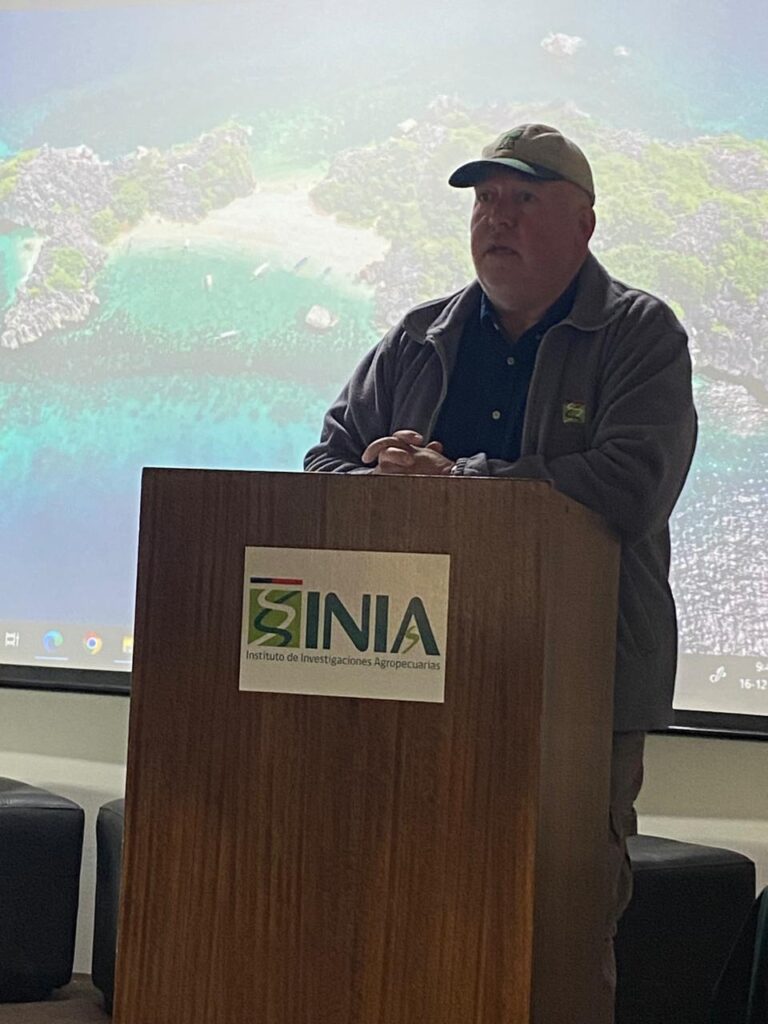
The programme included high-level technical and strategic presentations. INIA researcher Tamel Aike, Dr. Osvaldo Teuber Winkler, introduced the talk “Potential grain crops in Aysén”, where it addressed the productive opportunities of species adapted to the regional climate and its projection as inputs for aquaculture nutrition.
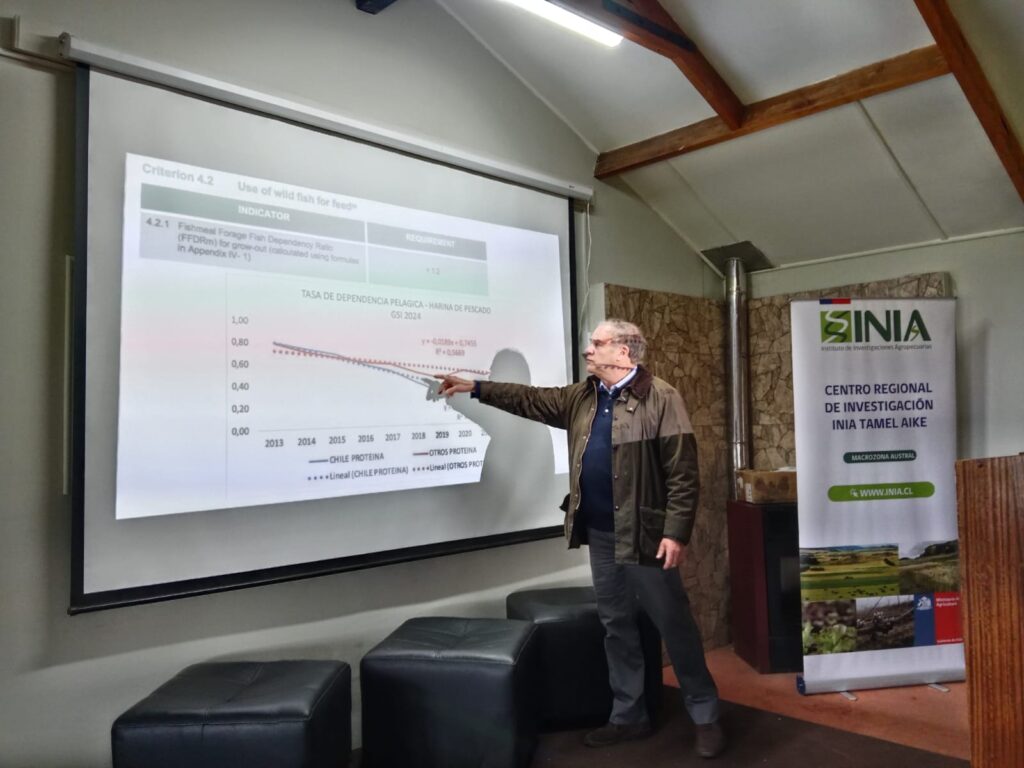
From industry, the representative of SalmonChile in the region of Aysén, Fernando Camiruaga, explained about “Salmon industry and demand for food”emphasizing the growing need to diversify and locate sources of raw materials for fish feeding.
“PTEC-INVA opens a concrete opportunity to diversify agricultural production in Aysén and strengthen the productive chaining local, moving towards greater regional production of inputs for salmon farming,” said the union representative.
Meanwhile, Claudia Acosta Gómez, Deputy Director of Research, Development and Innovation (R & D & I) Agrotop Companies, deepened in the “Supplier Network and Contract Agriculture”highlighting this model “as a key tool to integrate local producers into more stable and technified production chains”.
The seminar was also attended by the deputy director ofCorfo AysénBoris López Bravoand the deputy director of INIA Tamel Aike, Viviana Soto Orias, who agreed on the relevance of initiatives that connect innovation, science and regional productive development.
Another highlight was the exhibition of Hugo Faiguenbaum Morgenstern, consultant in extensive crops and academic of the universities of Chile and Catholic of Chile (UC), who introduced the talk “Raps: a very sensitive species to compaction”, addressing key aspects of fallow, tillage and fertilization, fundamental to the success of this crop in the south-south.
Field-based knowledge
The day was complemented by a visit to trials and planting dates in spring and winter raps, guided by the technical team of Agrotop Companies and INIA Tamel Aike, where the participants were able to observe on the ground the agronomic behaviour of the species evaluated, solve technical doubts and know management practices adapted to the local conditions.
For Dr. Nieto Díaz-Muñoz, this practical component is essential: “Technology transfer and field work are fundamental. It is not enough to generate knowledge, We need to validate it. together with producers and demonstrate that this model is technically, economically and environmentally feasible,” stressed the manager of PTEC-INVA.
For his part, Dr. Osvaldo Teuber highlighted that the event allowed to address relevant issues, along with aspects linked to the demand for these raw materials by the salmon industry, as well as the technical and commercial development strategy proposed by Agrotop.
“Local producers today have first-hand information on the productive and commercial potential of these oilseed species, with a view to making decisions on productively scale these crops at the regional level, which will undoubtedly generate, in the medium and long term, a new regional productive sector that will boost the economy,” concluded the expert from INIA Tamel Aike.
The “Seminar and Field Day: Developing the Third Industry” was consolidated as well as a key instance to move towards a more integrated, sustainable production model with strong territorial identity, positioning Aysén as a relevant actor in the construction of a new industry for the entire south-southern part of the country.