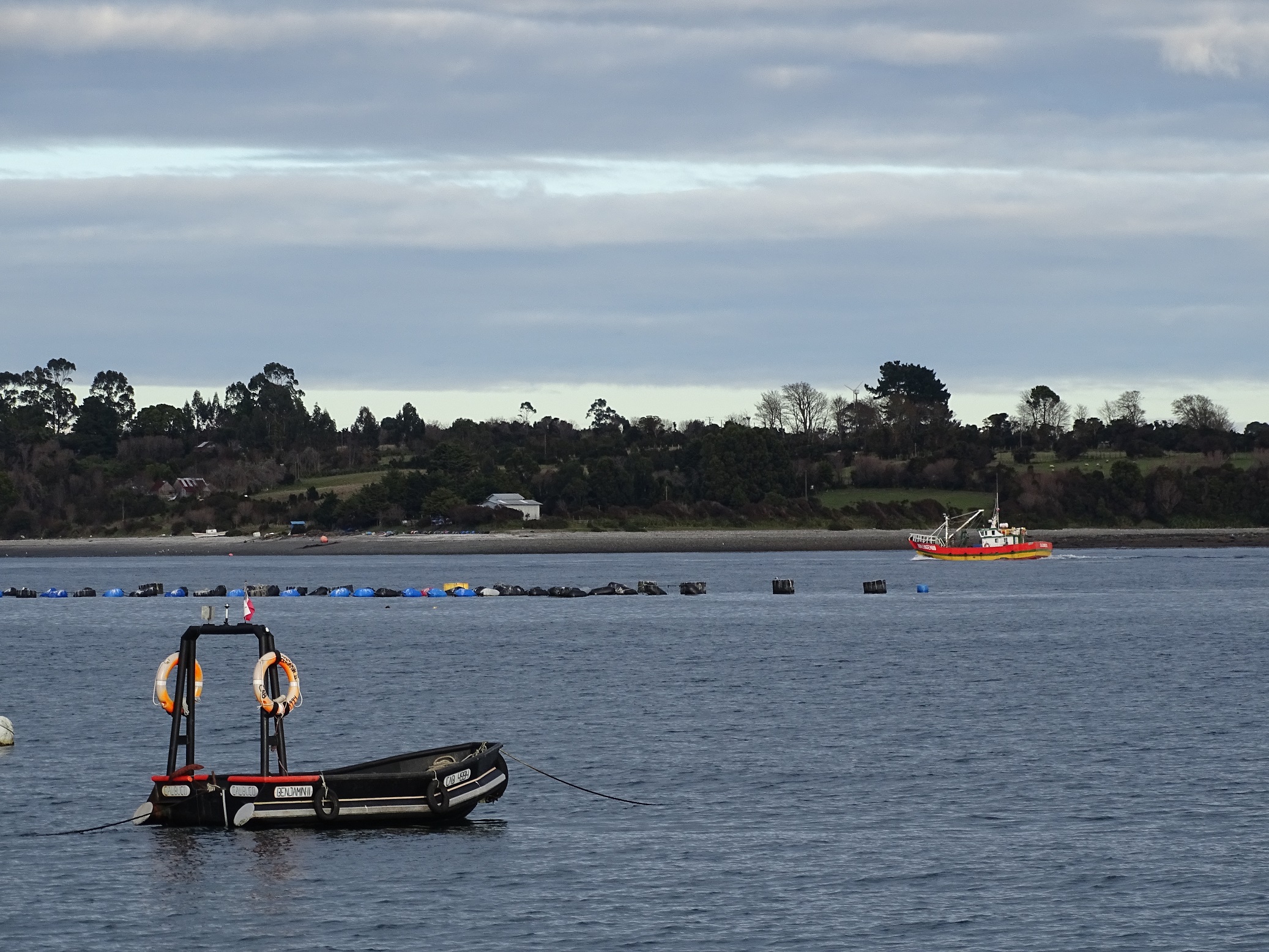
The proposal considers different actions aimed at optimizing processes, updating regulatory criteria and facilitating the development of aquaculture initiatives, while at the same time safeguarding environmental standards and maritime space planning.
The Fisheries and Aquaculture Subsecretariat (Subpesca) presented to the National Aquaculture Commission (CNA) an agenda of regulatory, technical and administrative measures aimed at strengthening the sustainable development of the activity, improving the sector's competitiveness and advancing towards greater certainty in the processing of projects and investments.
The proposal considers different actions aimed at optimizing processes, updating regulatory criteria and facilitating the development of aquaculture initiatives, while at the same time safeguarding environmental standards and maritime space planning.
"We are driving an agenda that will modernize and concretely promote aquaculture management, providing greater certainty to the processes and moving towards a more efficient and sustainable sector that will increase investments and generate more and better jobs, and contribute to the development of the regions and national and global food security," said Undersecretary Osvaldo Urrutia.
Relocations and optimization of the use of maritime space
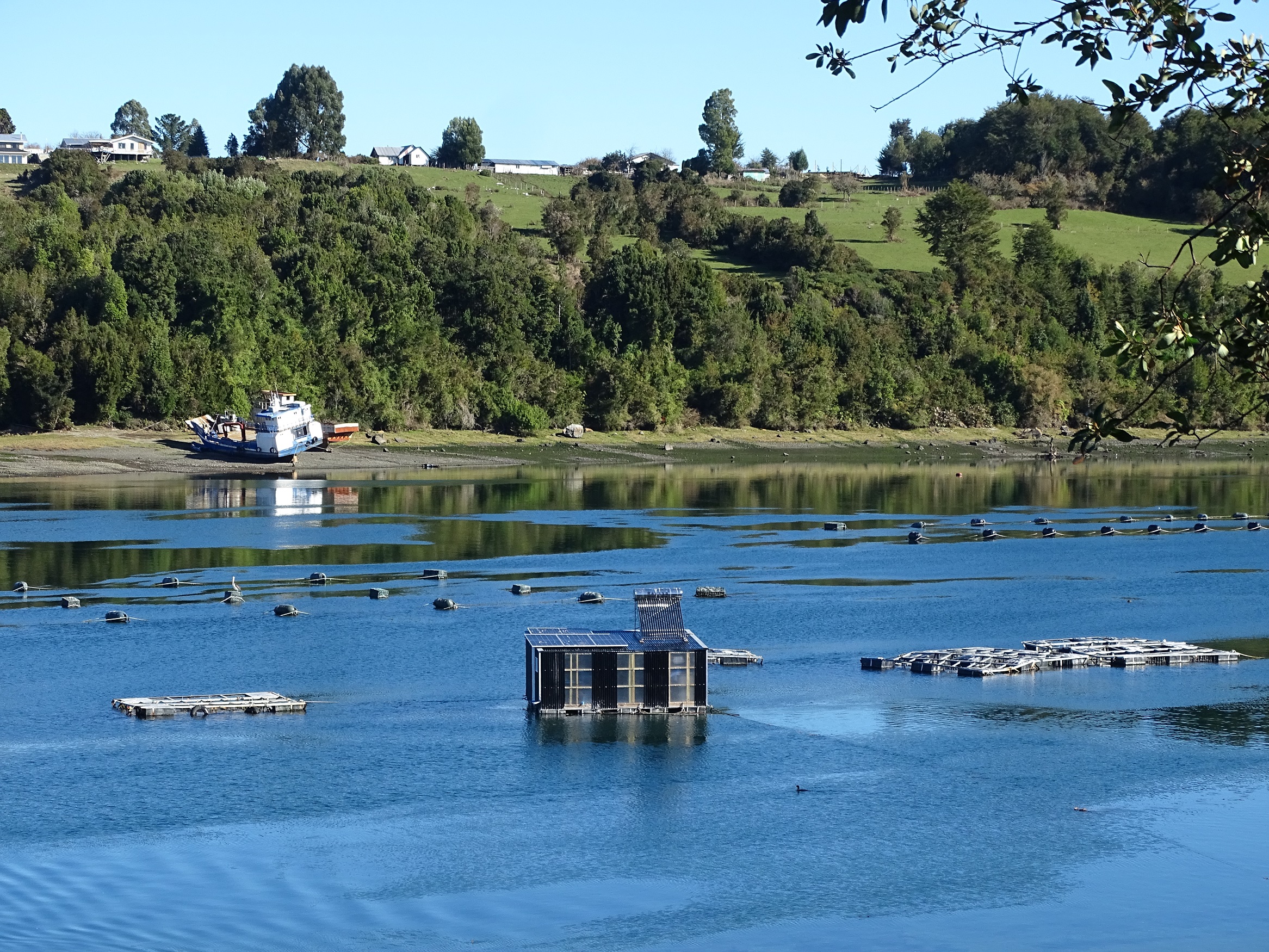
One of the main axes of the agenda relates to the progress in the relocation processes of salmon farming and mussel farming centers, a subject that has been identified as essential to improve land use planning and facilitate the development of projects.
In this context, Subpesca is reviewing the relocation requests currently being processed, including files that had been pending for years. Currently, there are 214 requests in process, of which 68 have been identified as not subject to Coastal Marine Spaces of Indigenous Peoples (ECMPO) or to management plans of protected areas.
Similarly, the progress of relocations of centers located in lakes is being evaluated and the coordination between public agencies is being strengthened to improve management and processing times.
"These measures will allow the optimal use of maritime space, advance pending processes and generate better conditions for the development of aquaculture in the southern regions of the country," added the authority.
Regulatory and technical measures
The agenda presented before the CNA also includes initiatives aimed at updating and perfecting various regulatory instruments related to aquaculture activity.
In this context, among them, modifications related to the Aquaculture Sanitary Regulation (RESA) and the Information Delivery Regulation are considered, including adjustments related to the 2% exception, relocations and technical criteria applicable to farming centres.
Meanwhile, in regulatory matters, work is being carried out to clarify the concept of production contained in the Environmental Regulation for Aquaculture (RAMA), with the aim of providing greater legal certainty and uniformity in its application.
This change corrects a distortion in the way we measure production in aquaculture, because today part of the biomass already generated in smoltification centers is counted as production. At the same time, it introduces a clear incentive for innovation, promoting technologies that allow larger fish to enter fattening centers, shorten the cycles at sea, allow better health performance and reduce the pressure on "the environment", explained Alejandro Barrientos, head of the Aquaculture Division of Subpesca.