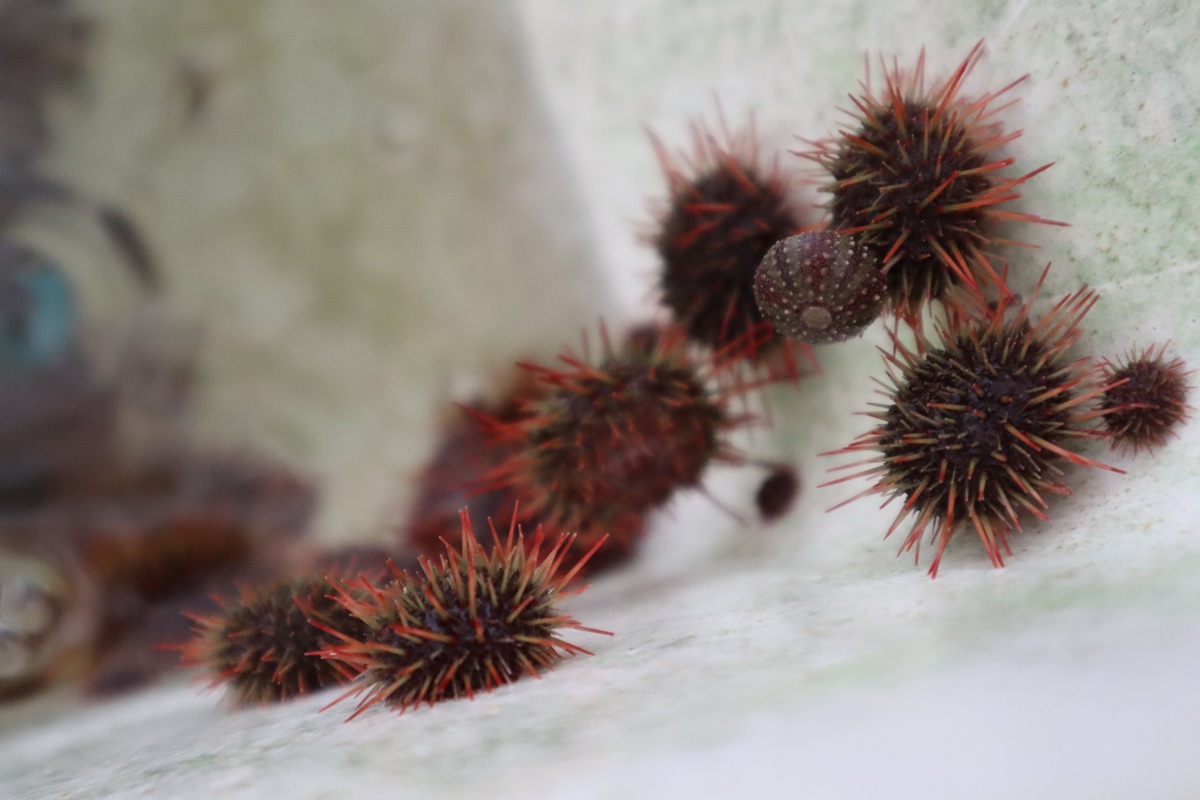
They will evaluate the use of biocontrollers through a collaborative model between Small-Scale Aquaculturists and the artisanal fishing of Choapa province.
The AquaPacífico Aquaculture Technology Centre launched the project "Use of Biocontrollers for Oyster Cultivation", an initiative carried out by the centre and funded by the Regional Competitiveness Innovation Fund (FIC-R) of the Coquimbo Regional Government, whose objective is to address one of the main productive gaps faced by northern oyster aquaculture: biofouling.
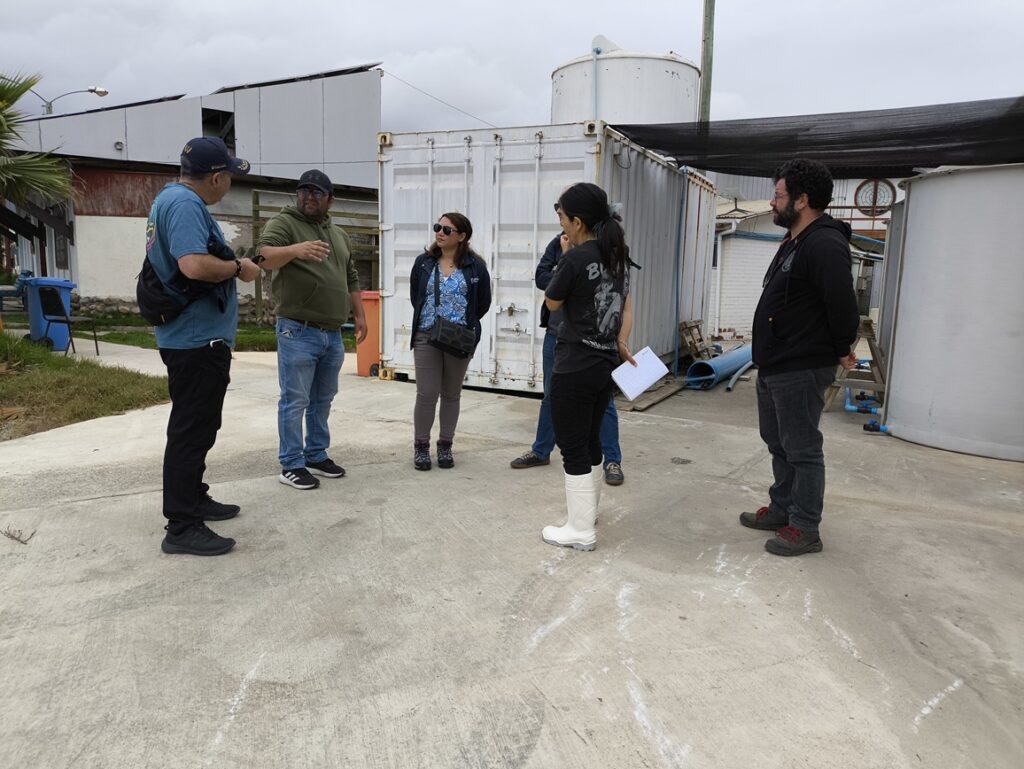
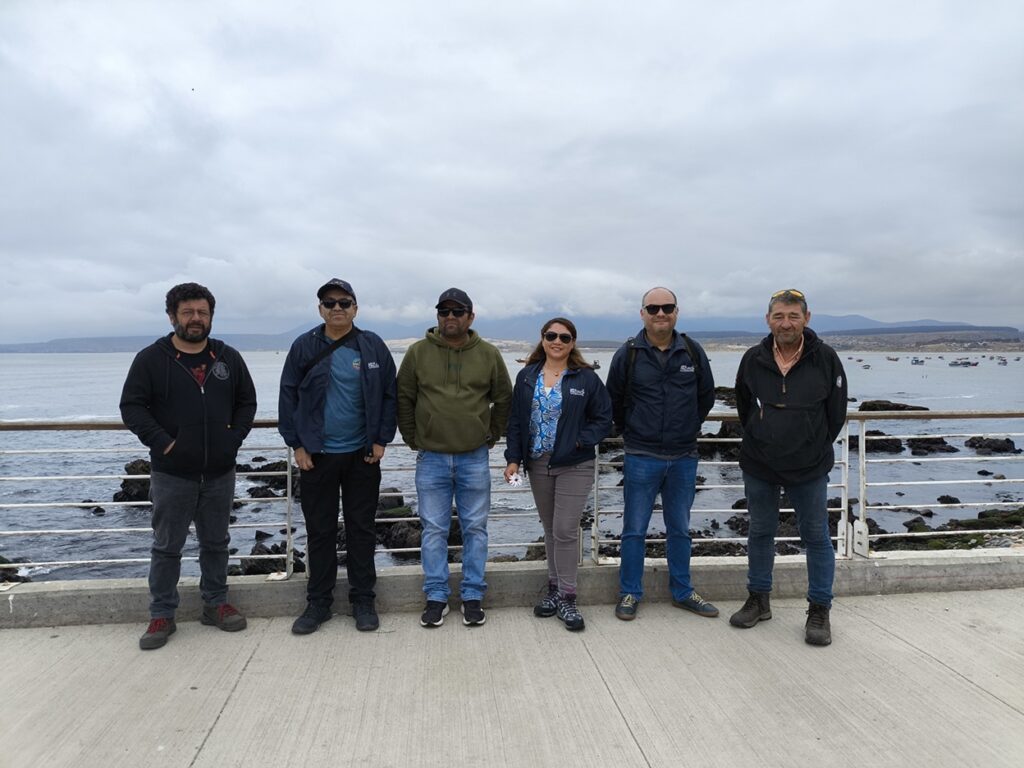
In the framework of the start of this initiative, the AquaPacífico team carried out a technical visit to the commune of Los Vilos, specifically to the hatchery belonging to the Federation of Artisan Fishermen FEPEMACH, a facility that has developed in recent years the production of red sea urchin (White mussel), with the support of various companies in the sector.
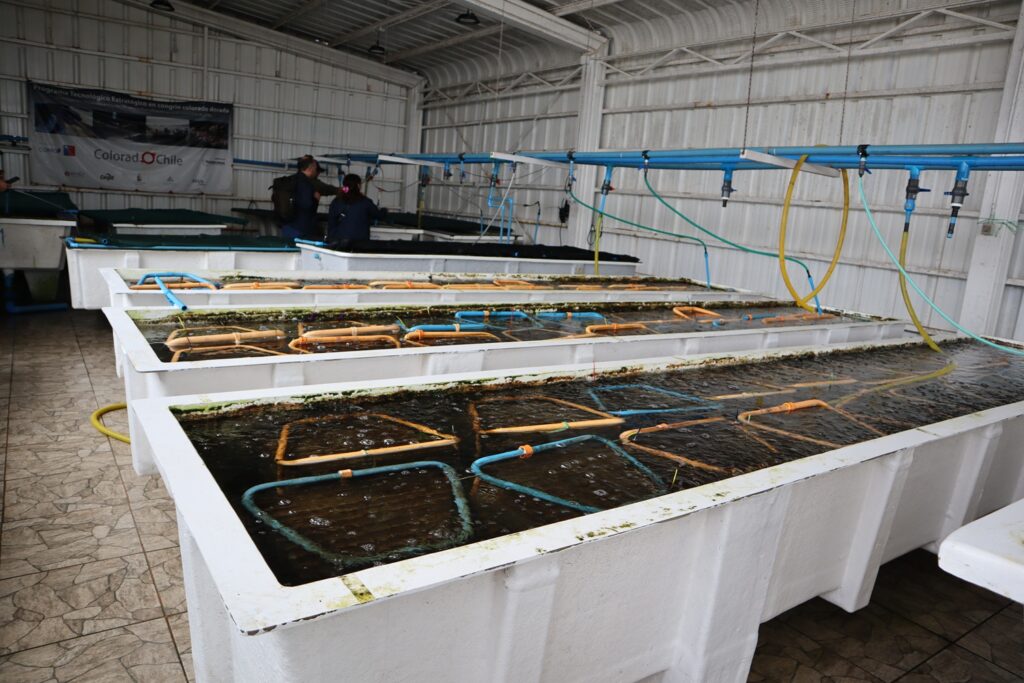
According to Dr. Hernán Pérez, scientific researcher at AquaPacífico and director of the project, this link will be key for the development of the initiative. "We carried out a technical visit to Los Vilos to the hatchery of FEPEMACH, with whom we will be linked to use their sea urchin seeds in the development of this project. The idea is to generate an alternative to a very relevant problem in oyster farming, such as the "development of biofouling," he noted.
Biofouling: a critical gap for Small Scale Aquaculture
From its beginnings, the Northern Oyster farms (Purple scallop) in the Atacama and Coquimbo regions have been seriously affected by the proliferation of fouling organisms or biofouling, among them the white limpet (Ciona intestinalis), invasive species that directly competes with mussels for oxygen and food.
The accumulation of these organisms on the farming systems significantly increases production costs, extends growth times, increases oyster mortality and raises occupational risks, especially for Small Scale Aquaculturists (APEs), who do not always have mechanized infrastructure to face these conditions.
"Fouling makes the systems much heavier and harder to handle, increasing the physical effort and the number of deployments during the production process. This directly affects the profitability and sustainability of the farming," explained Dr. Pérez.
Red sea urchin as a biocontroller: a solution backed by scientific research
The project proposes to evaluate the use of juvenile red sea urchins as biocontrol agents for fouling in suspended oyster farming systems, a strategy that has been tested at pilot level in previous experiences developed together with universities and small producers, showing improvements in growth, survival and reduction of fouling.
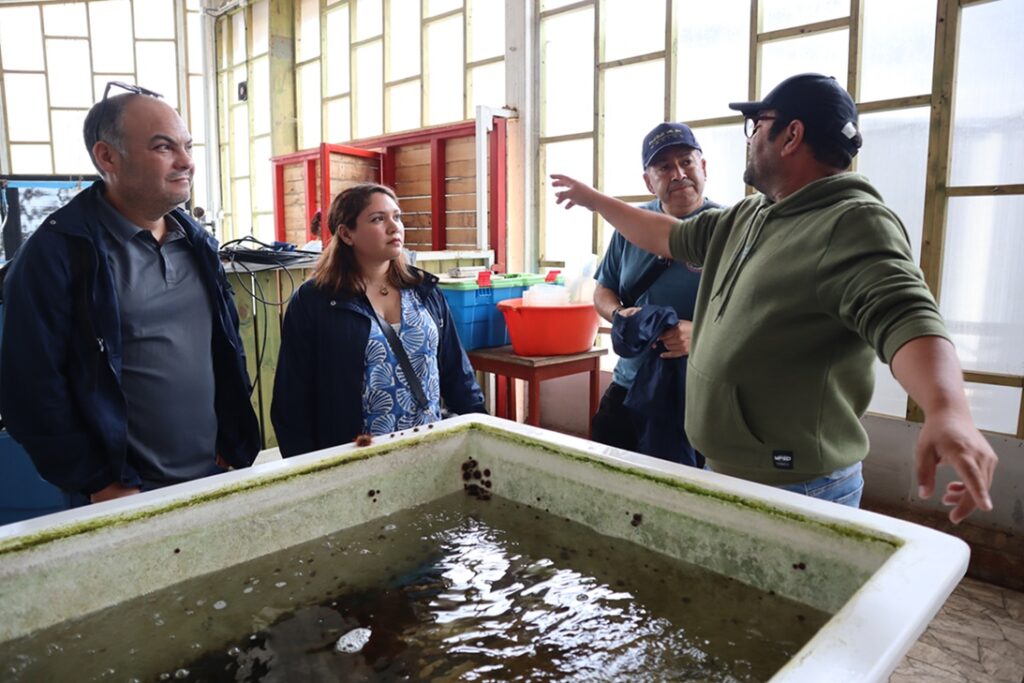
"The use of sea urchins would allow to reduce the effect of fouling during the cultivation process, reducing operational costs and improving management conditions," added the project director.
Unlike solutions such as antifouling paints —whose use is restricted due to their environmental impacts—, this alternative presents itself as a natural and environmentally sustainable strategy, aligned with the regulatory requirements of the sector.
Productive linkage and territorial development
In addition to its direct impact on oyster farming, the project aims to create a virtuous link between oyster producers and artisanal fishing in the Choapa province, particularly with organizations dedicated to the production of sea urchin seeds for replenishment programs.
"Oyster farming systems could play a strategic role as an intermediate stage in the growth of sea urchin juveniles, contributing to both the reduction of fouling and the strengthening of restocking initiatives in managed areas, benefiting both productive sectors," says the researcher.
The initiative will last 24 months and provides for the development of management, technology transfer and training protocols, in order to facilitate the effective adoption of this technology by the APES.
“This project not only aims to develop technology, but also to generate territorial capacities and joints that allow progress towards more efficient, sustainable and collaborative aquaculture in the Coquimbo Region,” concluded Claudia Soto, Executive Director of the Center.