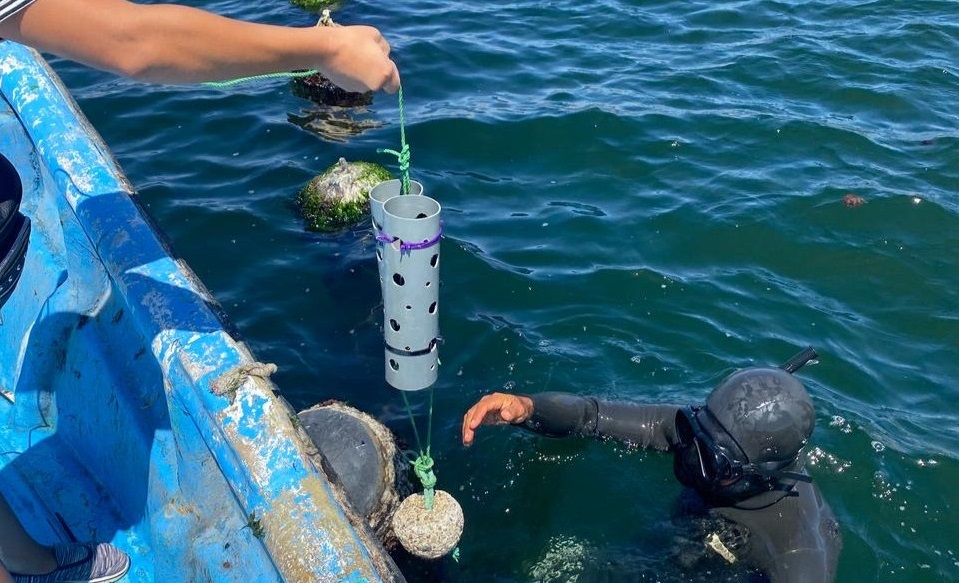
Teams will allow real-time monitoring of key marine ecosystem variables, such as temperature, dissolved oxygen and pH, which are fundamental for marine life and local aquaculture activities.
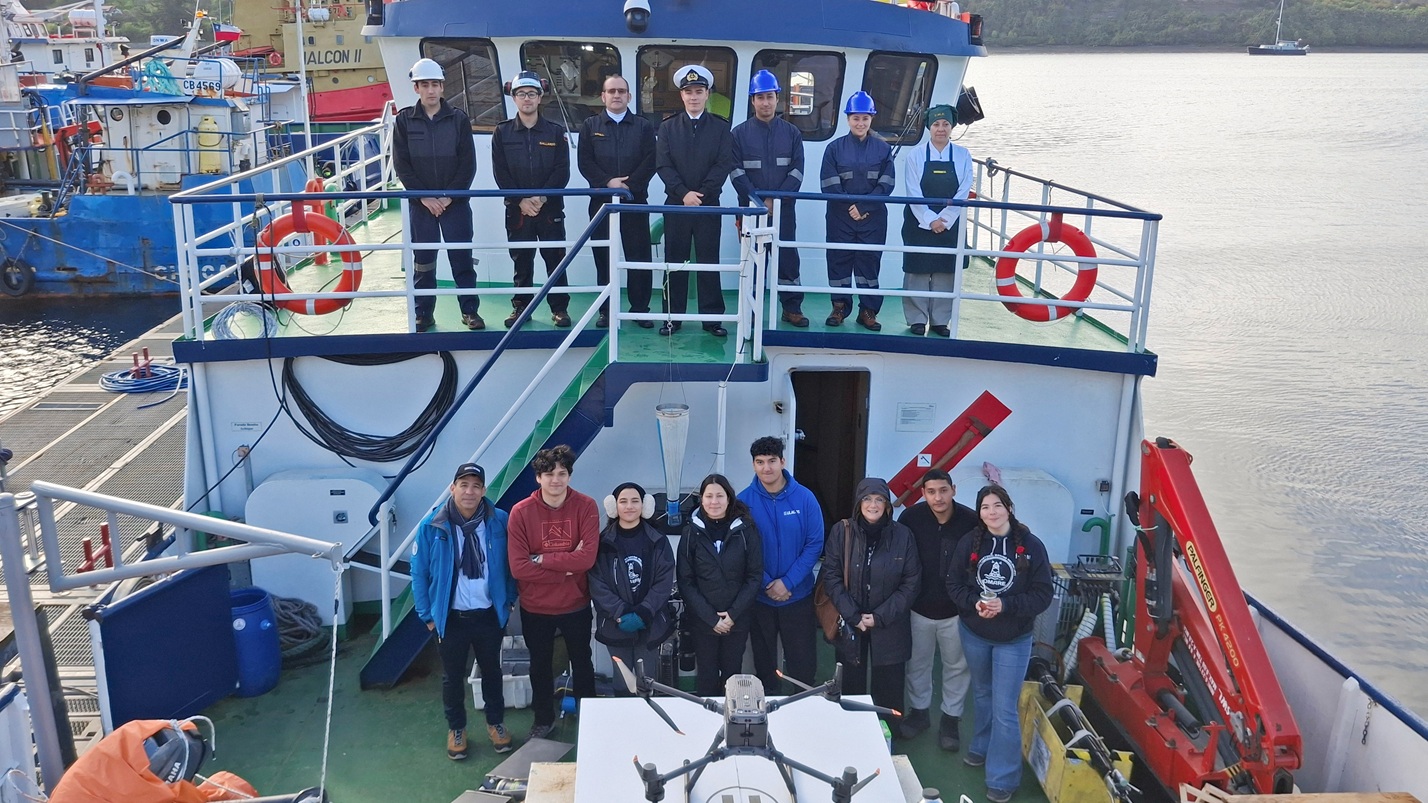
In a collaborative effort that combines science, technology and territorial commitment, the Coastal Research Center of the University of Atacama (CIC-UDA)) next to the Milenium Institute for Coastal Socio-Ecology (SECOS) Recently, oceanographic sensors were installed in Caldera Bay. This action will allow monitoring of key marine ecosystem variables in real time, such as temperature, dissolved oxygen and pH, which are fundamental for marine life and local aquaculture activities.
The initiative has particular relevance in the face of coastal deoxygenation events, also known as hypoxic zones (areas with low oxygen levels that suffocate marine life), which have begun to be detected in areas of northern Chile. These events, along with episodes of ocean acidification, directly affect the health of marine organisms such as the northern oyster, an emblematic species for the economy of Caldera and other coastal locations in Atacama.
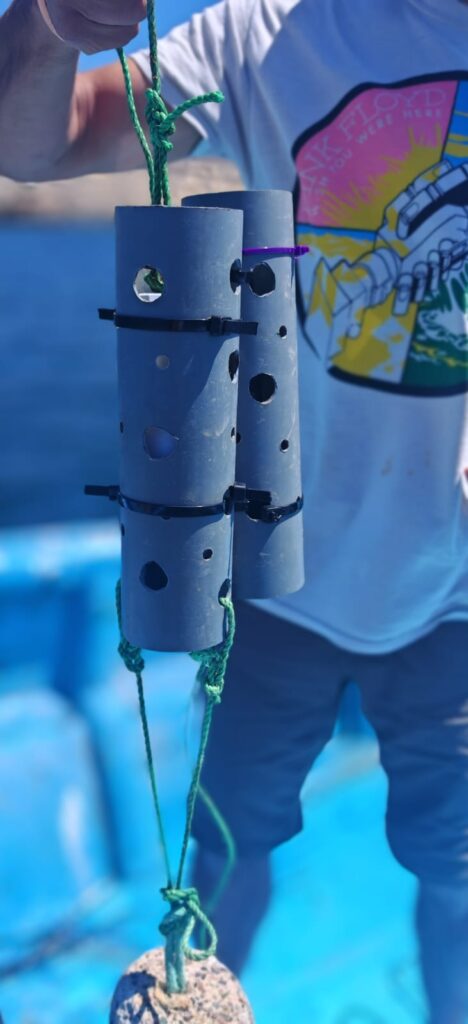
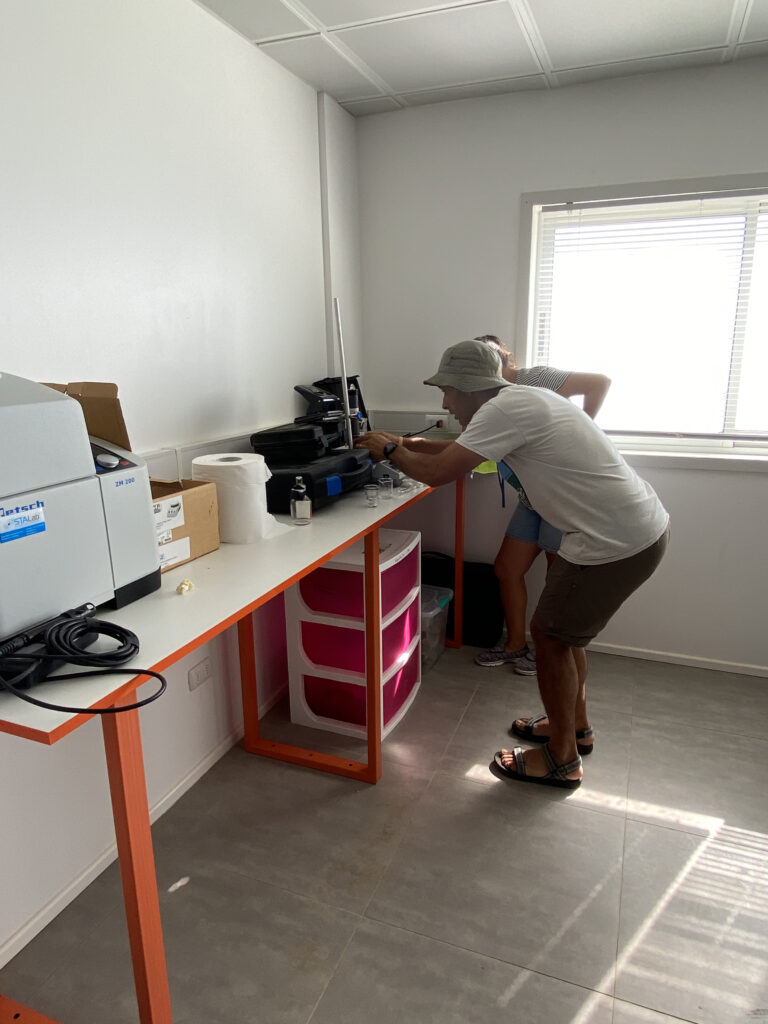
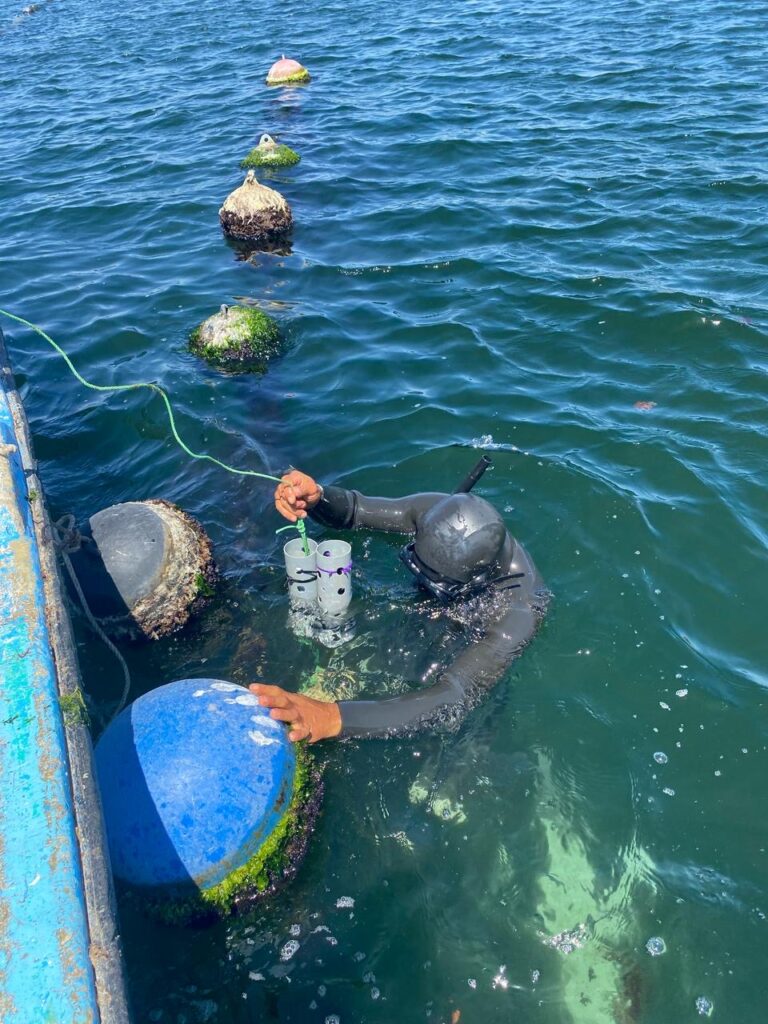
"The installation of these sensors will allow us to anticipate adverse scenarios, detect critical changes in water quality and understand how the crops respond to these new environmental challenges," says the Dr Valeska San Martín, researcher at CIC-UDA"No it's not just about doing science, but about providing concrete tools to our coastal communities," he added.
The installation took place between February and March, thanks to the articulation of Dr. San Martín with researchers from the Instituto Milenio SECOS, including the Dr. Bernardo Broitman of Adolfo Ibáñez University and the Dr. Cristian Vargas, University of Concepción, who also leads binational research between Chile and Peru that studies the resilience of the oyster to climate change.
"Working in an articulated way, in this case in collaboration with the University of Atacama through the Center for Coastal Research (CIC), is key for several reasons. First, it allows us to take advantage of complementary capacities in terms of infrastructure, local knowledge and human capital, thus strengthening the scope and quality of our research. In addition, the CIC has a strategic presence in an area coastal area highly vulnerable to climate change, such as northern Chile, which allows for the generation of relevant and contextualized data for the sustainable management of the marine ecosystem. This collaboration also enhances the training of young students and researchers in the region, promoting scientific development with territorial relevance. In short, the articulation with the UDA and its coastal center not only improves efficiency and efficiency. the impact of scientific work, but also promotes a more integrated, inclusive and connected science with local needs,” he explained. Cristian Vargas of the UdeC.
This network of sensors represents a milestone in the strengthening of marine research in northern Chile, positioning Caldera as a natural laboratory, where science connects directly with the reality of fishermen, divers, seamen and fish farmers. Thus, Caldera not only reaffirms its role as a historical and tourist port, but also as a beacon of scientific innovation and commitment to sustainable coastal development, where the sea is not only observed, but heard, measured and cared for.