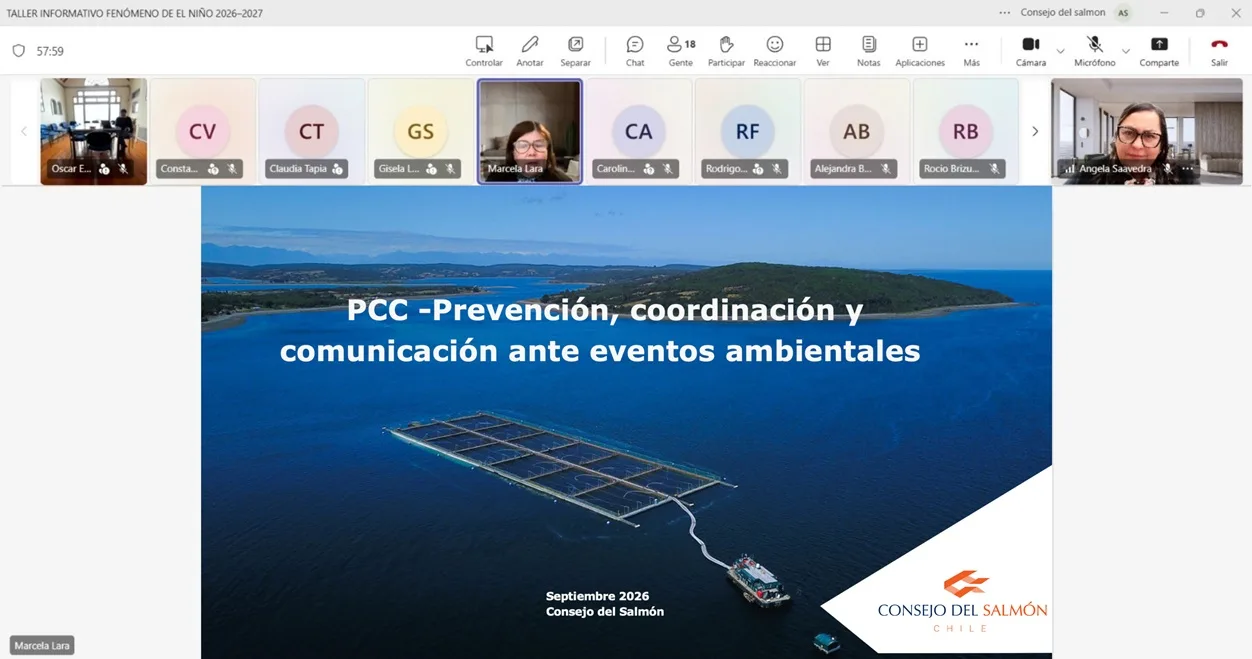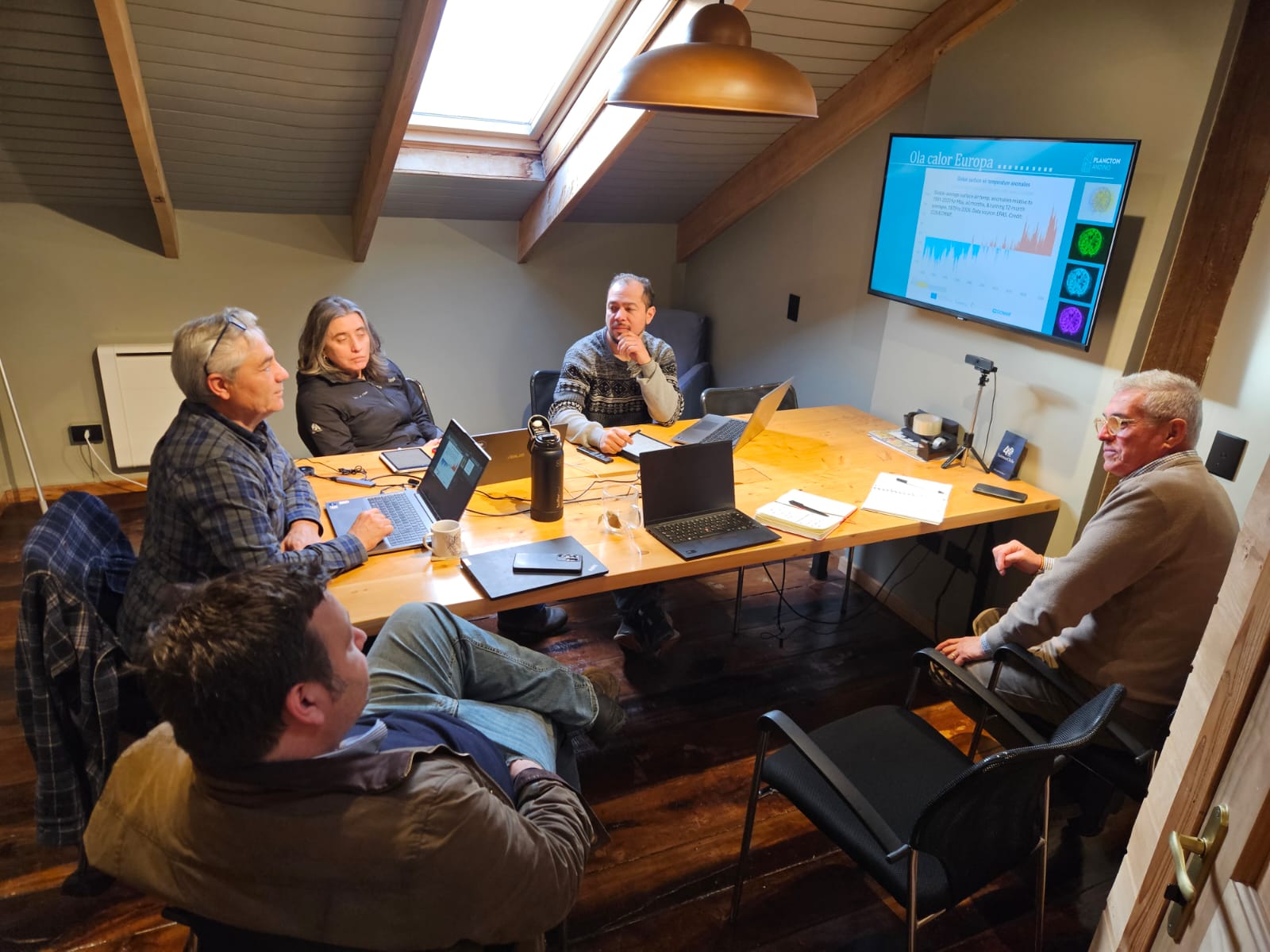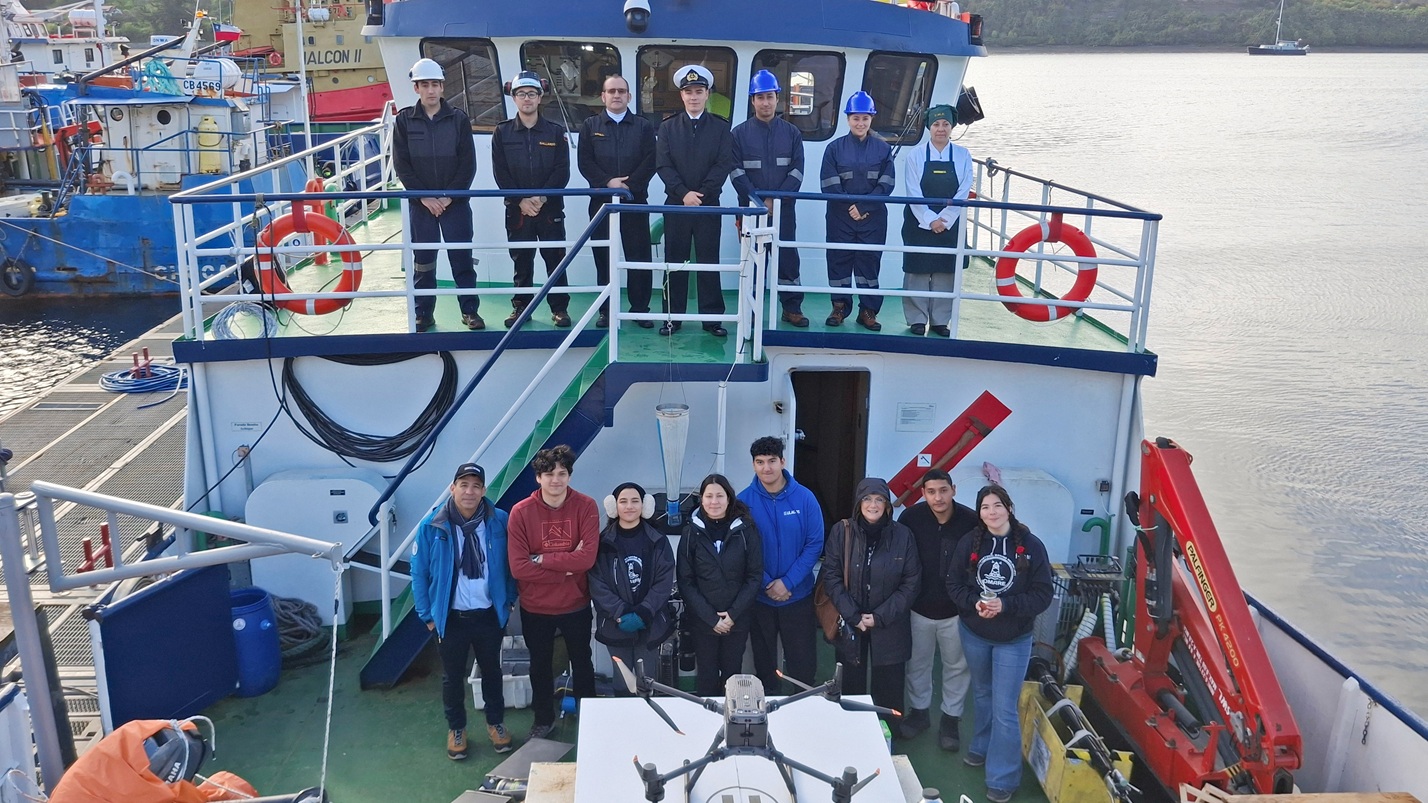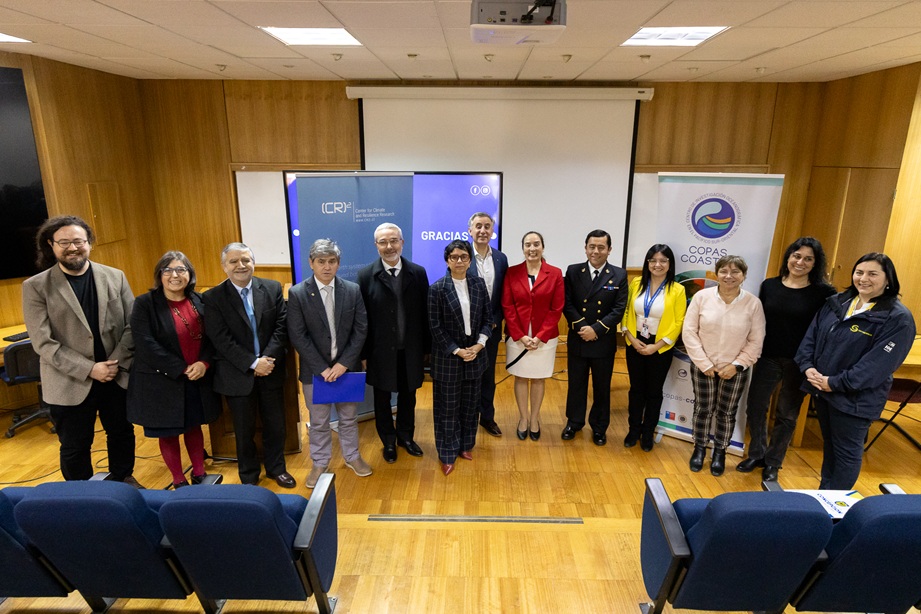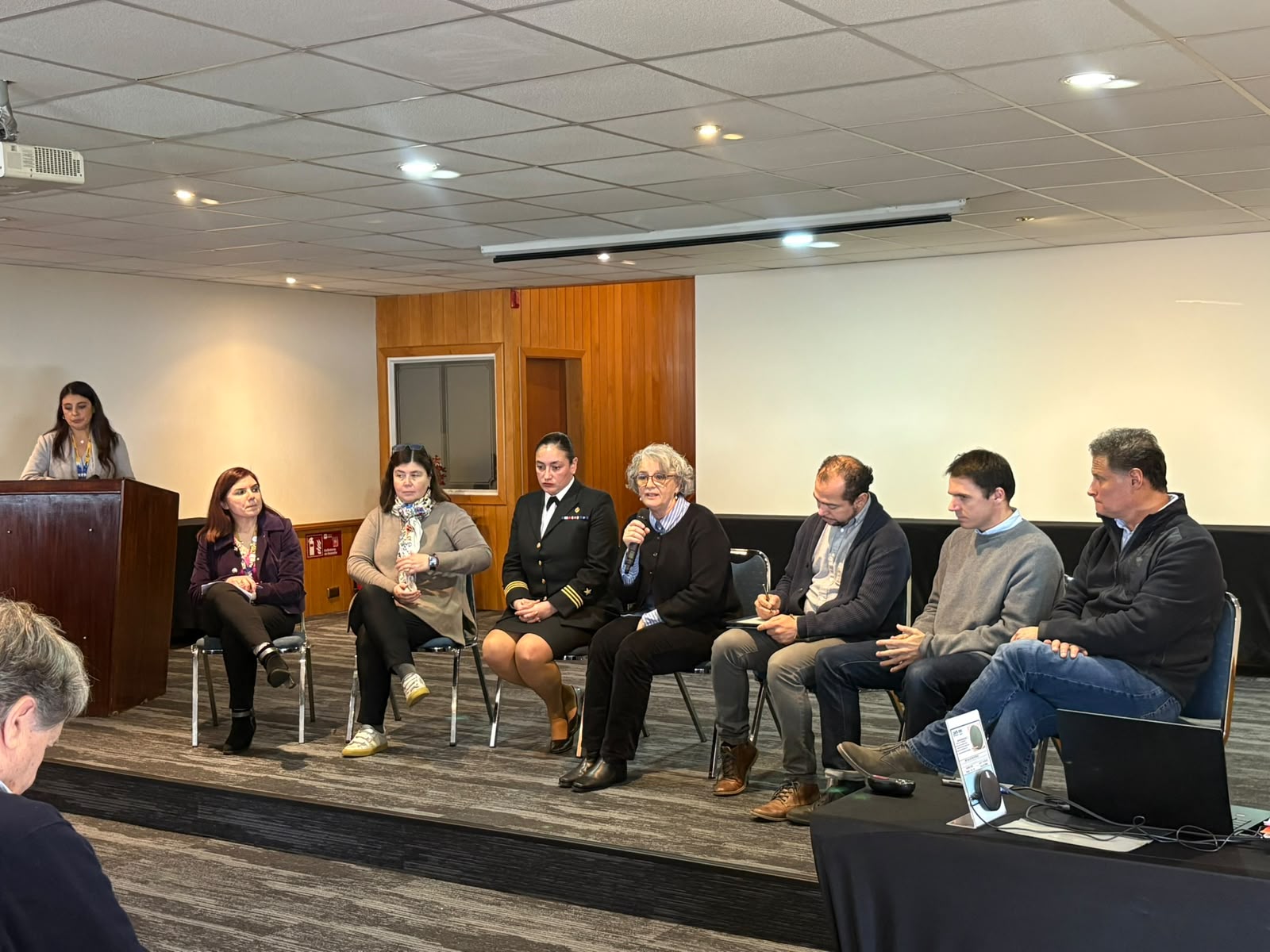
Over 100 representatives from academia, the public and private sectors met to coordinate strategies against the El Niño phenomenon and enhance resilience in the south-austral area.
SalmonChile and Sernapesca led a successful technical workshop on Harmful Algae Blooms (HABs), bringing together more than 100 representatives from the public, private and scientific sectors. The purpose of the event was to strengthen multisectoral collaboration networks and analyse tools that allow an efficient response to climate contingencies, reaffirming the productive sector's commitment to sustainability and resilience. of local ecosystems.
The event was led by the president of SalmonChile, Patricio Melero, the national director of Sernapesca, Soledad Tapia, and the regional presidential delegate of Los Lagos, Cristián Palma Valdés. It also included the participation of the Director of Aquaculture of Subpesca Alejandro Barrientos, the maritime governor of Puerto Montt, naval captain Mario Besoaín Fuentes; the regional minister of Economy, Development and Tourism of Los Lagos, Gisela Strauch; the national sub-director of Aquaculture of Sernapesca, Mónica Rojas; and the researcher from the Institute for Fisheries Development (IFOP), Dr. Óscar Espinoza-González, among other officials.
Public-private coordination and territorial resilience
During the workshop, the impact of the El Niño phenomenon was analyzed, a cross-cutting challenge that affects salmon farming, artisanal fishing, tourism and coastal communities. In this context, the work of the Interinstitutional Committee for Environmental Contingencies (CIICA) and the participation of organizations such as Subpesca, the Fishing Development Institute (IFOP), the National Service for Prevention and Response to Disasters (Senapred), the Chilean Navy and the Health and Environment Seremis.
The presidential delegate of Los Lagos, Cristian Palma, emphasized the importance of constant preparation. "You will never be completely prepared, but the more we worry about it, the more prepared we can be and the gap can gradually decrease. That is one of the objectives of this seminar, to put ourselves on alert, to be attentive and to worry so that hopefully we do not have to worry, but if we have to deal with something like that, we can be prepared." with the best tools we can make available from the State, from the community and from the courts," he assured.
In turn, the national director of Sernapesca, Soledad Tapia, addressed the strategic importance of speed in action. "We have the logistics, we have all the flow, the diagram of how each one should act, but now the response times, and where we are going to establish these places where we could perhaps hold the largest events, and how they will also move, is what we need to focus on," she said, adding that "We must focus and promote a harmonious, coordinated response, and mainly one that is quick," he said.
Innovation and technology at the service of prevention
The meeting allowed to highlight the advances in monitoring and the technological capabilities that the producing companies have integrated to face environmental phenomena. The president of SalmonChile, Patricio Melero, emphasized that "as a productive sector we are permanently monitoring the evolution of this issue. Our priority is to understand its scope, anticipate possible scenarios and actively participate in the multisectoral coordination" necessary to alleviate as much as possible their impacts.
Melero added that "In recent years we have invested in detection and response capacity, but the lesson is clear: technology and infrastructure are not enough without permanent multisectoral coordination. If the State, the industry, research centers and communities do not work together, with timely information and shared plans, prevention will fail at some point. That is why we are very pleased with today's call: we see" to the private sector and the different institutions that make up the Interinstitutional Committee for Environmental Contingencies (CIICA), among many other authorities and institutions that were part of the dialogue"
In the same line, the maritime governor of Puerto Montt, Mario Besoaín, emphasized the importance of anticipation. "Being prepared for an emergency is fundamental, making timely decisions makes the difference and obviously adding technology and new communication systems to be able to generate models and anticipate this type of phenomena," he specified.
Science and logistical challenges in the face of climate change
The scientific component was key in the event. The head of the Center for Studies on Harmful Algae (CREAN) of IFOP, Oscar Espinoza-Gonzalez, linked these actions with the global scenario. "These meetings that have already been held in previous years (...) are the only ones that help to advance regarding such a complex issue as climate change, El Niño and their potential effects on the environment, and obviously if there is a The effect on the environment will have an effect on productive activities in general, not just this one, but also in mussel farming, as well as in natural banks, artisanal fishing," he assured.
From the trade and technical sector, the coordinator of Health and Safety at Intesal, Alexander Jaramillo, valued the progress of the sector. "It is important to continue creating instances where we can continue working together with all the actors, in order to prepare for an event that affects us all. (...) Clearly the sector has shown that there have been advances in different stages of the chain," he said.
Complementing this view, the coordinator of Regulatory Affairs and Studies at SalmonChile, Tomás Walker, warned about operational capacity. "The accelerator we have to mainly focus on is the final disposal of mortalities in case these events occur, but also in the necessary logistics for this, because capacities may be there, but if we do not have enough ships to transport these mortalities," "that capacity will finally not meet the desired goal," he said.
The meeting concluded with a call to continue working within a public-private collaboration framework around science and prevention, based on the premise that a phenomenon of this magnitude can only be addressed with coordinated work between the State, the industry, the academia and the communities.