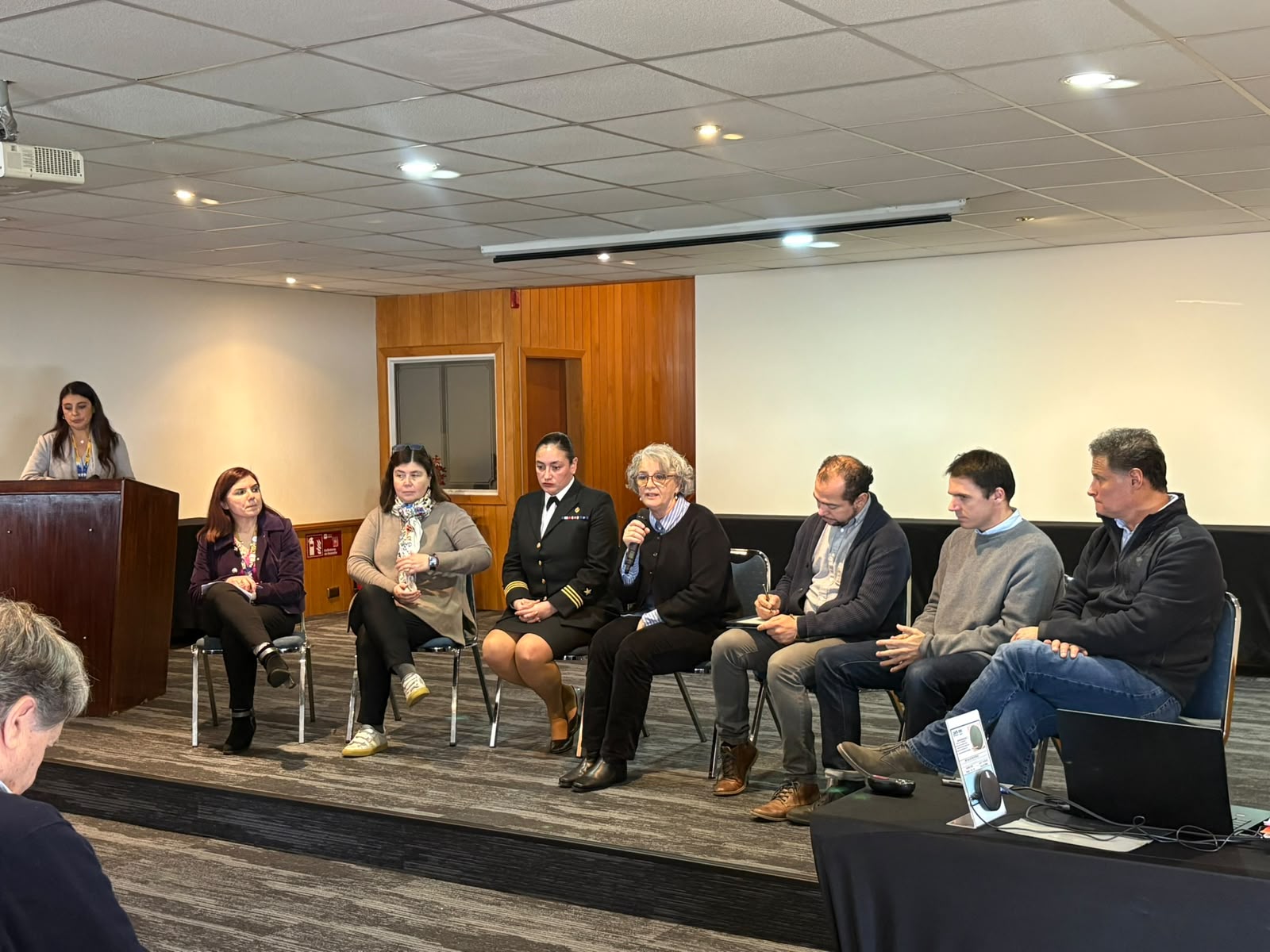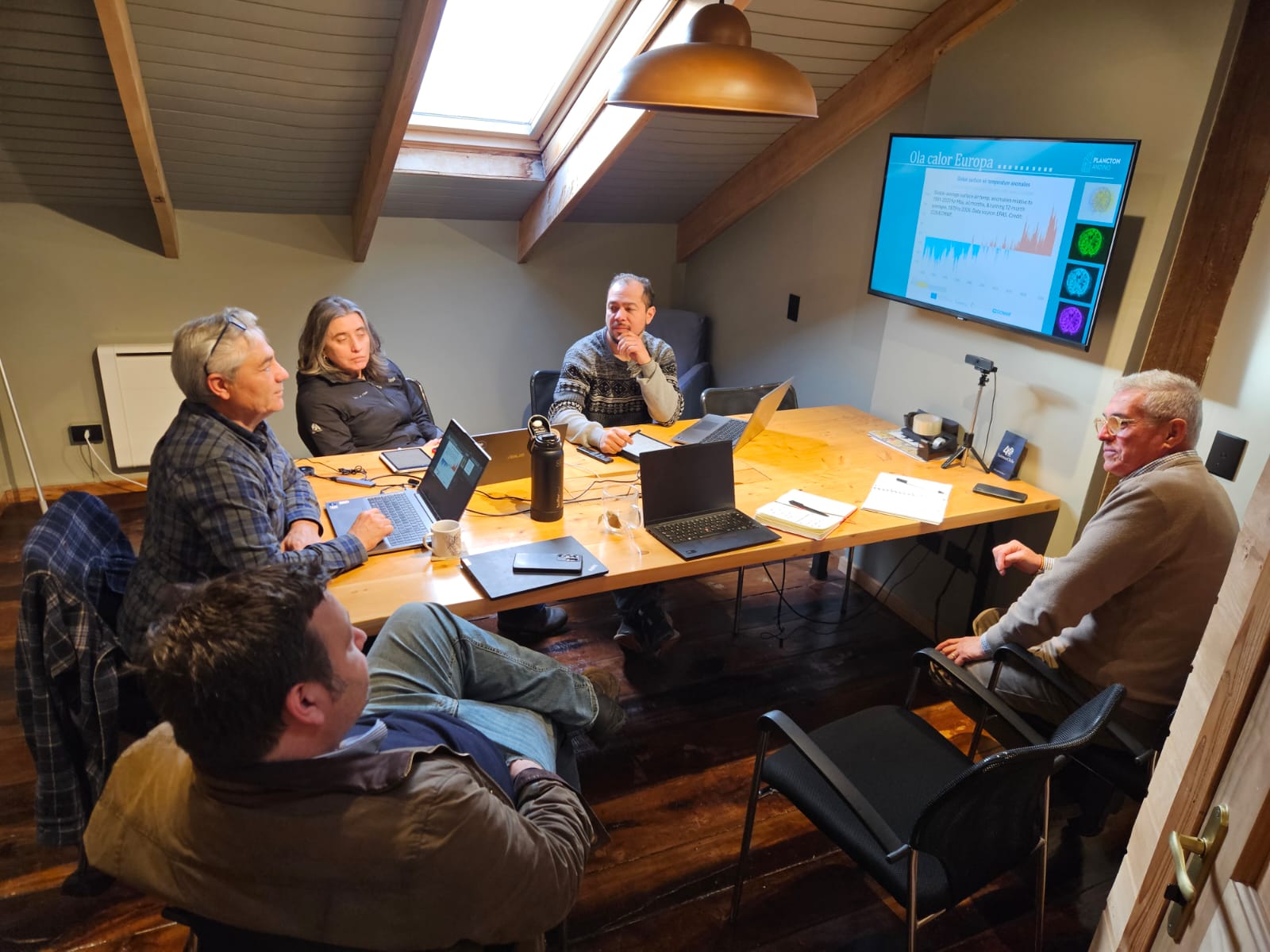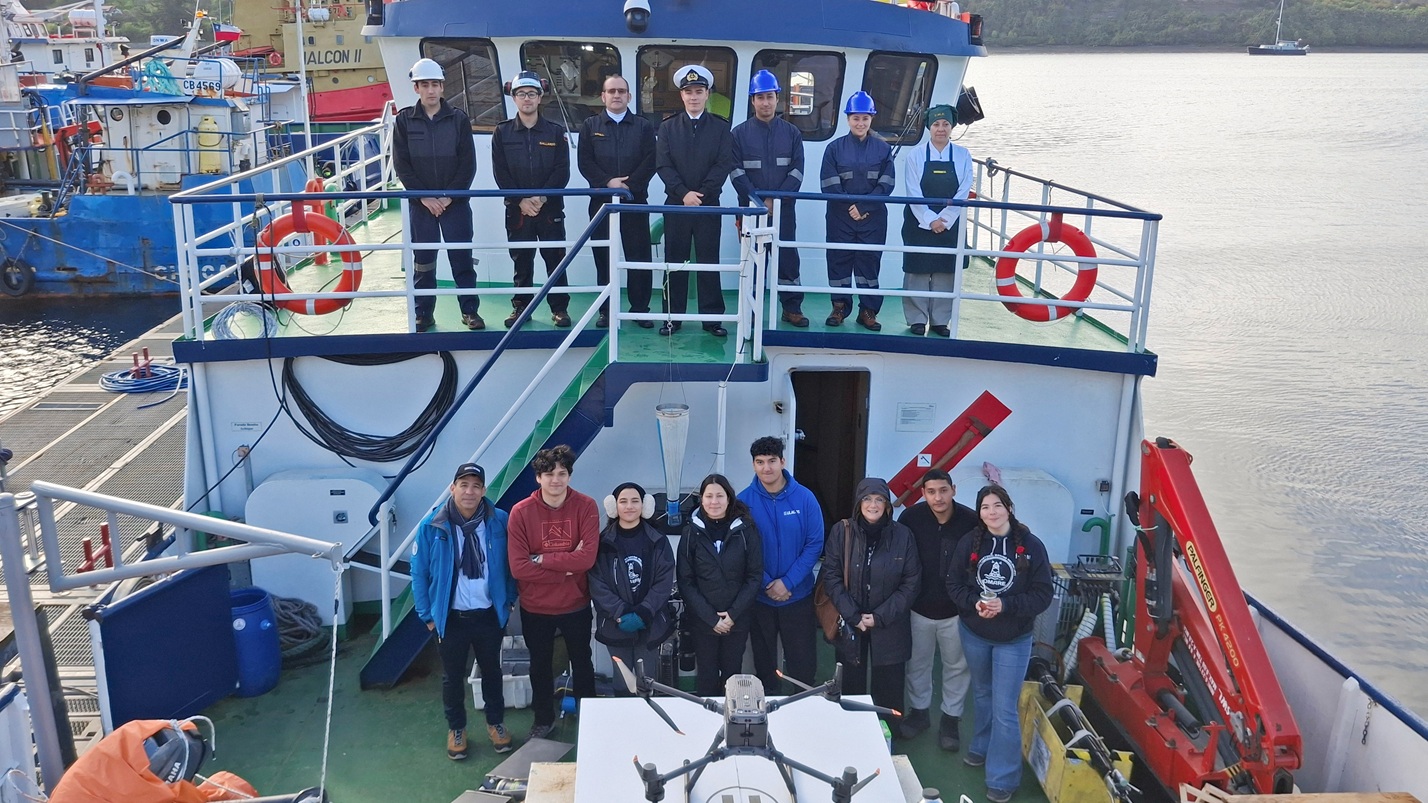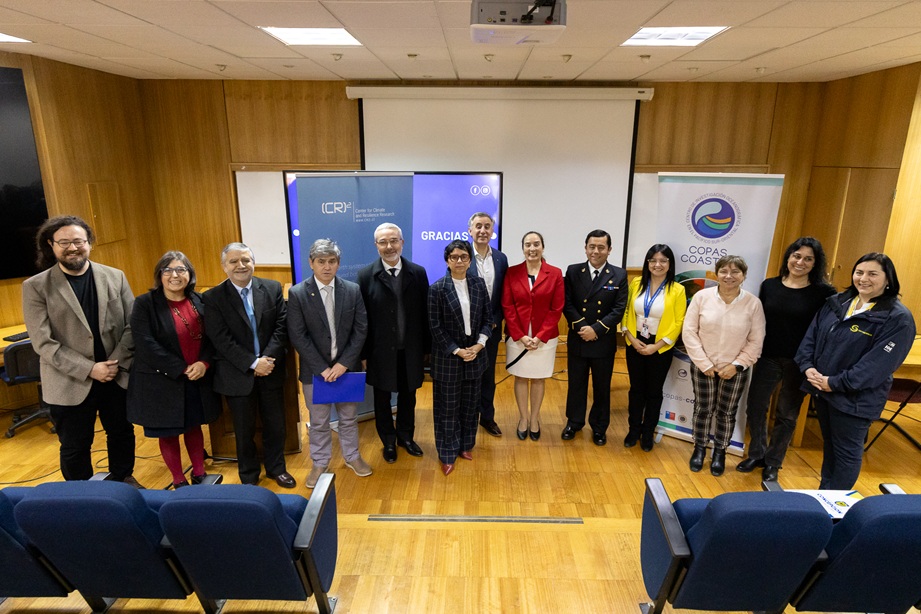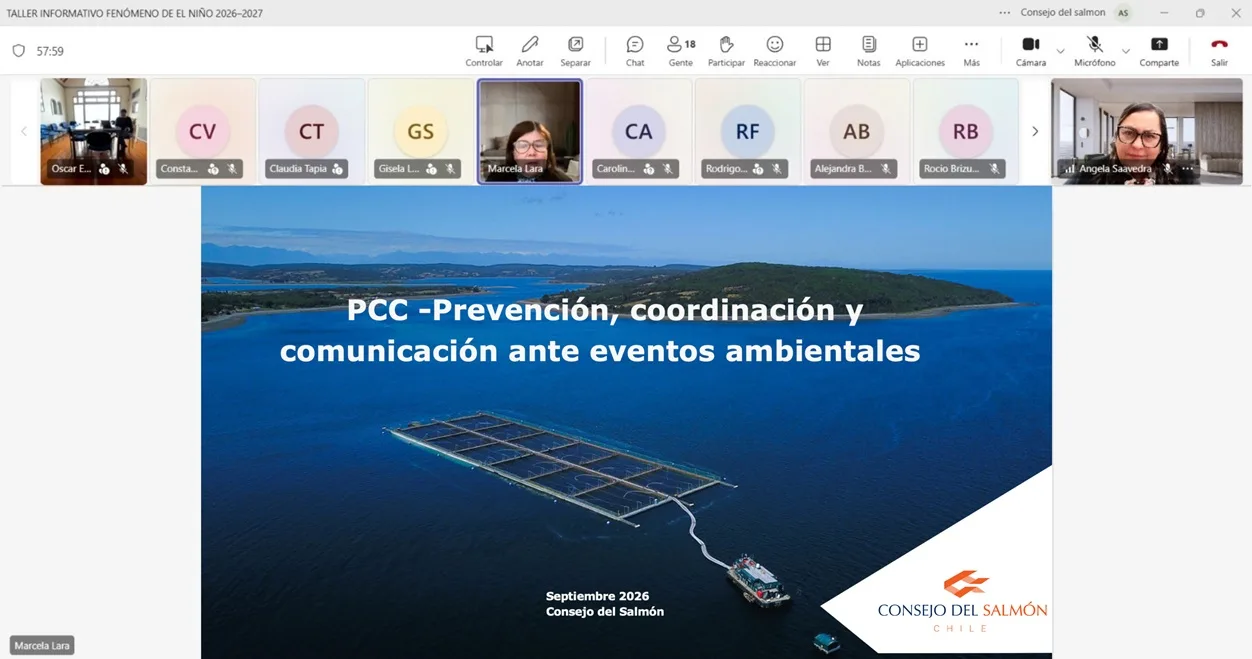
The body brought together communication teams from public institutions relevant to salmon farming and included presentations from IFOP and the Salmon Council, focusing on technical information, prevention, coordination and communication in the face of potential environmental emergencies.
With the aim of sharing technical information and strengthening preparation and coordination in the scenario associated with the 2026–2027 El Niño phenomenon, the Salmon Council held an information workshop directed at communication teams of public institutions relevant to the industry.
In the session, representatives from the Regional Presidential Delegation, Provincial Presidential Delegation and organizations linked to Environment, Health, Economy, Work and SENAPRED participated, creating a space for discussion aimed at having common information and facilitating an coordinated response to potential emergencies.
The first part of the workshop was led by Dr. Oscar Espinoza, head of the Center for Harmful Algae Studies (CREAN) of the Fisheries Development Institute (IFOP)who addressed the main technical elements to understand the phenomenon of El Niño and the different environmental conditions that can influence the appearance and behavior of harmful algal blooms (HAB).
During the presentation it was emphasized that these phenomena respond to multiple variables and not exclusively to El Niño. Among these factors are water temperature, winds, currents, stratification, solar radiation and local conditions, which must be observed in an integrated manner, so permanent monitoring is fundamental to assess the evolution of each scenario.
Similarly, lessons from previous episodes were reviewed, particularly from 2016, highlighting that there is currently a greater availability of information, tracking tools and coordination capabilities. In this regard, the importance of maintaining an timely flow of background information between technical agencies, authorities and industry to support preventive decisions was emphasized.
In a second part, Marcela Lara, technical advisor of the Salmon Council, presented the work that has been developed from salmon farming to strengthen preparedness for this type of emergencies, focusing on a central premise: the response begins before the event.
The exhibition was focused on the Aquaculture pre-alert and the work around four main areas: monitoring and early warning; prevention and preparedness; response and logistics; and environmental and health management. It also explained how the detection of risk signals activates assessment processes that integrate environmental, health, production and operational information before making decisions.
Harmful Algal Blooms are phenomena that worry us, but also occupy us. Preparation does not start when a contingency arises, but much earlier, with monitoring, information and permanent coordination. As the Salmon Council we have been working for years in a joint manner with our partner companies, authorities, technical agencies and other public and private actors to strengthen common capacities, improve the "surveillance and having better tools for anticipation and response," said Marcela Lara, technical advisor of the Salmon Council.
The workshop placed special emphasis on three pillars that guide this work: prevention, coordination and communicationPrevention allows to anticipate through surveillance and preparation; coordination seeks to link capacities between companies, authorities and other actors; while communication aims to have timely information, defined channels and shared criteria to deal with an eventual contingency.
In this way, the activity sought to continue strengthening a logic of early preparation and public-private work, understanding that having technical information, previously coordinated capabilities and established communication channels is key for prevent, coordinate, communicate and respond in front of environmental scenarios that may affect the territories where salmon farming takes place.