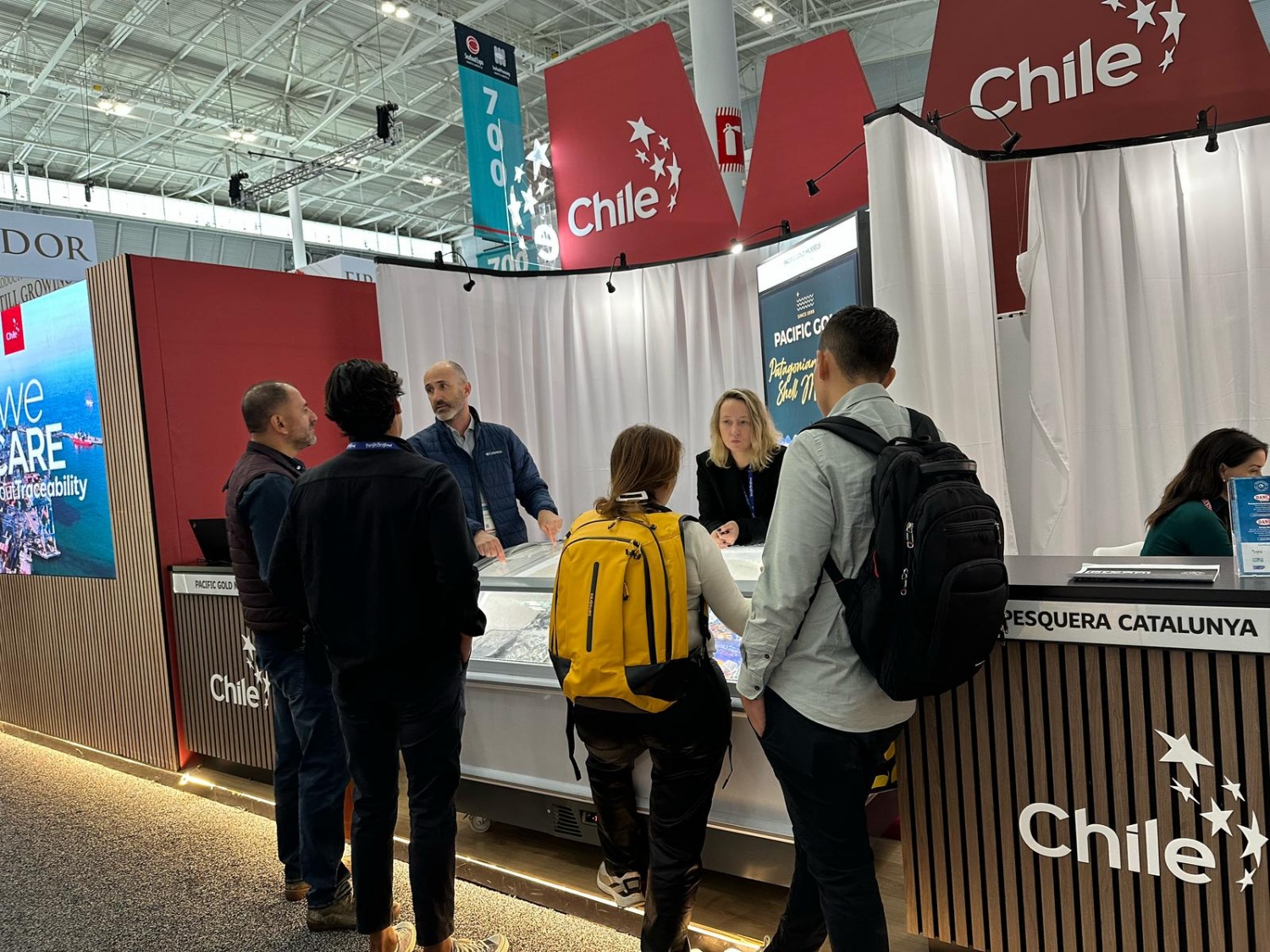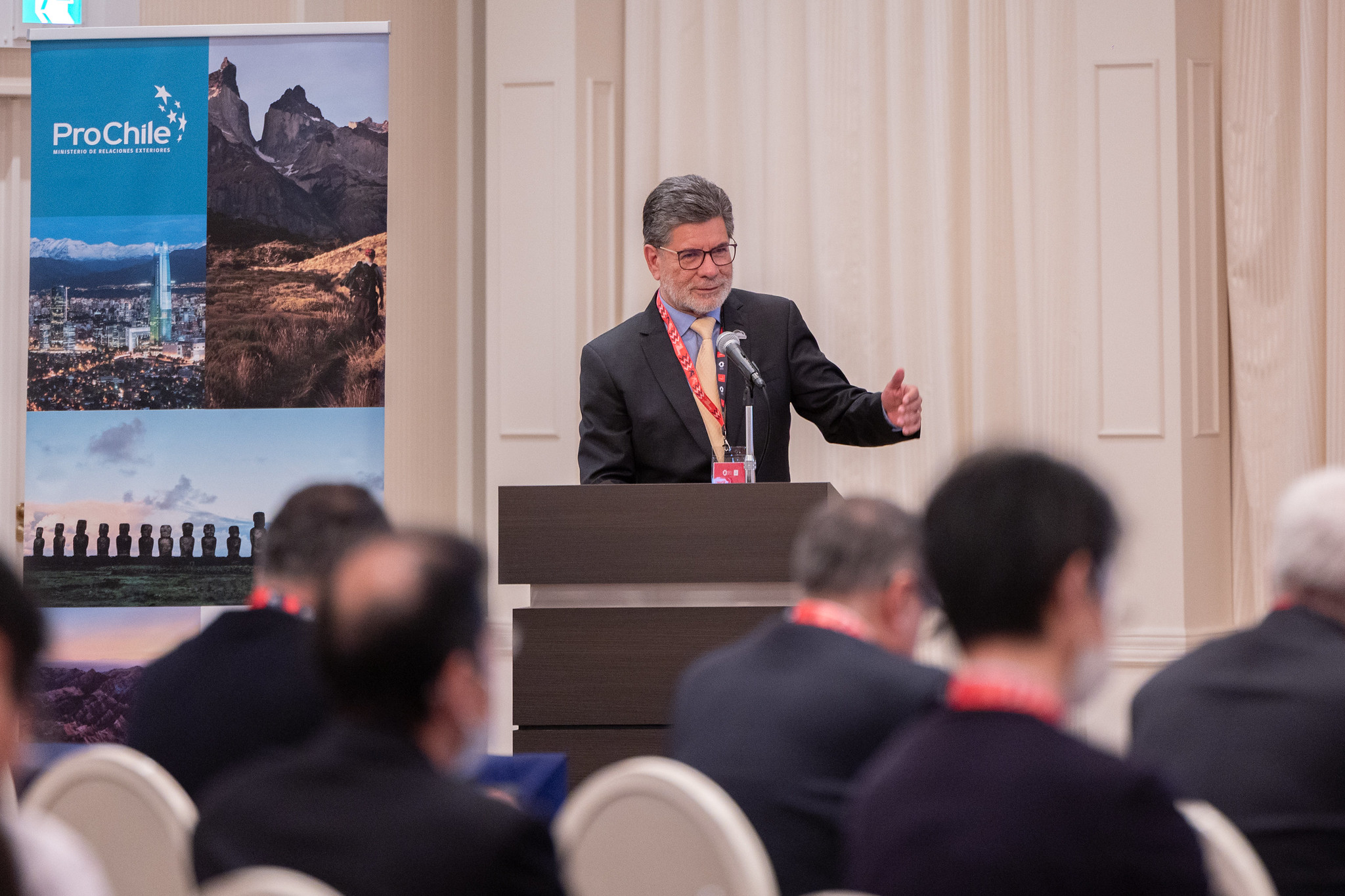
A delegation composed of strategic guilds such as the Gremial Association of Sea Hedgehogs of the regions of Los Lagos and Aysén, the Salmon Council, SalmonChile, AmiChile and the Aquaculture Innovation Club highlighted the role of ProChile and its participation in Sea Week.
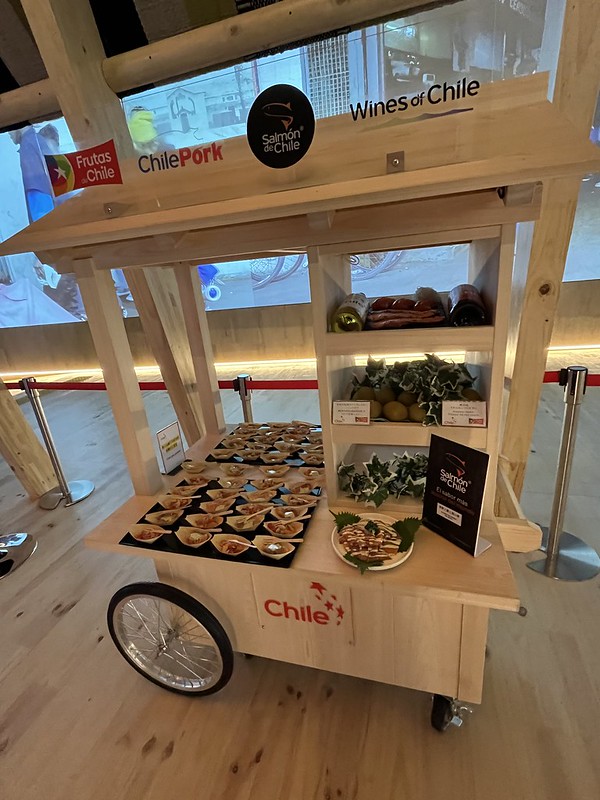
Sea Week at the 2025 Universal Exhibition held in Osaka, Japan, had a positive balance on the part of the participating trade unions. During five intense days—between June 2 and 6—the Chilean pavilion at the Osaka Expo 2025, where the country’s proposal for this event “Makün: The Manto of Chile, became an international meeting point where quality, sustainability and identity our products of the sea were protagonists in front of the demanding Japanese market.
The Region of Los Lagos was present with a delegation that integrated strategic guilds such as the Gremial Association of Sea Hedgehogs of the Tenth and Eleventh Region, the Salmon Council, SalmonChile, AmiChile, and the Aquaculture Innovation Club. They all participated with the same purpose: to show the world that behind salmon, mussels or hedgehogs is a country committed to productive excellence, traceability and diversification of markets.
“Our participation in Expo Osaka represents collaborative work among companies, unions and regions such as Los Lagos and Aysén. This international visibility reaffirms that our products of the sea stand out not only for their quality, but also for their territorial identity and sustainable approach. In addition, this experience generated valuable meetings, where unions and representatives of the sector were able to connect with an ecosystem invited aquaculture especially for each activity. It was a space that allowed to generate synergies between the food of the sea and the technological solutions, advancing together towards common objectives,” said Ricardo Arriagada, regional director of ProChile Los Lagos.
In the Chilean pavilion, the sea urchin plays a leading role as a true delicacy within Japanese cuisine. With its soft texture and delicate flavor, this product has conquered the most demanding palates in the Asian country. For example, in 2024, 88% of the sea urchins exported by Chile were shipped to Japan, according to ProChile, based on data from the National Customs Service, for a total amount of US$53 million.
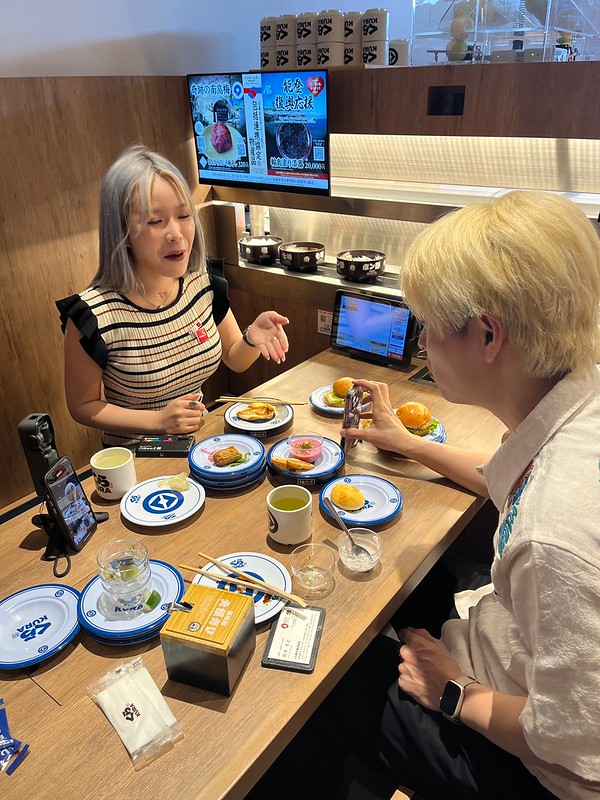
In this context, a promotion of the Chilean hedgehog was carried out in the spinning chain Kura Sushi, who designed a special dish with this product in the framework of Chile's participation in the Osaka Expo 2025. This action made it possible to highlight the Chilean origin of the product and bring it directly closer to Japanese consumers, integrating it into a modern gastronomic proposal, dynamic and aligned with the new trends of consumption.
“Japan deeply values quality, safety and traceability. Being here strengthens this commercial and cultural relationship that we have been cultivating for years,” says Guillermo Roa, vice president of the Association of Erizeros of the Tenth and Eleventh Region.
Highlighting Chilean Salmon and Miticulture in Japan
Another major protagonist at Expo Osaka was Chilean salmon. Through tastings, specialized seminars and encounters with importers, their positioning as a star product was strongly presented. Particularly coho salmon, a highly valued species in the country of the rising sun, where Chile has established itself as a key supplier.
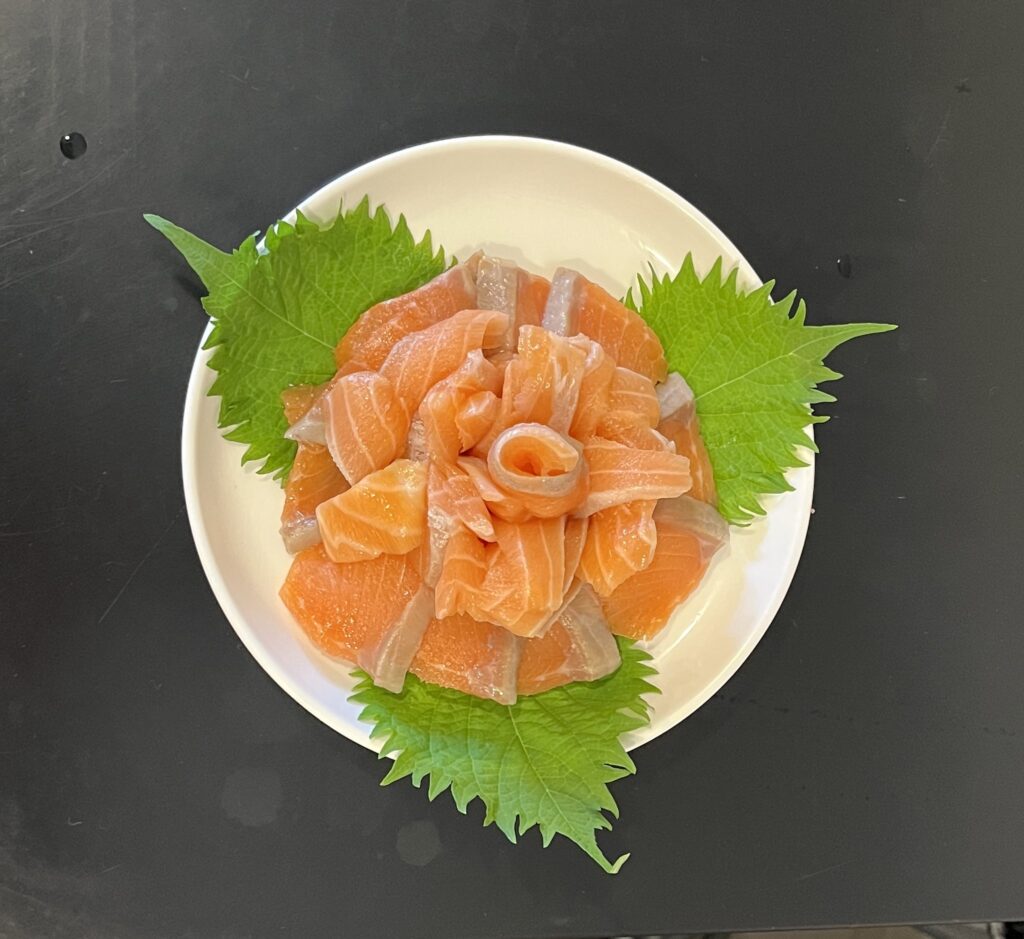
From the Council of the Salmon, they emphasize that the Japanese market is a strategic place that demands excellence and sustained commitment. “In this first-level event we could see that there is a growing global demand for salmon, and that Chile has all the capacities, conditions and standards necessary to provide the world with this sustainable protein, thus contributing to the food security of the planet,” they said. trade union.
“It is essential for industry to be present in instances like this, organized by ProChile, as they allow us to show Chilean salmon as a food of quality, safe and produced in a sustainable way,” said Melanie Watmore, director Marca Salmón of Chile. “We hope to continue positioning Chile as a reliable producer of seafood,” he added.
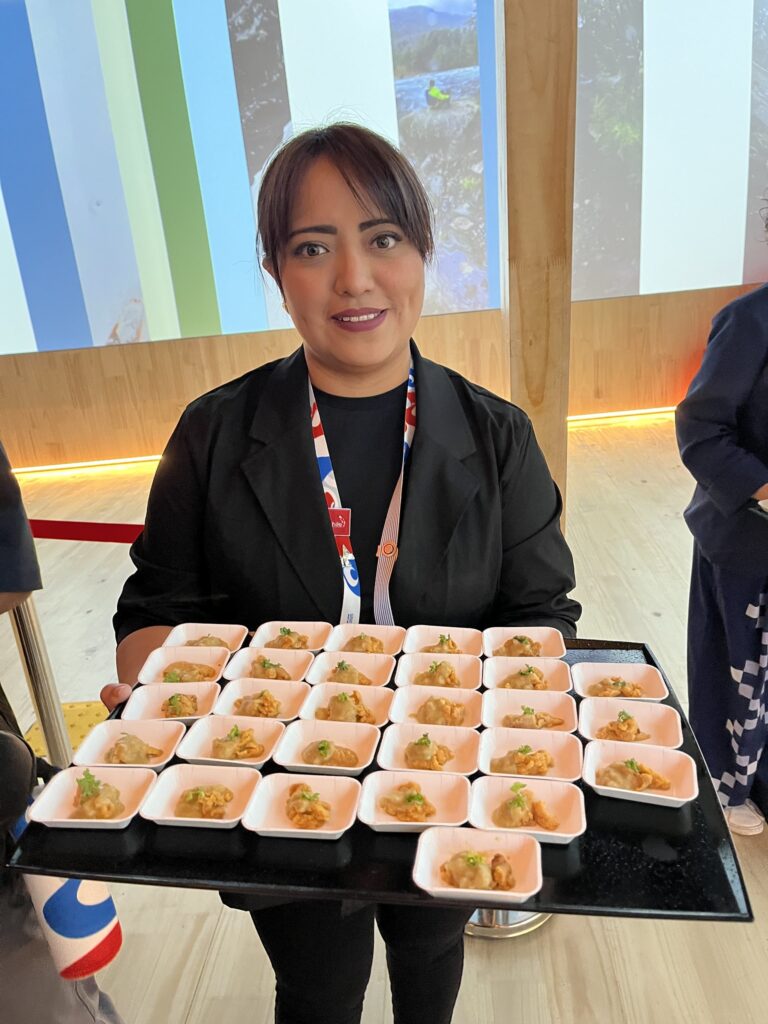
The Los Lagos region leads national exports of salmon and mussel, two species that concentrate increasing demand in Asia. In 2024, according to figures from ProChile with data from the National Customs Service, Japan was the second most important destination for Chilean sea products with shipments of US$ 1,072 million, reaffirming its position as a strategic partner.
This presence was strongly joined by the mussel-producing sector, which also deployed its flavors in a tasting to visitors of the Chilean pavilion. “The presence of Chilean mussel cultivation in Osaka reinforces the fact that our product is global. We are present in more than 60 countries, and Japan is a key market,” said Rodrigo Carrasco, executive director of AmiChile.
Sea Week was a great opportunity to make the Chilean aquaculture innovation ecosystem visible. Adolfo Alvial, director of the Aquaculture Innovation Club, participated with companies of the field in a seminar previously held in Tokyo. “It was an exceptional opportunity to show that our technological solutions are at the level of the most developed markets. Chile not only exports products, it also exports applied knowledge and territorial experience in aquaculture,” said Alvial.