This week, and in the context of the Global Seafood Expo from Barcelona, Monterey Bay Aquarium announced the launch of the initiative CSARP+, starting the second phase of its initiative to reduce the use of antibiotics in Chilean salmon farming companies. In this way, the work to improve the environmental sustainability of the Chilean salmon industry will continue, evaluating and recognizing companies that individually lead the efforts to reduce the use of antibiotics.
To obtain the CSARP+ status, companies must continue achieving new individual reduction targets every year. CSARP+ members also agreed to share data on their progress, demonstrate that continuous improvements have been made, and present evidence of innovations and collaboration.
The founding members of CSARP+ are Australis Seafoods, Blumar, Camanchaca, Cermaq, Cooke Chile, Multi X and Nova Austral. Together, these seven companies produce more than half of the Atlantic salmon grown in Chile. However, Monterey Bay Aquarium will continue to work with other members of CSARP to keep moving forward, with the expectation that in the future more companies will join CSARP+.
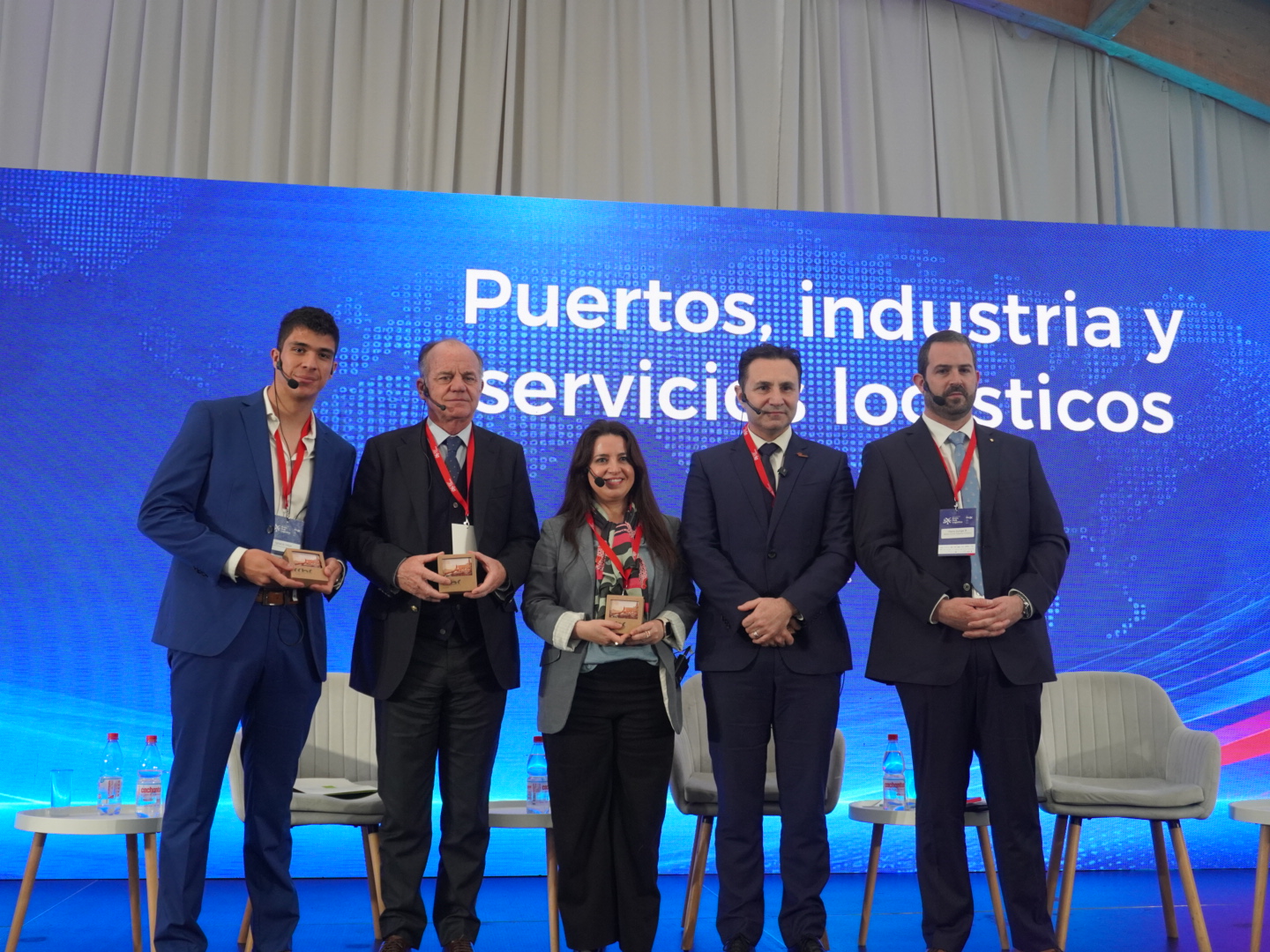
The president of SalmonChile, Arturo Clément, welcomed the announcement made this week, stating that “the salmon sector, led by us and always with the support of Intesal, has promoted transparency in antibiotic use data since the first sustainability report in 2016. In this way, always with the idea of moving forward in improving the gaps we have, the agreement with the Monterey Bay Aquarium arose and the Chilean Salmon Antibiotic Reduction Program (CSARP) was executed.”
“We must not forget that the use is done under the concept of animal health and international regulations, in addition to having the highest standards for the consumer. This is yet another sign of the constancy and commitment to the improvement that national salmon farming is driving towards a more sustainable productive sector,” the executive said.
Salmon consumption in the USA
Cultivated salmon is one of the most consumed and appreciated seafood products in the United States, and about half of the salmon imported comes from Chile. Most of that product is classified as red by the Monterey Bay Aquarium program called Seafood Watchmainly due to high use of antibiotics.
In 2019, the Aquarius worked in collaboration with SalmonChile to launch the program Chilean Salmon Antibiotic Reduction Program (CSARP)). Through this initiative, companies that account for 95% of salmon production in Chile committed themselves to a 50% reduction in the use of antibiotics in Chile's industry by 2025. Although CSARP established itself as a model of transparency and cooperation, it Progress report for 2022 revealed that action is needed more quickly. The study showed that while some companies are leading the change in industry, others have failed to meet their reduction commitments.
“In order to meet the growing demand of those who consume salmon in the United States, while mitigating threats to the environment and human health, the CSARP+ initiative encourages companies to act by granting recognition in the individual and by name to those who have a high performance. This, with the expectation that companies supplying Chile will choose to do so with their products, ” said Dianto Kemmerly.