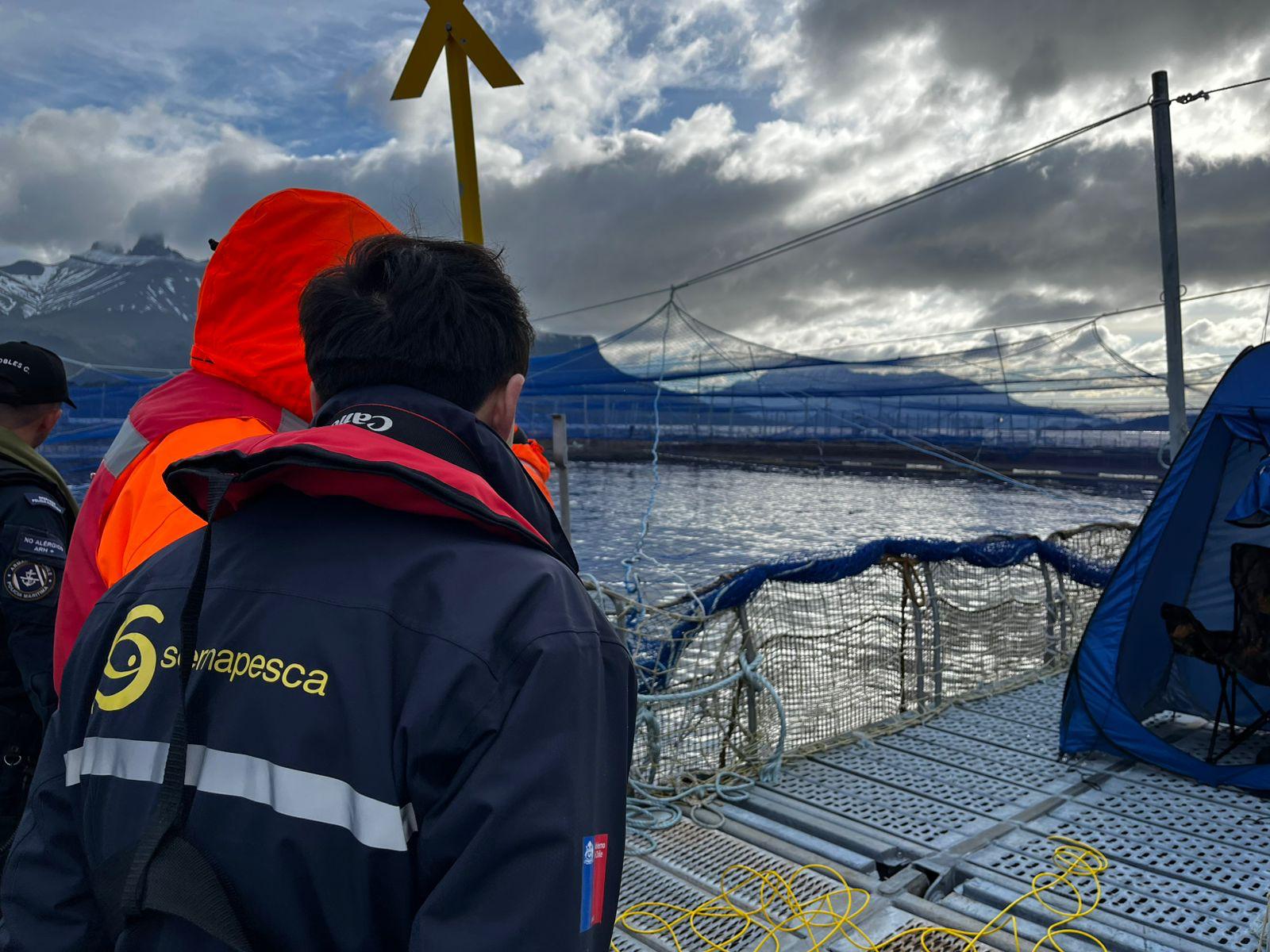
The National Service of Fisheries and Aquaculture (Sernapesca) published on its website the salmon farming Health Report corresponding to the operations registered in 2023, which describes the productive and health situation of the national salmonid industry, both in its fresh water phase and at sea, as well as the health condition with regard to the diseases covered by the Specific Programmes for Monitoring and Control of Salmonidae. Infectious Salmon Anemia (ISAv), Caligidosis and Piscirickettsiosis.
The paper considers the analyses of the mortality statements of sea and freshwater culture centres grouped by region, as well as their associated causes. It should be noted that since the last report, a section on mortality by cycle was incorporated, including ethe number of dead fish and the percentage of accumulated mortality, differentiated by species, region and company.
Mónica Rojas, Deputy Director of Aquaculture, Sernapesca, he referred to the importance of making public information on the taxation of the aquaculture industry: “As provided by the regulations, within the framework of transparency, it is essential to make this report available to users and citizens, so that they can know the productive and sanitary performance of the salmon industry. Report generated from monitoring system information health care implemented by Sernapesca.”
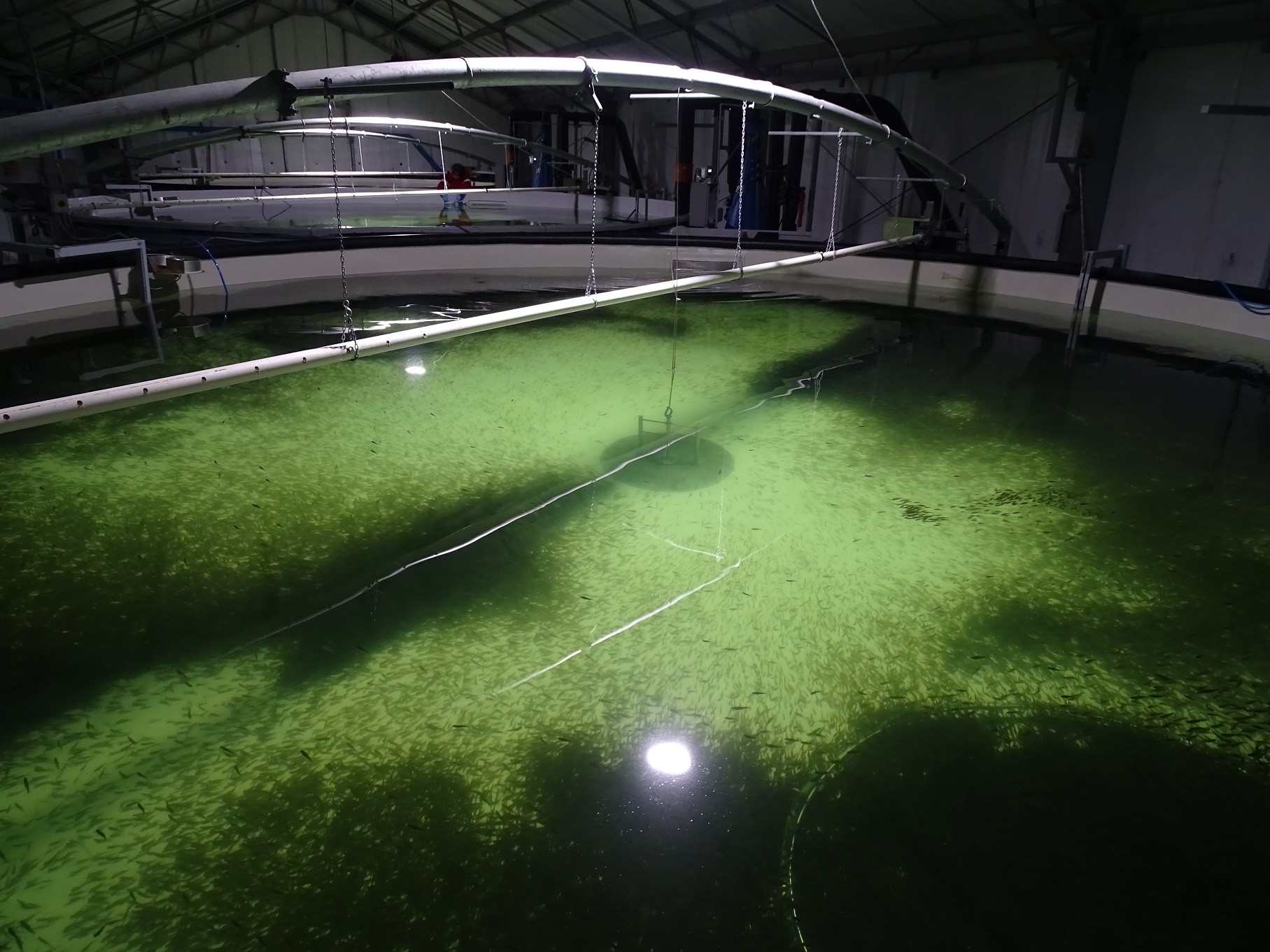
From a productive perspective, the report indicates that between October and December the largest number of centres and fish farms active in the freshwater phase was registered, reaching a total of 140 nationally. The Los Lagos region reported the most activity, with 70 operating centers, followed by La Araucania with 38 and Los Ríos with 24 freshwater centers.
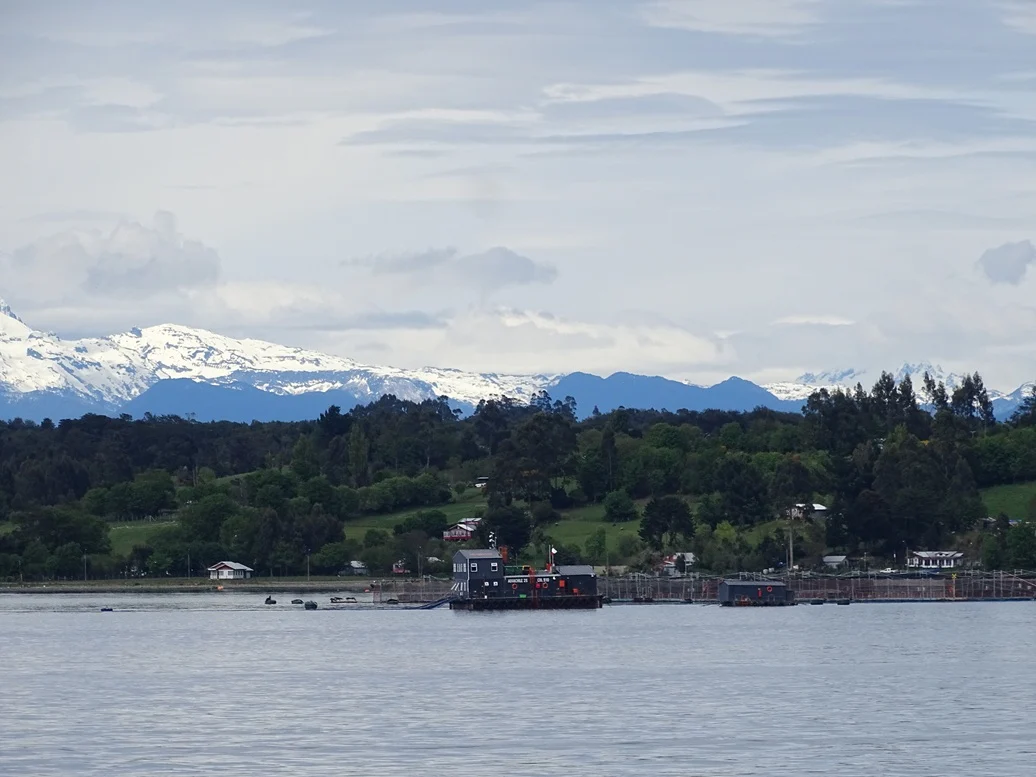
In the case of sea centres, Aysén was the region with the largest number of centres operating with 8 per cent more compared to 2022, reaching a total of 303 centres per year, followed by the Los Lagos region with an increase of 6 per cent, reflecting a total of 234 centres per year, and finally the Magellan region, which decreased by 9 per cent the number of active centres by 2023, registering a total of 63 centres per year. I mean, During 2023 there were a total of 600 operating centers.
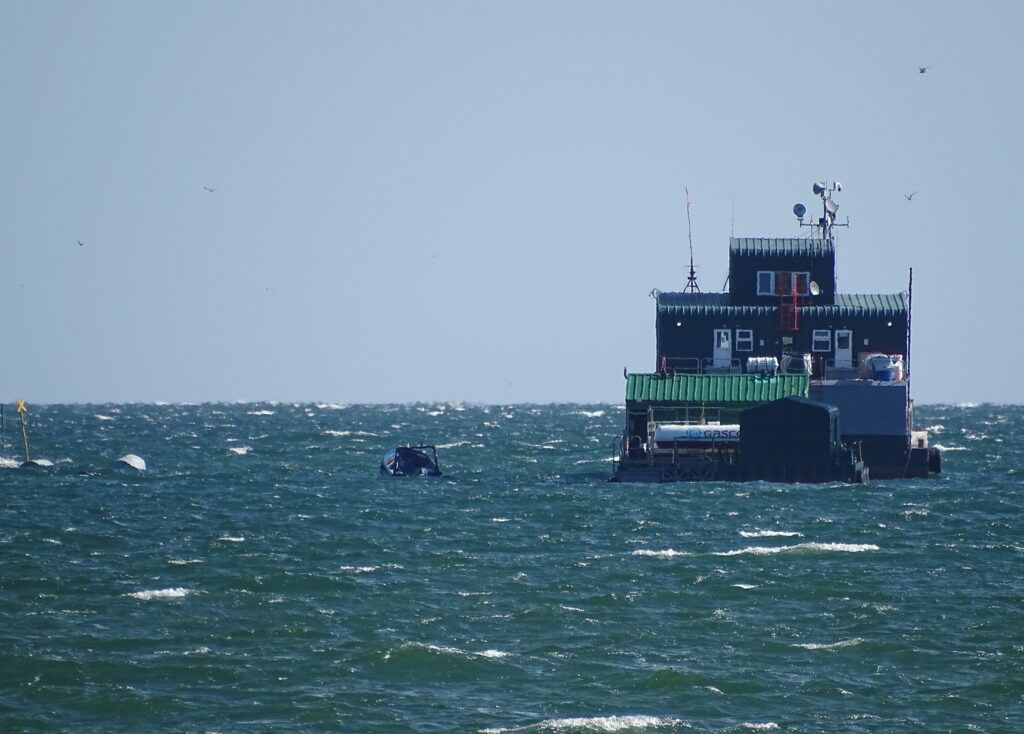
As for the cultivated species, Atlantic salmon continues to accumulate most of the production with 64% of the centers that operated, followed by coho salmon with 28% and rainbow trout with 7%.
With regard to the mortality reports for the year 2023, it should be noted that there was a decrease in the percentage of monthly mortality of 0.11% compared to 2022. With respect to the accumulated mortality of closed crop cycles in 2023, the average mortality for Atlantic salmon was 9.4 per cent, for coho salmon it was 6.8% and for rainbow trout it was 6.9 per cent.
Health status
Regarding Infectious Salmon Anemia (ISAv), the prevalence of the variant other HPR (pathogenic, which produces the clinical picture of Infectious Salmon Anemia) was 0.3%, highlighting a single outbreak in 2023 in the Punta Integra center, in the Magellan region. Thanks to the measures taken, mandated by Sernapesca's surveillance and control program for this disease, it was possible to contain the outbreak and prevent its spread. to other cultivation centers, which demonstrates the importance of biosafety measures implemented in the country, as well as early detection and timely control.
On the other hand, during the first half of 2023, the situation of Caligidosis in the regions of Los Lagos and Magellan showed an average weekly load below the threshold of 3.0 HO. In contrast, in the Aysén region parasitic loads were variable, exceeding the threshold of 3.0 HO only in November.
Regarding infectious mortality (secondary classification) of Atlantic salmon, Piscirickettsiosis remains the main cause with 44.7%, followed by Tenacibaculosis with 37.9%. Overall, compared to 2022, Piscirickettsiosis decreased by 8.1%, while Tenacibaculosis increased by 9%. In the case of rainbow trout, the main infectious cause in 2023 was pancreatic necrosis. Infectious (IPN), and in coho salmon, bacterial kidney disease (BKD).
Finally, the report highlights that Chile remains a country free of high-risk diseases listed in List 1, thanks to its robust surveillance system that complies with the World Organization for Animal Health (WHOA).
The salmon farming Health Report with transactions registered in 2023 can be found in the link: https://www.sernapesca.cl/informes-y-datos/resultados-de-gestion/