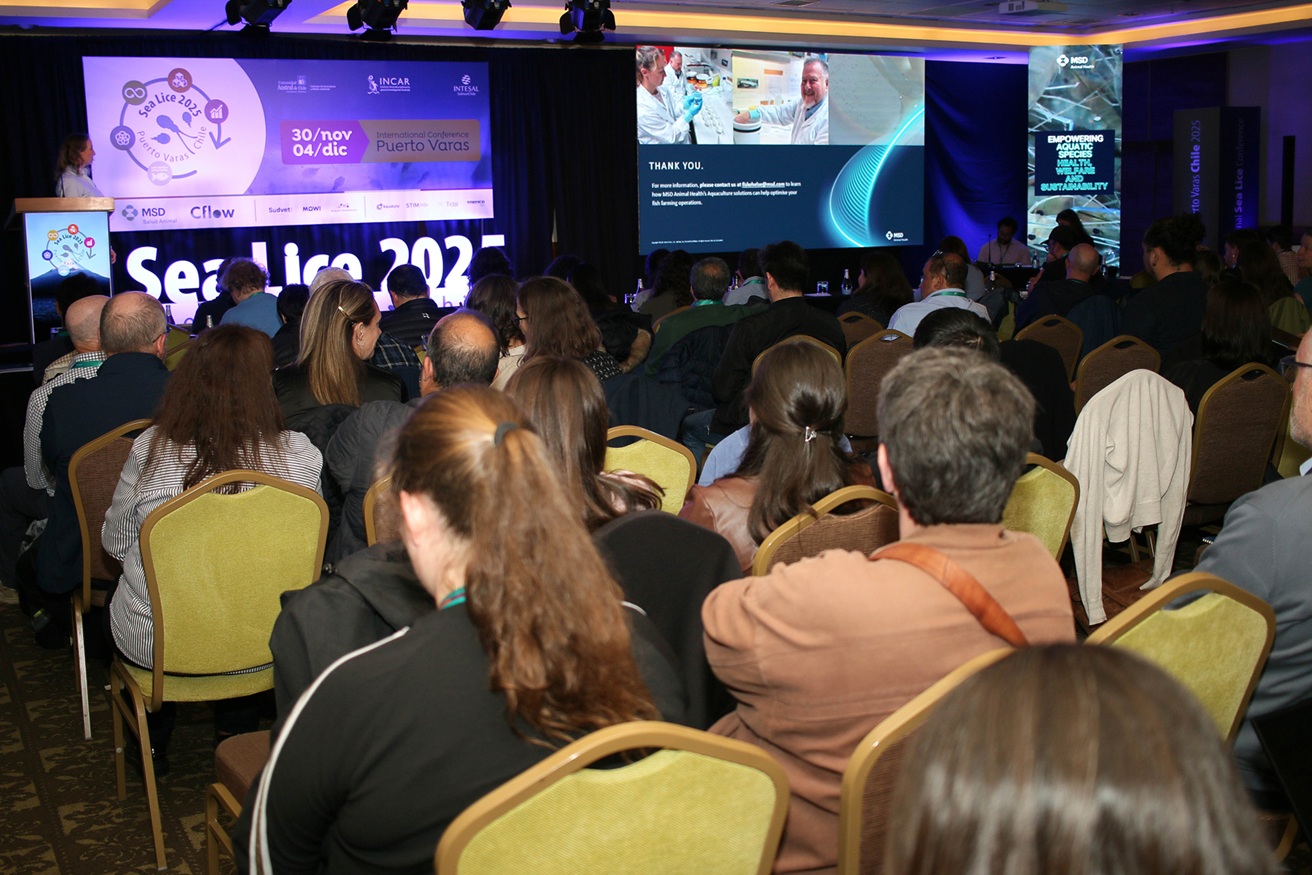
The company MSD Animal Health was not only one of the main sponsors of Sea Lice 2025, but also participated with two presentations on the relevance of animal welfare during treatments against sea lice, and advances in measurement of sensitivity for a more sustainable use of therapeutic alternatives.
With a positive balance it closed MSD Animal Health its participation in the International Sea Lice Conference 2025 held in Puerto Varas between 1 and 4 December, organized by the INCAR Center, the Aquaculture and Environment Institute of the Austral University of Chile and the Salmon Technology Institute (INTESAL) of SalmonChile.
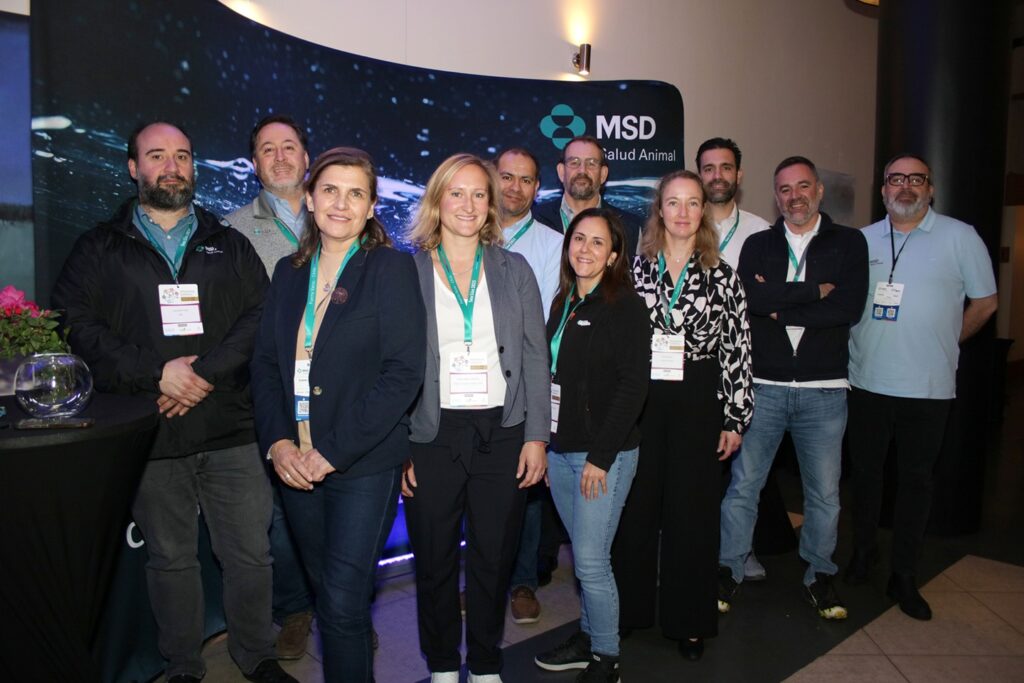
At the meeting, Dario Mascolo, Manager of Veterinarians and Animal Health Aqua in Europe, and Lene Høgset, Customer Service Manager of MSD Animal Health Aqua in Europe, presented interesting research on how to improve fish welfare during treatments against sea lice and also on advances in sensitivity measurement to maintain a more sustainable use of available drugs.
The first day of the conference, Dario Mascolo gave the talk "Improving fish welfare during lice treatments, where she presented scientific evidence on the use of sedation in treatments against sea lice in farmed salmonid species in northern Europe, as well as strategies to improve fish welfare during these practices.
The expert indicated that sedation is applied in all stages of production: handling of broodstock, counting, classification, vaccination and all the phases that require fish handling, as well as in treatments, especially against sea lice. Using this technique, the fish's fight or flight reaction is reduced, decreasing stress and indirectly influencing the improvement of their environment. In short, "sedation has a" direct and indirect impact on health and well-being,” he said.
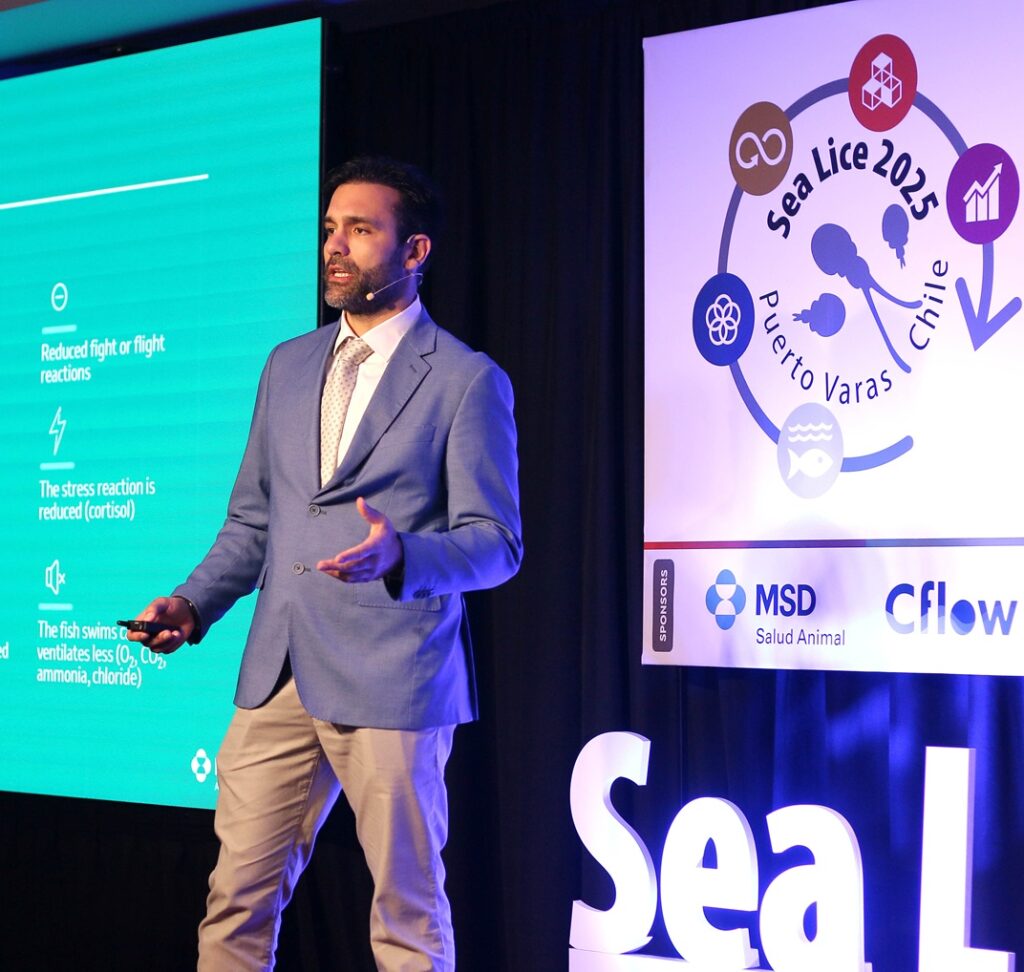
In this context, he presented a study on big data carried out by Manolin – a data analysis company with access to a high percentage of information from Norwegian producers – where data on mechanical treatments against sea lice were compared with and without sedation. The results? When lice infestation was analyzed, a significant difference was observed between the two treatments. After 30 days, there was a 10% reduction in adult female lice infestation in the Sedated fish sites during treatments, compared to unsedated fish, and a 30% decrease in mortality in sedated fish.
Mascolo also released the results of two studies, on a commercial scale, carried out by the Norwegian research station LetSea to assess the effects of sedation, which also provided positive data on this practice.
Sensitivity in larvae
On the second day of the Conference, Lene Høgset gave the talk “A new sensitivity test of salmon lice larvae enables more sustainable use of sea lice medicines“ It’s all right. ” In her exposure, the veterinary physician released a new sea lice sensitivity test, developed in Norway, based on copepodite larvae of Lepeophtheirus salmonis, which seeks to support therapeutic decision-making before indicating medicated treatments, such as Slice®. This product – which has emamectin benzoate as an active substance – has been used in salmon farming for about 25 years. However, a decrease in sensitivity has been observed, especially in pre-adult and adult states.
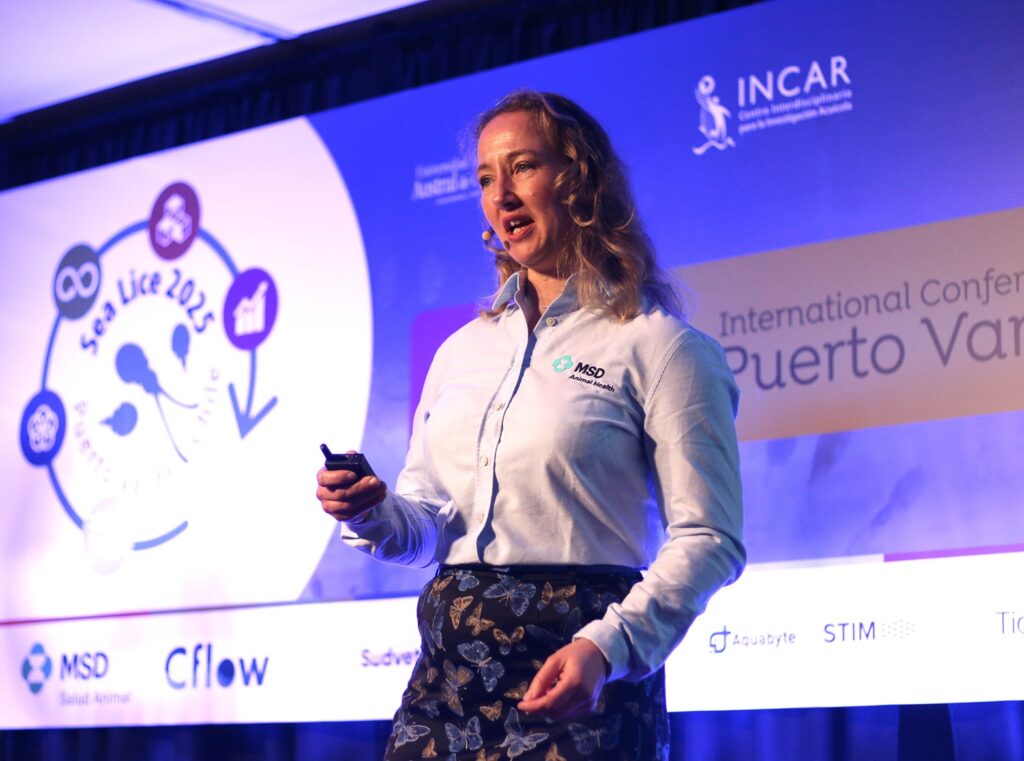
According to the specialist, despite this reduction in sensitivity in mobile stages, Slice® continues to show effect on sea lice larvae. In this context, a new bioassay of sensitivity in copepodites allows to evaluate in the laboratory, before prescribing, whether or not a particular population of sea lice responds to emamectin benzoate and thus anticipate the probability of success of field treatment. The objective is increase therapeutic efficacy and, at the same time, avoid unnecessary applications when the test shows low sensitivity, contributing to a more sustainable and responsible use of the drug, from an environmental and resistance perspective.
The expert explained that, until now, there was no protocol for the emamectin benzoate sensitivity tests of the larval phases and that, together with her team, she was able to correlate this new test with the traditional trial with adult lice.
In a pilot trial, the response of two different types of lice strains was compared: an old one, sensitive to all medications against sea lice, and a more resistant field strain. In both cases, copepodites and mobile lice were exposed to adjusted concentrations of emamectin benzoate, demonstrating that larvae are significantly more sensitive to the compound than mobile stages and require significantly lower doses to achieve comparable levels of inactivation.
Lene Høgset concluded that, while further research is needed to evaluate the test, so far this bioassay appears to be a good tool for monitoring the sensitivity of copepodites to emamectin benzoate.
Comradeship activities
During Sea Lice 2025, MSD Animal Health also organized a brunch with clients and collaborators, in which the Integrated Pest Management (IPM) in aquaculture was presented, where a series of concepts potentially applicable to the design of strategies for the control of sea lice was reviewed, emphasizing its importance and the opportunities it presents.

In addition, the company summoned executives of salmon producing companies, along with international guests and the team in Chile, to a country barbecue at the Fundo Playa Venado, in Puerto Varas, where they could share a pleasant moment of camaraderie and local traditions.