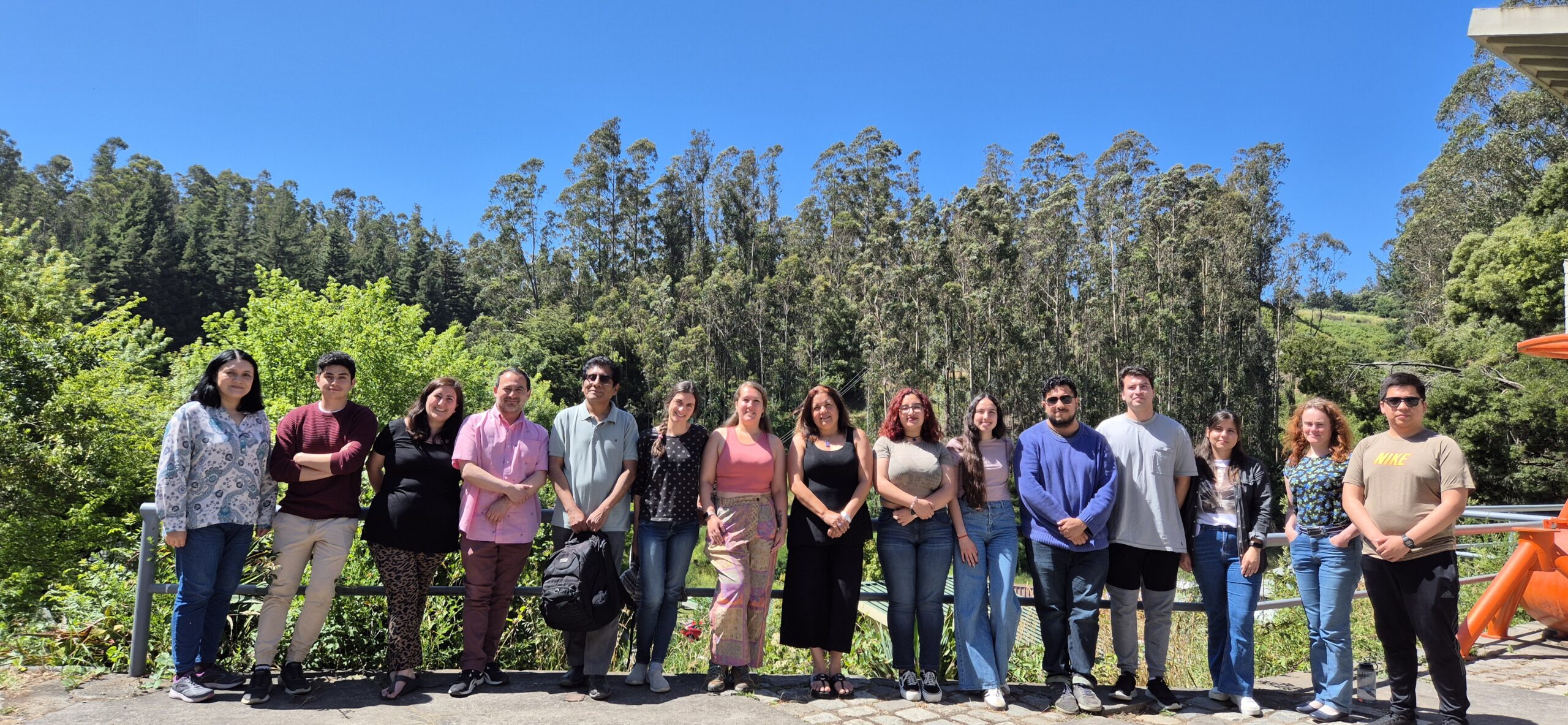
It is an initiative that brings together 11 researchers from the regions of Antofagasta, Valparaíso, Metropolitan and Biobío, led by the academic from the University of Concepción, Dr. Pamela Hidalgo.
The Southern Pacific Ocean Deoxygenation Study Millennium Nucleus (DEOXS) it is a scientific initiative, funded by the National Agency for Research and Development (ANID), which focuses on investigating the effects of oceanic deoxygenation in the South Eastern Pacific.
Using a combination of models, observations and experiments, researchers aim to understand: First, changes in oxygen levels, that is, how the decrease in oxygen in the water affects marine life and biogeochemical processes. Second, the impacts on biodiversity, that is, how hypoxia (low oxygen concentration) affects organisms such as plankton. And third, the cycles biogeochemicals, to understand how deoxygenation alters the carbon and nitrogen cycles and the interaction between the ocean and the atmosphere.
The team is led by the academic from the University of Concepción, Dr. Pamela Hidalgo. The alternate director of the nucleus is the academic from the Pontifical Catholic University of Valparaíso, Dr. Marcela Cornejo.
They join the research team: Dr. Ramiro Riquelme (Chief Investigator, UdeC); Dr. Natalia Osma (Principal Researcher, University of Antofagasta); Dr. Igor Fernández (Principal Investigator U. de Antofagasta); Dr. Vera Oerder (Chief Investigator, UdeC); Dr. Peter von Dassow (Chief Investigator, Pontifical U. Catholic of Chile); and senior researchers: Dr. Vincent Echevin and Dr. Rubén Escribano (UofC). They complete this group: the Dr. Paula Ruz (Deputy Investigator, PUCV) and Dr. Monserrat Aldunate (Young Investigator UdeC).
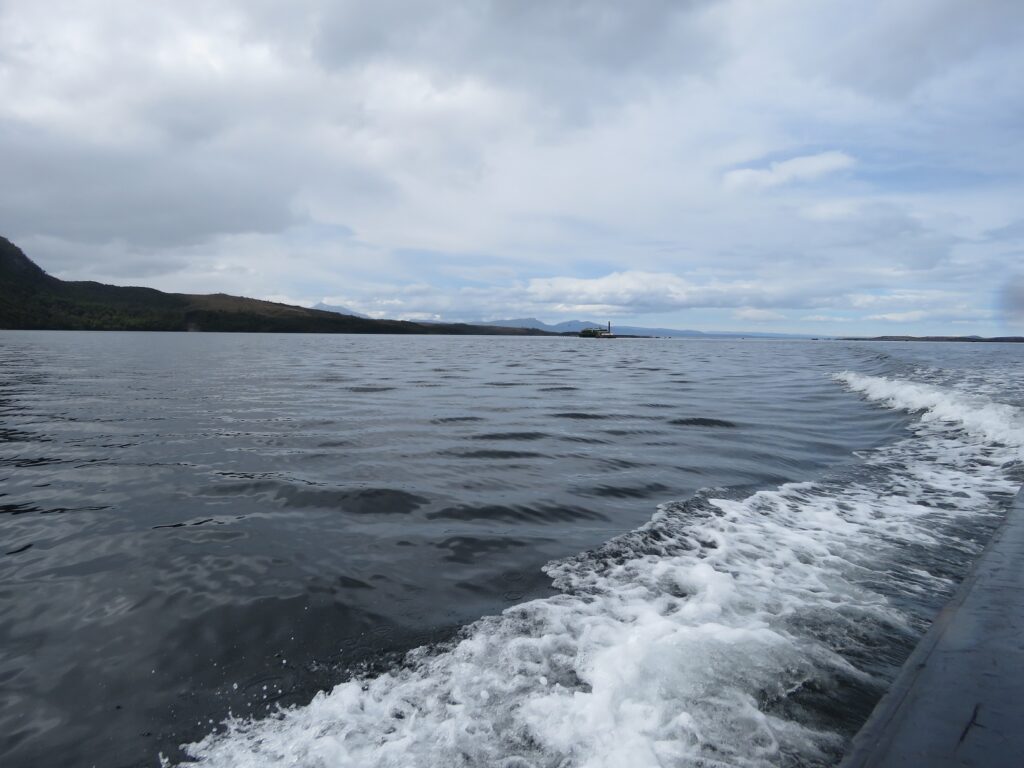
It should also be noted that this new Millennium Nucleus DEOXS has a strong training component through the incorporation of undergraduate and postgraduate students, as well as a strong line of work linking to the medium.
“The ocean is going through a process called deoxygenation. The ocean is running out of oxygen, due to the consequences of climate change, which is due to a global process,” says the Director of the Millennium Core DEOXS, Dr. Pamela Hidalgo. “Through the Millennium Nucleus DEOXS we want to study the consequences, that is, what is happening in our Pacific Ocean, which is like a natural laboratory to be able to study this condition, since in it we find zones of minimal or low oxygen, which show what could be the near future of the ocean in other areas, where we do not have this natural laboratory, which is taking place with climate change,” he added.
Professor Pamela Hidalgo explains that “the South Eastern Pacific Ocean is a natural laboratory in which the future of the entire ocean can be evaluated, from approximations of diversity, to understand, for example, how the structure of populations changes from Ecophysiology and how organisms are responding to this from their association with oceanographic variability and, to be able to model through the physical component these changes that the ocean is undergoing and this deoxygenation.”
Therefore, the DEOXS Millennium Core proposes a seasonal monitoring study, that is, a follow-up in different latitudinal regions through modelling and biological responses and their impact on ocean biogeochemistry.
Why is this investigation important?
Ocean deoxygenation is a global problem with serious consequences for marine ecosystems and the economy. The Eastern South Pacific is an area of high productivity, critical to fishing and the well-being of many countries. DEOXS combines different tools and disciplines to address a complex problem in a comprehensive manner.
In short, DEOXS is a pioneering research project that seeks to understand the consequences of ocean deoxygenation in a key region of the planet. The results of this research will be key to developing strategies for conservation and adaptation to climate change.
Finally, it is important to note that Dr. Pamela Hidalgo has studied the subject of minimum oxygen zones throughout her life, using the Bay of Mussels in the Antofagasta region as a natural laboratory since 1997.
This research group as such originated as the group “Hypoxia” since 2013 with Dr. Pamela Hidalgo, Dr. Marcela Cornejo (at that time as postdoc) and Dr. Ramiro Riquelme, as leaders.
Over time, this group was joined by graduate students interested in working in the area of deoxygenation study. In addition, researchers such as Pamela Hidalgo, Ramiro Riquelme, Peter von Dassow, Rubén Escribano, Natalia Osma and Igor Fernández have at some point been part of the Millennium Institute of Oceanography (IMO).
During the pandemic, the group continued to demonstrate and meet to share ideas and knowledge on the topic, until finally, so many years of sharing science were translated into a proposal to form the Millennium Core for the Study of Deoxygenation in the Eastern South Pacific Ocean (DEOXS). This initiative will give visibility to the silent work being carried out by the Hipoxia group and will undoubtedly contribute to achieving the new scientific research goals of the group.
More information at https://deoxs.cl/