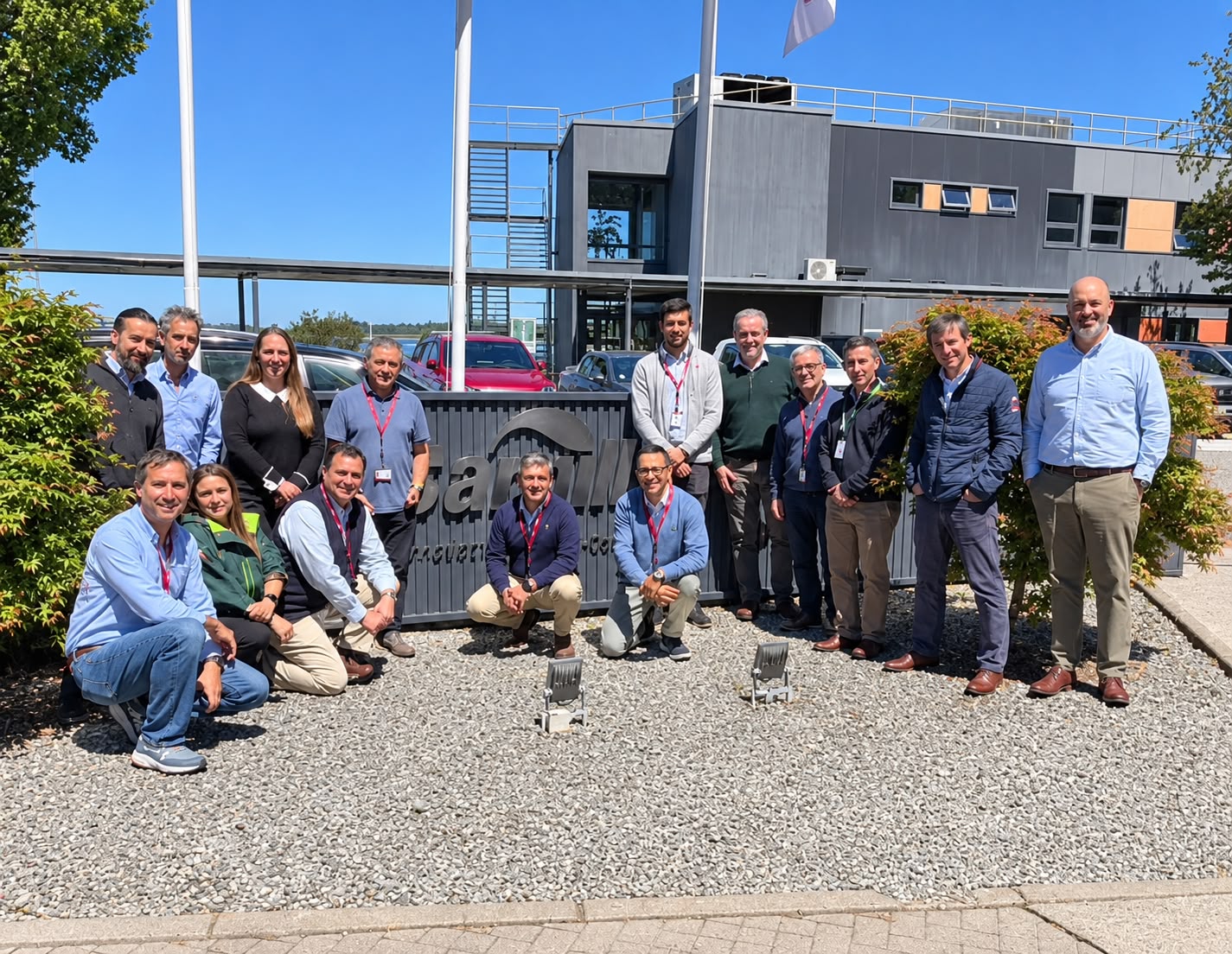
The Agricultural and Livestock Service (SAG) and the Yelcho Alliance agreed to launch this year a specific working table to identify areas for improvement in the regulatory system to promote and encourage innovation and the development of effective solutions for the health and well-being of fish in salmon farming. This new line of collaboration is part of the alliance's purpose to promote tools to help prevent control diseases and reduce the use of antimicrobials.
The agreement was reached during the technical visit made on October 28 to the Los Lagos region by the national director of the SAG, Domingo Rojas Philippi, along with the Deputy Director of Operations, Mei Maggi Achu, and the regional director of the service, Francisco Briones. The delegation was received by representatives of Alianza Yelcho, headed by its executive director, Fernando Flores; the coordinator, Daniel Woywood and the directors Manuel Arriagada and Cristian Swett.
As a first step, a workshop aimed at diagnosing the regulatory situation linked to salmon farming and defining the main areas of work will be coordinated. It will also agree on the periodicity of the meetings of the bureau and the mechanism for reporting its progress.
This initiative continues the technical work of Alianza Yelcho, in which SAG, the National Fisheries and Aquaculture Service (Sernapesca) and the salmonid producing companies, represented by their guilds, participate. Among the advances is the alignment of the experimental designs of vaccines against Piscirickettsiosis with the criteria of the regulatory agencies, so that the obtained data can be part of futures registration processes.
Fernando Flores, executive director of Alianza Yelcho, highlighted the scope of the visit of the national director of the SAG to the salmon industry, noting that “it reinforces public-private commitment to biosafety standards and the sustainability of the sector. This meeting consolidates the importance of technical collaboration, recognizes the strategic value of salmon production for the national economy and allows us to start a talk about the opportunities open for meeting the goals of Alianza Yelcho and, in this way, consolidate the global leadership of Chilean salmon as a healthy product, of high nutritional value and sustainable.”
Tour through facilities
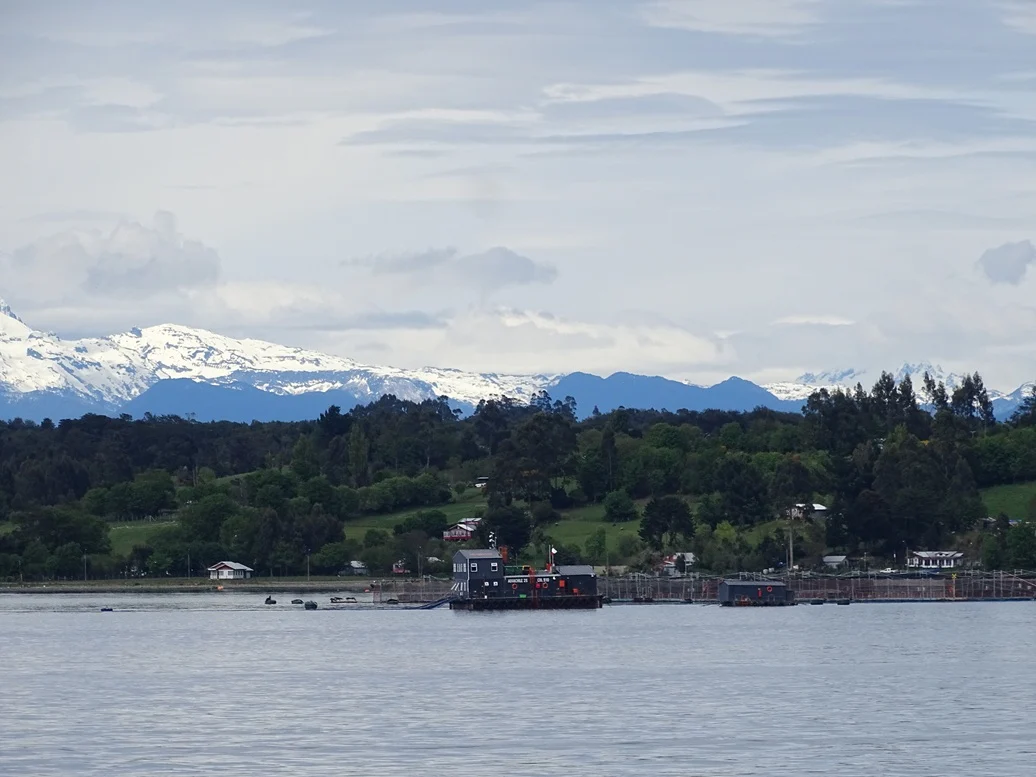
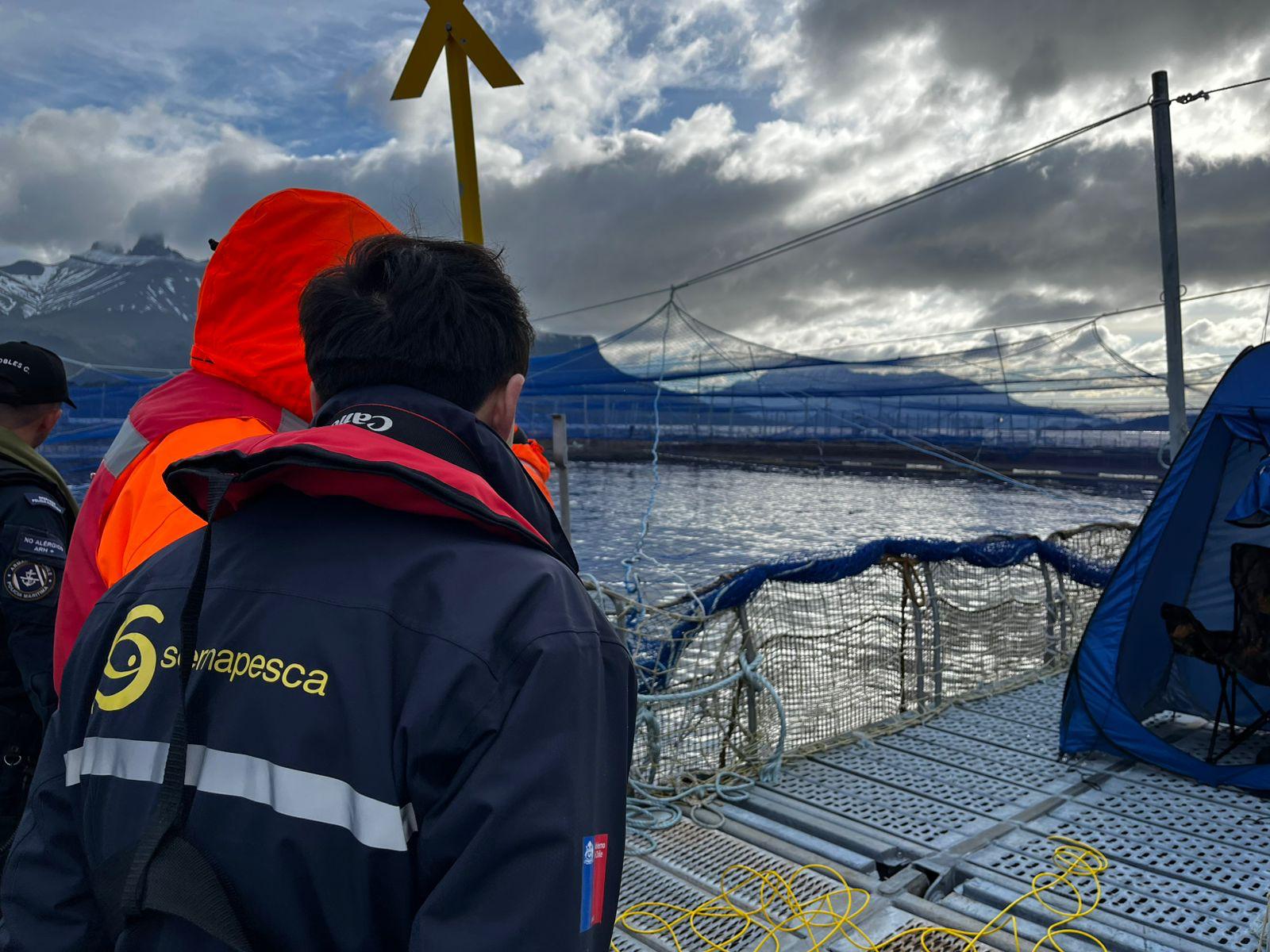
During the day, the authorities met salmon production facilities with world-class infrastructure and high quality standards. In addition, they met with workers, professionals and industry executives, with whom they discussed the sector's contribution to employment and the development of the southern-eastern macrozone.
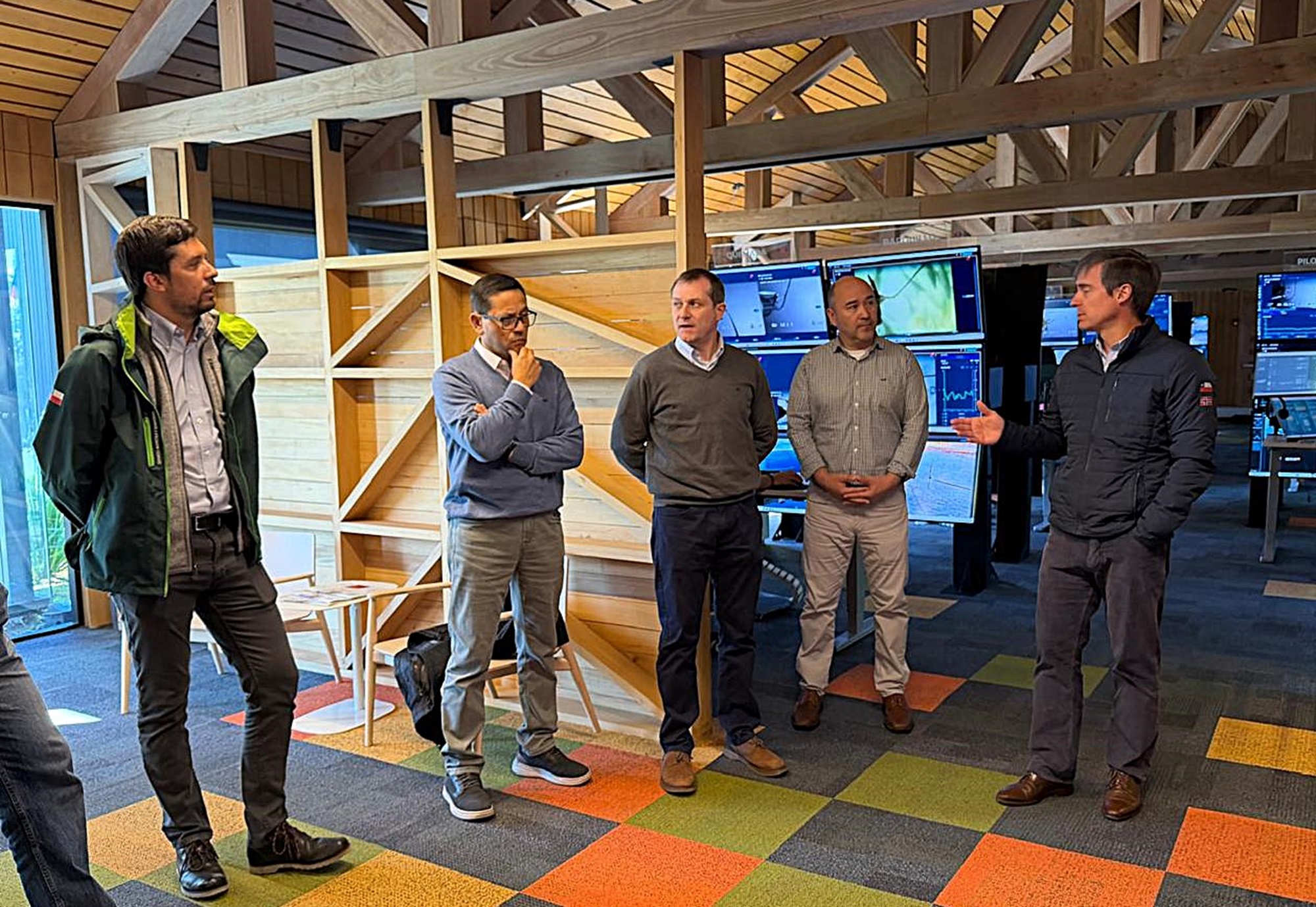
The tour began at Multi X, in Puerto Montt, with a presentation on the strategic value of salmon farming for the national economy, and its prospects for future development, as well as reinforcing the relevance of public-private collaboration through instances such as the Yelcho Alliance. The motorcade then visited the company’s Monitoring and Remote Feeding Centre, from where the company is monitored and fed from a distance all of the growing centers in operation, and then visit the process plant.
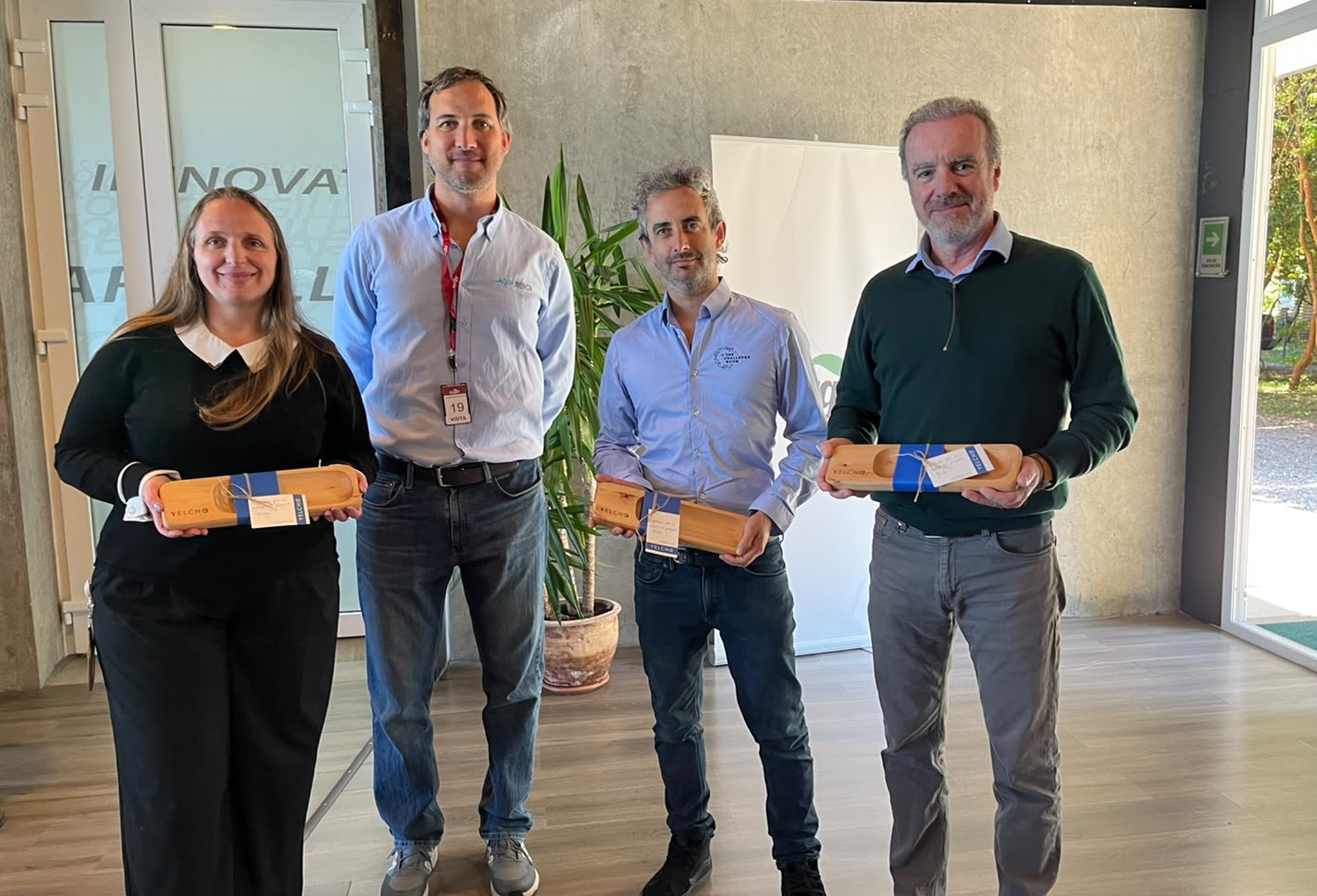
Later, the delegation moved to the Colaco sector, where the Cargill Innovation Center is located. There he learned about the work of The Challenge Room and toured the experimental unit where the Yelcho Alliance trials are carried out.
In this context, Daniel Woywood, technical manager of Aquabench and coordinator of the alliance, presented the results of the first experimental trial that compared, under controlled conditions, seven vaccines and vaccination strategies against Piscirickettsiosis by means of a validated protocol with SAG and Sernapesca. He also advanced the next studies, including a new trial planned for 2027.