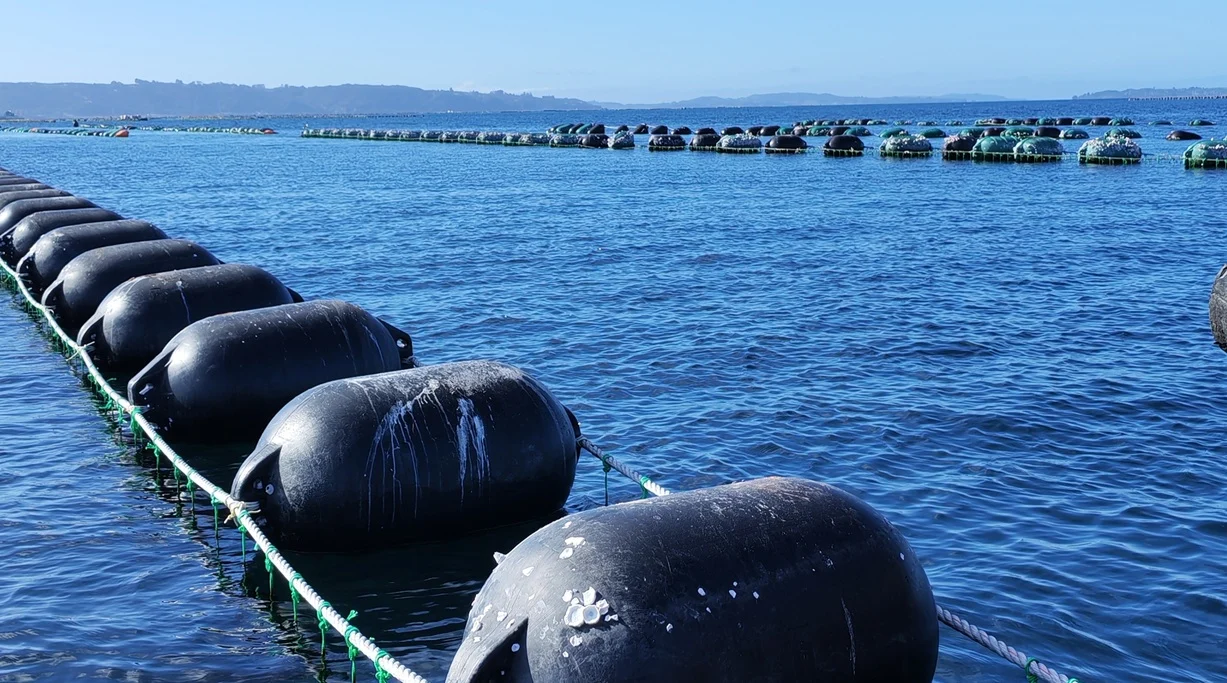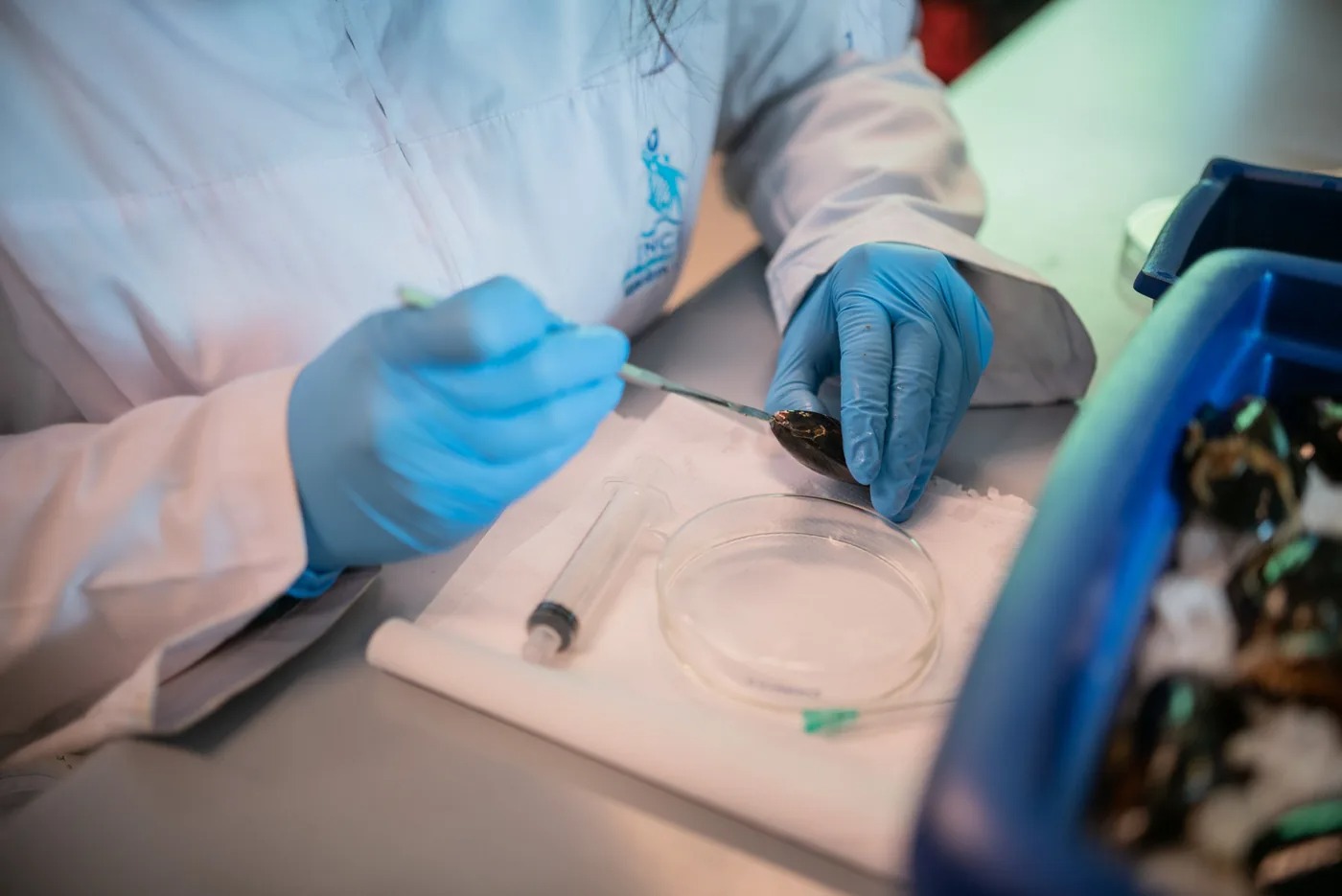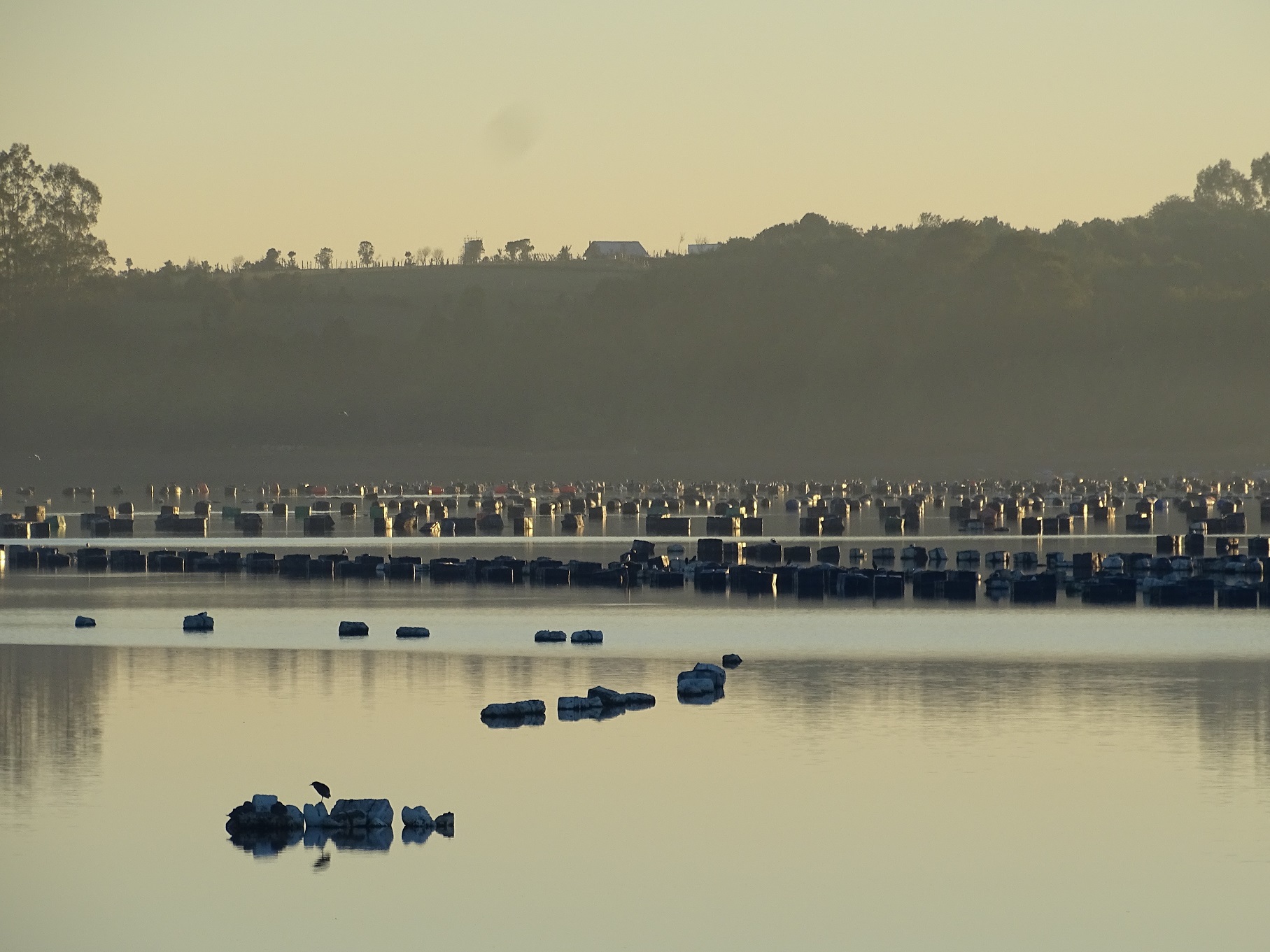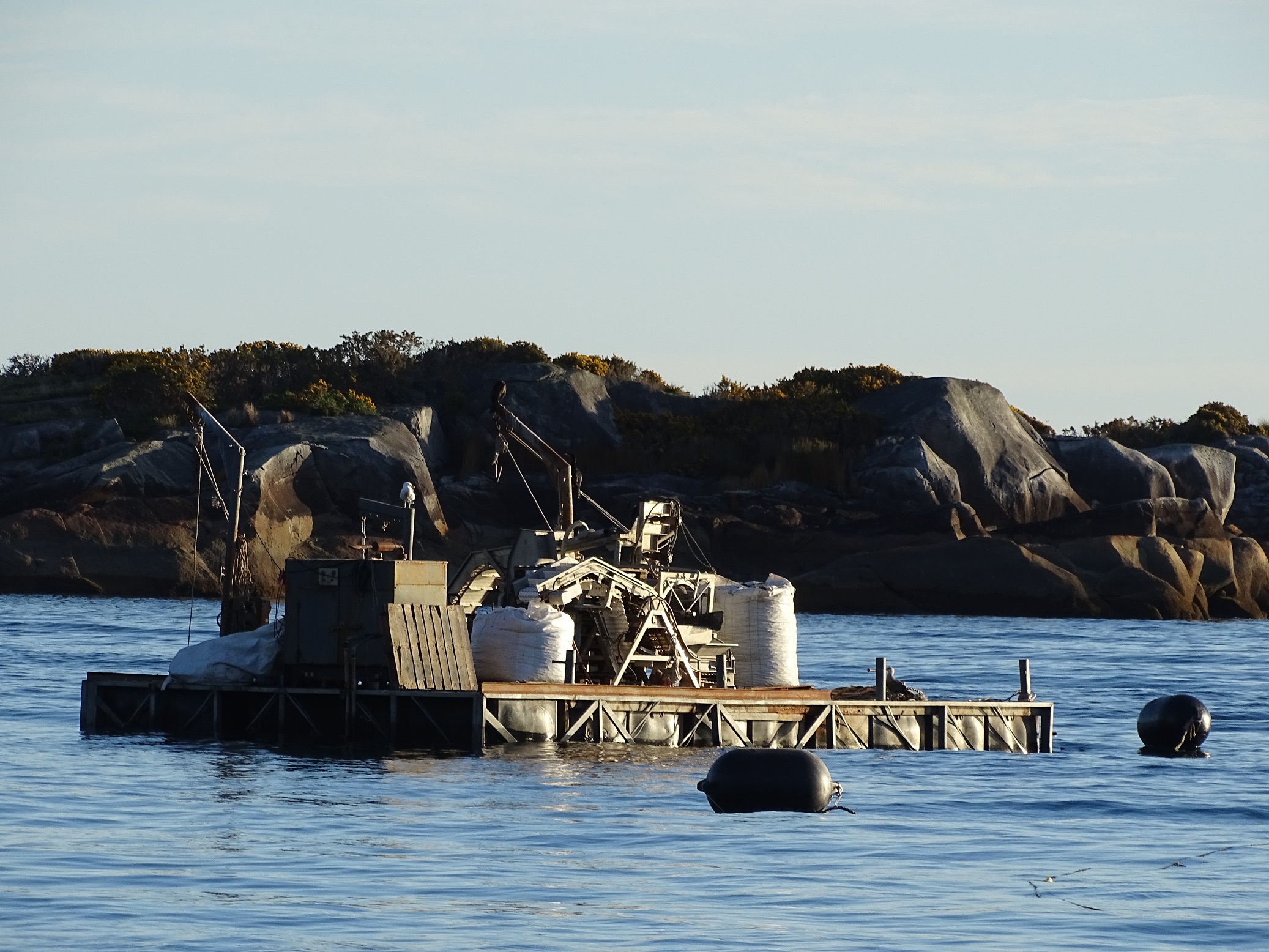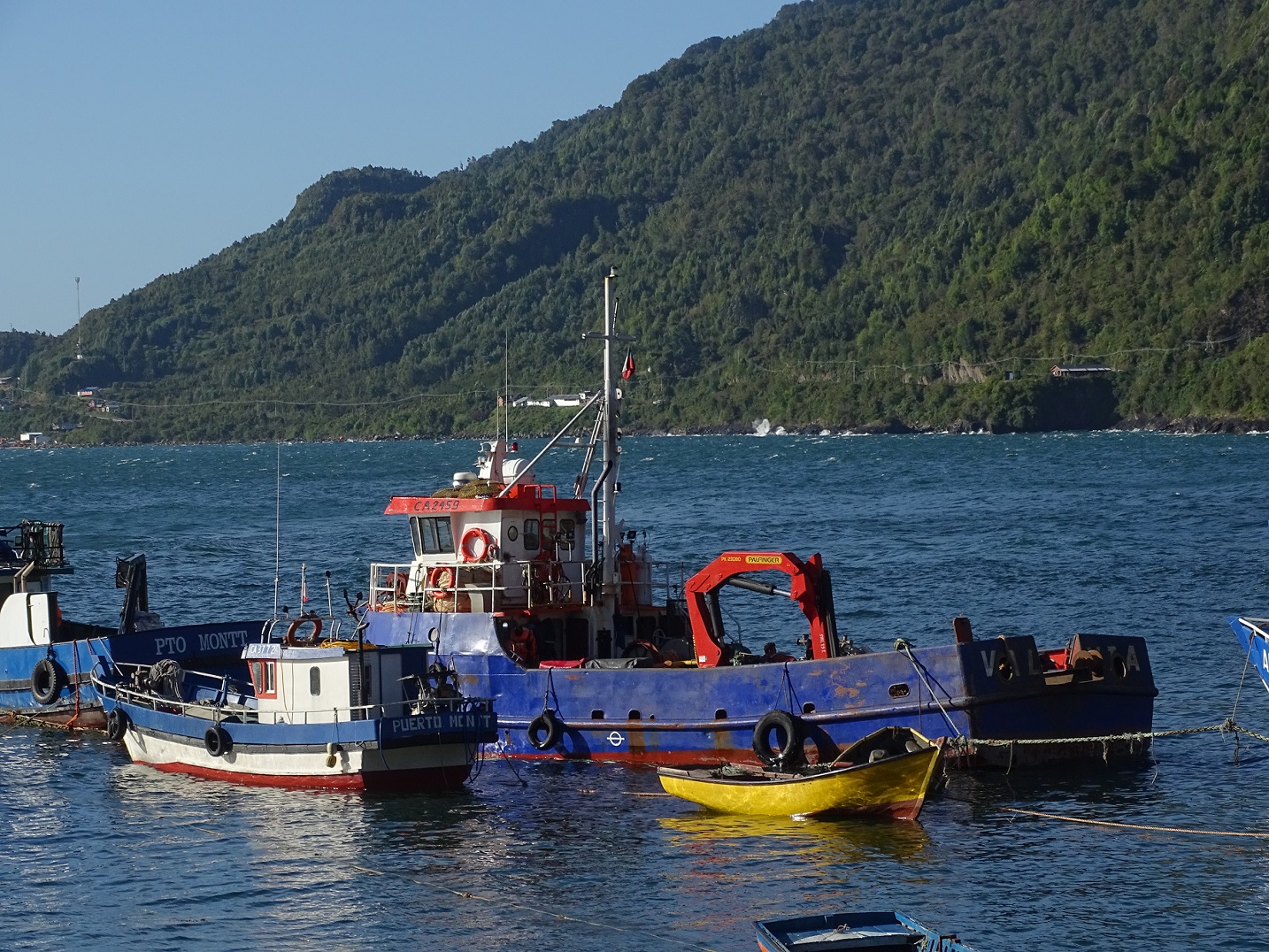
As a result of the new requirements from communities and markets, AmiChile has decided to promote a second APL, with the aim of adding more and new actors from the production chain.
At the beginning of 2019, authorities and representatives of the mussel farming sector in Chile signed the "Clean Production Agreement (APL) for the Sustainability of Companies in the Mussel Farming Sector of the Los Lagos Region". As a result of this process, in 2023, the Climate Change and Sustainability Agency of Corfo certified 31 companies in the sector with 44 industry facilities after completing this first stage.
For Yohana González, general manager of AmiChile, one of the main results was that "99% of shell fragments were valued in the cultivation centers, equivalent to 8,977 tonnes. In addition, the processing plants that participated experienced a 3% reduction in energy consumption per tonne of raw material produced".
Despite the important achievements obtained, the environmental requirements from the communities near the production centers, as well as international consumers, are increasing, and therefore the main mussel farming guild has set itself the goal of achieving a new APL, where new and more members of the mussel chain participate.
"It is essential that companies in the sector go beyond mere compliance with environmental regulations. They must work in harmony with the environment, generating a positive impact on local communities and taking care of the environment. For the above reasons, from the sector and after five years, we have decided to advance in a new APL. Given the benefits and facilities that exist, our idea is to bring together many more actors," added the executive, who emphasized that they are coordinating with public and private organizations to have different types of support granted.
Facilities for investment
An example of that is BankState, which through the Management of Smaller Enterprises, makes available to micro, small and medium enterprises different financial products. These allow end users to implement green projects (such as investment in renewable energy technologies, energy efficiency, electromobility, irrigation works); companies that are part of the value chain in the implementation of green projects access to capital from (importers of electric vehicles or renewable energy generation technologies, also the implementers of these technologies); and to companies responsible for the environment to finance the certification of APL of the Sustainability Agency for Climate Change (ASCC) Corfo.
That is, all those companies that meet one of these criteria, "have the possibility to finance their green projects with important discounts in the interest rate, being able to do so through a commercial credit, a leasing or a Comex Line of BancoEstado", explains the specialist of Segments of the aforementioned bank, Freddy Harrison, who adds that, "the companies that already have an APL certification, Companies B, Race to Zero, Giro Limpio or Seal S de Sernatur, can also access special conditions for the financing of working capital, having to present the respective certification in force.”
On the requirements that interested parties must meet in order to access financial products, Harrison details that “it is necessary to be a natural person who initiates activities or a two-year-old company and comply with the commercial policy of BancoEstado”. The executive specifies that “companies that wish to opt for an APL and need the support of such a bank can apply for medium investment financing period (usually up to four years), with monthly, semi-annual or annual maturity, depending on the business cycle. These financings have a permanent discount of 40% on the current price matrix, and during May and June 2024 the maximum rate of these credits will be equal to or less than 0.89%, fixed fee, in pesos. With regard to guarantees, the Guarantee is available Fogape and Corfo”.
The segment specialist of the BancoEstado points out that “producers with a sales level of between 5,000 and 100,000 UF per year should go to a branch with a focus on small businesses. On the other hand, those with a level of less than 5,000 UF per year should do so with a micro-enterprise executive.”
Second APL
In particular, some of the specific objectives pursued by the new APL for the mussel producing sector are: to implement energy efficiency actions to reduce greenhouse gases, to measure and verify the Carbon Footprint, to implement water efficiency actions (sweet water) and to strengthen the relationship with the community.
In this context, Yohana González adds that from AmiChile they hope that “this new commitment not only strengthens the relationship with neighbors and workers, but also we want it to make it clear that we are moving towards greater sustainability of our sector.”