The Science Plan of the Salmon Technological Institute will seek to establish strategic alliances with researchers from universities and scientific institutions relevant to the study of aquaculture, both in Chile and abroad.
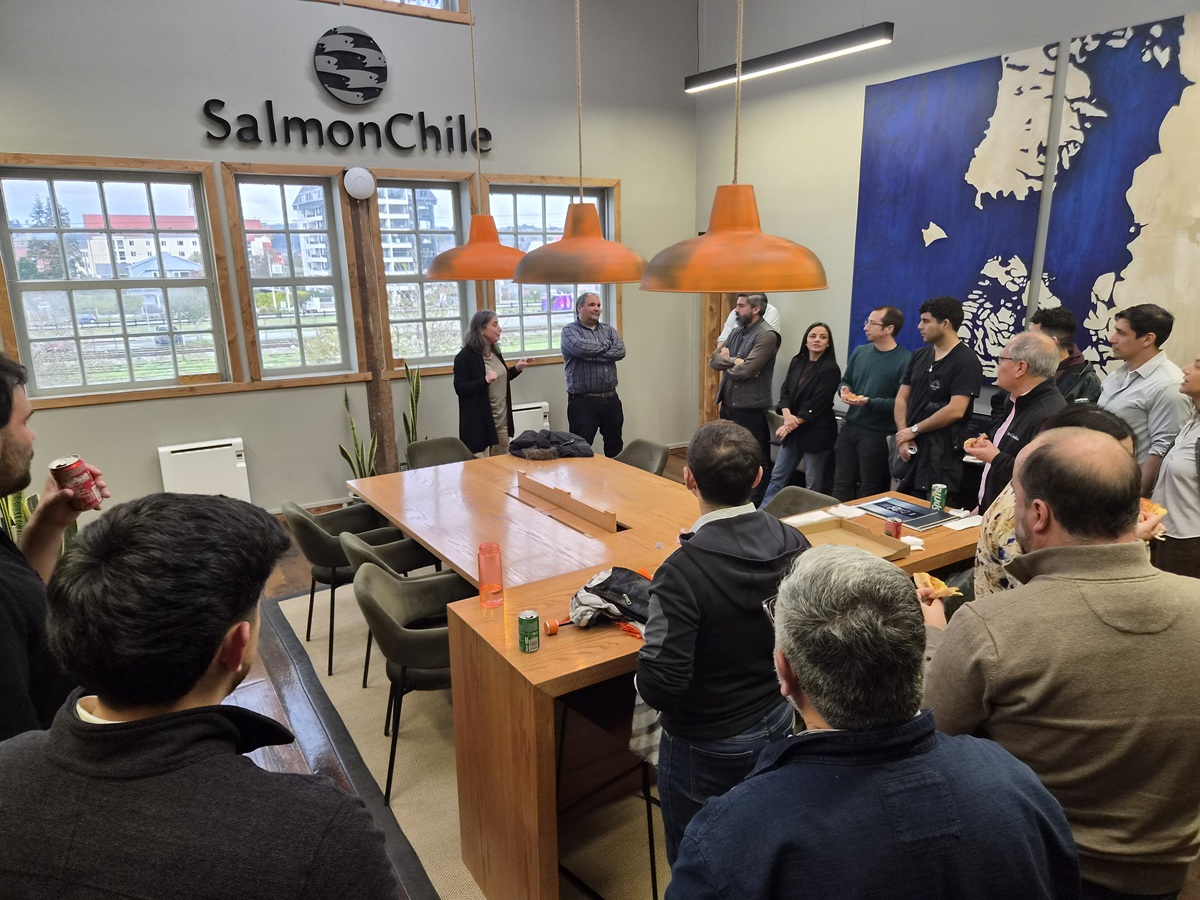
A hundred attendees gathered at the Cabaña del Lago Hotel in the city of Puerto Varas, in the region of Los Lagos, to learn about the new Salmon Science Plan, developed by the Technological Institute of Salmon (Intestesal), which is the so-called "technical arm" of the Association of Salmon Industry of Chile (SalmonChile).
According to what was mentioned by the general manager of Intestesal, Esteban Ramírez, the Plan It emerges in order to define a baseline for research to establish the impact of the activity on issues such as biodiversity, seabed, oceanography and nutrients, coastal governance and water resources.
The manager of the master talk during the event: the Dr. José María Maza Sancho, who is the 1999 National Prize for Exact Sciences and was part of the group of scientists of the Calán – Tololo project (together with Mario Hamuy), key research into the discovery in 1988 of the acceleration of the universe and the existence of a new component of dark energy which constitutes 70% of all energy in the universe.
The launch also considered a conversation moderated by the research coordinator of Intesal, Felipe Tuca, who was attended by experts Renato Quiñonez, Javiera Cornejo, Sandra Marín, Angélica Barroso and Félix Godoy.
In a press release, SalmonChile’s dependent body stressed that the Science Plan will seek to establish strategic alliances with researchers from universities and scientific institutions relevant in the study of aquacultureboth in Chile and abroad. The first work will be to identify in which of these pillars there is progress in research and in which not, in order to generate the synergies necessary to advance with responses in all areas defined as priorities.
To do this, the Intestesal budget has been increased this year by 150%, totaling US$1 million by 2023, which will add a total investment of US$5 million in five years, a budget that is attached to the own investments of each partner company of SalmonChile in Research, Development and Innovation (R & D & I), which annually reaches US$10 million.
In this line, Esteban Ramírez said that the Institute has contributed to the generation of key scientific knowledge for the activity, leading projects that have allowed them to advance in sustainability, as well as defining good practices in health and aquaculture health issues.
"However, the challenges of the operation of this sector require more and better responses from science to the challenges we face day by day. At present, new information needs have emerged from both the salmon culture sector and the citizenry, referring to the socio-environmental impacts of our activity", recognized the helmsman of the Intestesal.
In turn, he said that "today we present a new Science Plan for salmon farming for the next five yearswhich will seek a knowledge base to establish the impact of the activity on biodiversity, seabed, oceanography and nutrients, coastal governance and water resources."
Following the presentation of the Plan, the president of SalmonChile, Arturo Clément, said that they have "the conviction that the information that arises through this work will be an important input both to contribute to the sustainability of the salmonicultor sector As for the authorities, in view of the discussions with fundamentals in front of regulatory frameworks that currently govern in aquaculture".
Whereas the "profe Maza" - as is known to many Chileans in close proximity- "Smonculture in Chile is very well developed and is in the interest of the whole world, the whole country and all the organizations that form this productive sector."
And to close, he said: "Over the past 30 years development has been extraordinary, we need this to be sustained over time and hopefully diversified and also growing.. One can never say 'I've already come to the roof and I'm staying here.' I think we're just getting started."
The pillars of the Plan
1. Biodiversity: the impact of the activity with focus on other species, from the escapes of salmonids in specific ecosystems, to the use of pharmaceuticals at sea, will be sought. There are currently important collaborative initiatives in development that, from different areas, seek to understand the impacts of escaped salmon and provide a solution to reduce and eventually eliminate the use of antibiotics in salmonids. Intesal, then, will focus its work on understanding, for example, the impact on ecosystem services.
2. Deep seabed: In line with the above, but framed in an independent focus, we seek to establish a baseline and better alternatives that allow us to understand the impact and extent of salmonicidal activities, both in soft backgrounds and hard backgrounds, understanding when and how long these impacts are regenerated.
3. Oceanography and nutrients: through the collaboration of the companies, with their data on climate, water temperature, nutrients, among others, they will seek to generate a database and analysis for a greater understanding of the systems in which aquaculture is developed, to further develop the line of research in harmful algal blooms (FAN) and to open new opportunities for collaboration and application with centers of study and forecast of the climate.
4. Coastal governance: seek to estimate the productive, social and environmental impact of possible mergers, relocations and new concession areas for the development of salmon farming.
5. Water resources: an investigation will be initiated to determine the impact of fish farming on freshwater bodies, with a first project focusing on the Araucania Region.
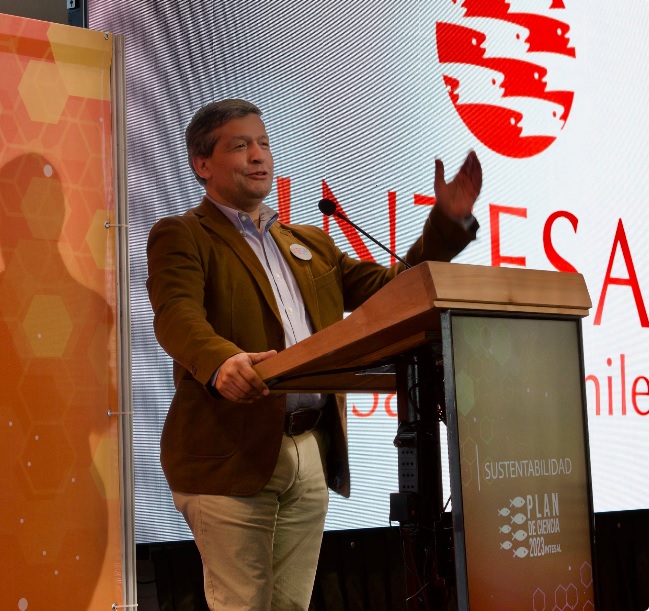
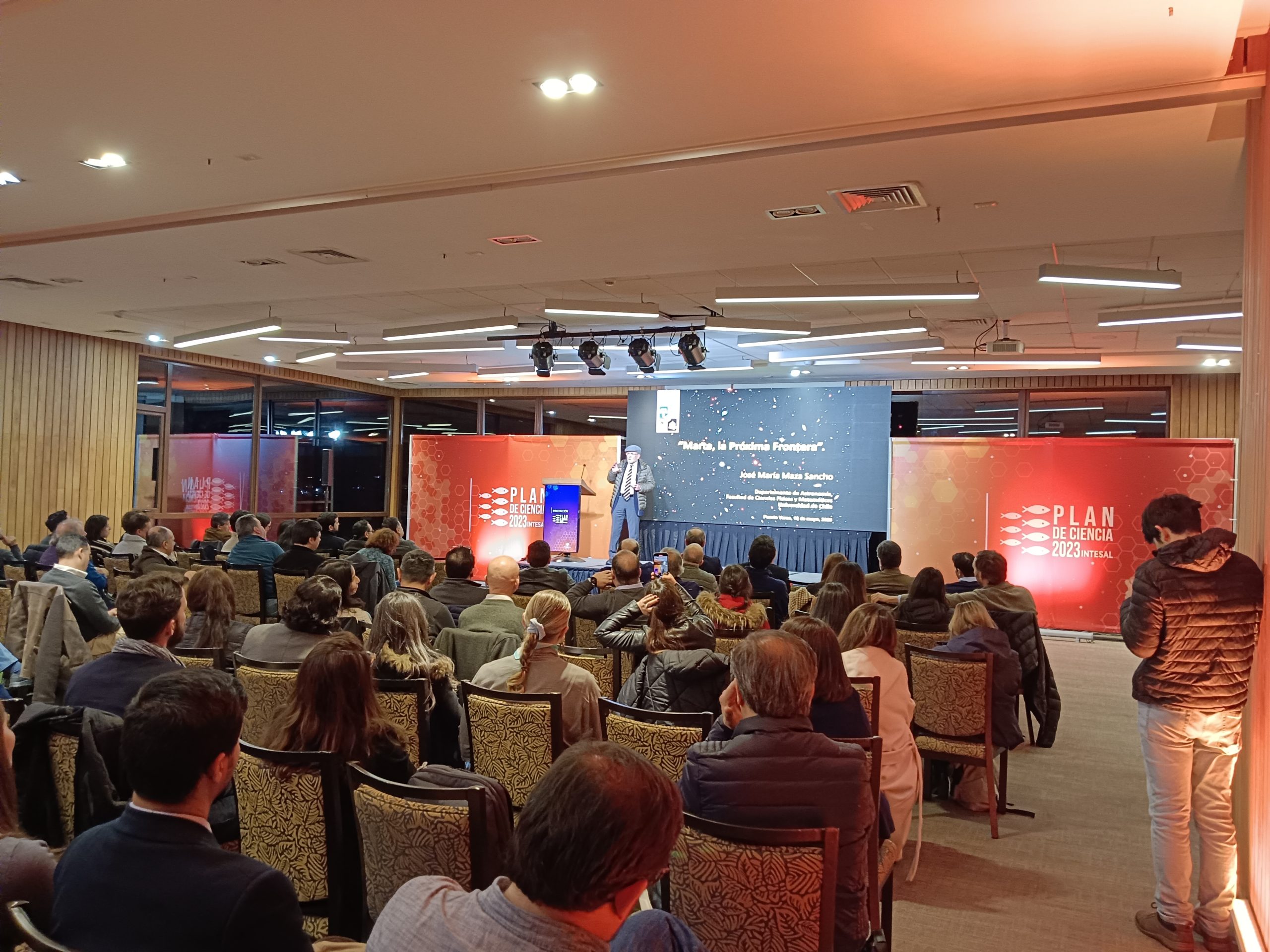
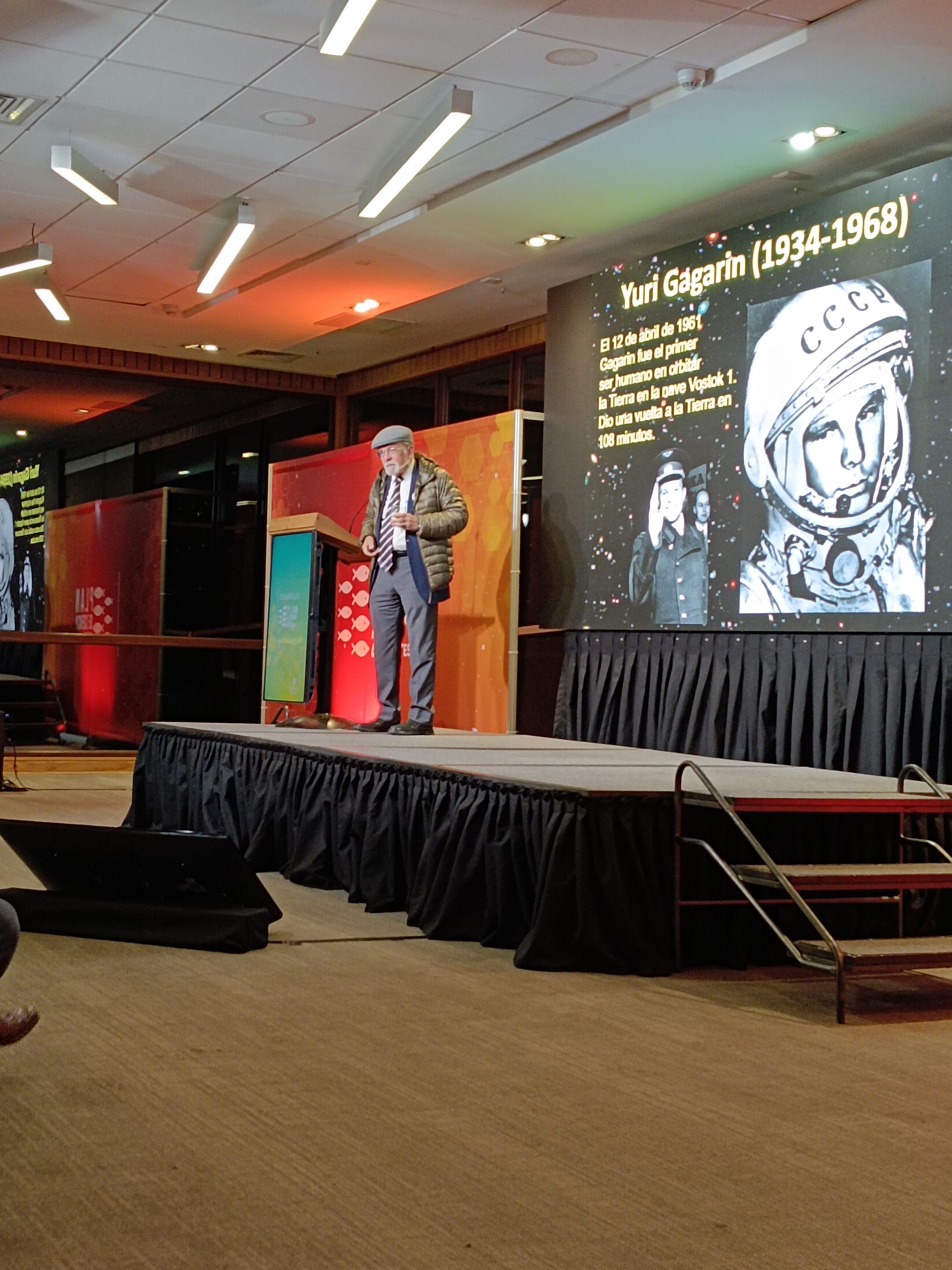
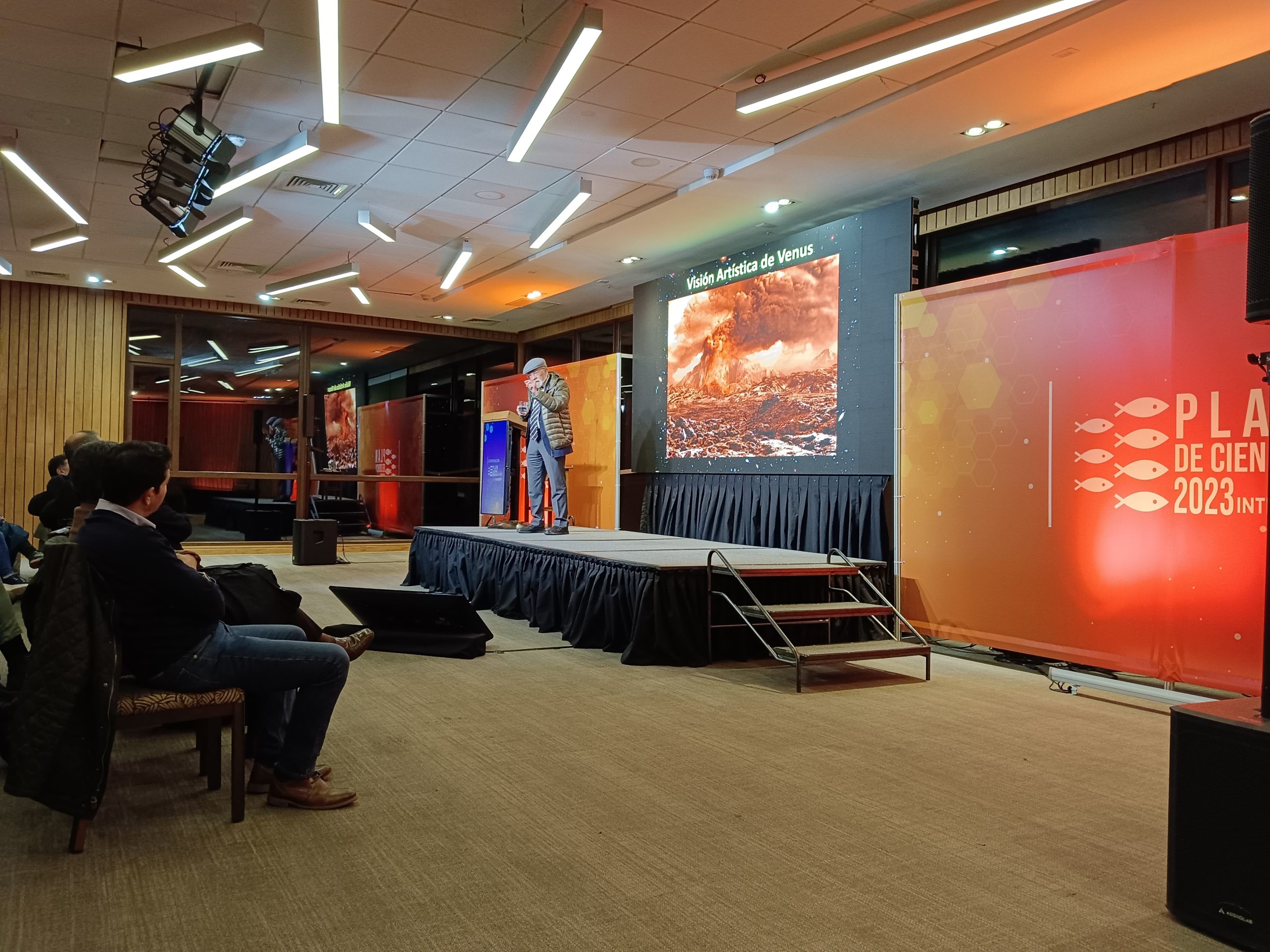
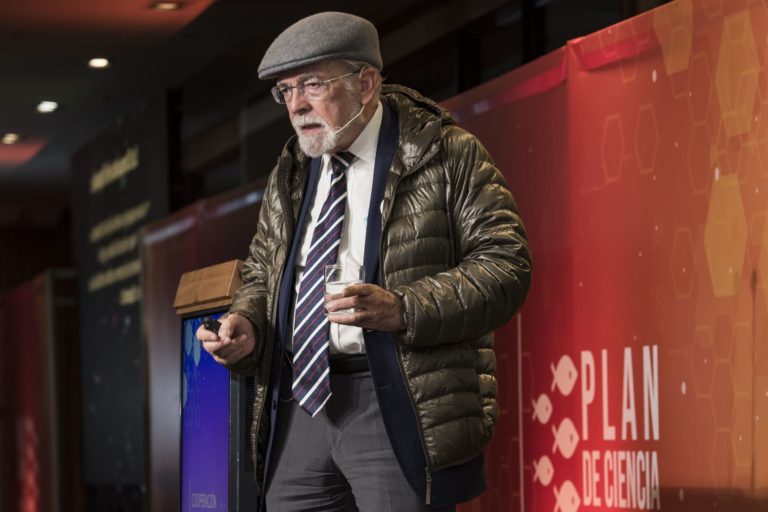
*Image credits: Partnerfish | Intesal.