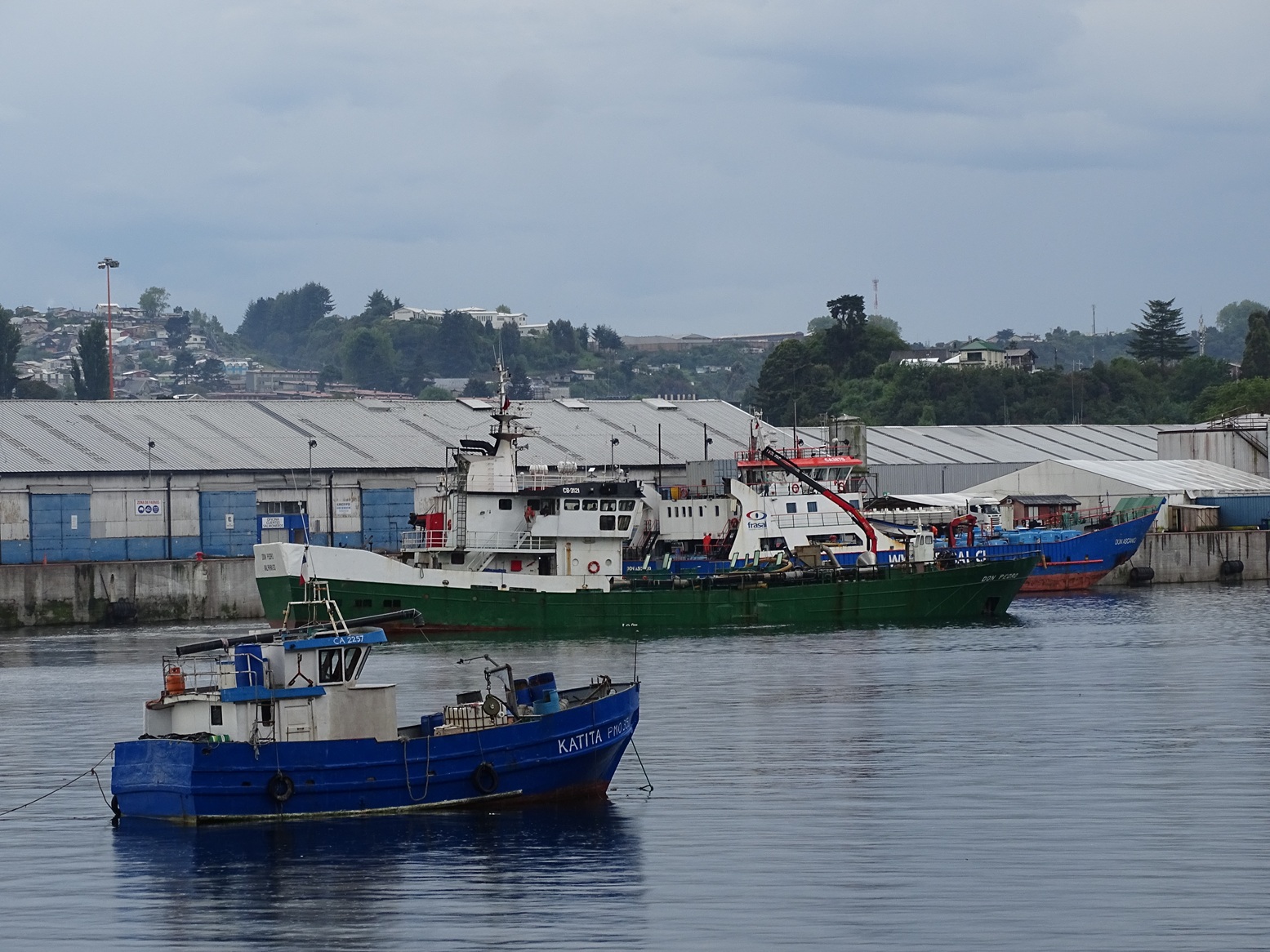
This is a public-private initiative under the Pact for a Sustainable and Inclusive Region.
A comprehensive reflection on why to take care of whales, considering the role of shipping and salmon industries as participants in this sustainable action, and the signing of an agreement to establish guidelines for that purpose at a public-private technical table, were part of the seminar entitled "Protection of Large Cetaceans in South-South Chile: Regulations, Programmes and Agreements for Sustainability" which was organized by the Asociación Gremial del Transporte Marítimo, Fluvial, Lacustre y Turístico Sur Austral A.G. (Armasur), the Instituto Tecnológico del Salmón (Intestal) of the Asociación de la Industria del Salmón de Chile A.G. (SalmonChile) and the Fondo Mundial para la Naturaleza (WWF).
All the above, within the framework of the governance of the board of the maritime-harbour sector of the Pact for a Sustainable and Inclusive Region that leads the Regional Government (GORE) of Los Lagos and its Regional Council (CORE).
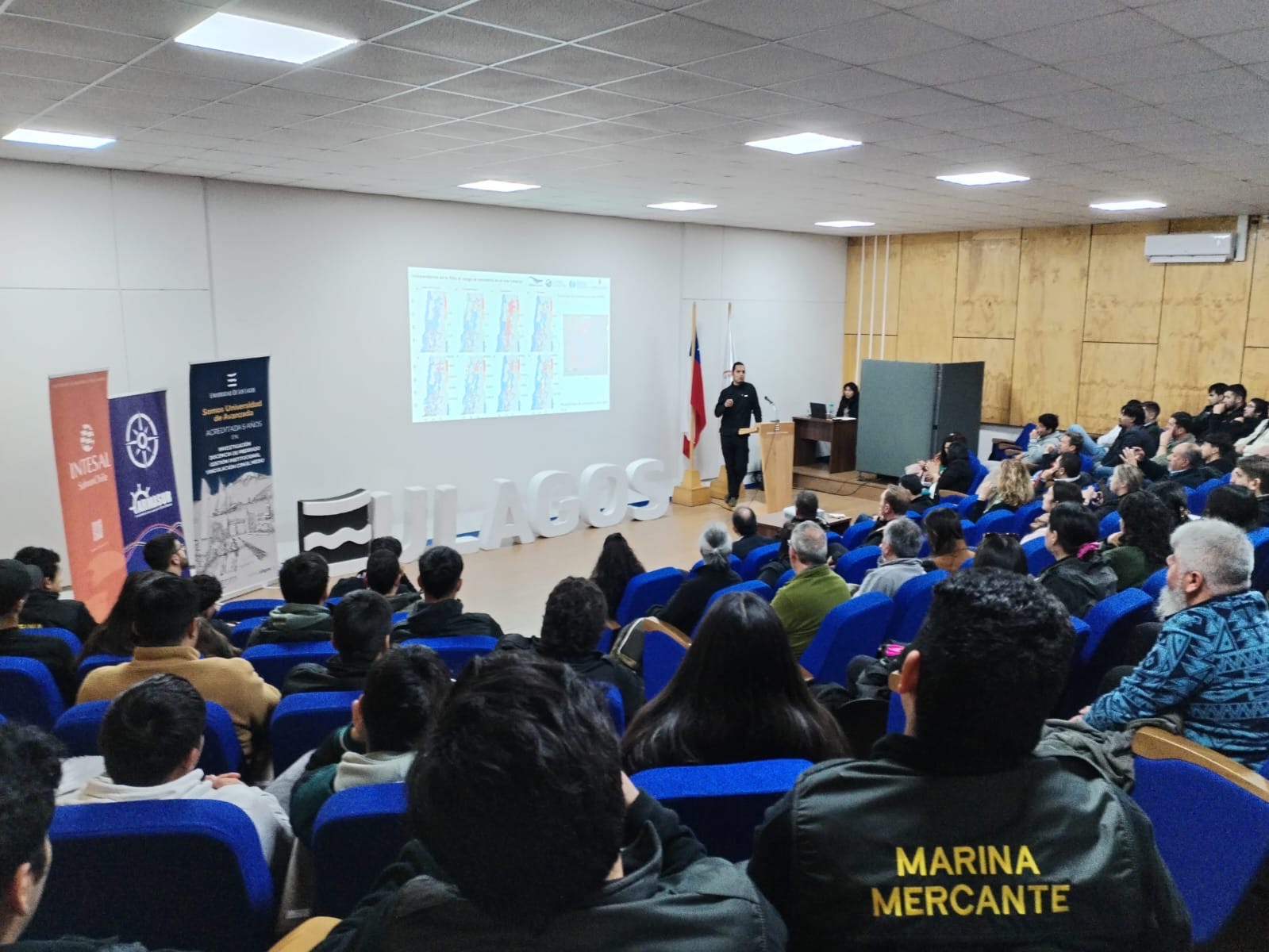
The activity took place today, Thursday, November 30 in the auditorium of the University of Los Lagos (ULAGOS), located in Calle Serena 77 of the city of Puerto Montt (region of Los Lagos), and participated authorities, academics, companies, guilds, educational institutions, as well as students with maritime and port specialties.
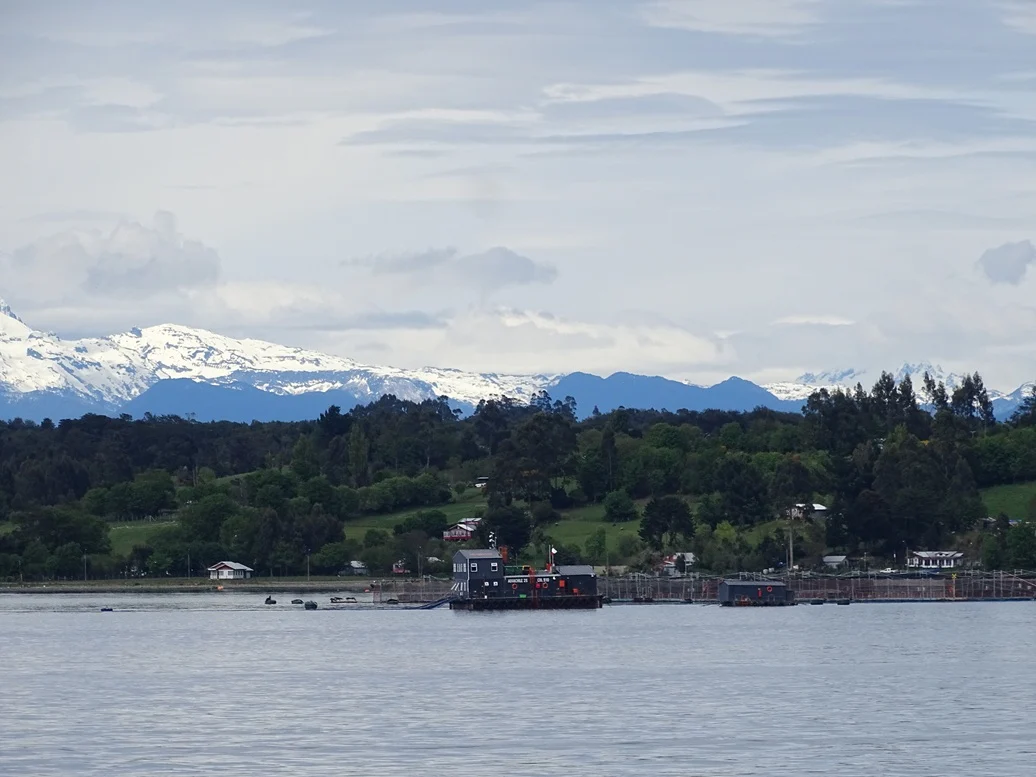
The program of the meeting included presentations by experts and experts on the characteristics, behavior, importance and impact of the protection of large cetaceans, as well as the experience and results of the WWF-led whale monitoring platform project since 2021, in which Intesal contributed with the design and operation of this system; while the associated companies of Armasur, on a voluntary basis, joined the the initiative in charge of entering the sightings of whales during the white march begun in 2022 and that to date reaches 322, with greater concentration in the Moraleda Canal and the Gulf Corcovado.
The associated companies of Armasur that were part of the white march were: CPT Empresas Marítimas, Navimag, Transmako and Naviera Orca. During today's day, in the meantime, were added Naviera La Península and Naviera Cruz del Sur, since the platform will continue to function as a tool to obtain data for the protection of whales in the area.
Exhibitions
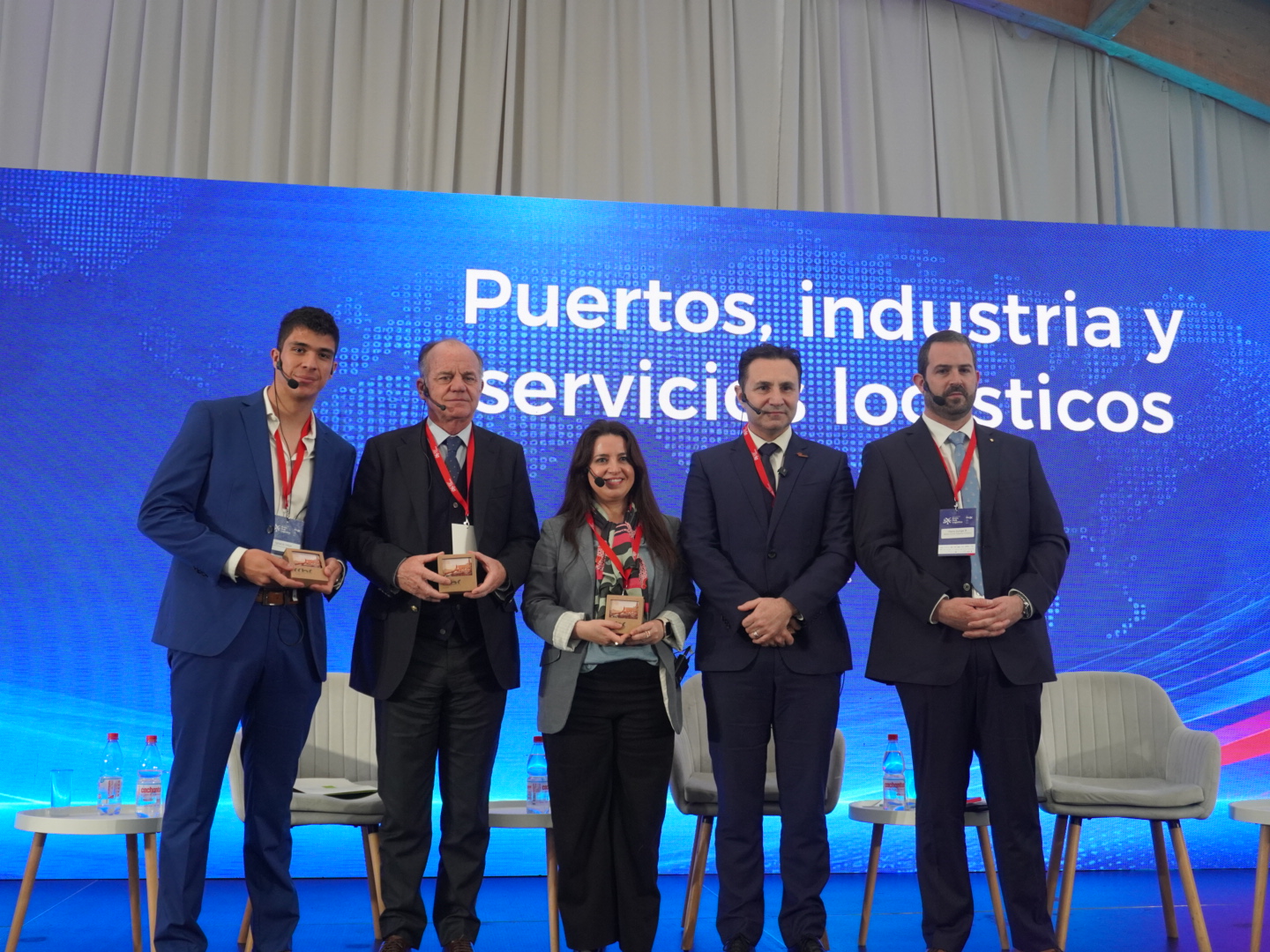
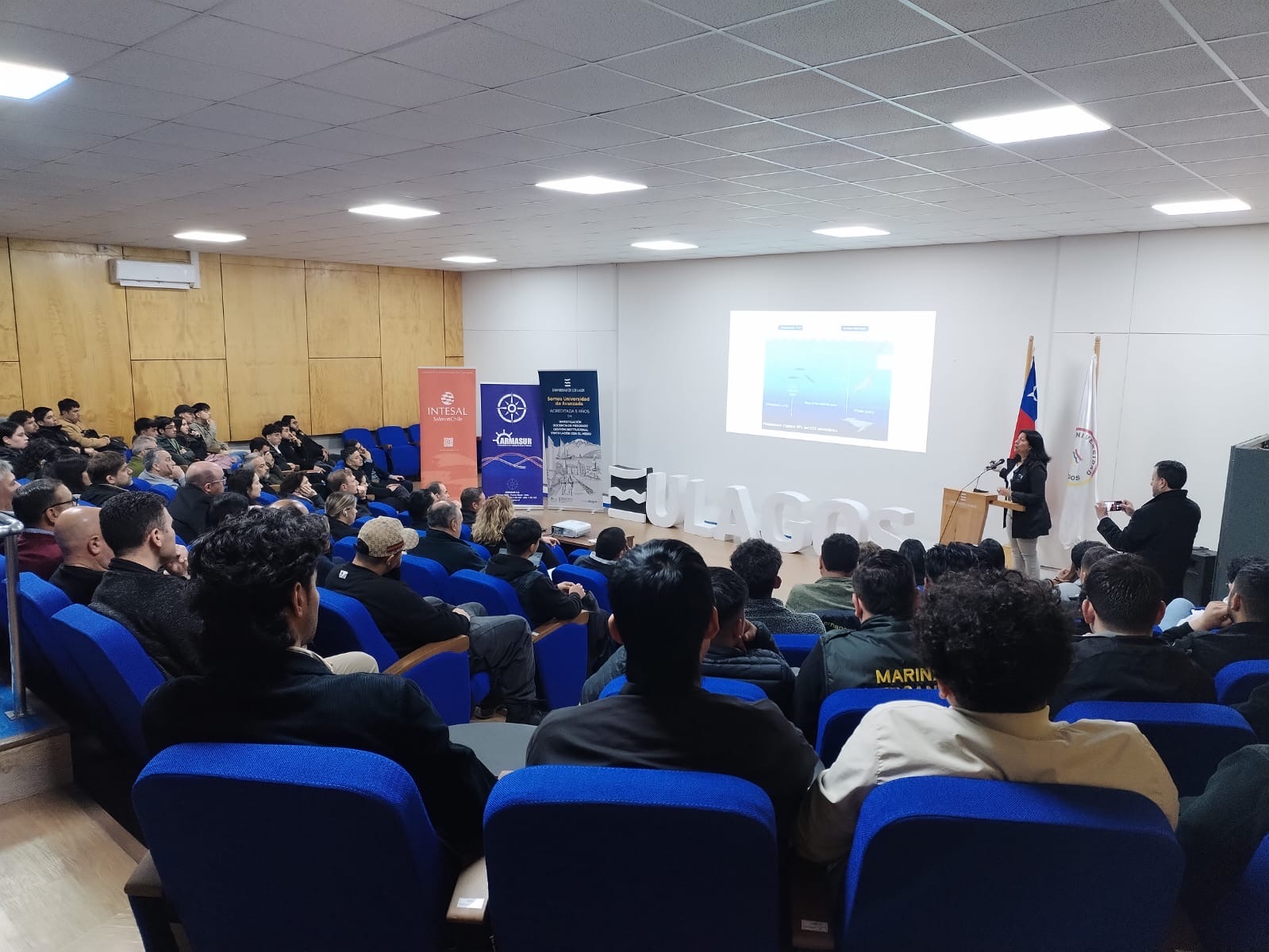
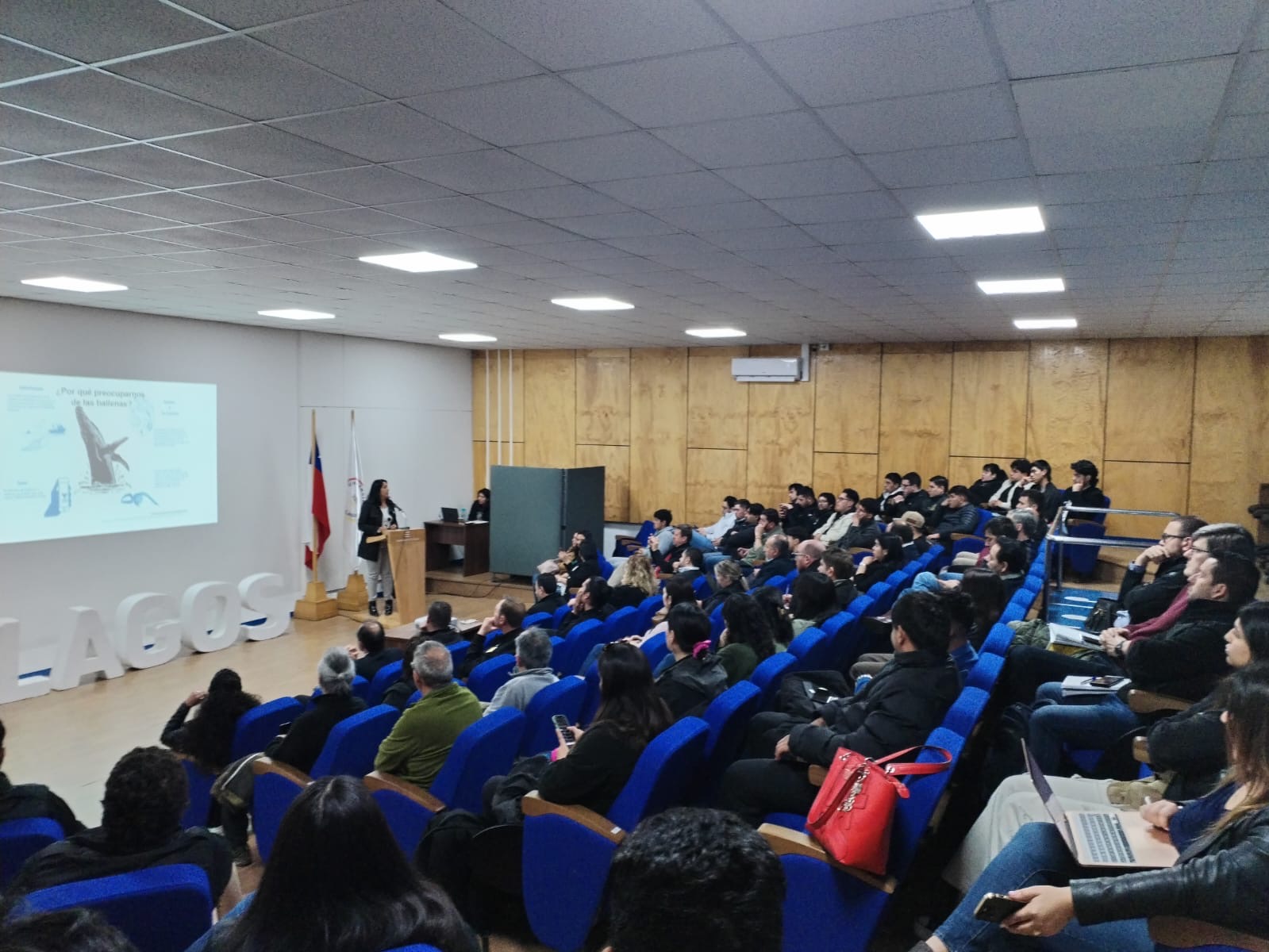
The first exhibitor of the day was Yacqueline Montecinos, who is coordinator of Biodiversity and Ocean Policies of WWF Chile, with the theme: "Why worry about the great cetaceans?" Later, researcher Luis Bedriñana presented on "Priority areas to reduce interaction".
The third intervention was in charge of the academic and PhD in Applied Sciences mention Marine Coastal Systems, Ana María García Cegarra, to refer to the theme: "Agreement of protection of whales Bay Mussels".
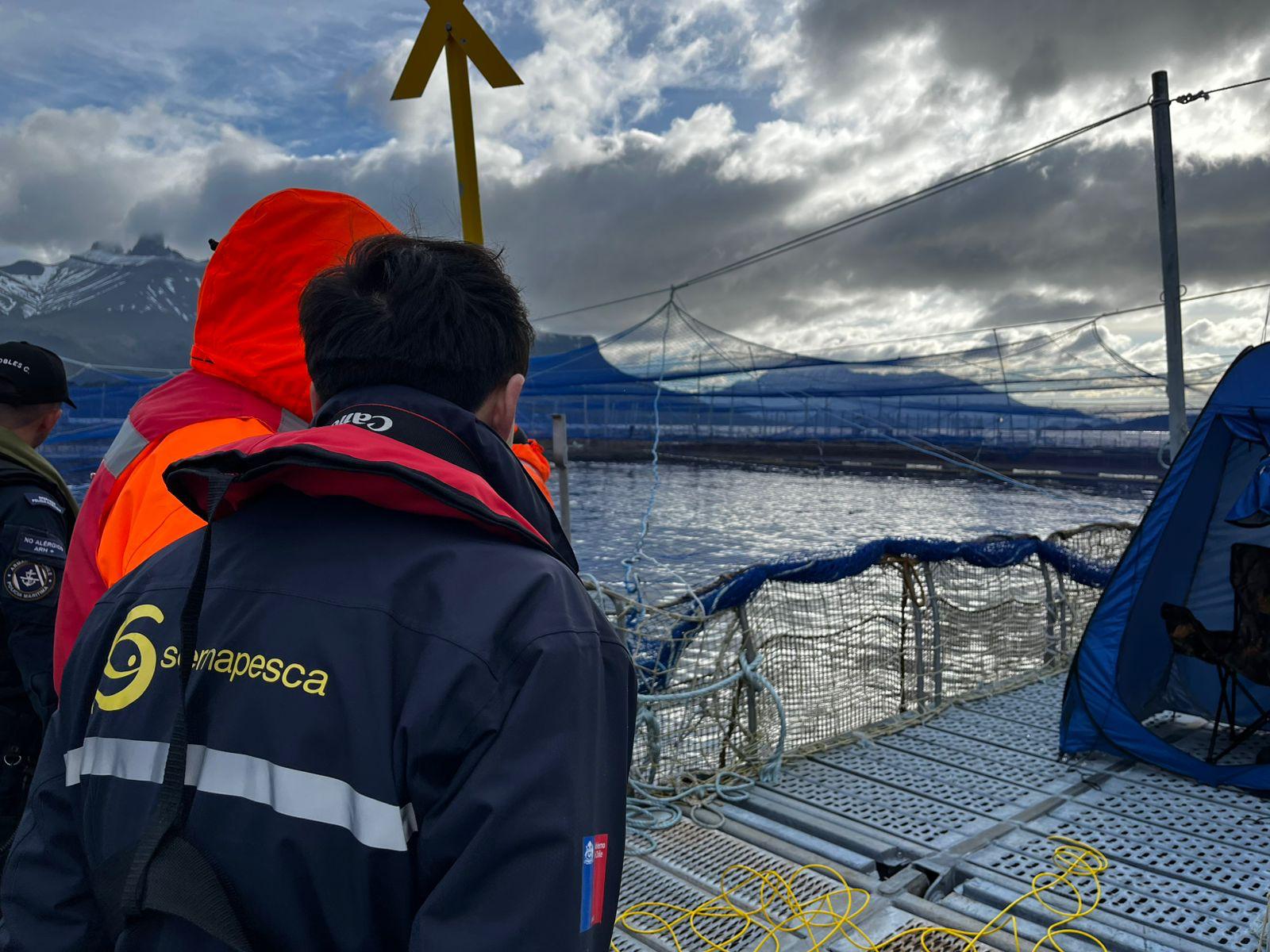
Next, the head of the Intestesal Environment, Ximena Rojas, gave her talk with: "Marine mammals and salmon farming: advances and challenges in research, good practices and associated regulations".
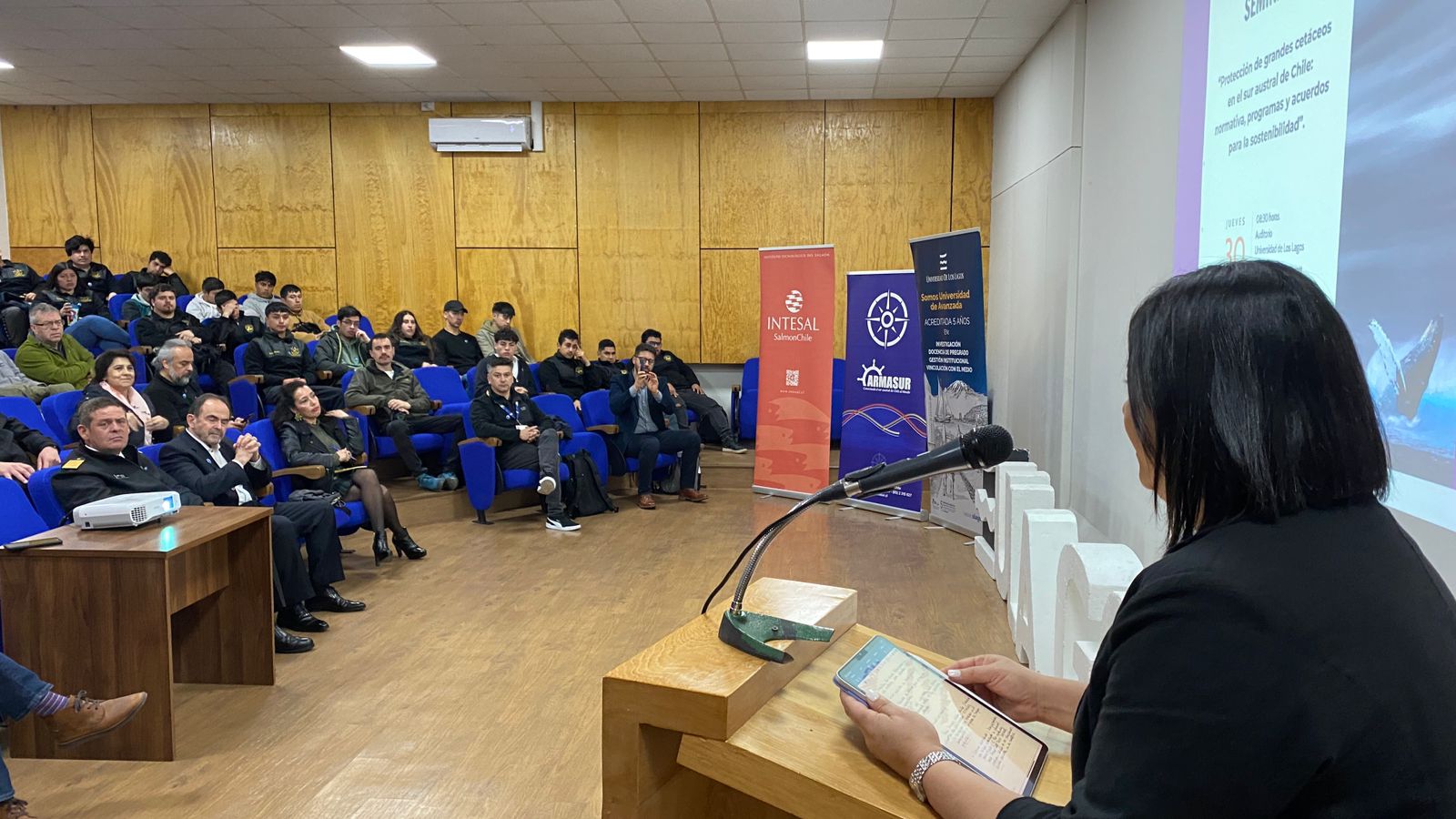
The last participation in the presentation space was that of the general manager of Armasur, Manuel Bagnara, who in his exhibition addressed the program of sighting of large cetaceans by merchant vessels.
"Table of cetaceans"
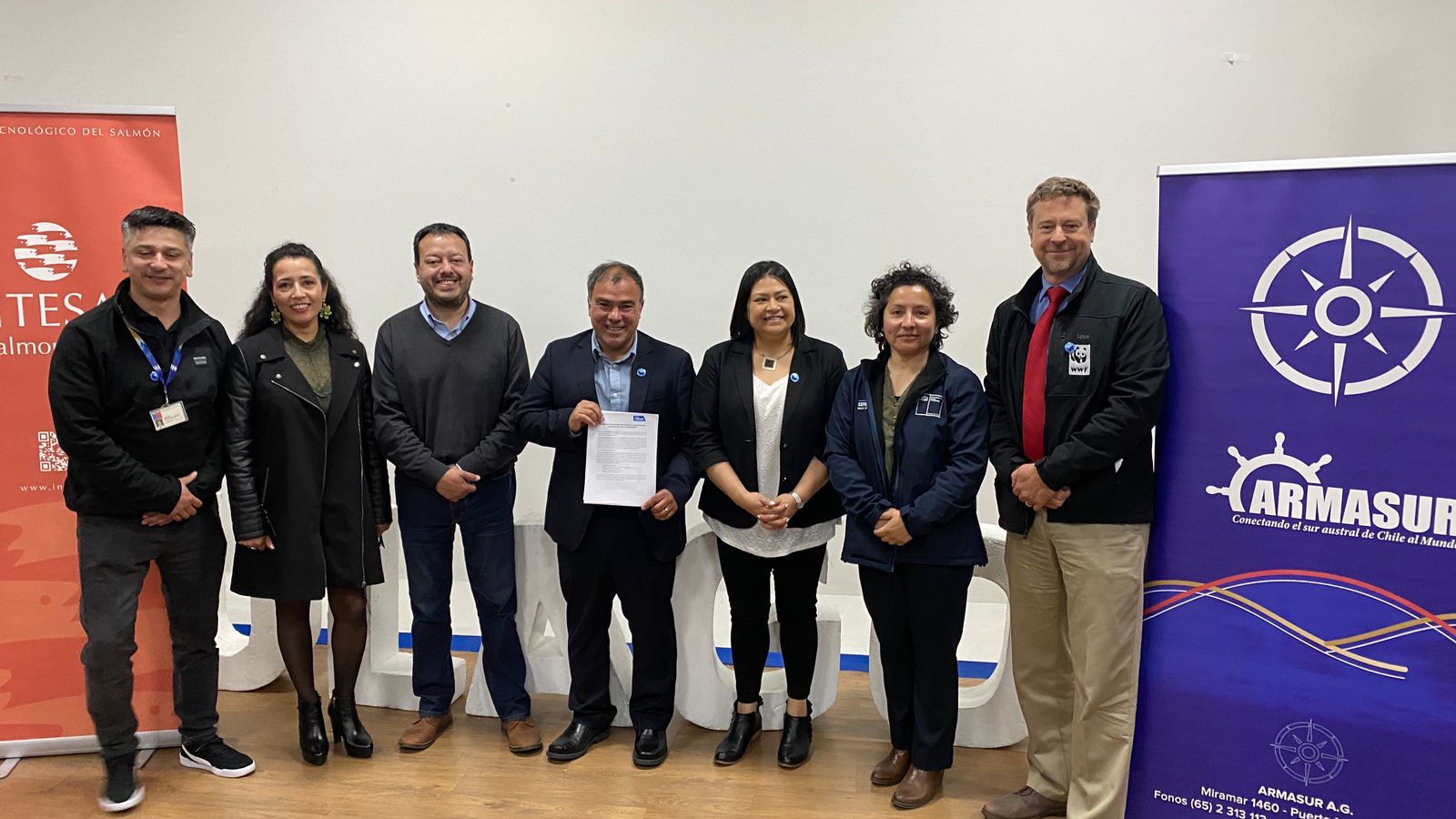
On the occasion, public and private organizations signed an agreement to support the implementation of a plan of actions that allow the care of whales. This, through a collaboration that has been called the "Cetacean Table".
On behalf of its institutions, Branny Montecinos, regional coordinator of the National Fisheries and Aquaculture Service (Sernapesca); Martina Delgado, responsible for Bentonic Fisheries of the Zonal Fisheries and Aquaculture Directorate of Subpesca; Roberto Gaete, communicative adviser of the Pact for a Sustainable and Inclusive Region; Manuel Bagnara, general manager of Armasur A.G.; Ximena Rojas, head of the Environment of the Intesal; Carola Iturriaga, regional ministerial secretary (seremi) for the Environment of Los Lagos; and Ricardo Bosshard, director of WWF Chile.