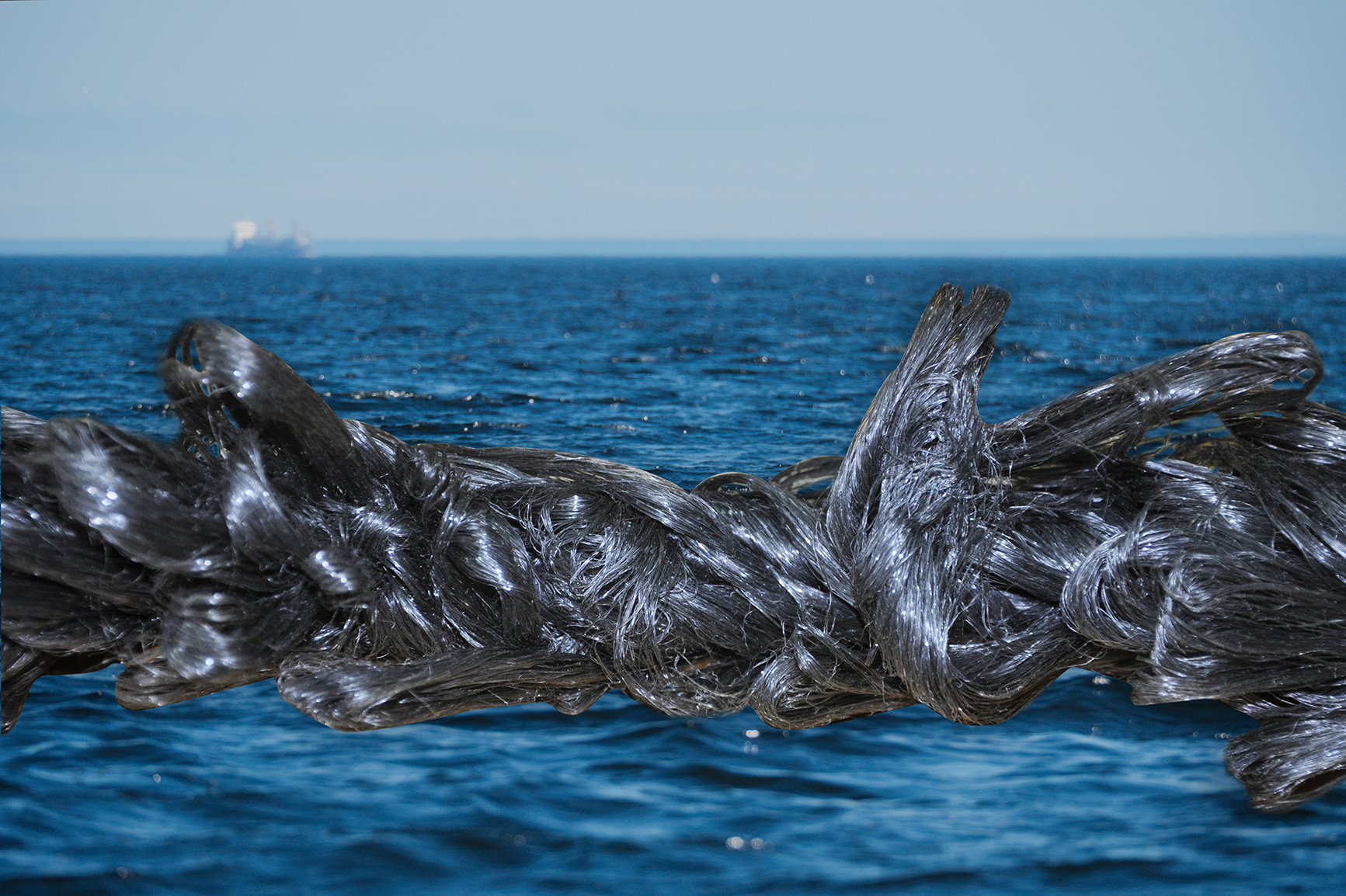
Its polypropylene fibers are highly fibrillated loops, offering thus resistance as a support for the growth of the bivalve.
The ends for seedlings of clam, more commonly known as mussel chilean (Chilean mussel) in international markets, is the recent development of Garware Technical Fibres. The cultivation of this bivalve mollusk direct human consumption (CHD) requires the capture of seeds - or larvae settled in substrate - for their subsequent sowing and fattening in hangings.
"The shape of our cape allows the chorito adhere more efficiently. Yours polypropylene fibres are highly fibrillated loop, which offers increased resistance as support for mussel growth," says the commercial manager of Garware Technical Fibres Chile, Francisco Serra.
This cape designed for the Sewing of mussel seeds is stabilized against the UV rays to ensure its durability in the aquatic environments. Can be provided in different sizes loop, according to customer requirements. It has a diameter of 16 millimeters (mm) and the loop has a length 40 to 50 mm, made in three strands for greater resistance. The length of the coil is continuous, which facilitates its handling and storage, providing a robust and flexible solution.
Relevance of industry
"The cultivation and processing of choritos is a core activity in Chilean aquaculture and has significant contributions to economy with exports that exceed the $370 million per year. Almost 100% of mussel cultivation in Chile comes from Lake Region and involves various actors that make up an industry with more than 650 growersof which more than 90% are smaller companies," he explains. Rodrigo Carrasco, who is the executive director of the Association of mussel producers of Chile (AmiChile), guild that gathers the cultivation, processing and export Squirrels.
"The synergy between the experience and technical knowledge of Garware Technical Fibres, along with the increasing demand of specialized products for the aquaculture, make this business expansion a promising strategy for both the company and the development and strengthening of the mussel production sector in the region; considering that it is the second aquaculture activity most important of the country, with a great economic and gastronomic interest. In addition, it reflects Garware commitment with innovation and support for aquaculture development in Chile and other regions where this activity is relevant", emphasizes Francisco Serra.
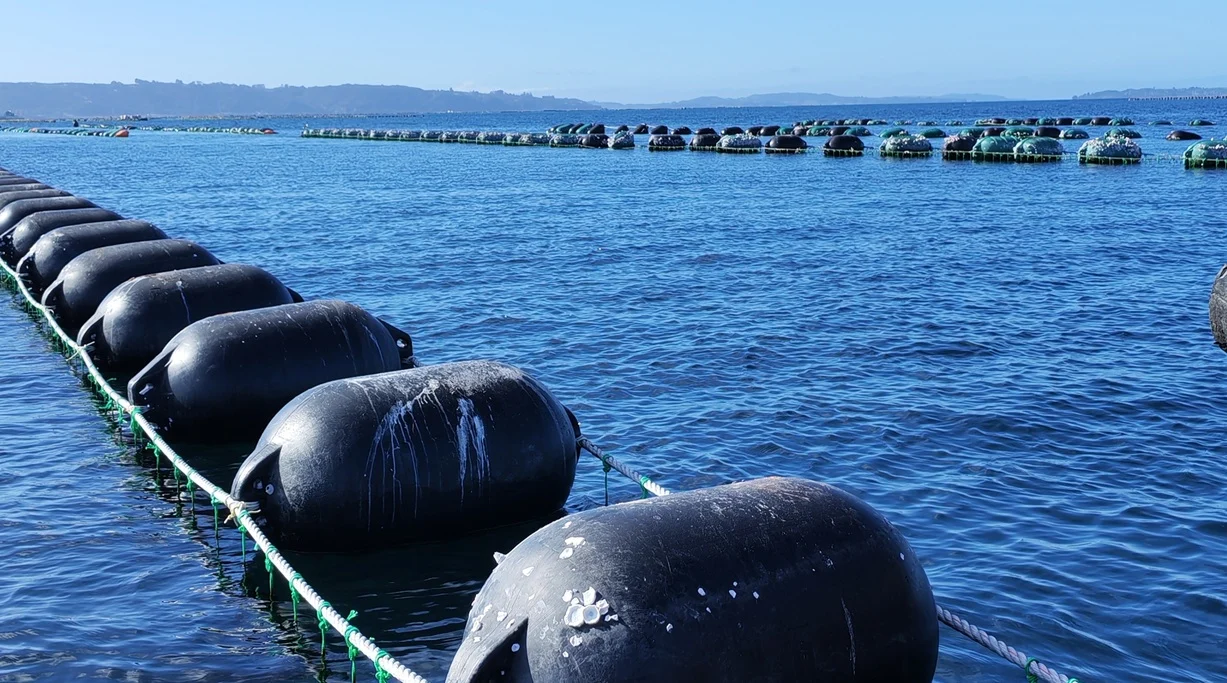
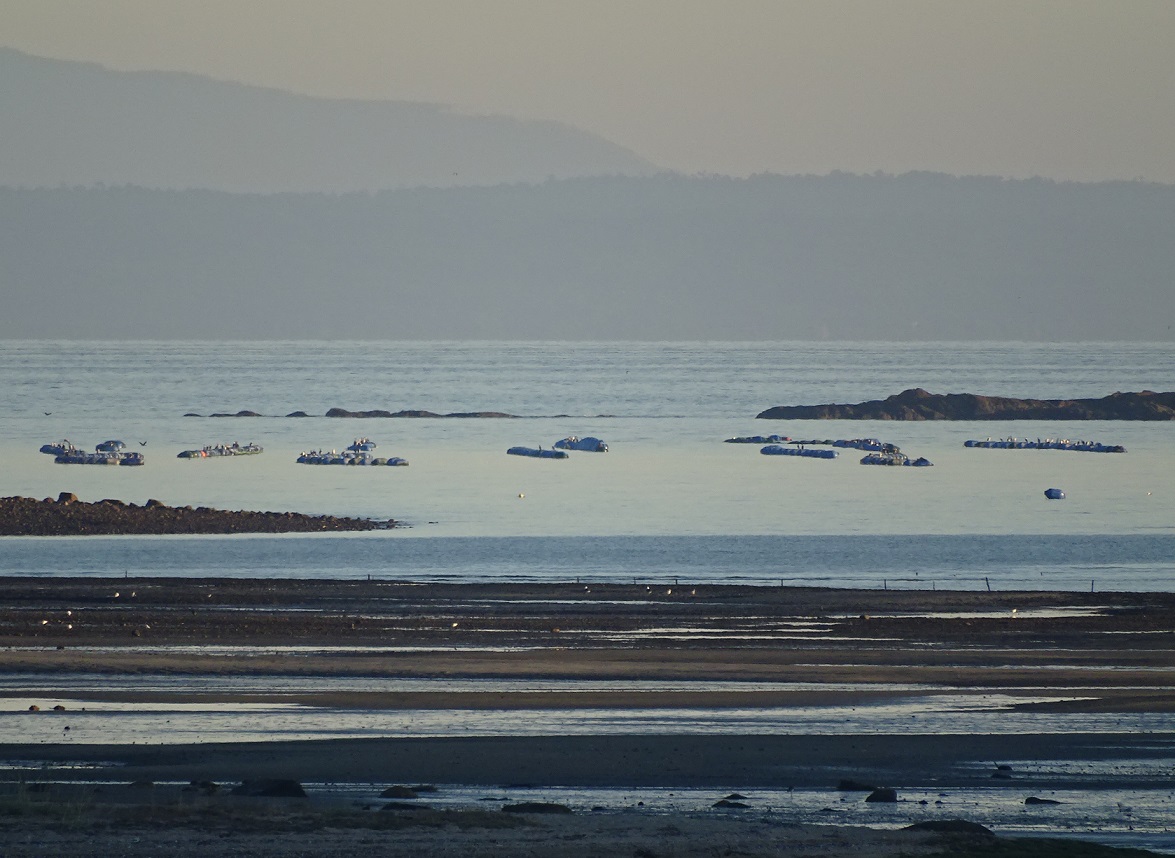
The choritos require natural banks that generate the seeds, which are then captured and then transferred to the Fattening centers. The uptake of mussel larvae takes place in specific areas, because they are animals Filters who live fixed to substrate, a period of spawning involving a seasonality at its playback.
*Credits of the featured image: courtesy of Garware.