During the period 218,355 tonnes were exported, a decrease of -2.8% compared to the record set in 2024. The United States, Japan and Brazil remain as the three main markets.
Chilean salmon exports ranked second among the country's non-mineral products traded abroad during the first three months of the year, accounting for 16% of the total. During the period, FOB income equivalent to $1,847 million was obtained, an increase of 5.1% compared to the same period of the previous year, a fact explained by the volatility of prices in the international economy. It is worth noting mention that the trend of lower export volume versus higher value has only occurred twice: in 2022 and 2025.
In parallel, salmon exports reached 218,355 tonnes, a decrease of -2.8% compared to the record achieved in 2024 of 224,726 tonnes, according to information from the National Customs Service.
As for the destination of Chilean salmon, the three main markets, the United States, Japan and Brazil, decreased slightly in volume from the previous Q1, although they maintained their relative weight in the matrix of markets to which they are exported.
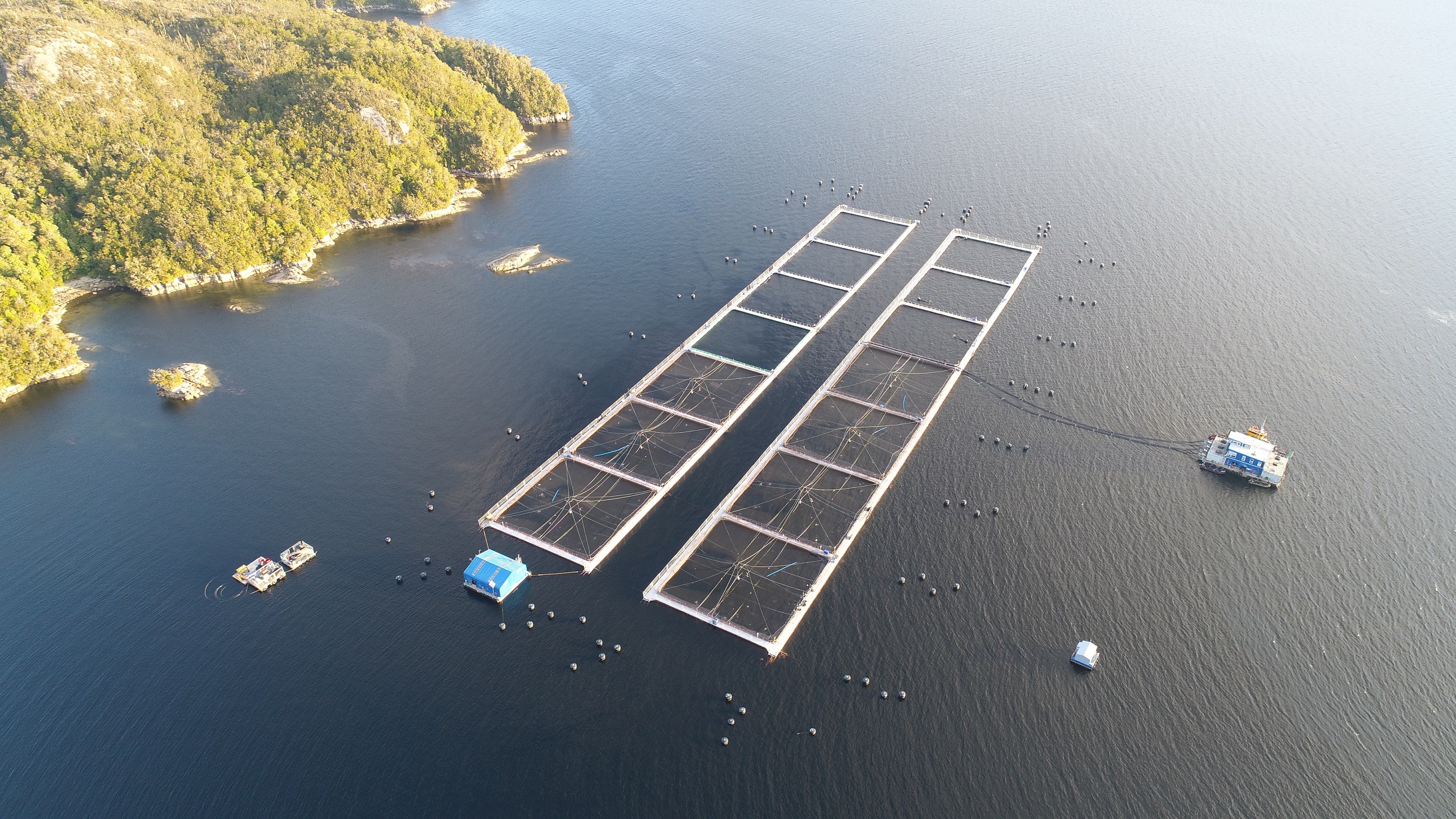
Loreto Seguel, executive president of Salmon Council, group that brings together five of the main producing companies in the country (AquaChile, Australis Seafoods, Cermaq, Mowi and Aysen Salmons), emphasized the importance of promoting salmon farming, whose economic activity is mainly concentrated in the Los Lagos, Aysén and Magallanes regions, generating an important productive chain in the southern south.

"The main challenge this industry faces is to install and consolidate a development model that complements sustainability with significant growth in the medium term. Chilean salmon farming cannot afford to be stagnant. This requires and translates into a state policy. Because in a global competitive scenario, those who do not grow disappear," he said.
The executive also emphasized the potential of the salmon farming industry and its annual performance, considering that between January and March the first place among non-mineral products is occupied by cherries, which achieved 20% of total exports due to a marked seasonal production and commercial character. "Both foods together account for 36% of non-mineral exports in the first quarter and represent a" complementary export strategy. While China leads the demand for Chilean cherries, the United States is the main destination for salmon, which reflects the market diversification and is a strength for the national agrofood offer," added Seguel.
Opportunities for Chile: Coho salmon and emerging Asian markets
Unlike the decrease in the total quantity exported, when analysed in detail, it is reflected that the Coho salmon reached its highest historical volume for a first quarter, with 88,482 tons. This species has increased almost 35% since 2023, when it recorded 65,861 tons, and for the second consecutive year it exceeds 85 thousand tons of shipments.
"We are practically the only relevant producer of this species on a global level, which gives us a unique competitive advantage over other competitors. Moreover, coho salmon has proven to be a highly valued product in Asian markets, especially in Japan, where it is the main species imported from Chile," highlighted Loreto Seguel.
Meanwhile, Atlantic salmon is still the most exported species, but in this year's Q1 it marks its lowest volume since 2017, with 119,784 tons, representing a drop of -9.1% compared to the same period of 2024.
In addition, according to the figures, the destination of Chilean salmon exports shows a significant growth in non-traditional markets, reflecting concrete progress in geographical diversification. Vietnam recorded an increase of +91.1% in exported volume compared to the same period in 2024. This country is one of the emerging Asian markets and represents an important gateway to Southeast Asia. In Russia increased by +46.5%, with almost 13 thousand tons, a level that was not perceived since 2021.