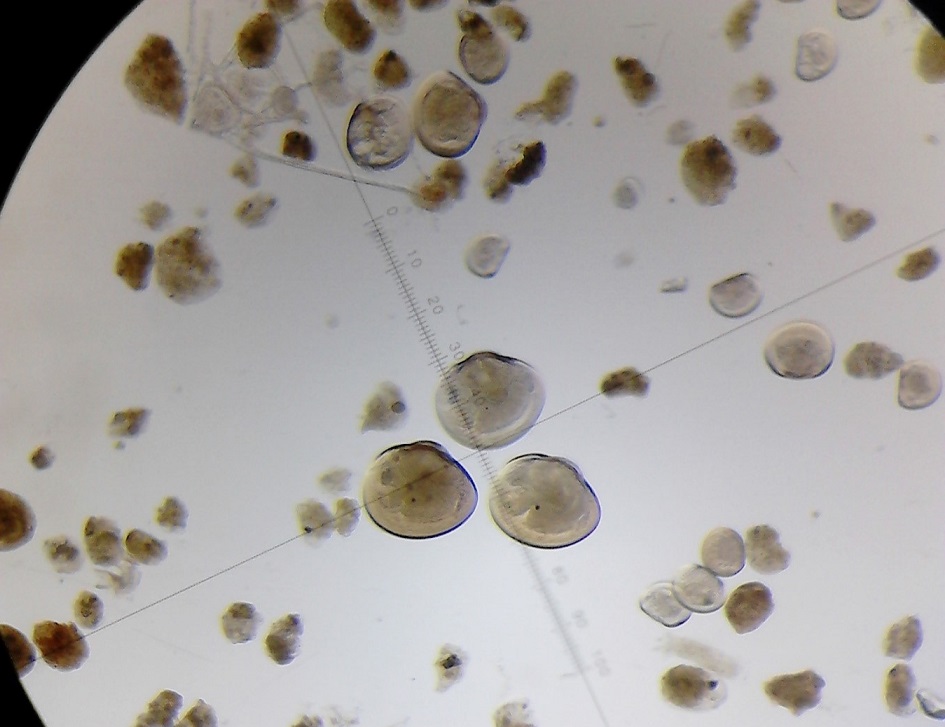
The Fisheries Development Institute (IFOP), held the dissemination workshop of the results of the "Larval Mussels Availability Monitoring and Surveillance Program for the Sustainability of Aquaculture Activities in the Southern Austral Zone of Chile, 2023-24 Eleventh Stage", a study that has been carried out since 2013 and is part of the permanent monitoring programs implemented by IFOP and defined by the Directorate of Fisheries and Aquaculture.
The workshop was held online through Microsoft Teams platform with more than 120 attendees, who showed great interest in the different presentations. In addition, two exhibitions were developed, both by María Loreto Gaviño and Daisy Carreño, who presented topics related to the Research Program as a "Characterization of mussel farming in Chile from the perspective of the Subsecretariat of Fisheries and" Aquaculture. Likewise, IFOP professionals associated with the monitoring program showed the main results of larval monitoring and presented topics focused on describing the seed collection activity of mussels.
Researchers invited to answer questions from the interactive platform "Semilla Endémica", taking advantage of the changes and collaborations of other entities with data such as that offered by the Milenium Institute for Coastal Socio-Ecology SECOS and other adjustments, which involve applicable information from the Specific Objective of Surveys to the mussel farming sector, which can be linked with elements of the platform, which can be viewed at: https://www.ifop.cl/monitoreo-larvas-de-mitilidos/
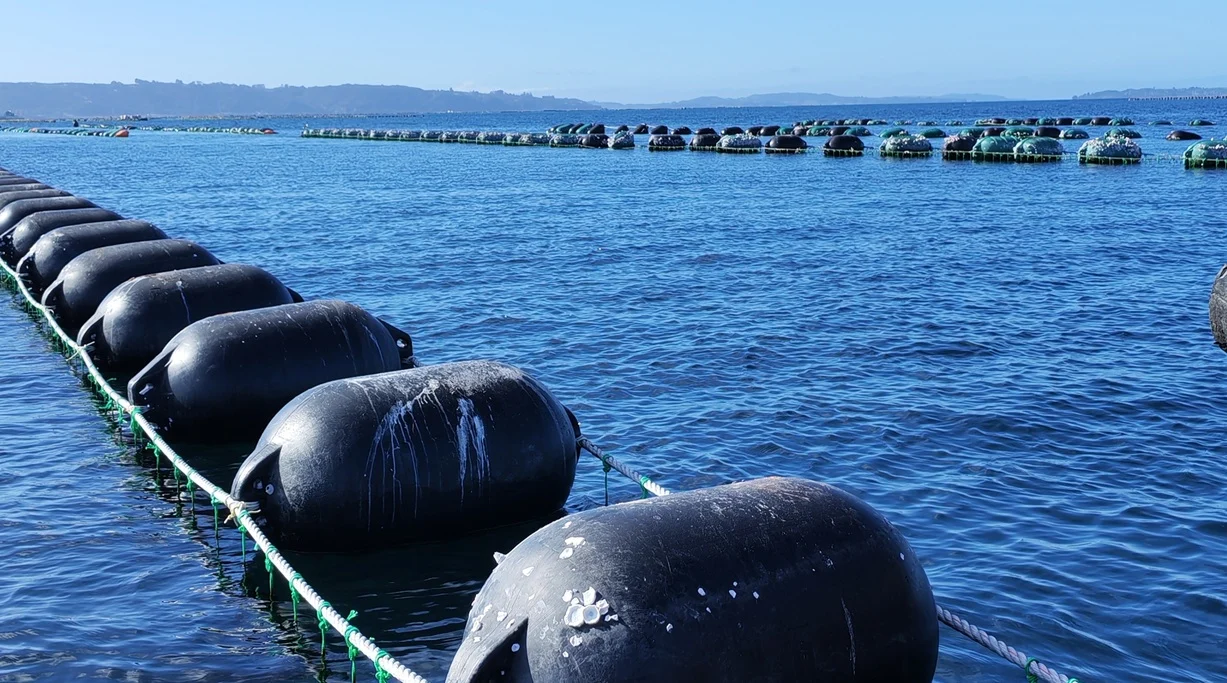
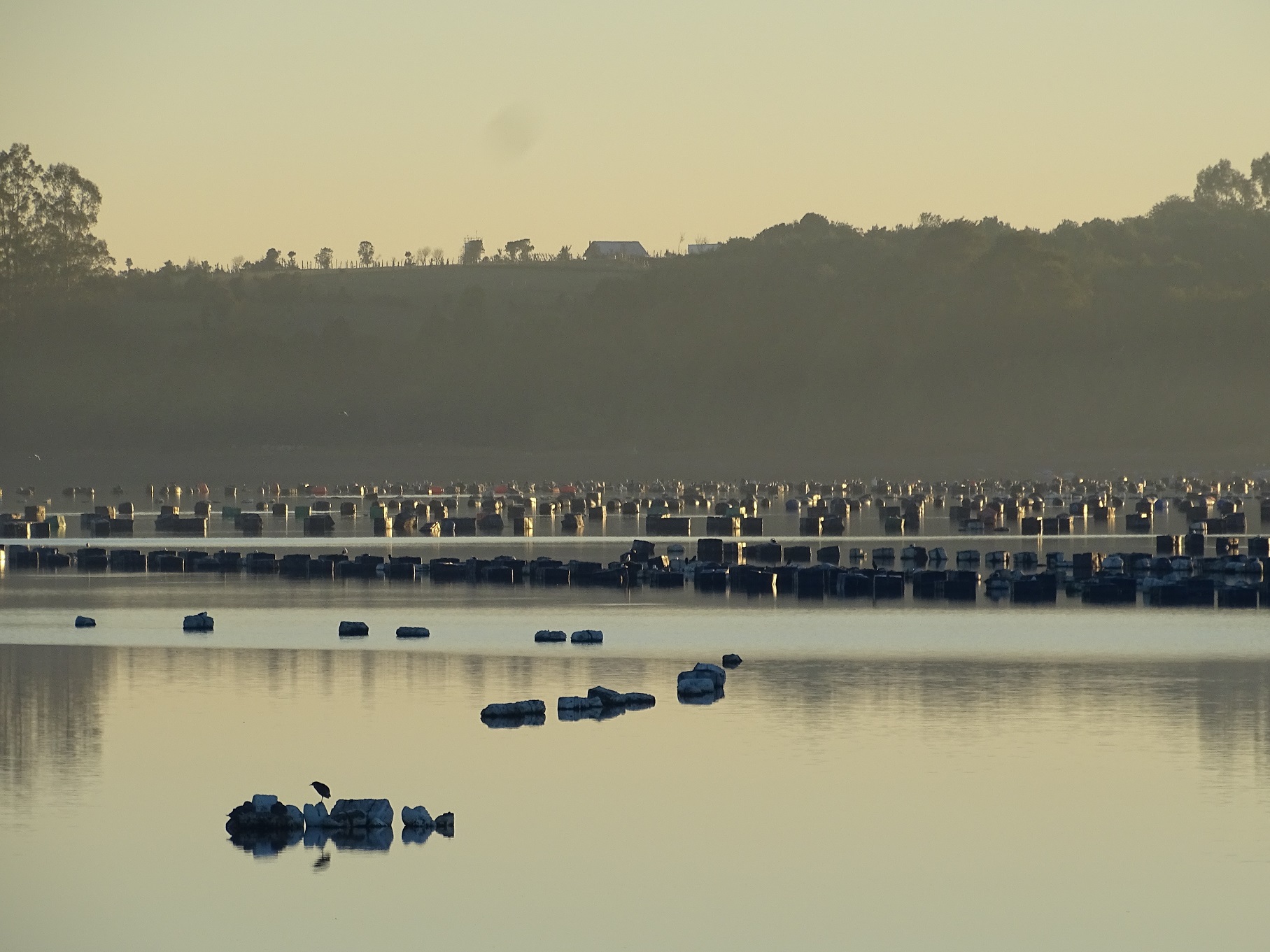
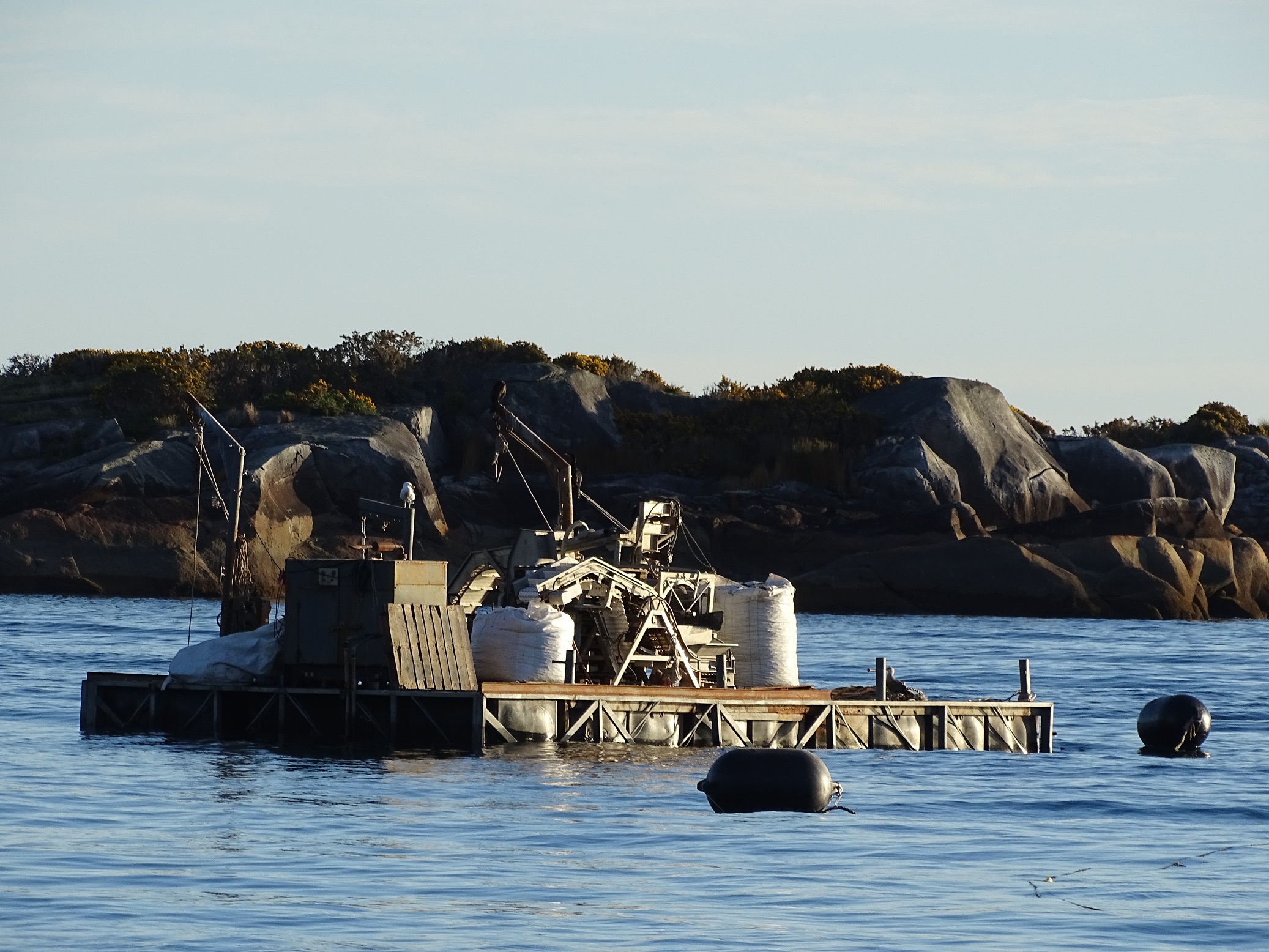
Mussel farming; Chilean mussel aquaculture based on seed capture
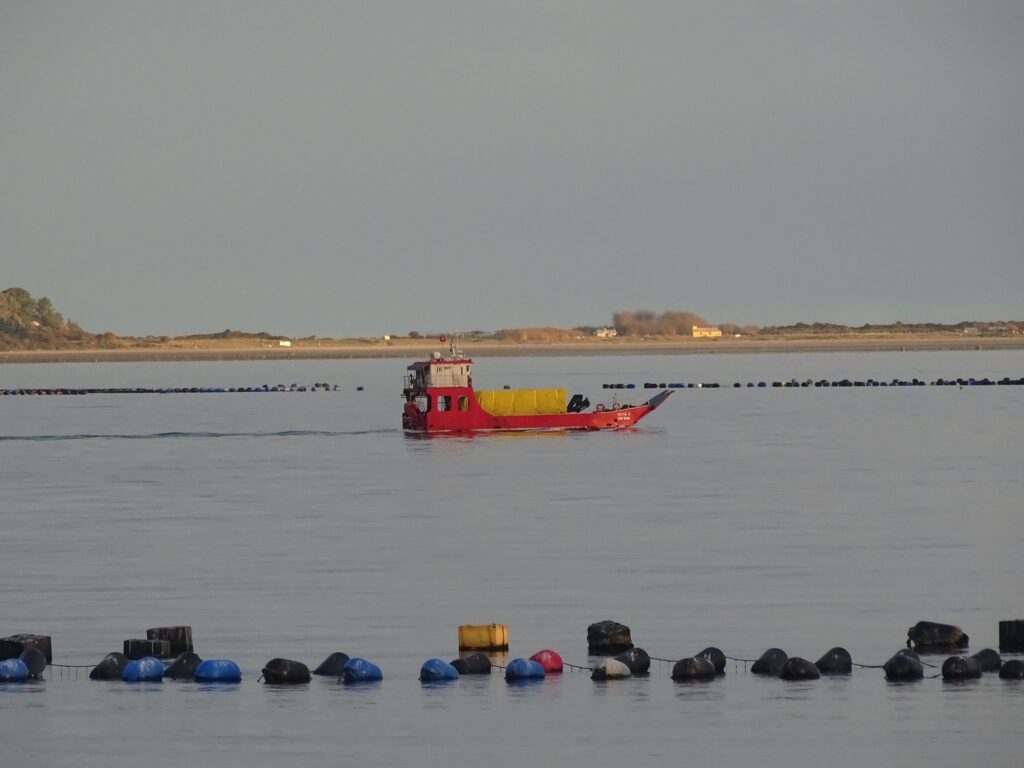
The cultivation of mussels in Chile has experienced remarkable growth in the last two decades, with an increase in mussel production, from 23,996 tons in 2000 to 386,037 tons in 2023. This boom has positioned Chile as the second largest producer and the world's first exporter of mussels.
One characteristic of this industry is its dependence on juvenile seeds and plankton from the natural environment. Capture-based aquaculture, which refers to the collection of seeds from the natural environment for cultivation and marketing, presents particularities that require special management and regulation.
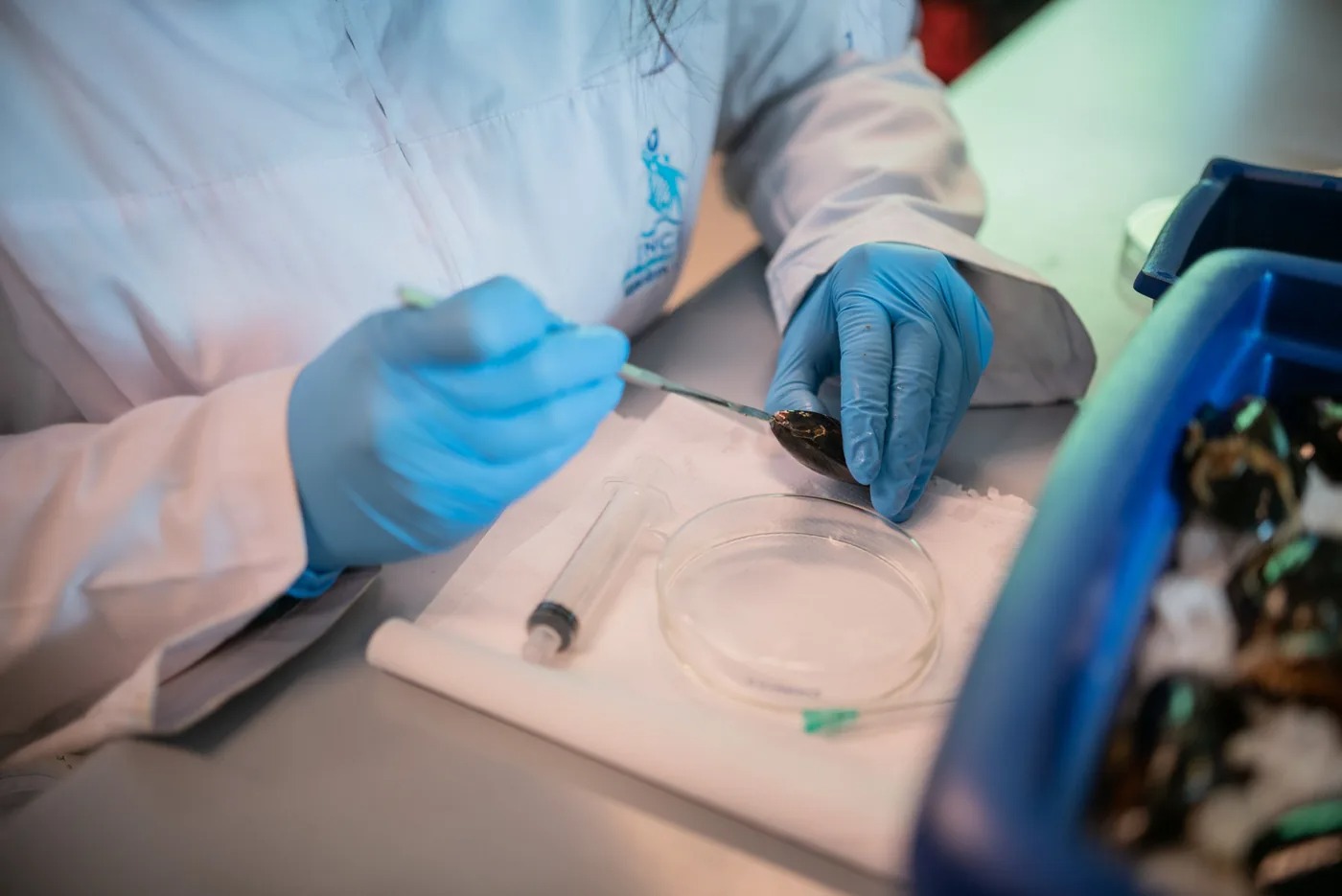
In this context, the mussel larvae monitoring programme, established under the Permanent Research Programme of the General Fisheries and Aquaculture Act of Chile, has been fundamental. This program provides biological-environmental data essential to understand the natural processes that contribute to the success of mussel cultivation. In addition, this information is expected to serve as a key tool for management and management. regulation of seed capture.
Permanent monitoring not only helps to improve the efficiency and quality of seeds by reducing losses and accompanying fauna, but also plays a crucial role in the conservation of natural resources and in the implementation of adaptive management plans. The literature recognizes the importance of these monitoring to answer key questions and support sustainable management of the activity.
For those interested in deepening these topics, presentations of the workshop are available for download.
- Research programme of the Undersecretary for Fisheries and Aquaculture. Exp. Maria Loreto Gaviño, professional Aquaculture Division, SUBPESCA
- Characterization of miticulture in Chile. Exp. Daisy Carreño, professional Aquaculture Division, SUBPESCA.
- Introduction to the Larval Monitoring, Justification, Objectives and Methodologies Program. Exp. José Videla, IFOP.
- Endemic Seed: Larval abundance of mussels and environmental variables that affect them. Exp. Cristian Segura, IFOP.
- Endemic Seed: Capture of mussel seeds in contrasting areas. Exp. Cristina Stuardo, IFOP.
- Endemic Seed: Territorial perception of mussel seed harvesting activity. Macarena Herrera, IFOP.
It is also possible to interact with the platform Monitoring mussel larvae.
For more information about the activity, write to cristian.segura@ifop.cl