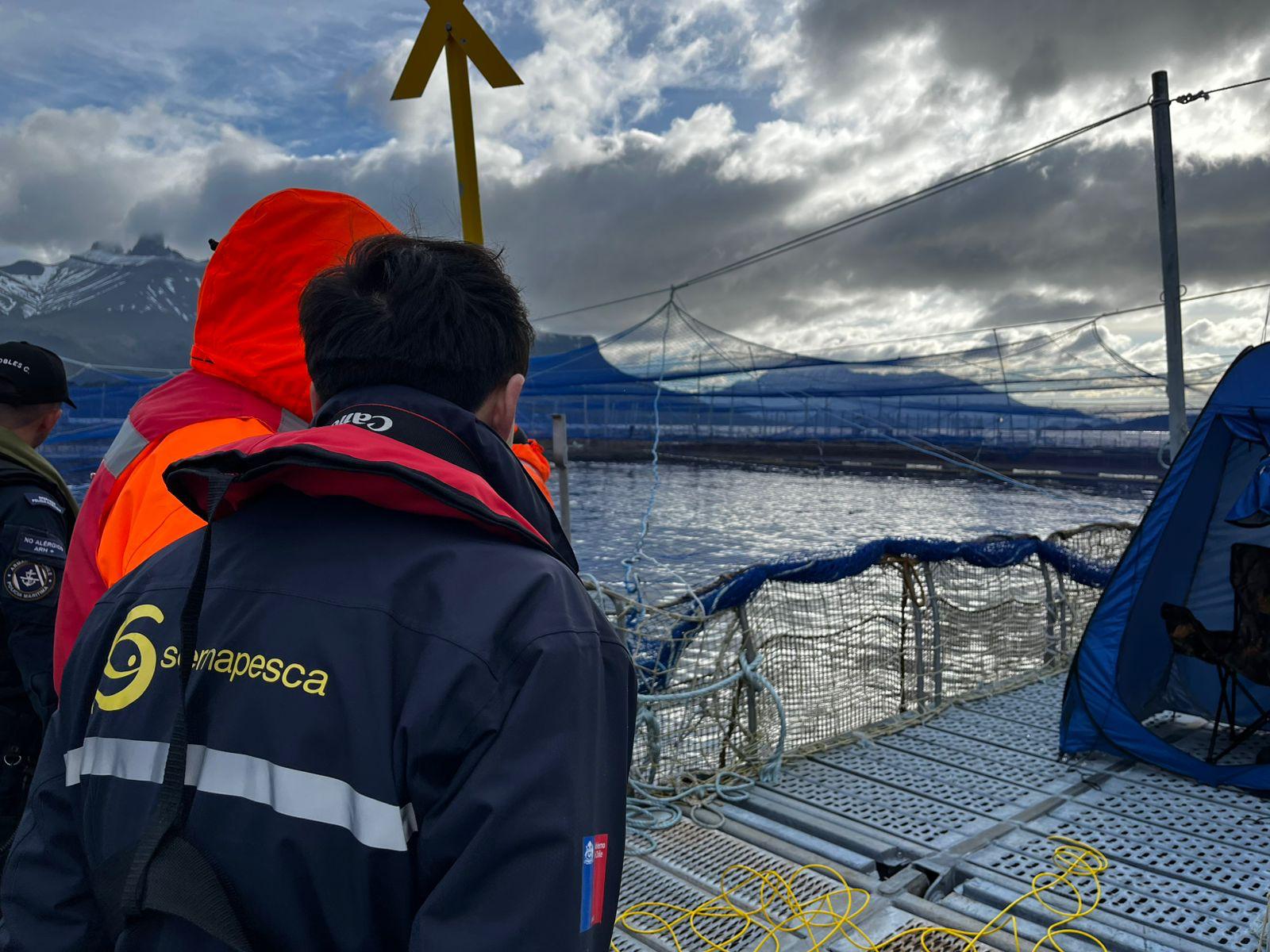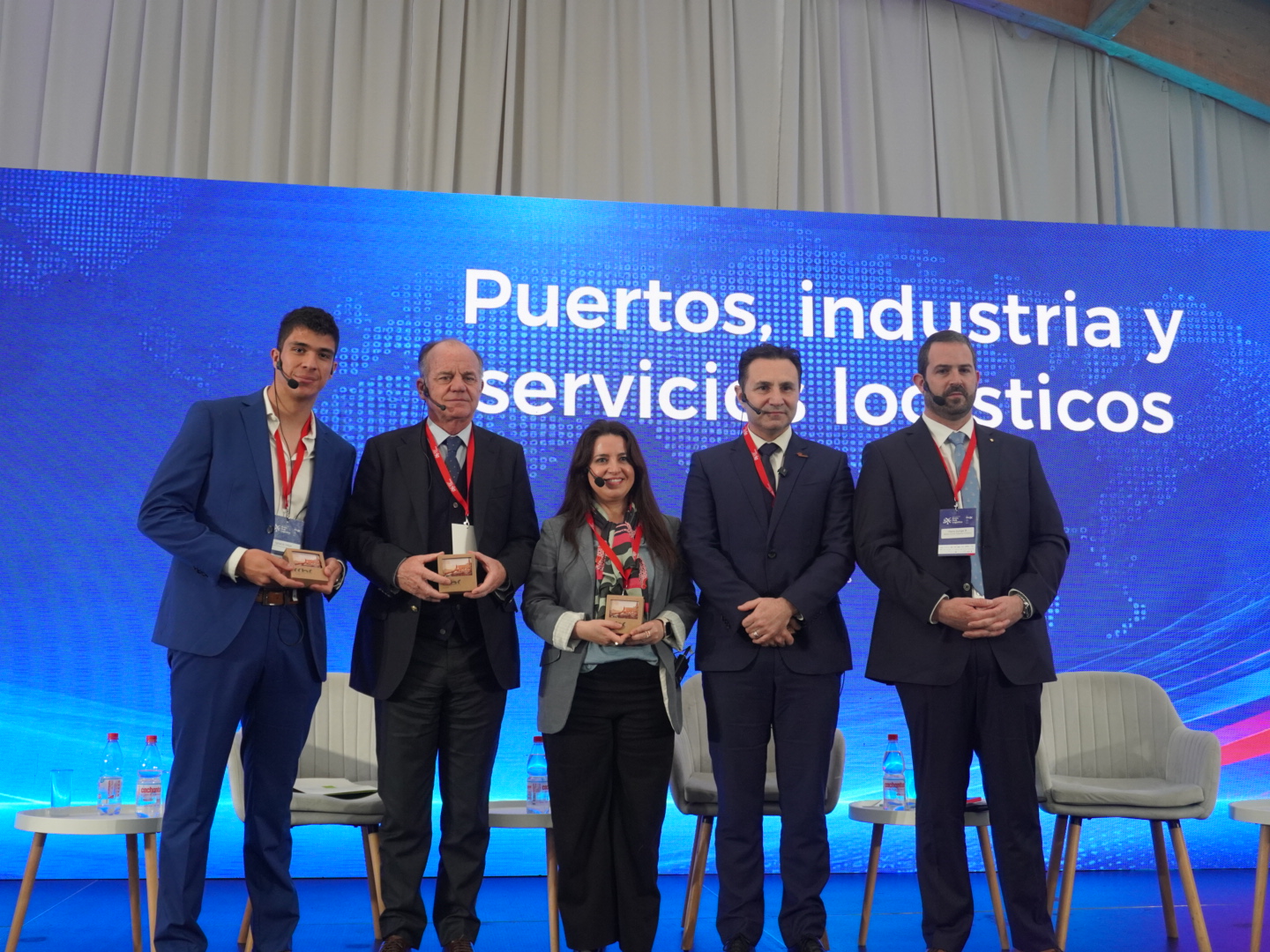
Among the actors in the aquaculture industry, representatives from PTEC-INVA, Skretting and SalmonChile were present.
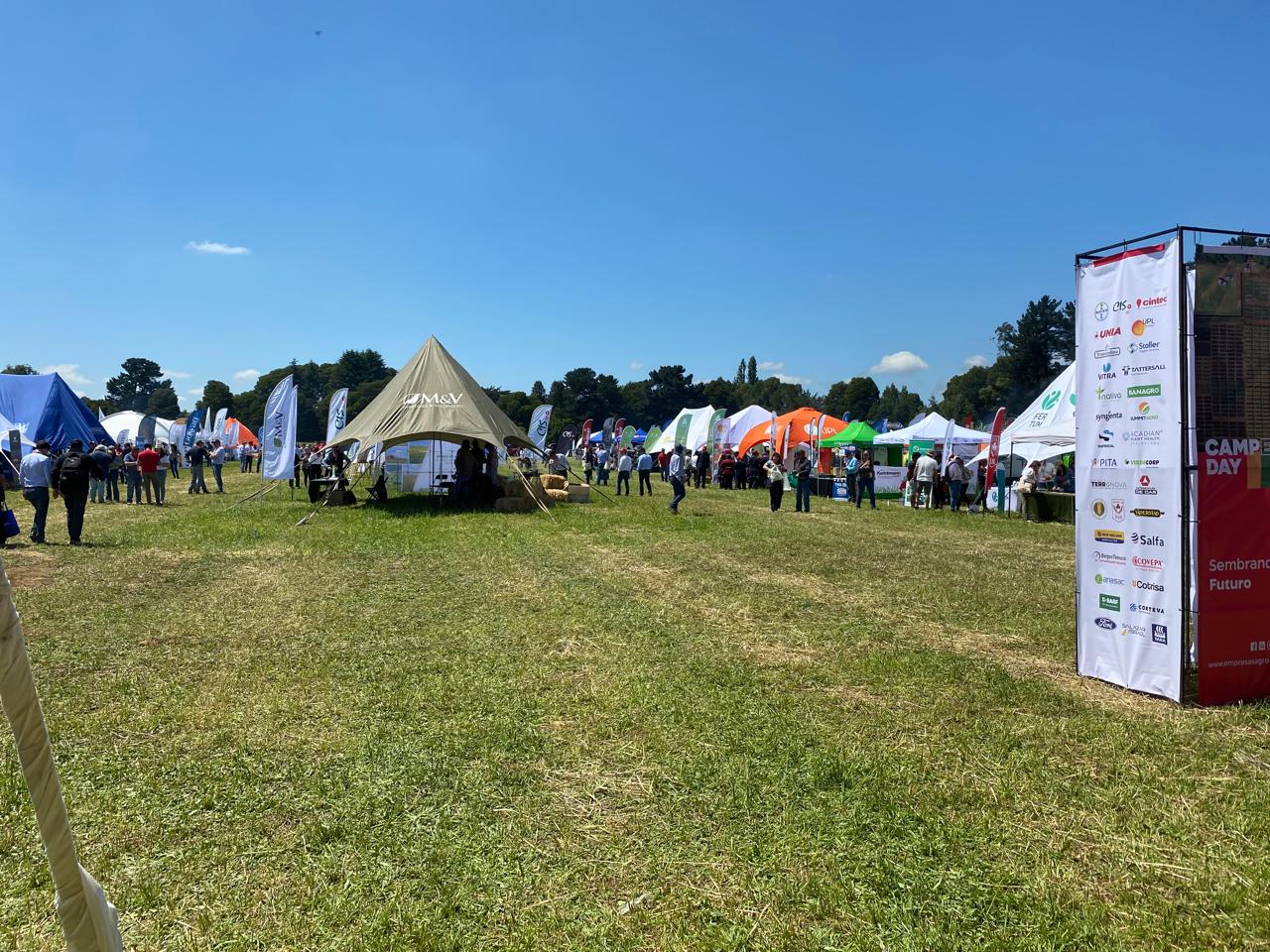
In the framework of its sustainable development policy and intersectoral synergies, Agrotop Companies carried out a new Campex Day, event that once again brought together in the commune of Freire, region of La Araucania, key players in agriculture and also in another of the main productive sectors of the south of the country: aquaculture.
It was thus that in the meeting participated the Dr Daniel Nieto Díaz-Muñoz, Manager of the Technological Program for the Local Production of Nutritional Insumes for Aquaculture (PTEC-INVA), a public-private-academic initiative promoted by the Production Development Corporation (Corfo), who underlined the importance of strengthening ties between the two headings to promote the creation of a third industry.
"Today, the challenge is to strengthen integration between agriculture and aquaculture in order to boost the economic and social development of our communities. In the PTEC-INVA we are clear that farmers have the potential to be key suppliers of local inputs for salmon farming, reducing import dependence and strengthening the circular economy in Chile," said Dr. Nieto, adding that in this need for linkage the Campex Day is a strategic platform to build a common vision.
"Our main objective is to transform these sectors into natural allies, creating a third industry that contributes to the economic, social and environmental sustainability of the southern-southern regions, especially in areas where The more they need it.", emphasized the representative of the PTEC-INVA.
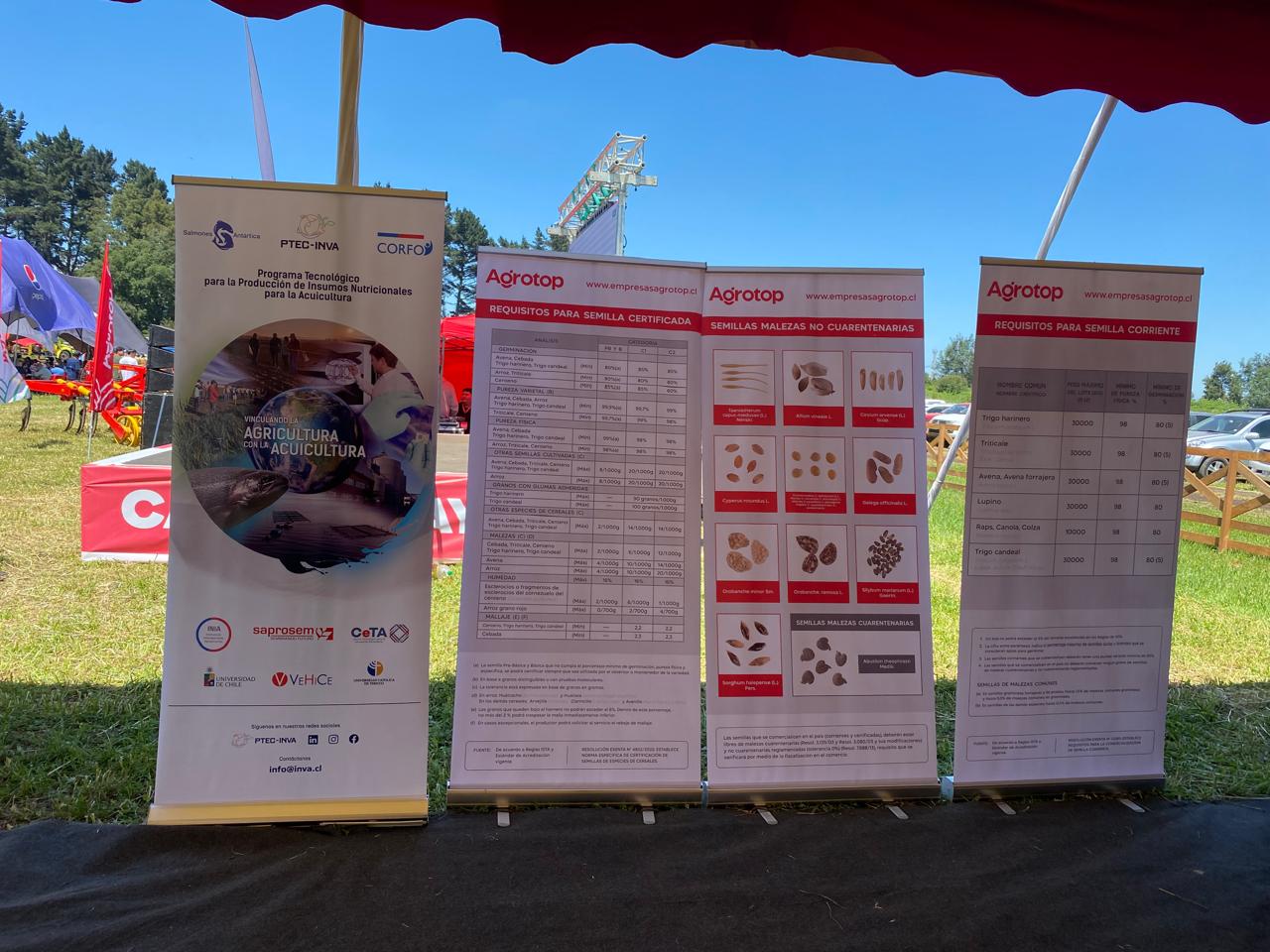
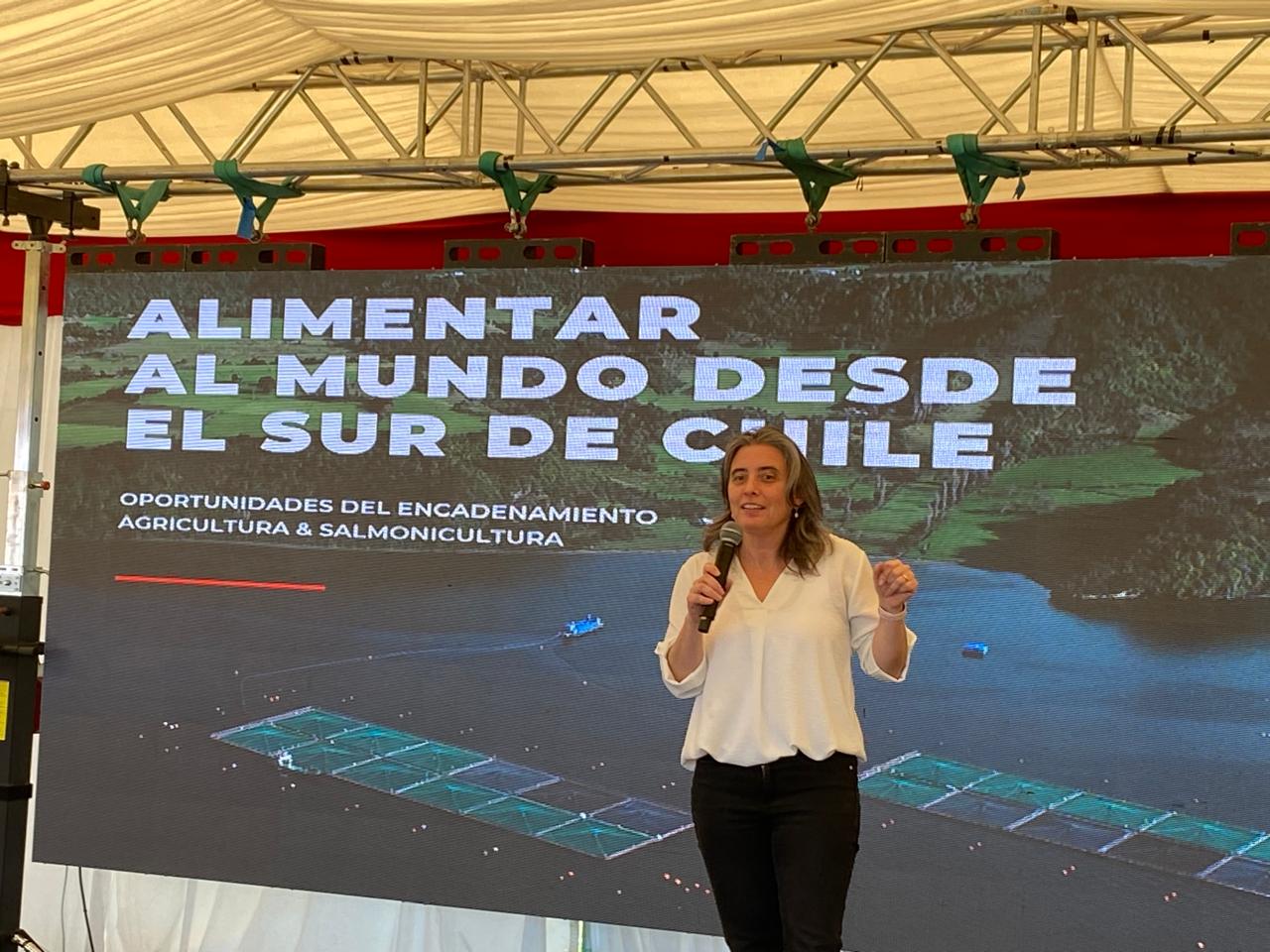
Under the motto of "Feed the world from southern Chile", Agrotop also highlights the relevance of strengthening the connections mentioned by Dr. Nieto to promote sustainable development.
"Agriculture today has a tremendous challenge That we all have to work for. We contributed to climate change and at the same time we are victims of its effects. We need to produce more, without neglecting natural resources and move towards a efficient agriculture and sustainable. We need to ask ourselves how we can improve the agricultural management, articulate the viability and profitability of the business under the sustainable perspective", they say in Agrotop –holding that has demonstrated its commitment by being co-executor of the PTEC-INVA technological program – adding that the way must be found to transform itself from producers to crop managers, always looking at the concern for soil, water, nutrients and waste to achieve the best comprehensive management, which can transcend over time with a commitment to the future and project it to the new generations.
"The integration agriculture with aquaculture will then not only boost the local economy, but will also open up new opportunities for innovation, technological development, collective commitment and, ultimately, social welfare, summarizes the manager of the PTEC-INVA of Corfo.
Exhibitions
The event included working tables and panel discussions in which farmers, aquaculture experts, academics, representatives of public services and entrepreneurs explored joint strategies for optimize resources and addressing the challenges of climate change and sustainability.
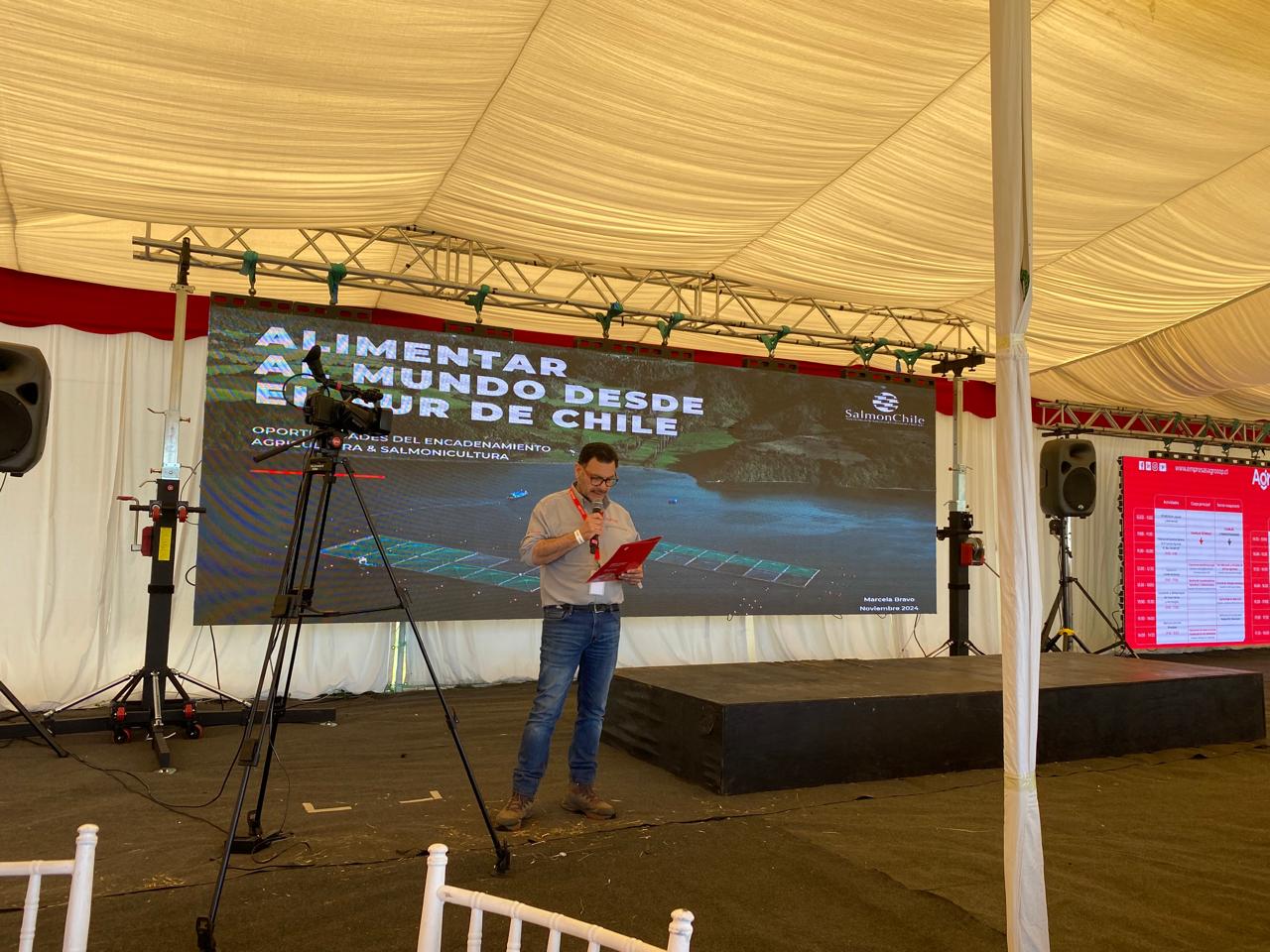
Within the framework of the module Opportunities for the chaining of agriculture and salmon farming, the commercial manager of Skretting, Rodrigo Sinnand the Director of Studies and Projects of the Association of Salmon Industry of Chile A. G. (SalmonChile), Marcela Bravo, complemented Dr. Grandson with his own perspectives.
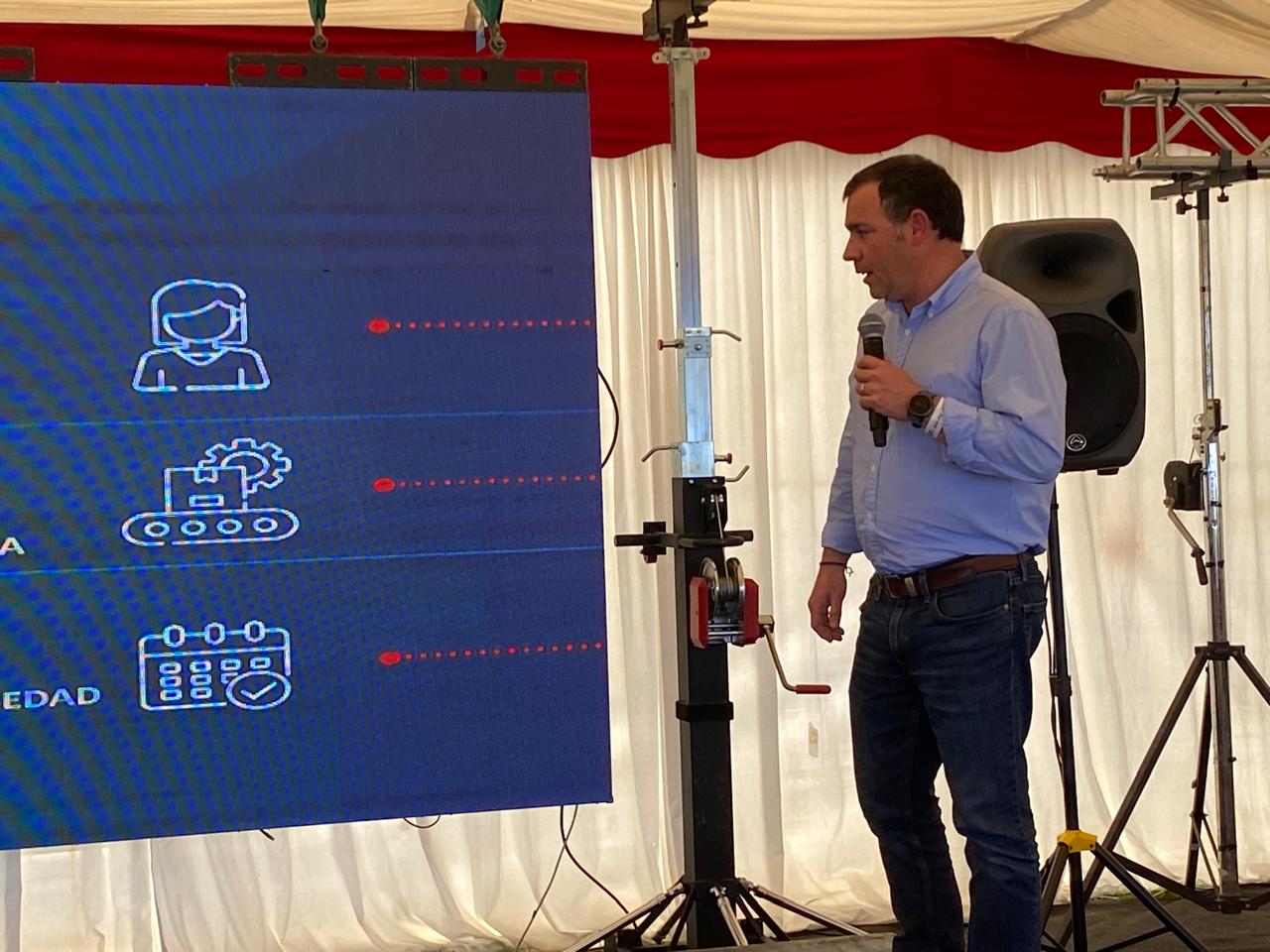
Rodrigo Sinn stressed that the incorporation of local raw materials not only benefits farmers, but also reduces the environmental footprint the food industry and improves its competitiveness.
For his part, Marcela Bravo pointed out that this collaboration can be a catalyst for diversify the productive and strategic opportunities of local communities throughout the country.
Another of the highlights was that of Consuelo Gonzálezexpert from the Chilean Weather Authority (DMC), who spoke about climate variability, impact on agriculture and climate-harvest projections for the 2024-2025 season.
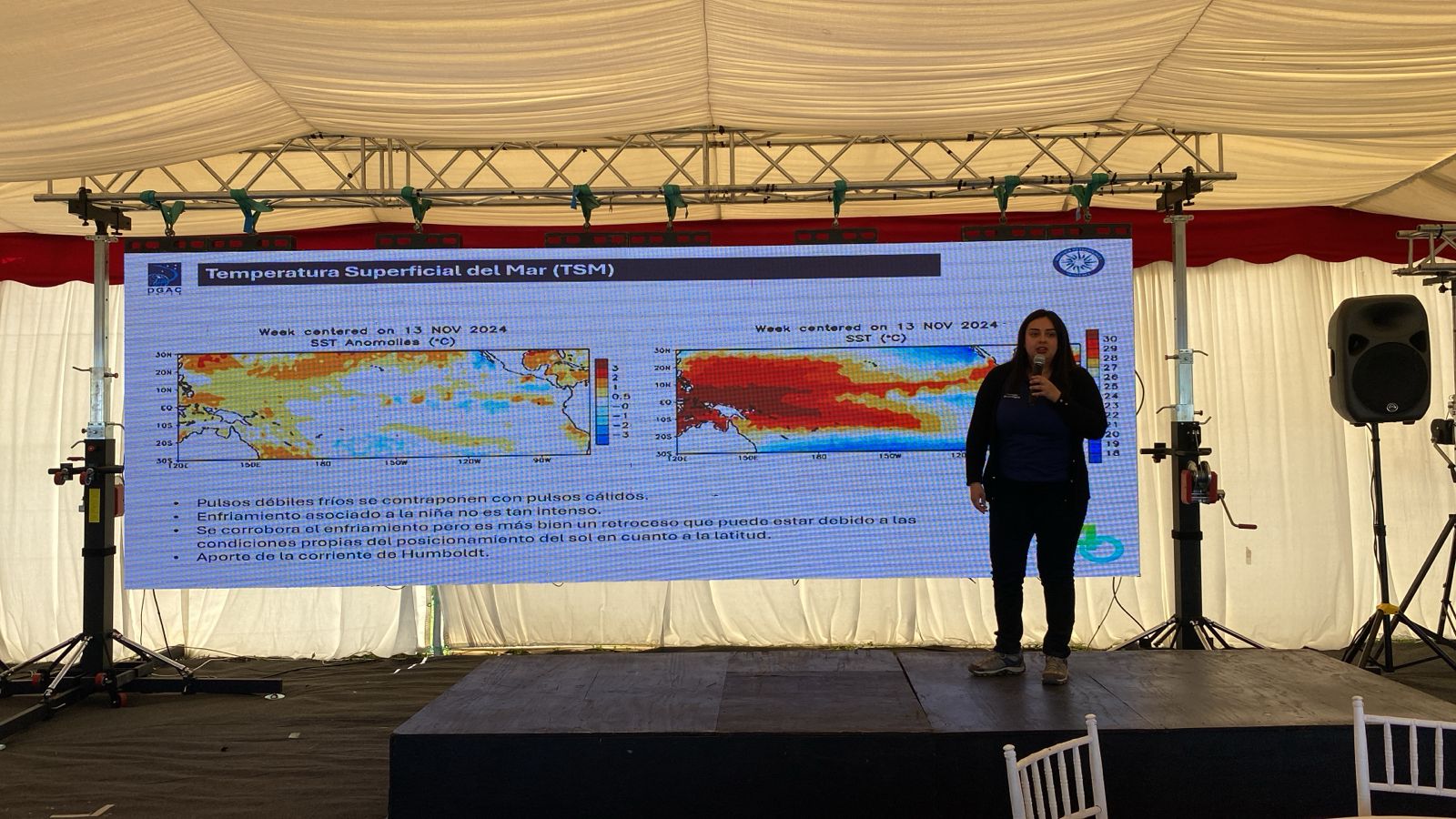
The Campex Day ended with concrete commitments to advance cooperation projects between the two sectors, marking a new milestone bringing together the protagonists of agriculture and salmon farming around a common purpose: to strengthen the economy of the south-southern macrozone and to position Chile as a world leader in sustainable production.
On the PTEC-INVA
The Technological Program for the Local Production of Nutritional Insumes for Aquaculture (PTEC-INVA) is a public-private-academic initiative promoted by the Chilean Production Development Corporation (Corfo), whose fundamental objective is to generate a enabling platform support for the production and use of nutritional vegetable inputs from rotational crops in the southern and southern macrozone of Chile as sustainable source of proteins and oils, which may be scalable, cost-effective and environmentally effective for use in the processing of fish diets.
The Programme, which is in its third year of implementation of a total of five, is led by Antarctic Salmonwhile the following entities are present as co-executors: (INIA), Food Innovation Technology Center (CeTA), Veterinary Histopathology Center (VeHiCe), Agrotop Companies, the Catholic University of Temuco (UCT) and the University of Chile (University of Chile).
The area of productive development, meanwhile, is focused on the regions of La Araucania, Los Ríos, Los Lagos, Aysén and Magellan.
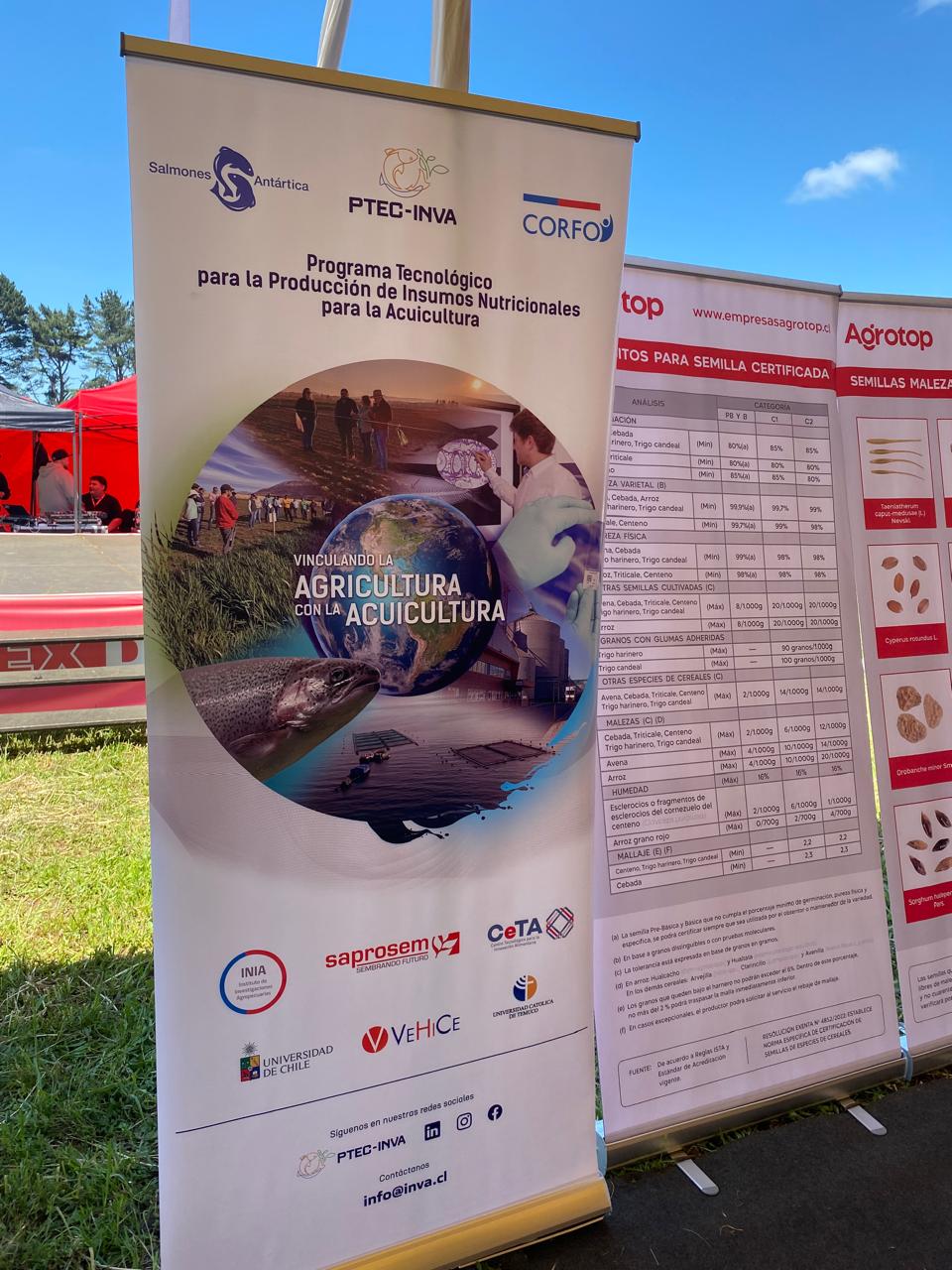
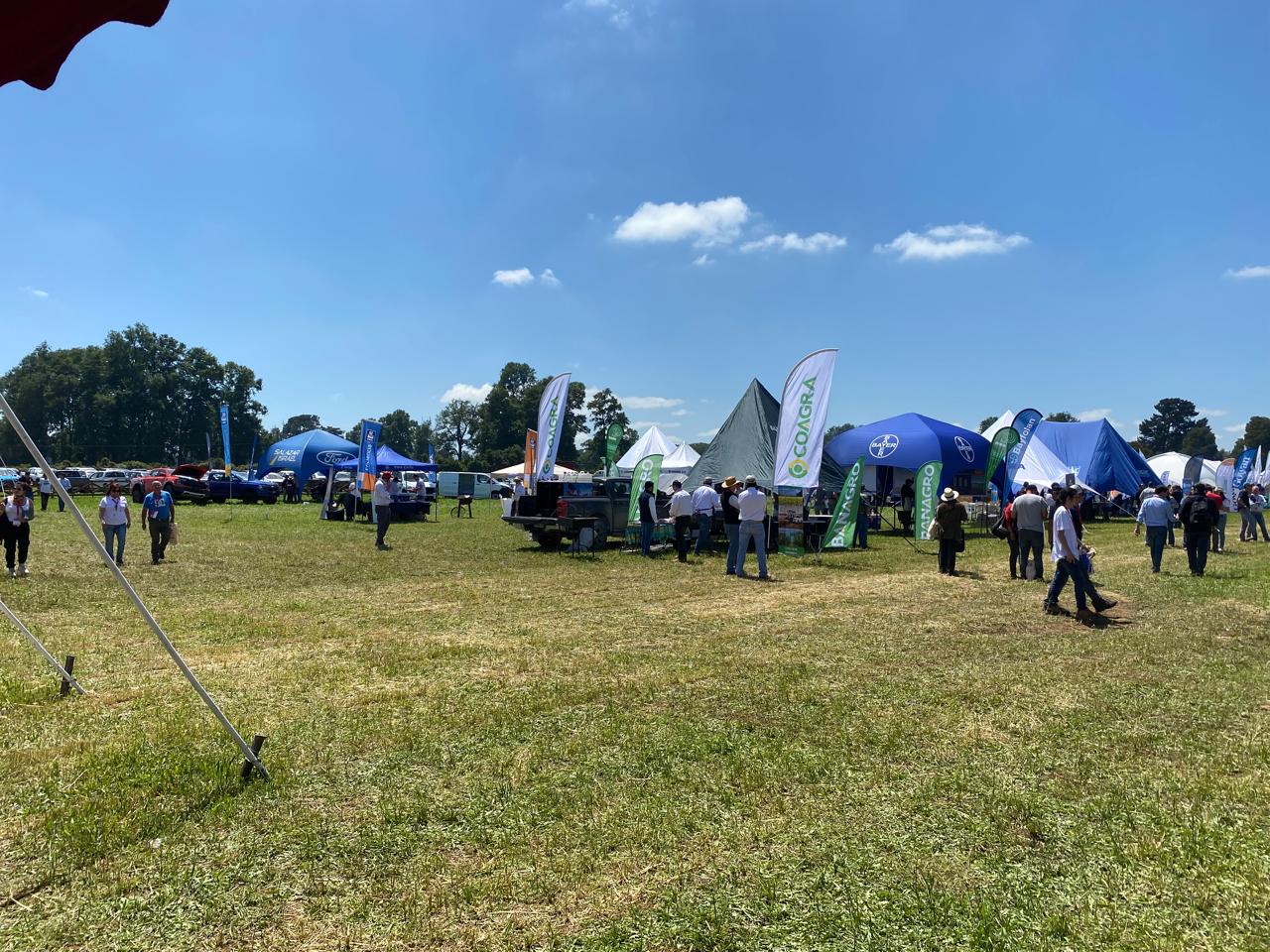
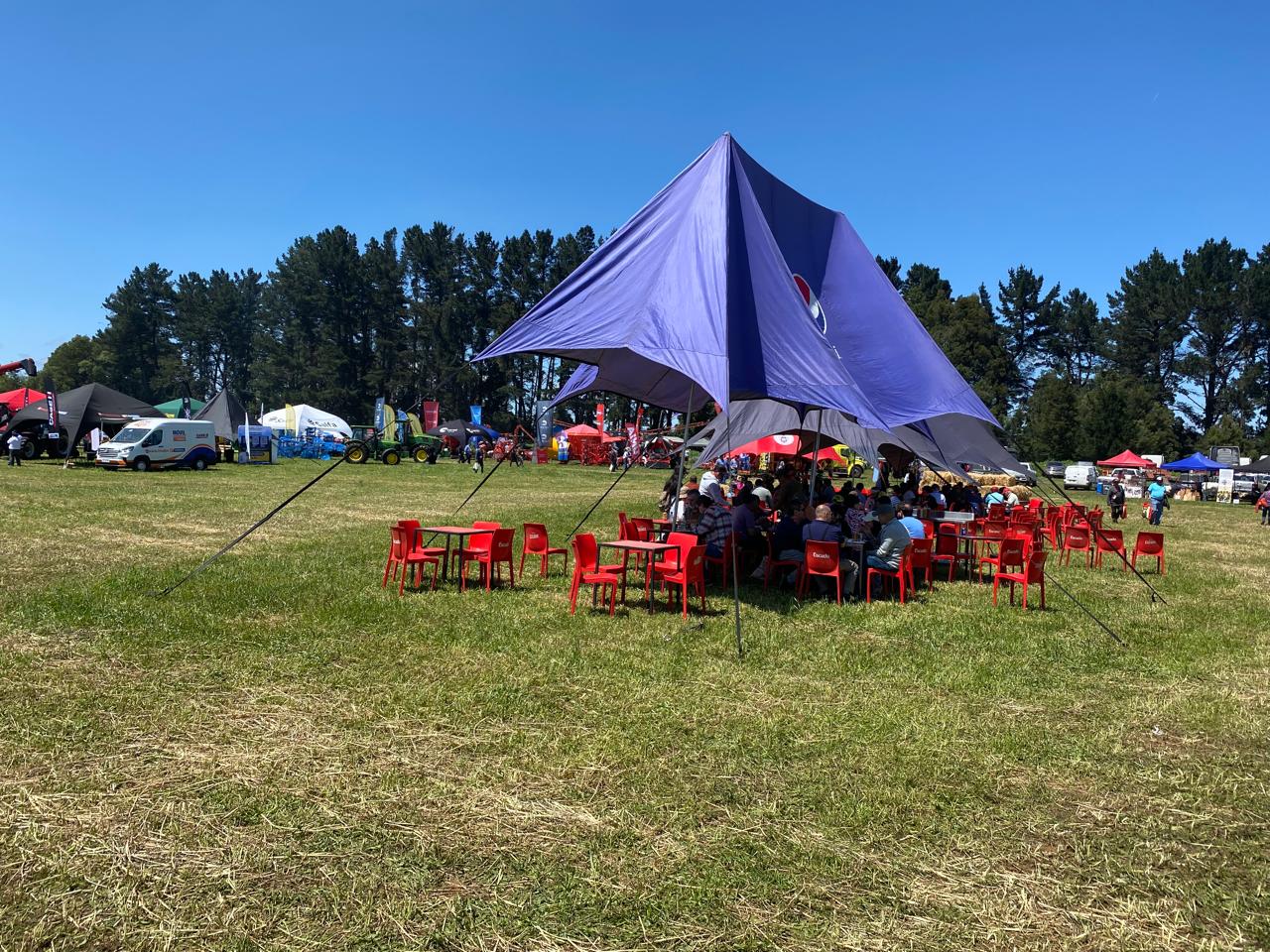
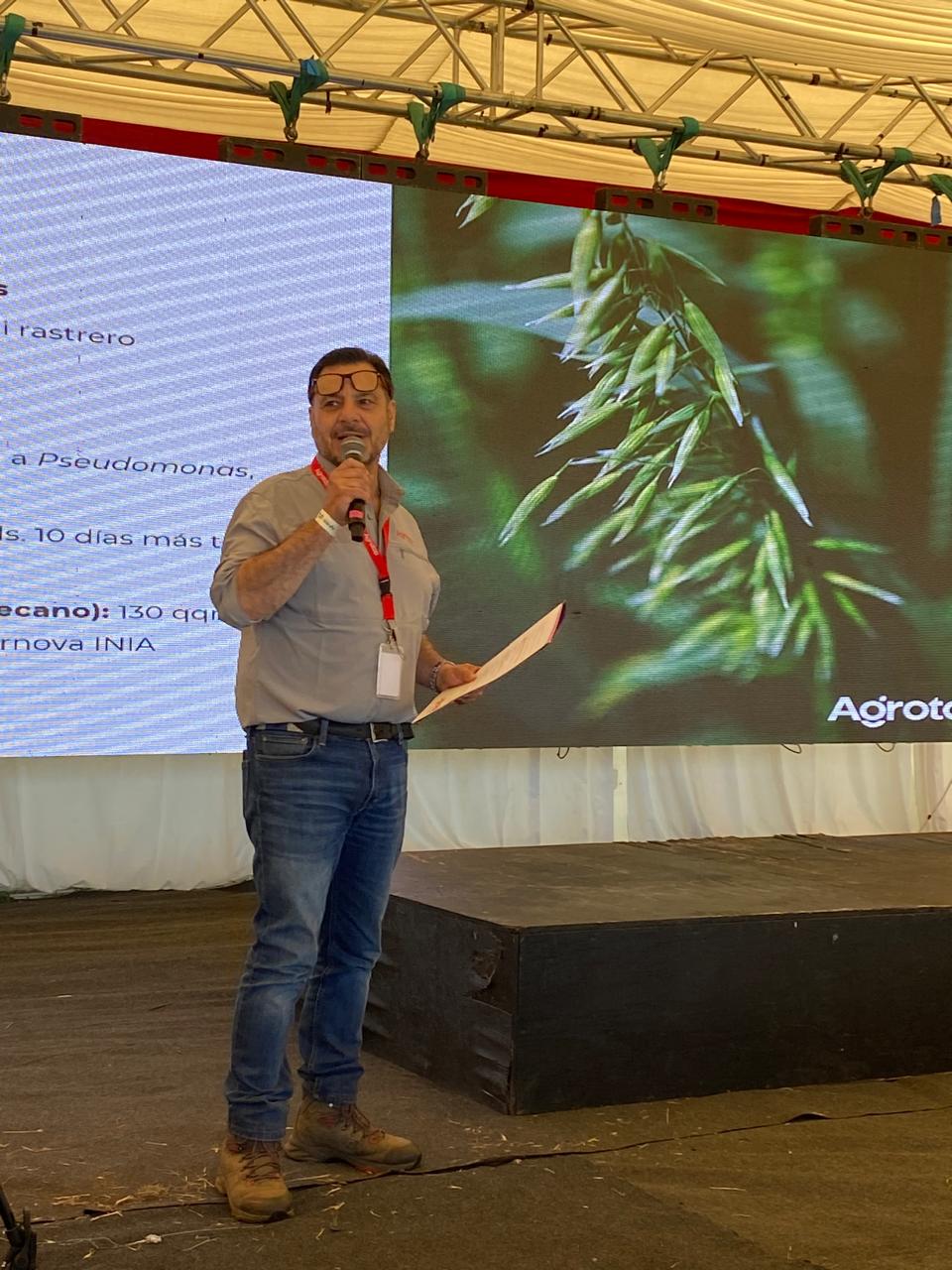
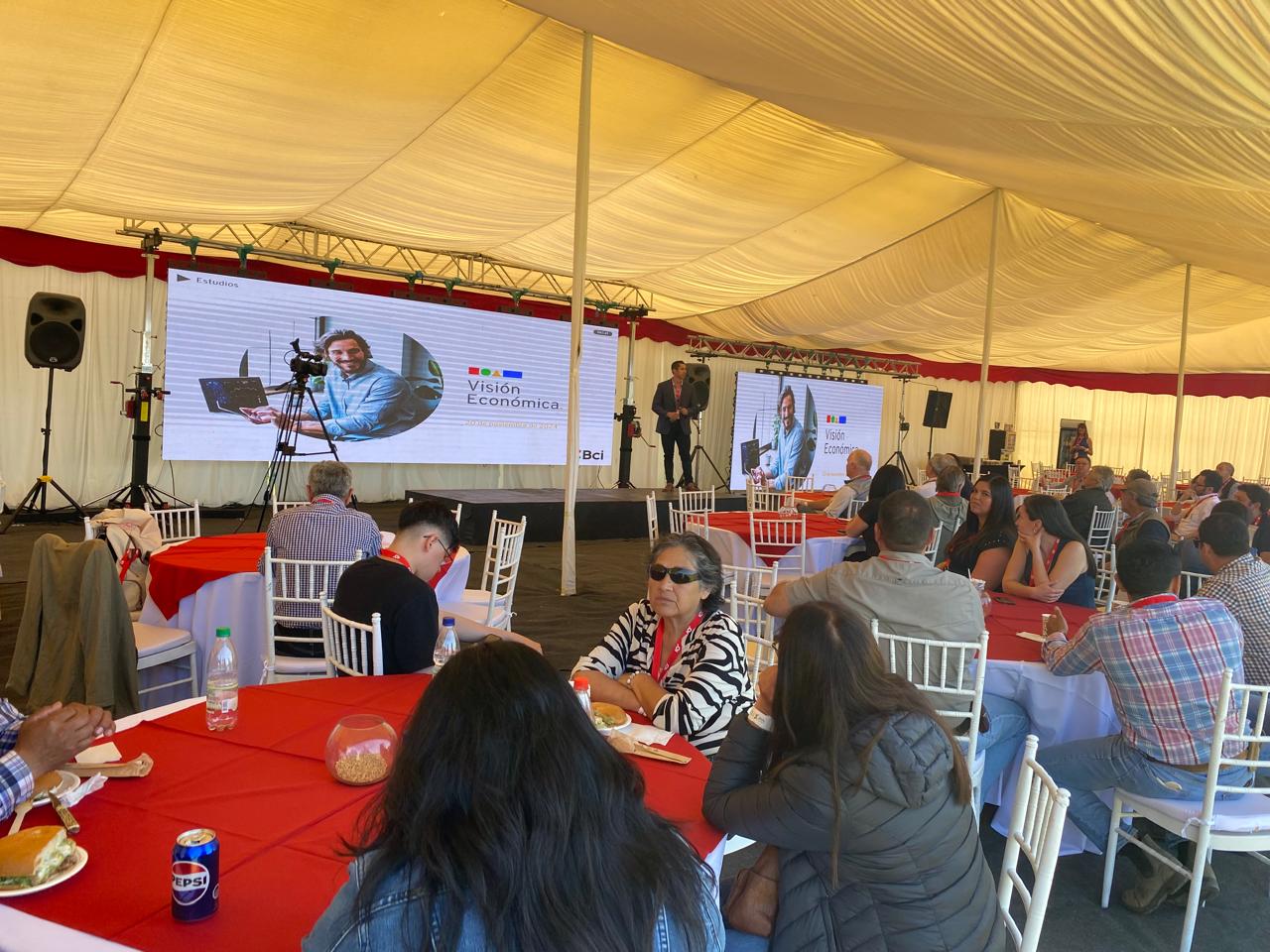
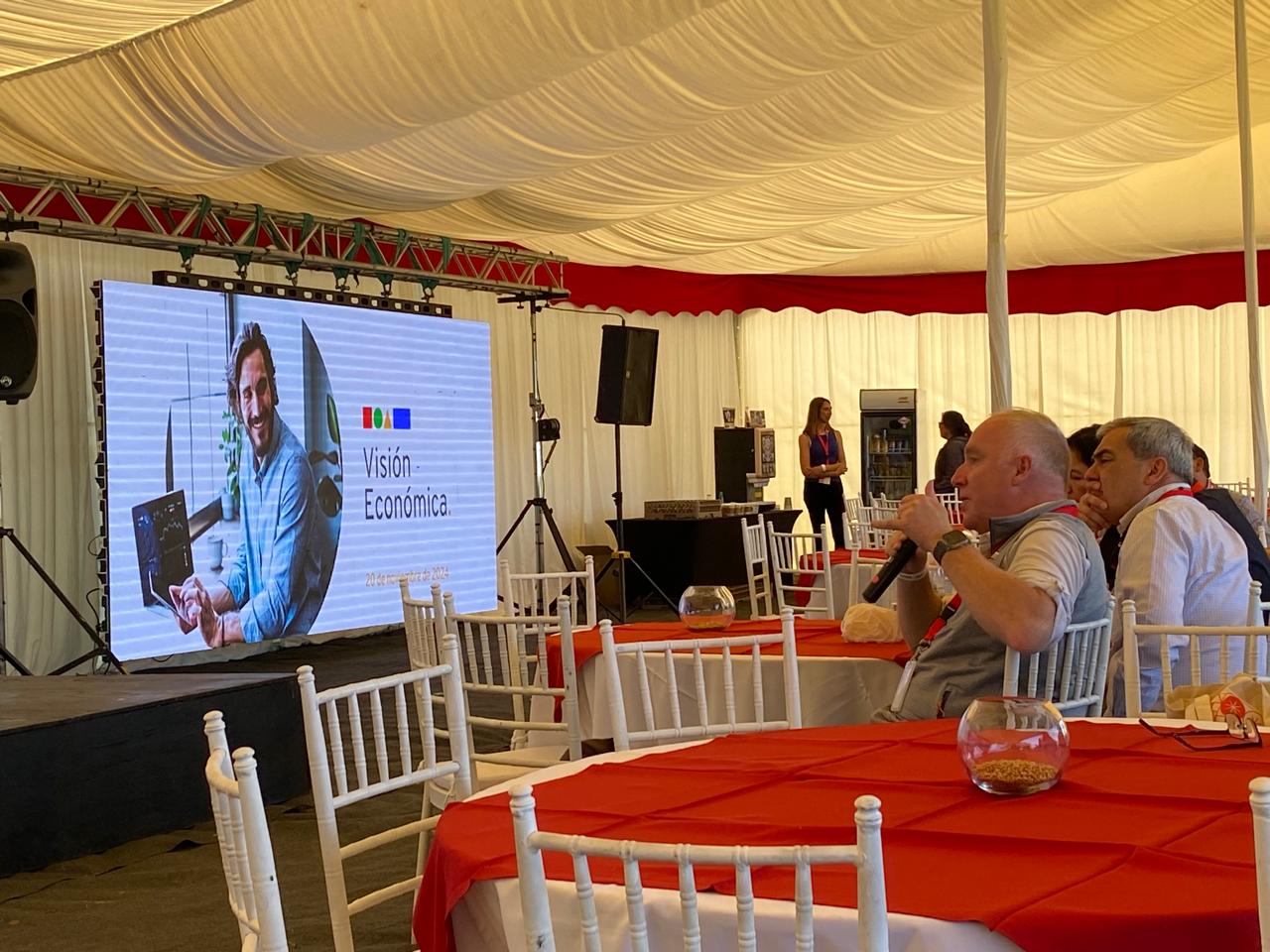
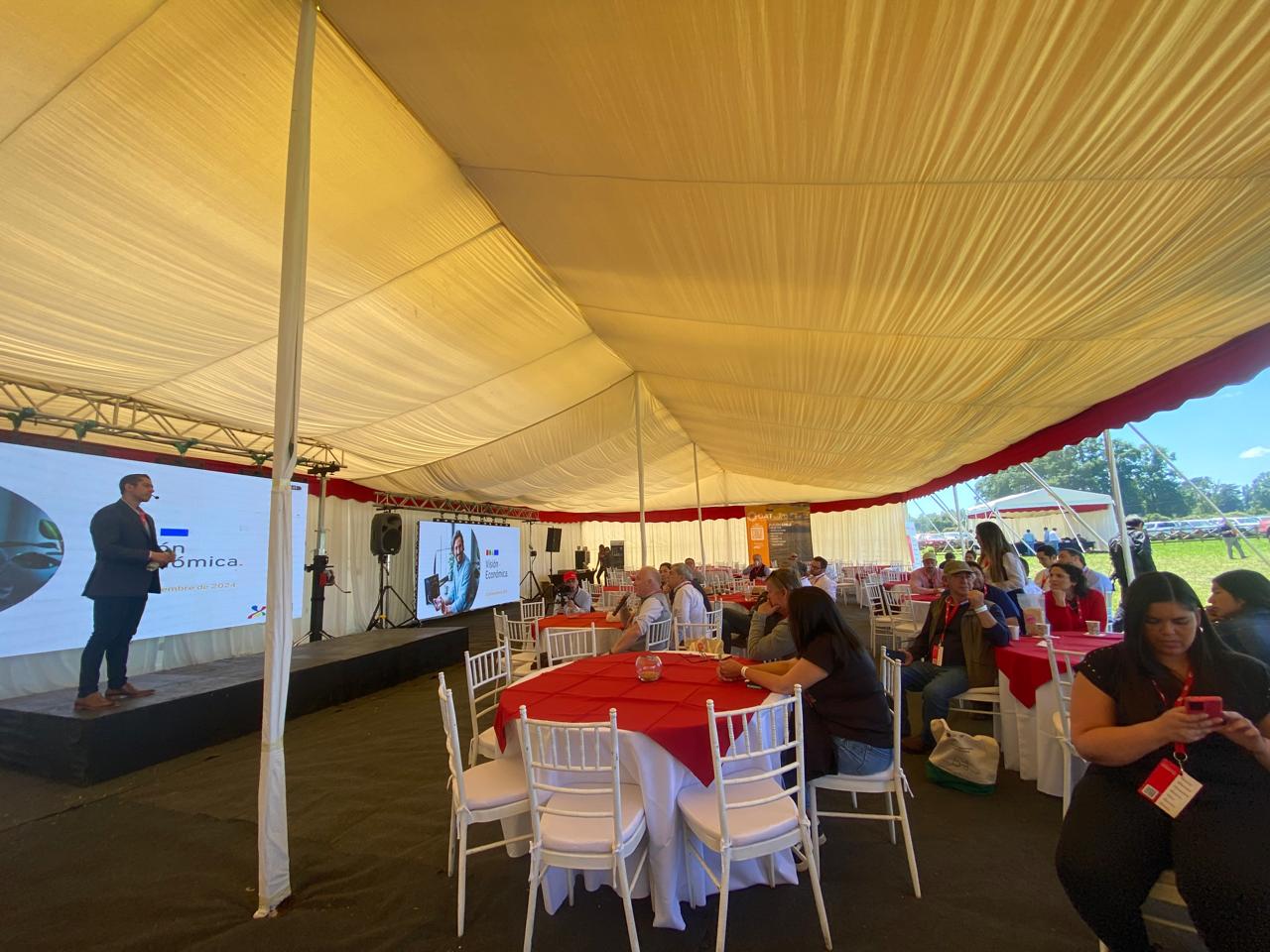
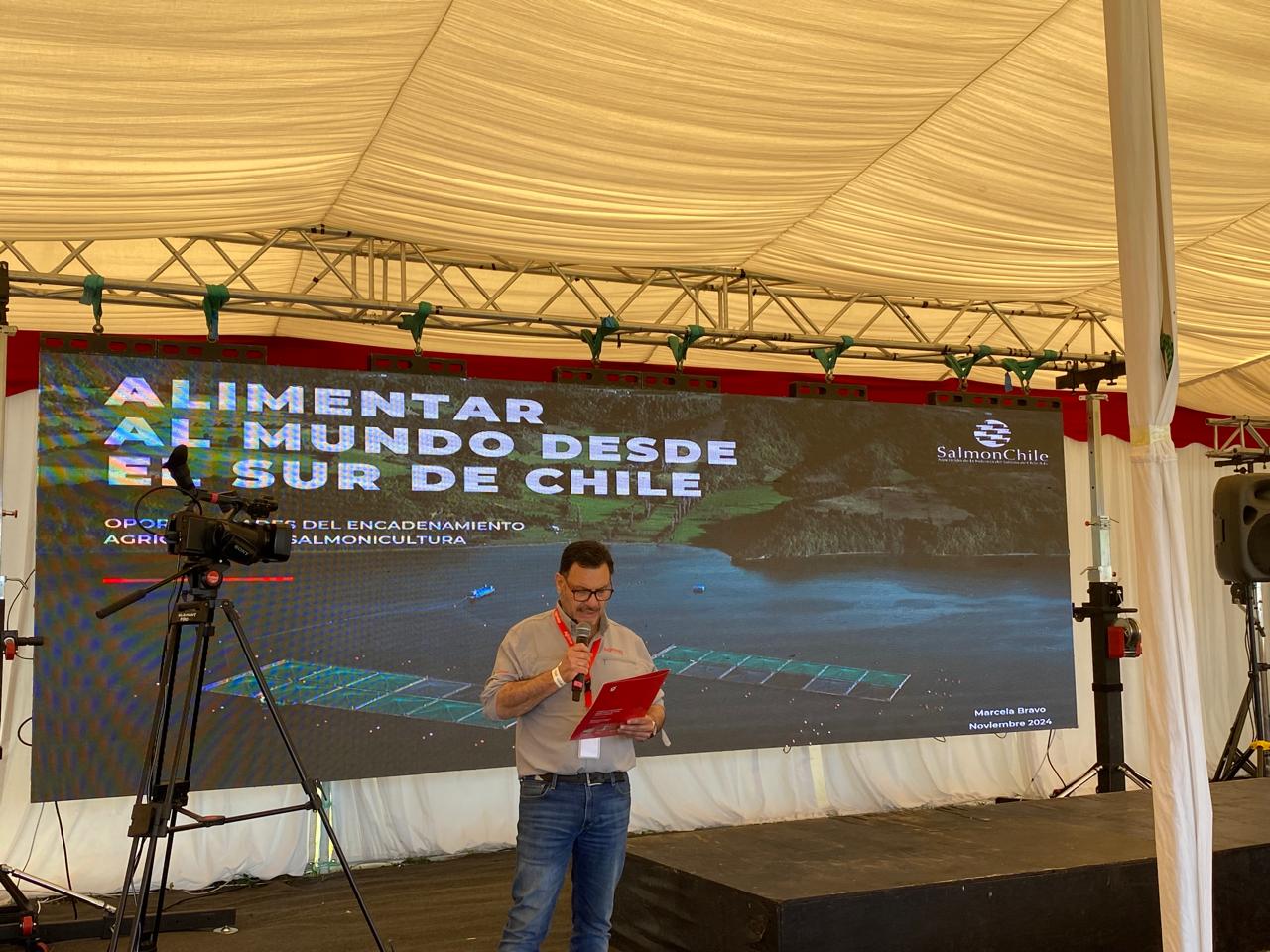
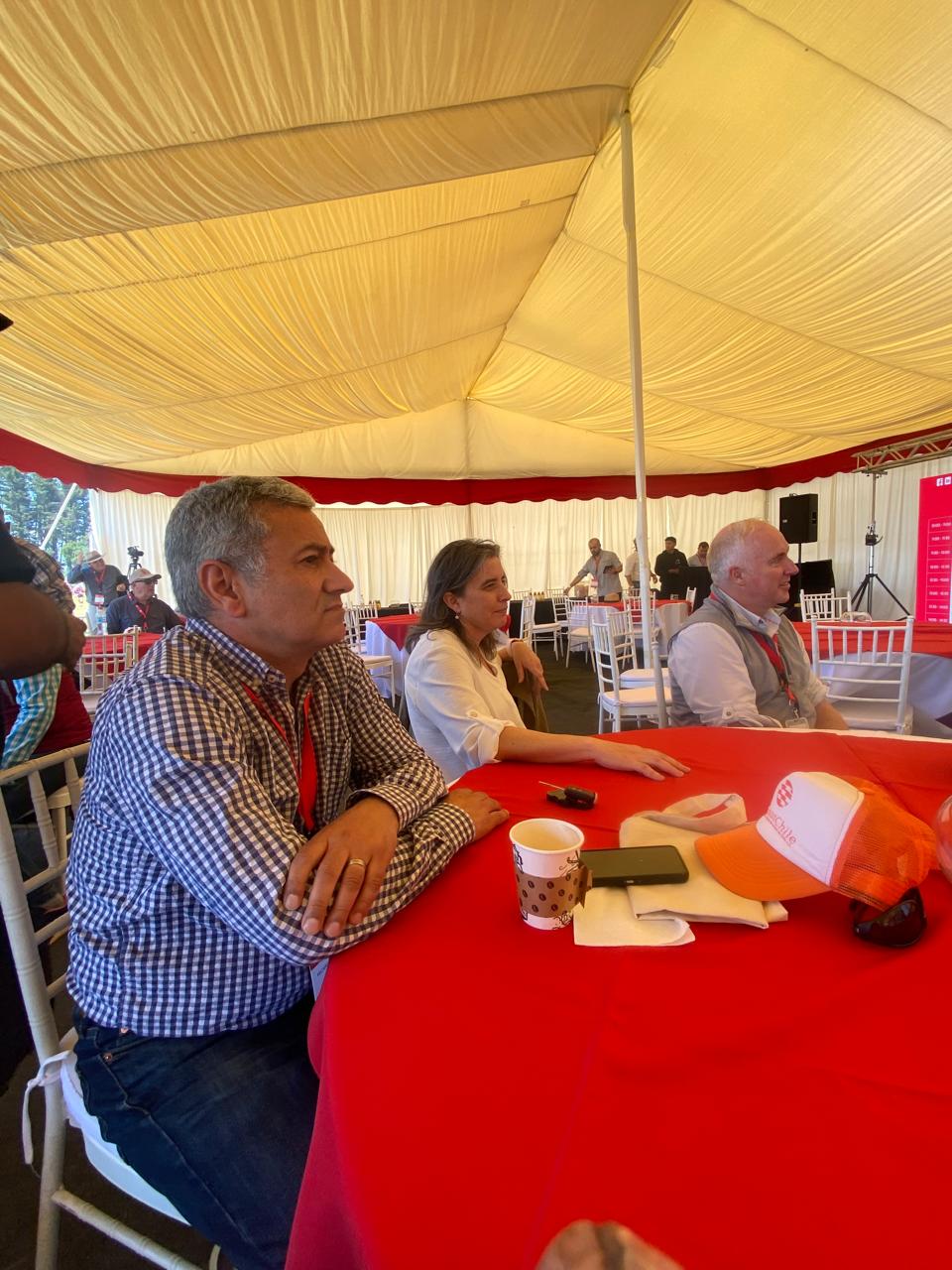
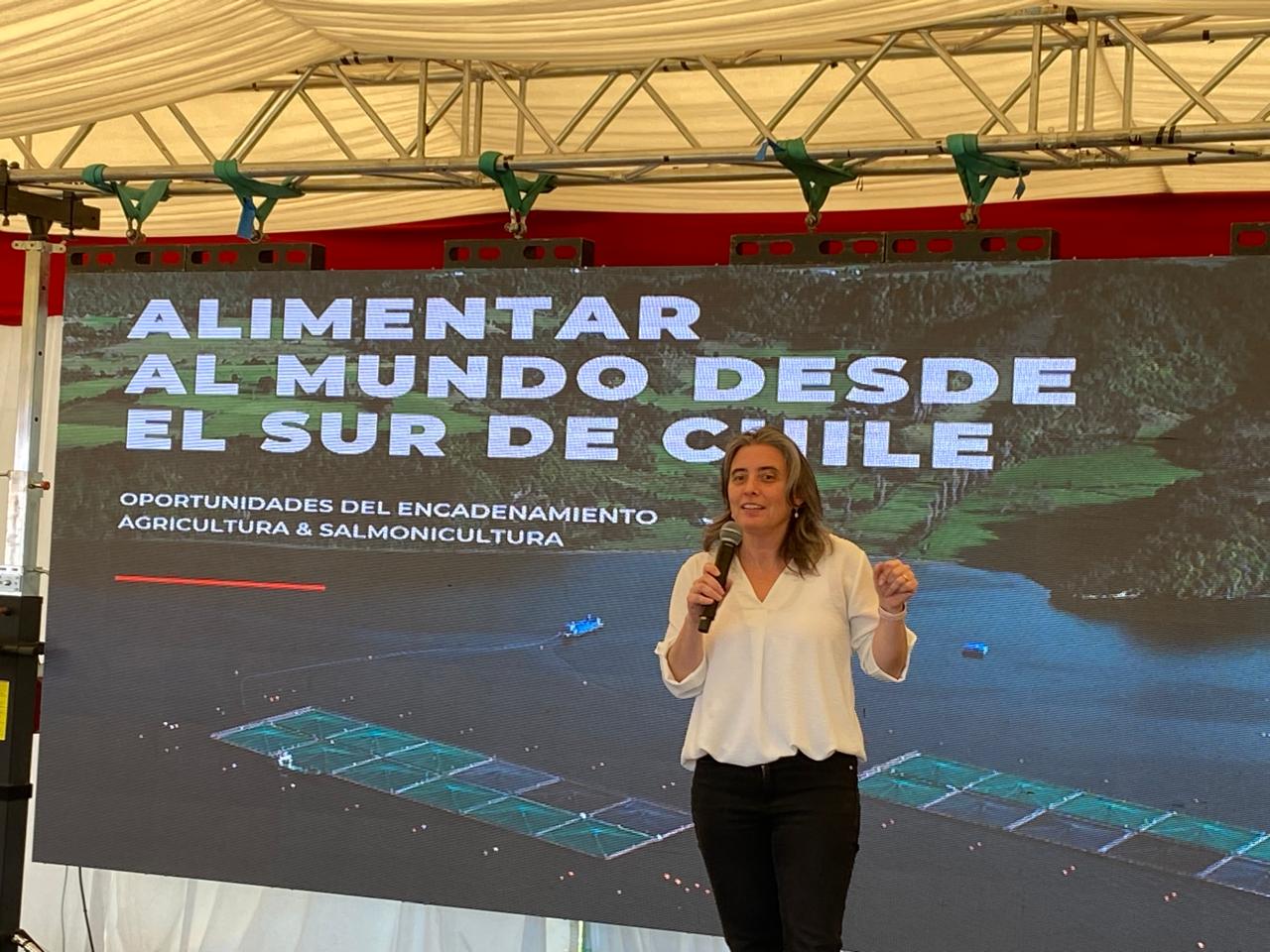
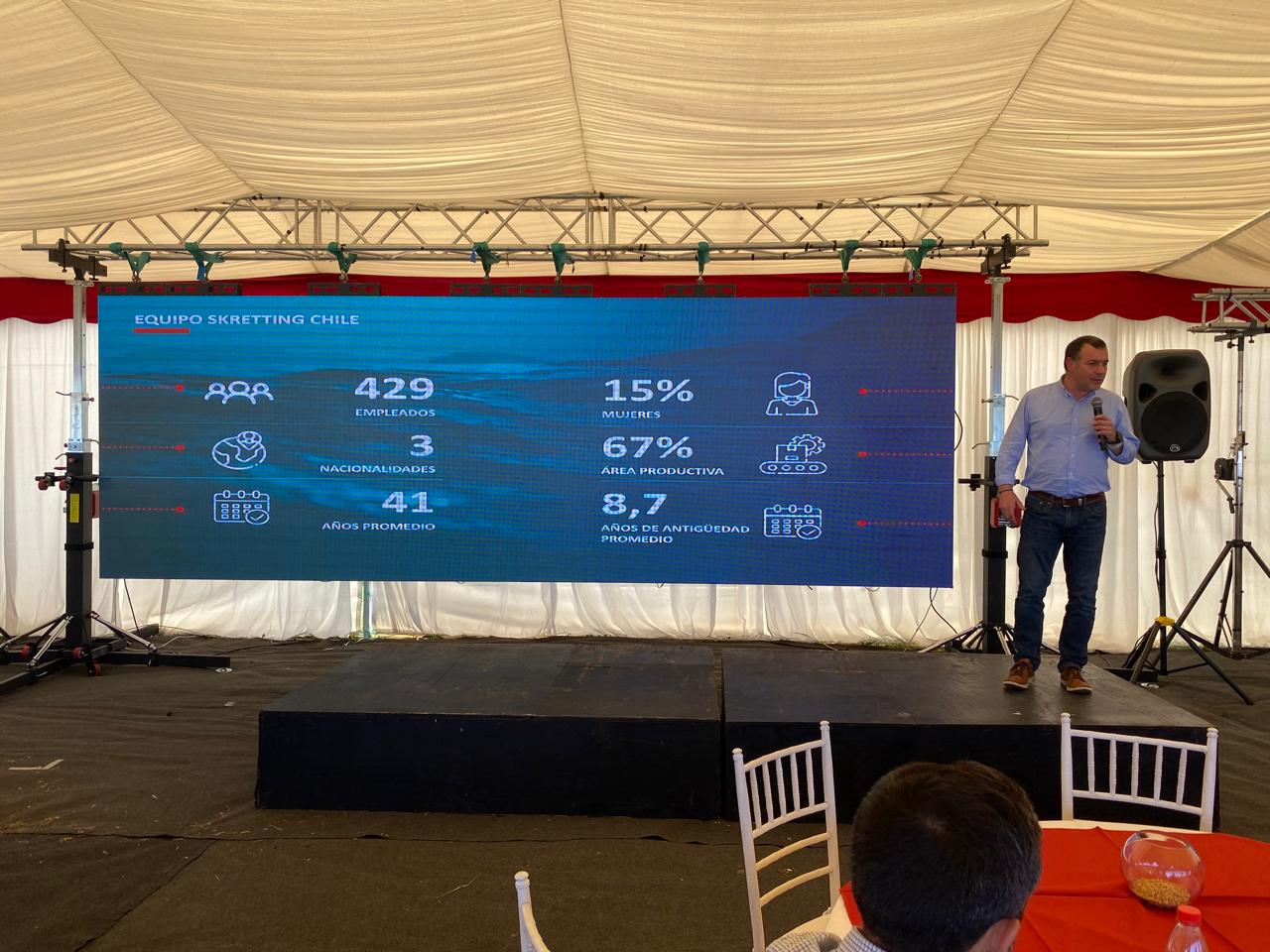
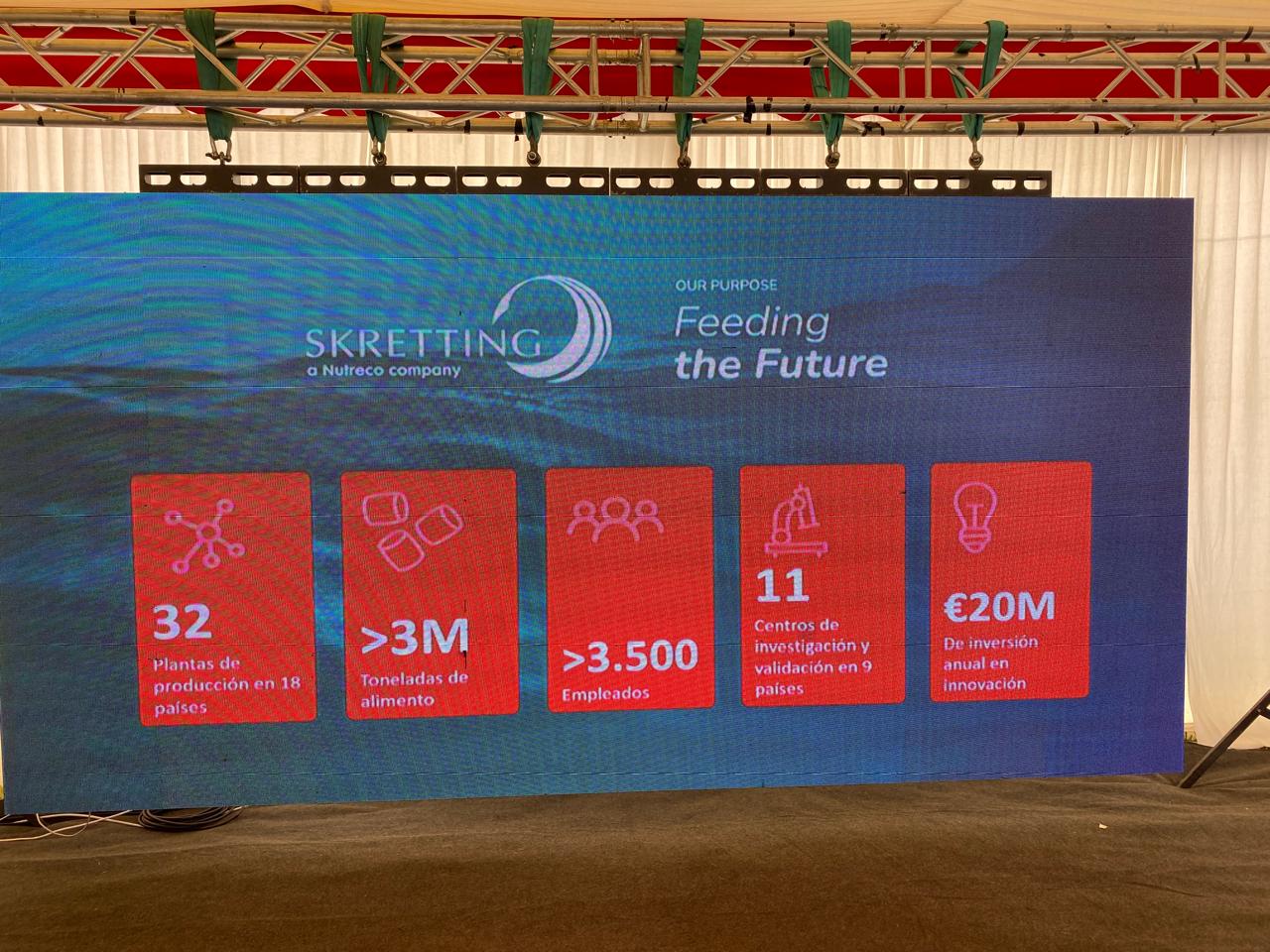
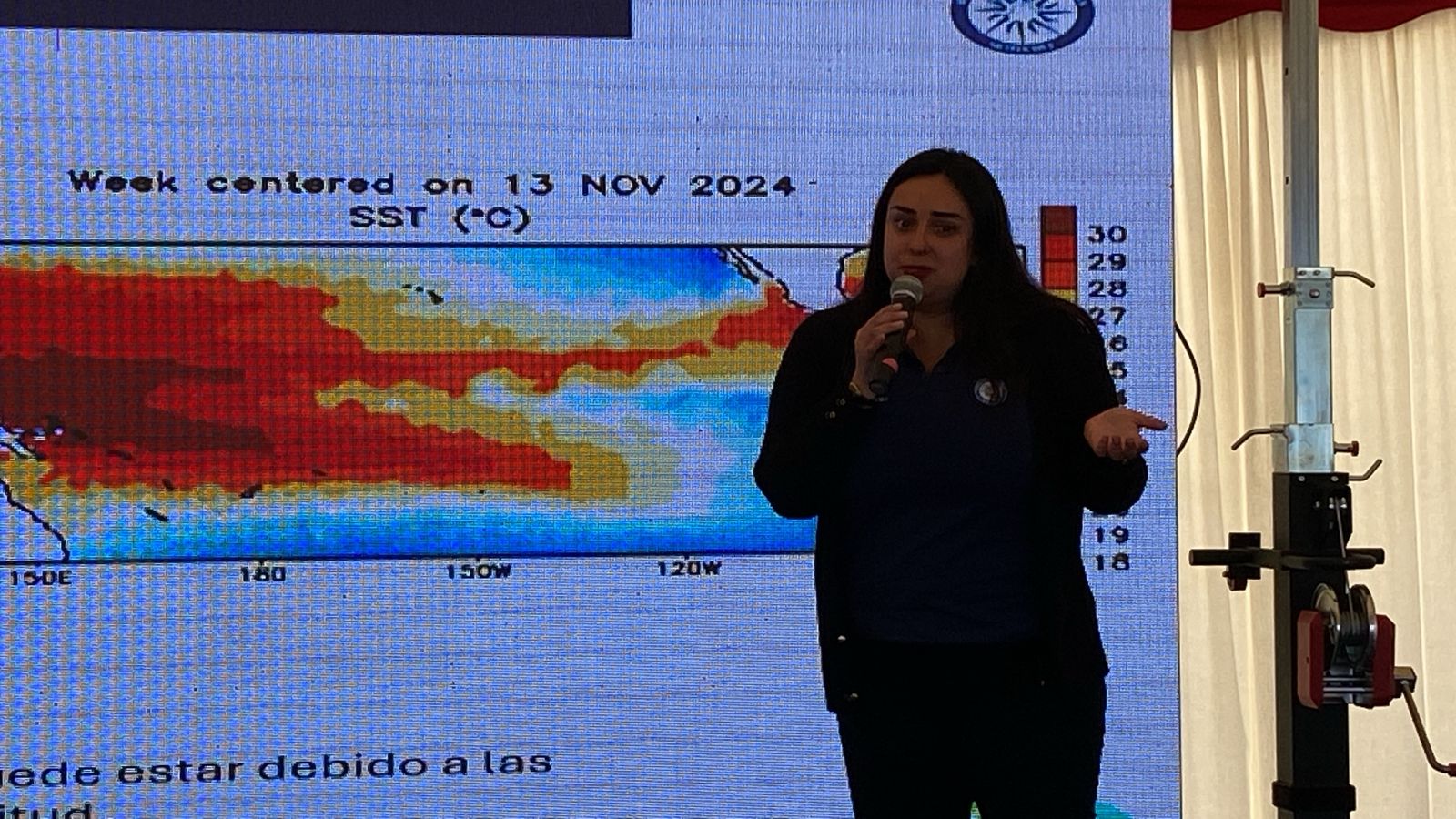
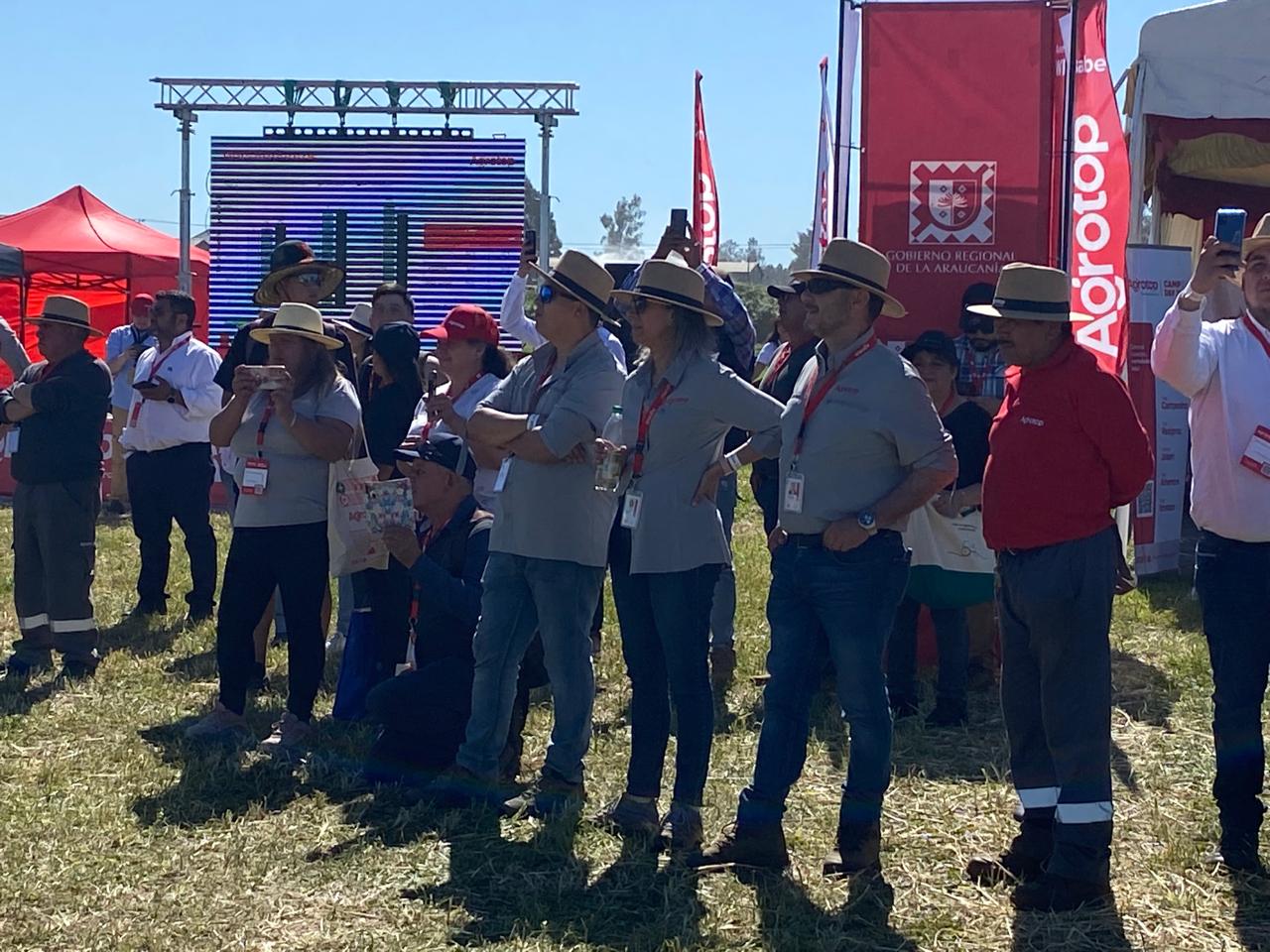
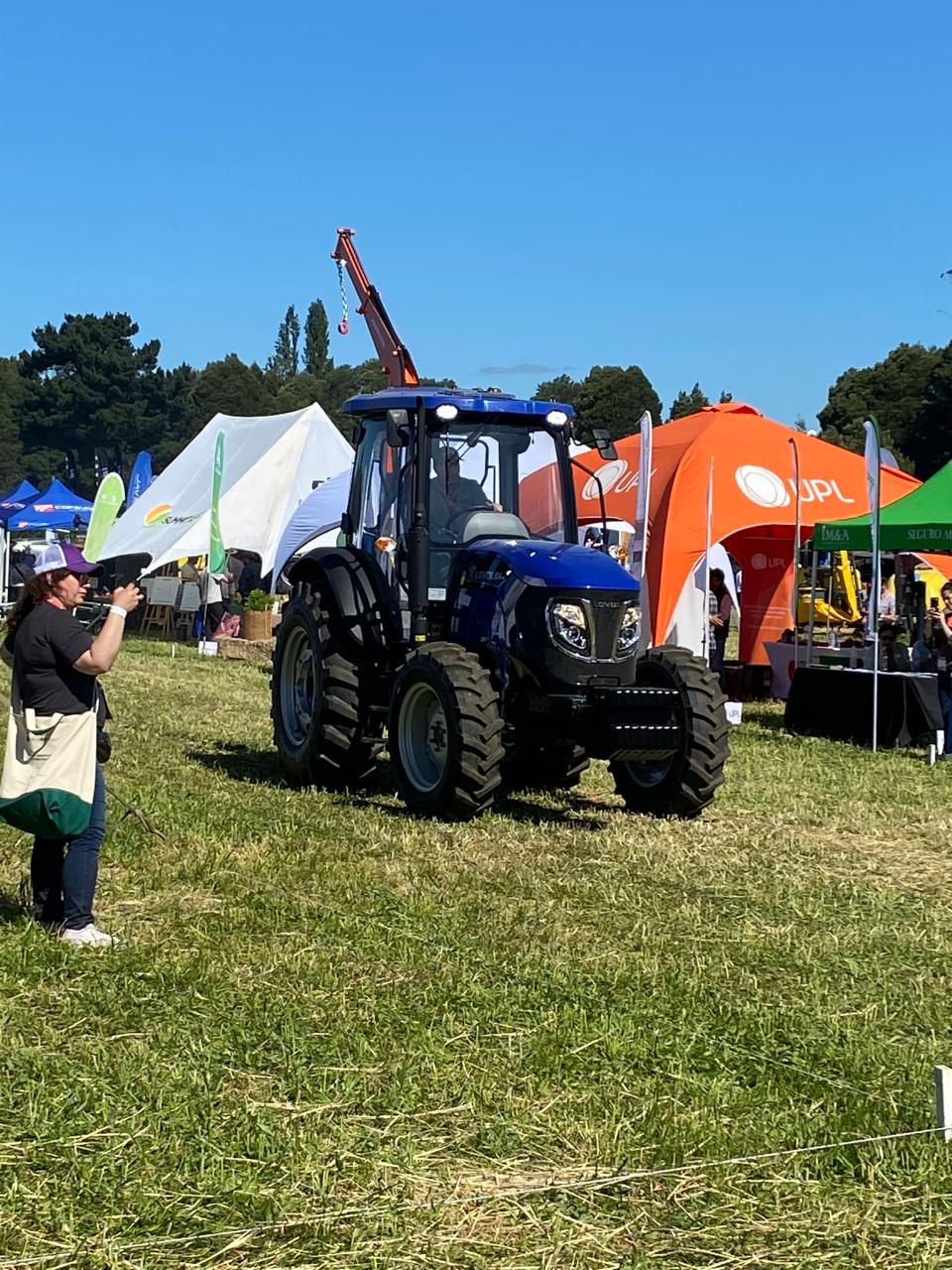
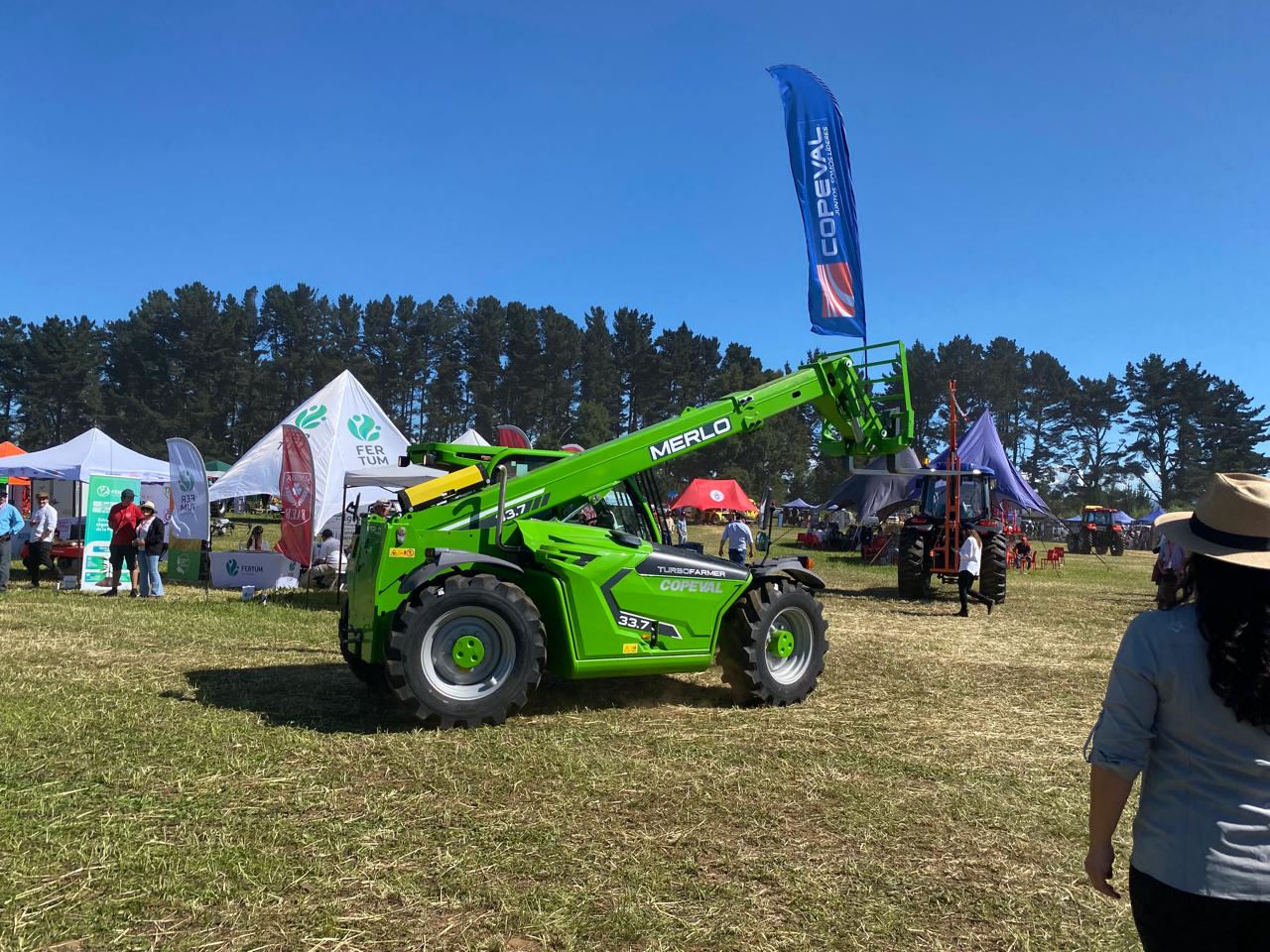

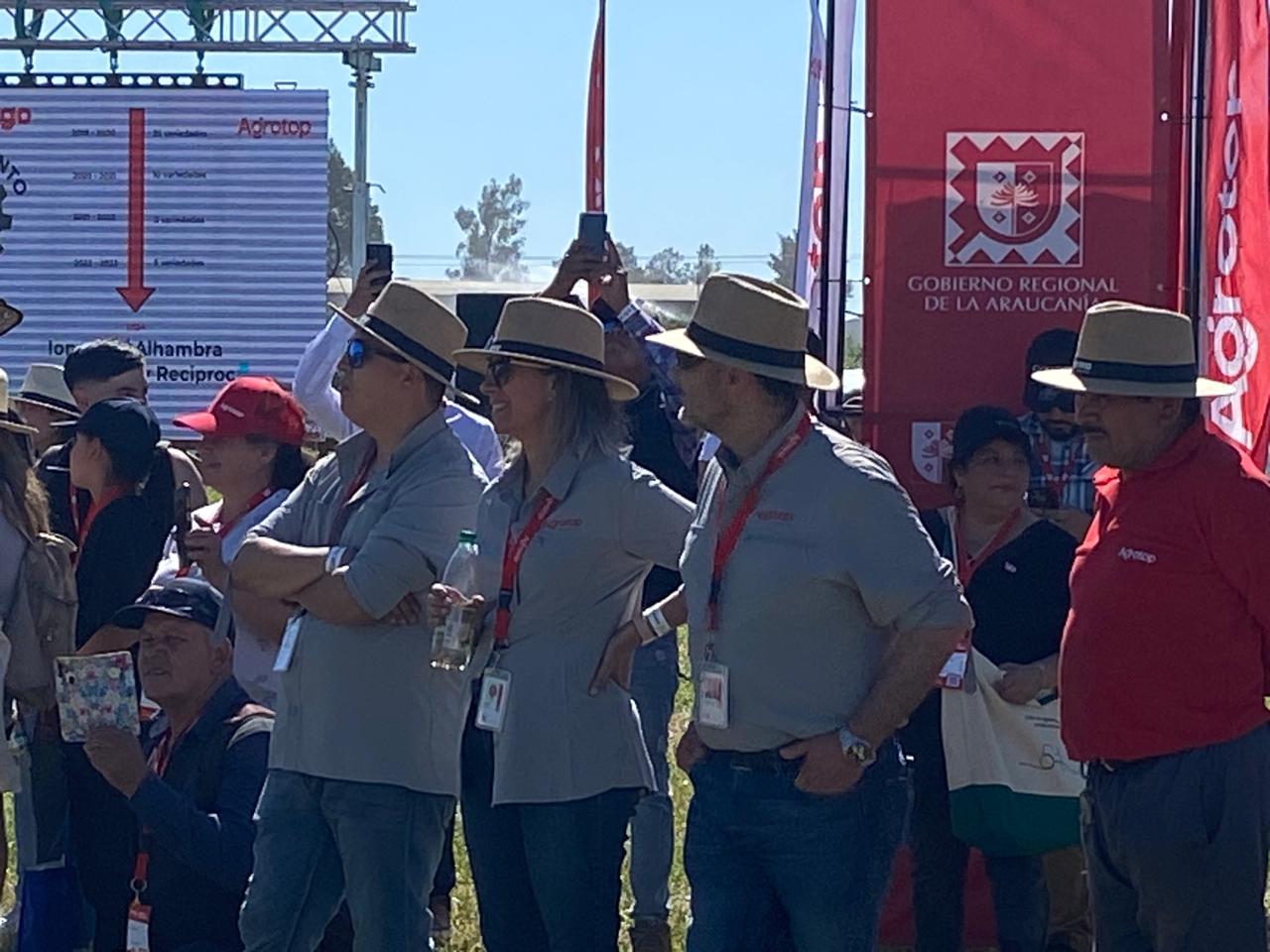

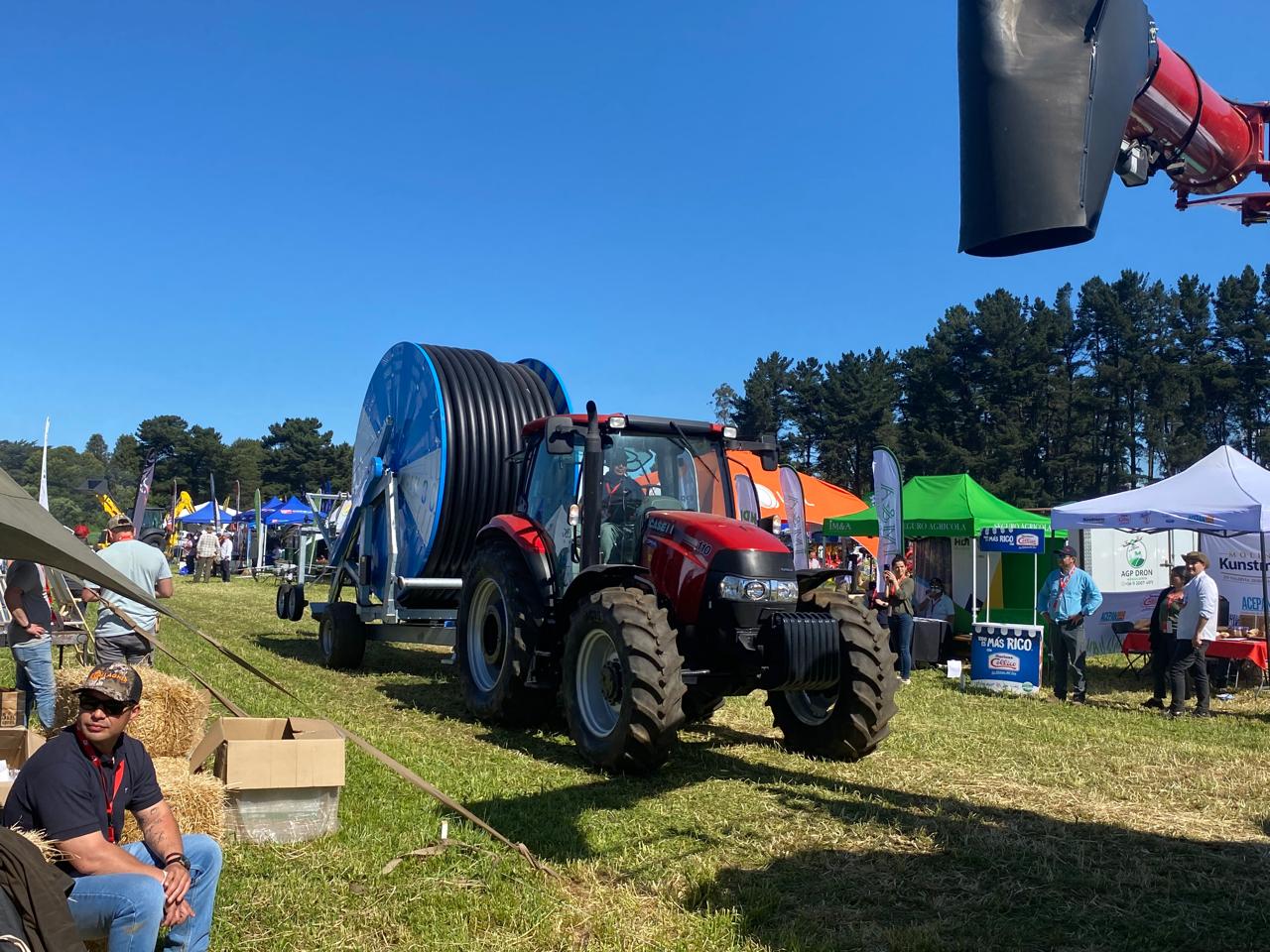
*Photo credits: courtesy of PTEC-INVA.