PTECAO has generated technologies to be able to operate in areas with ocean conditions and to anticipate a challenge that seemed to be from the future.
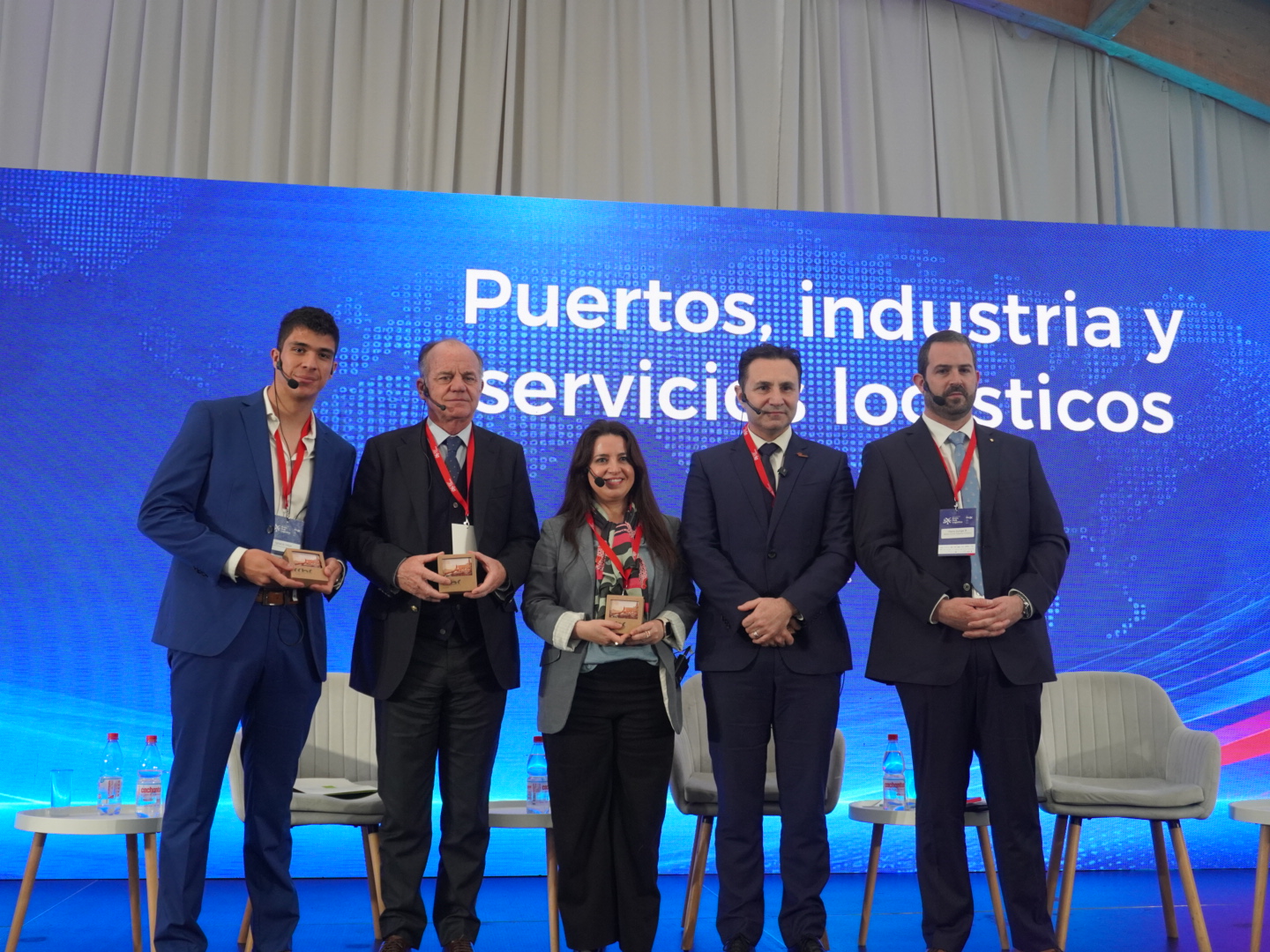
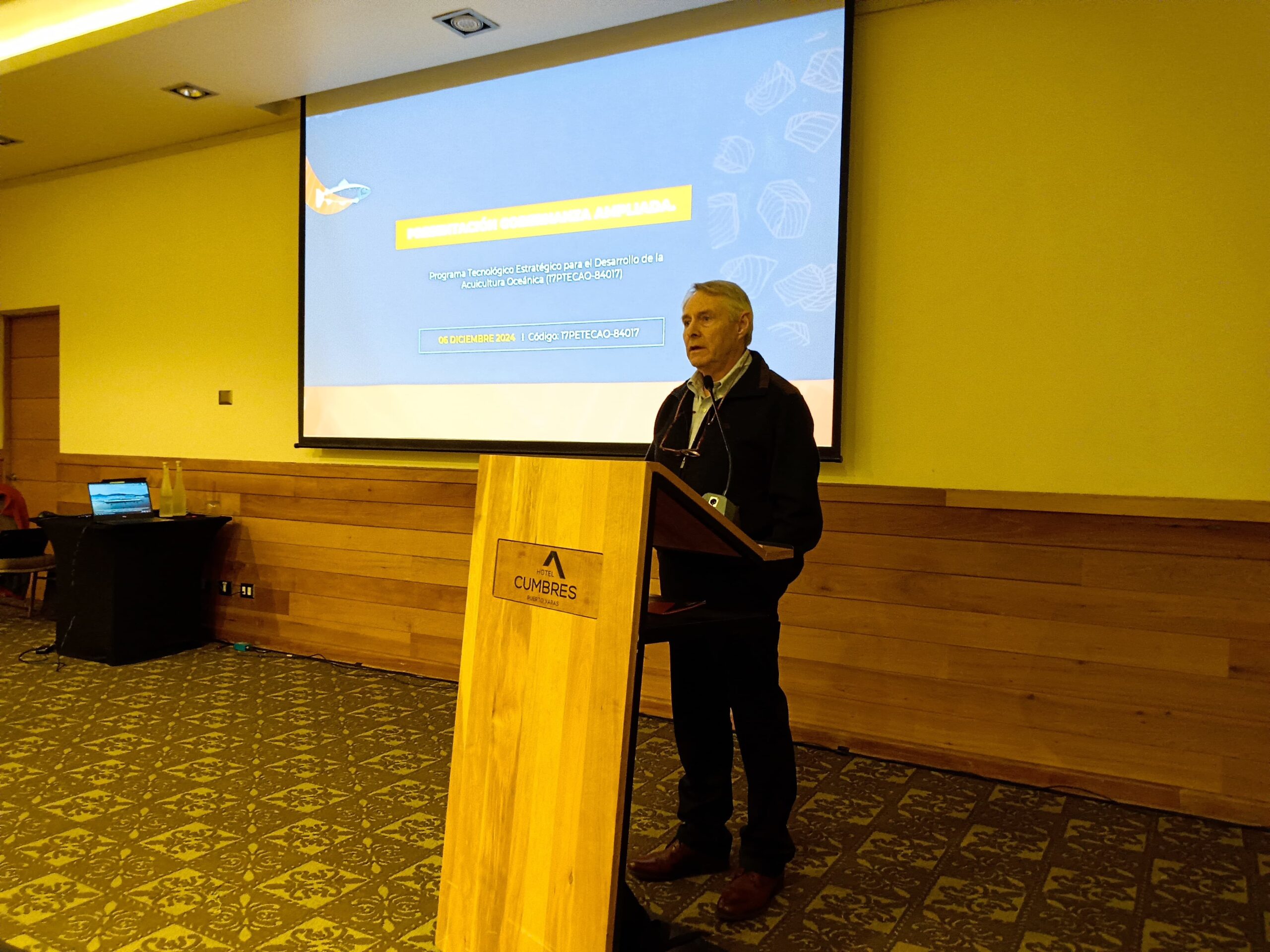
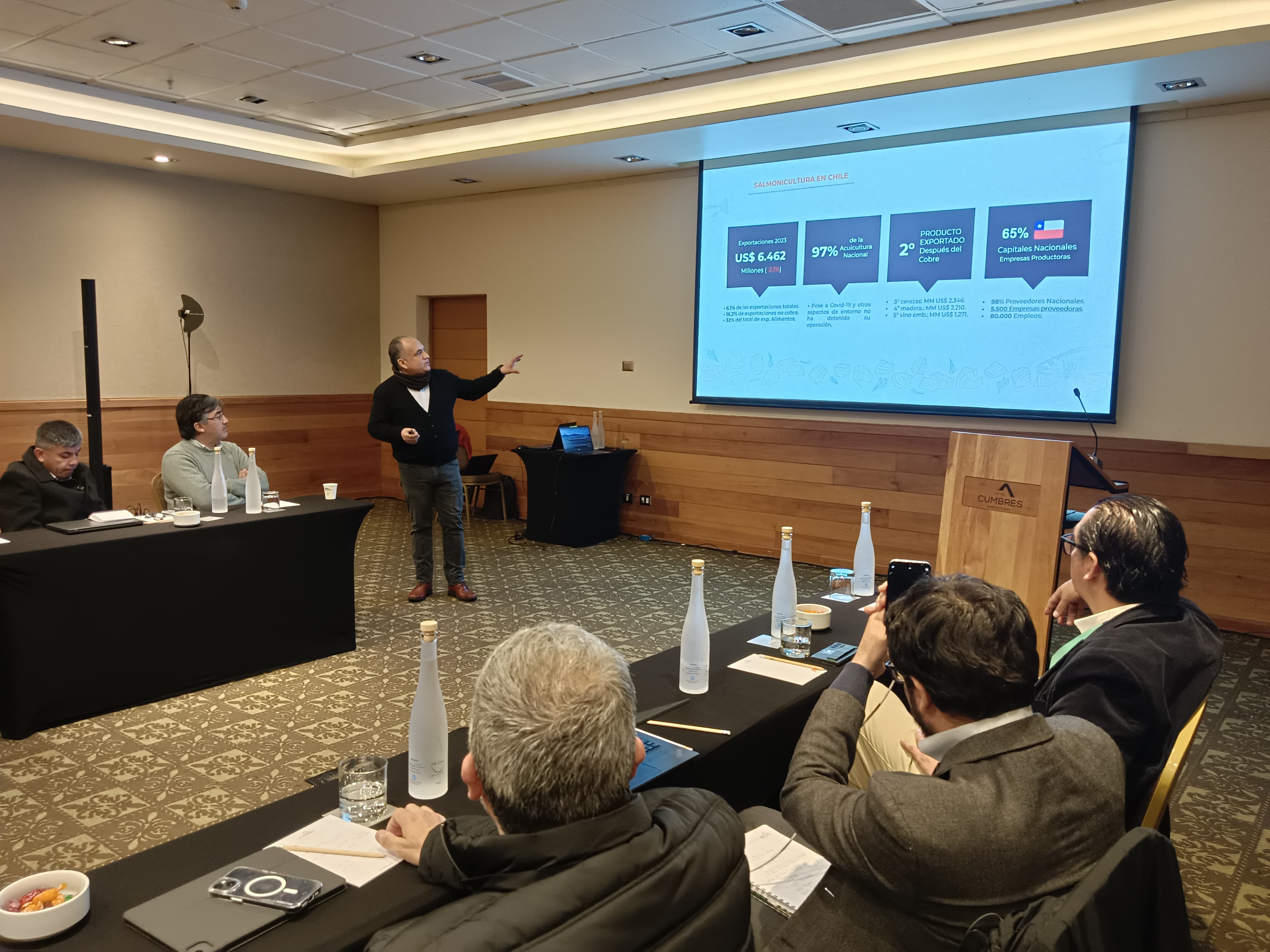
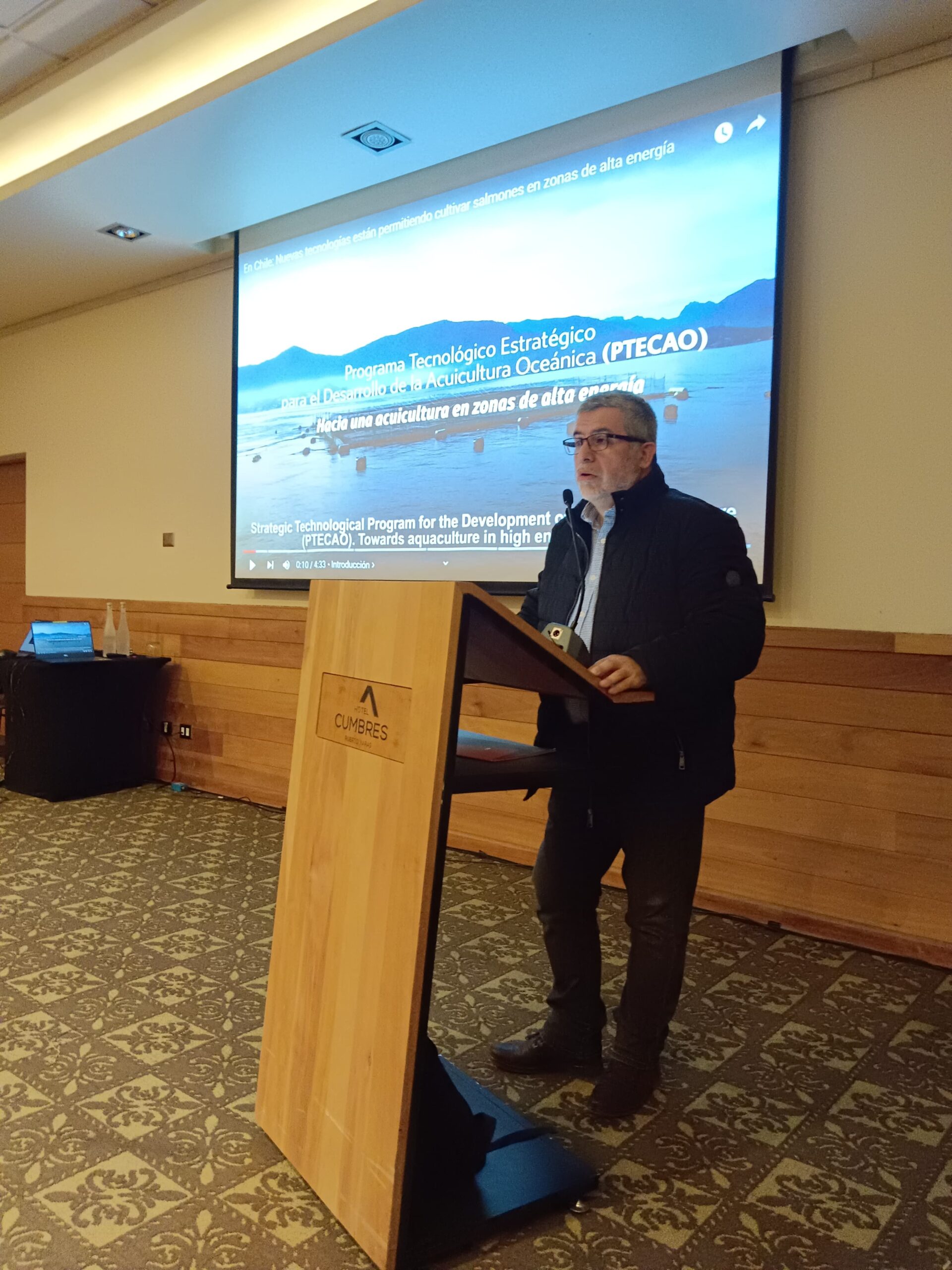
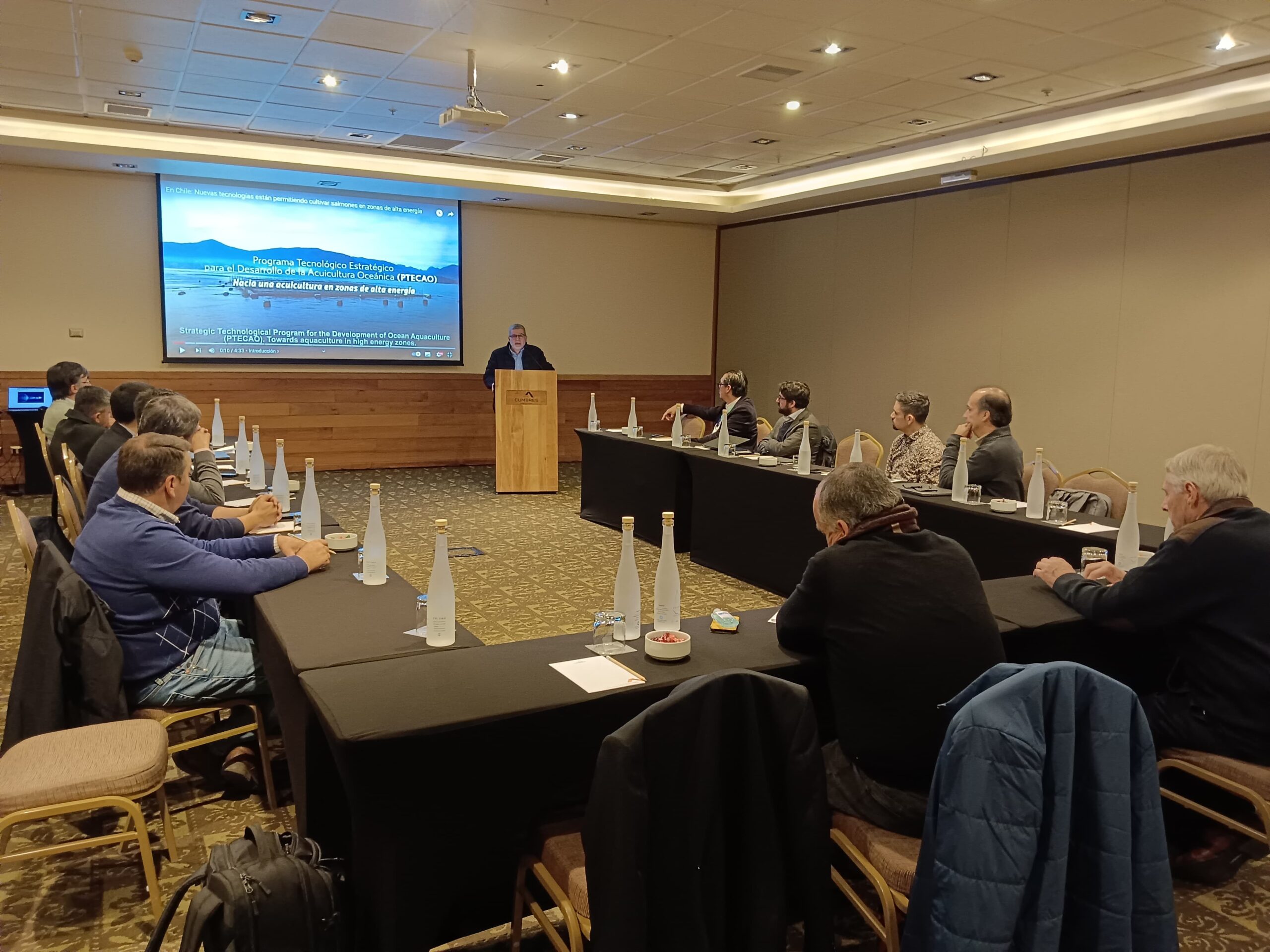
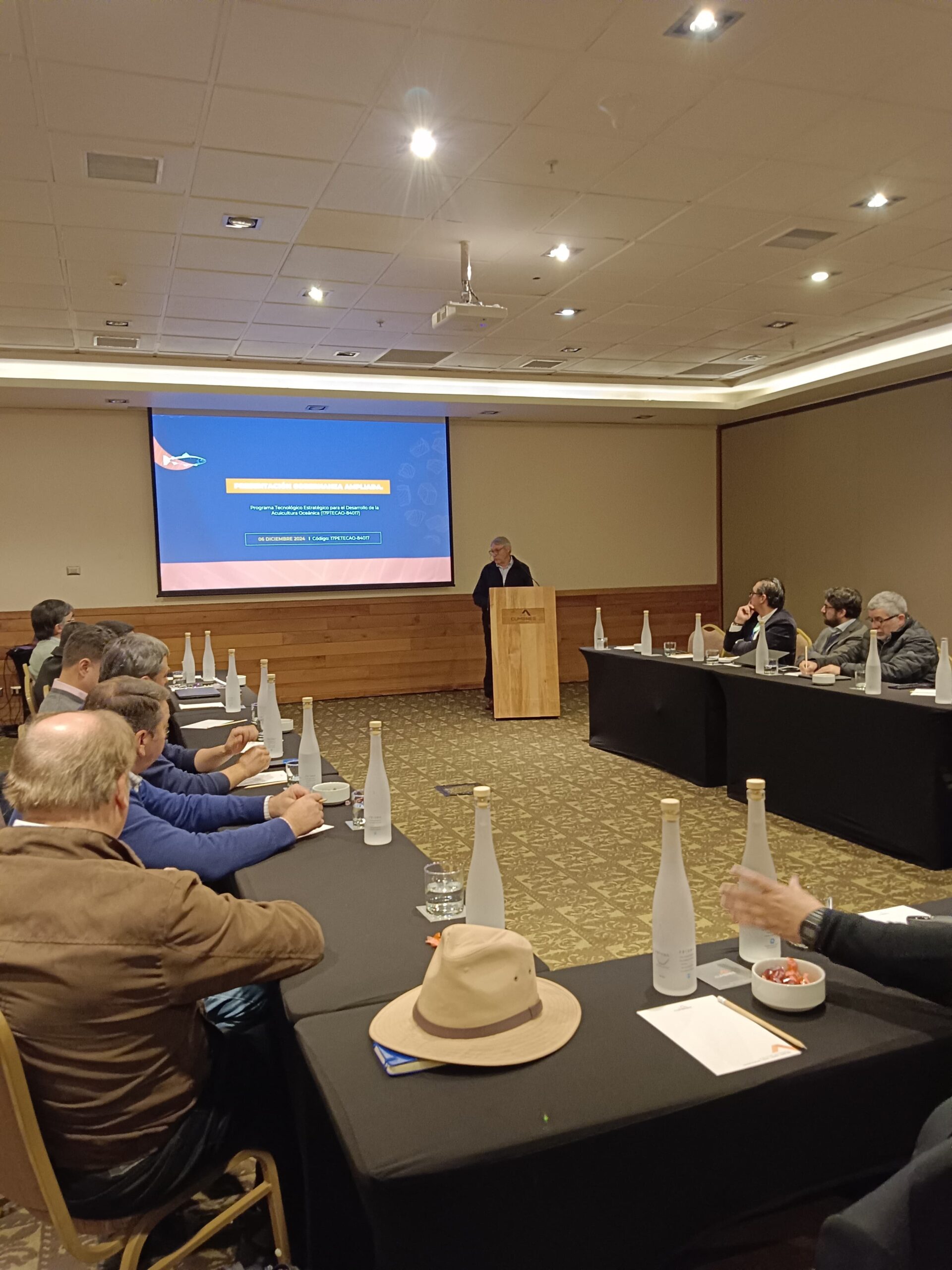
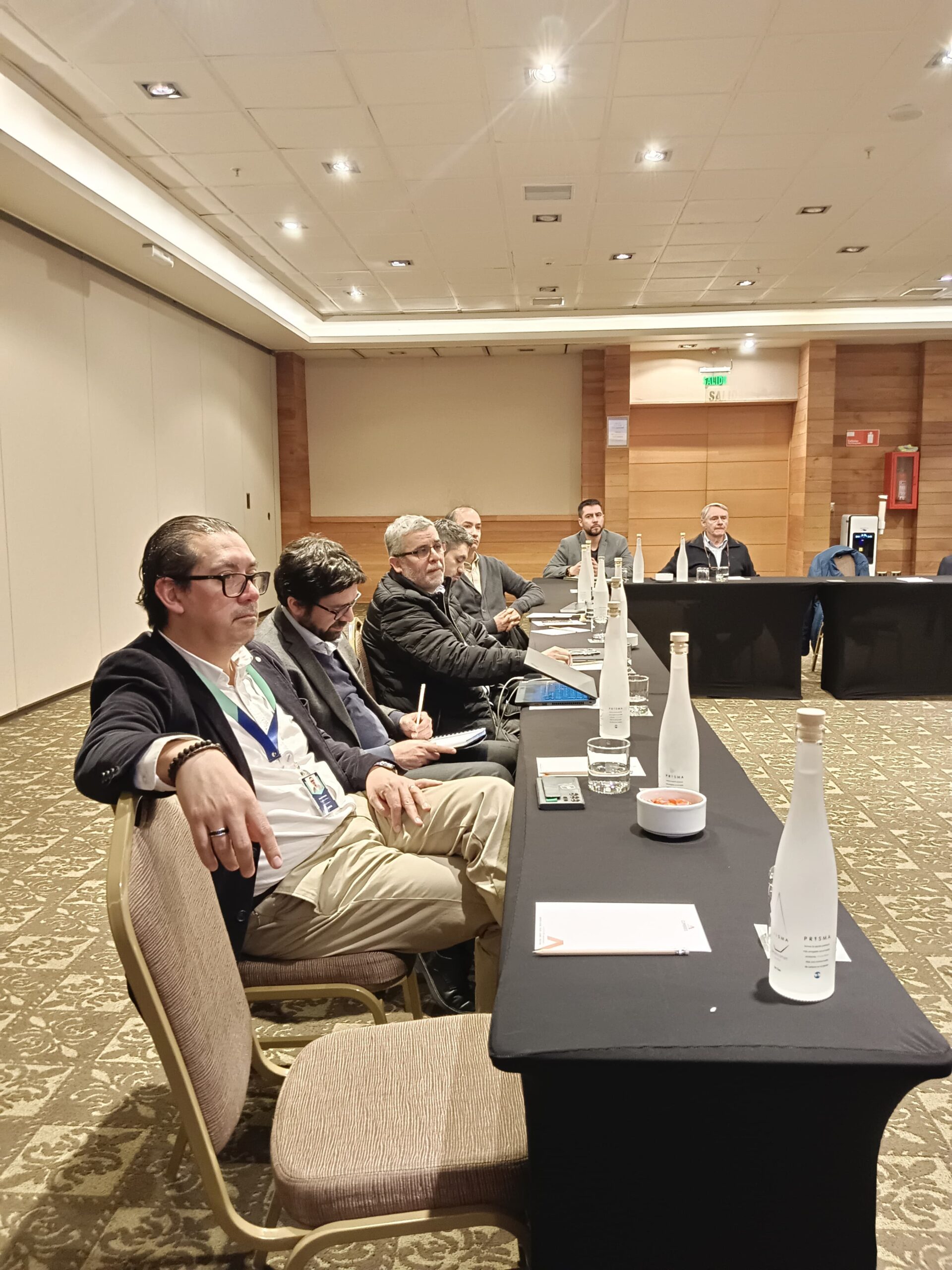
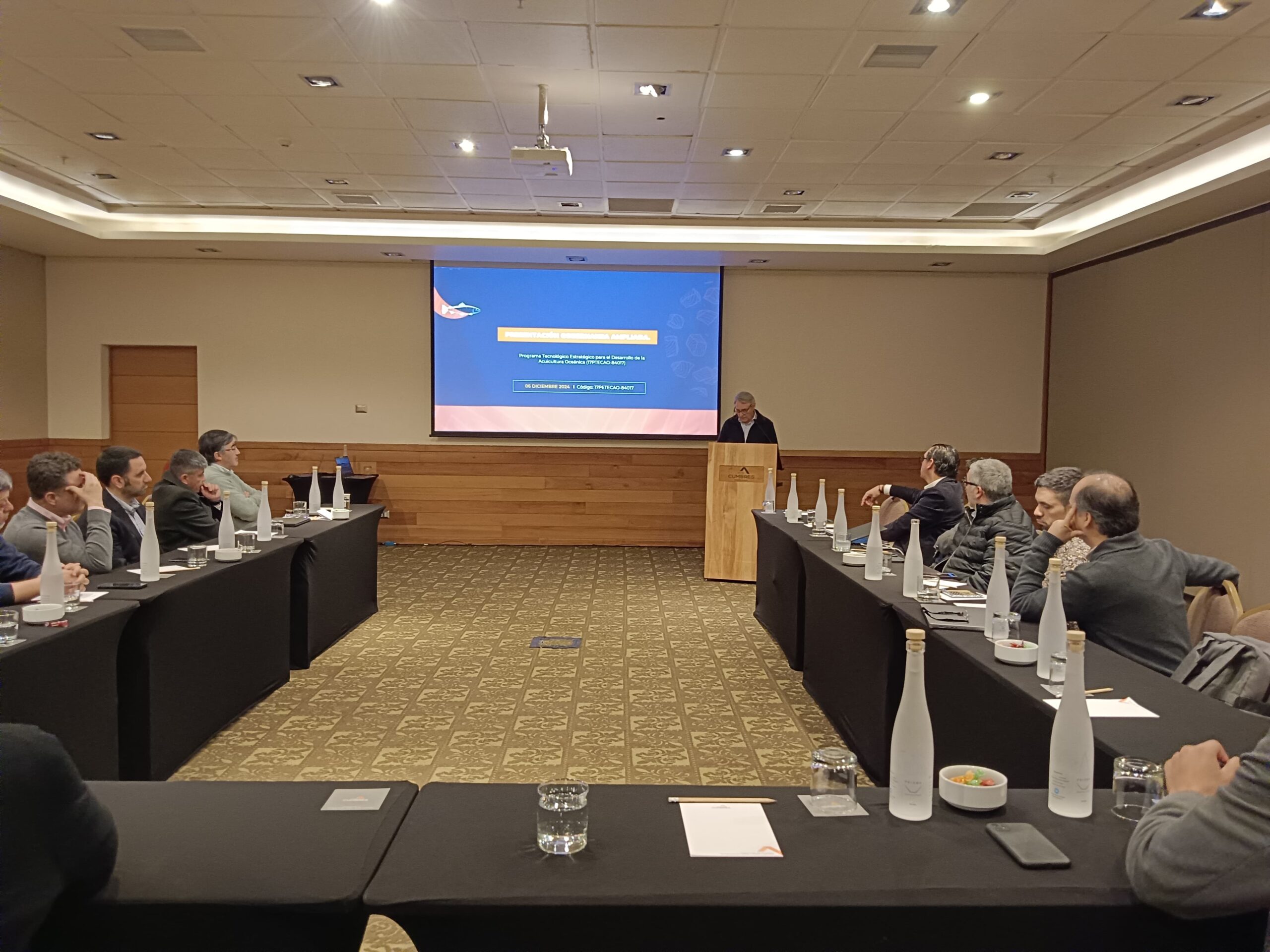
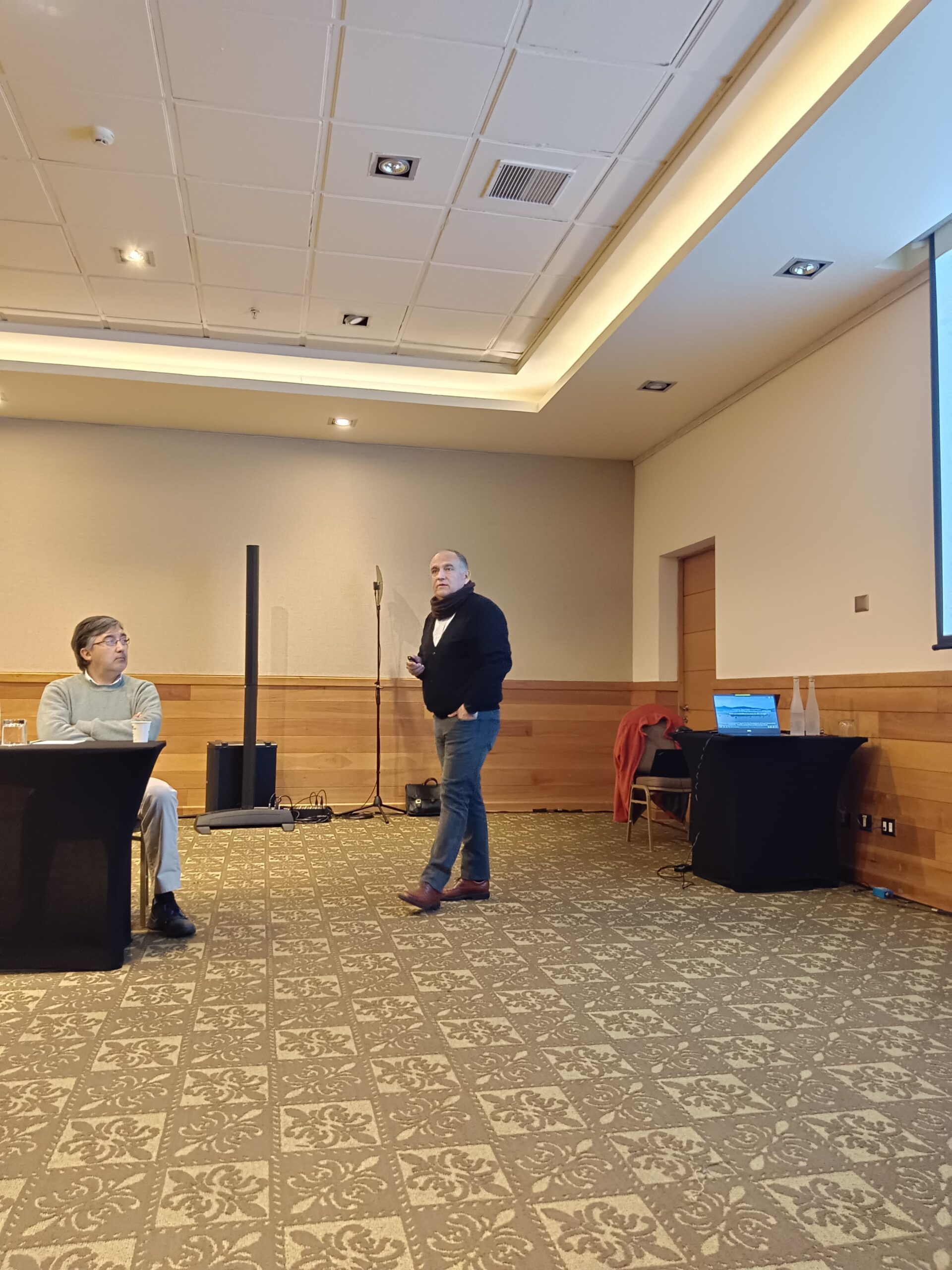
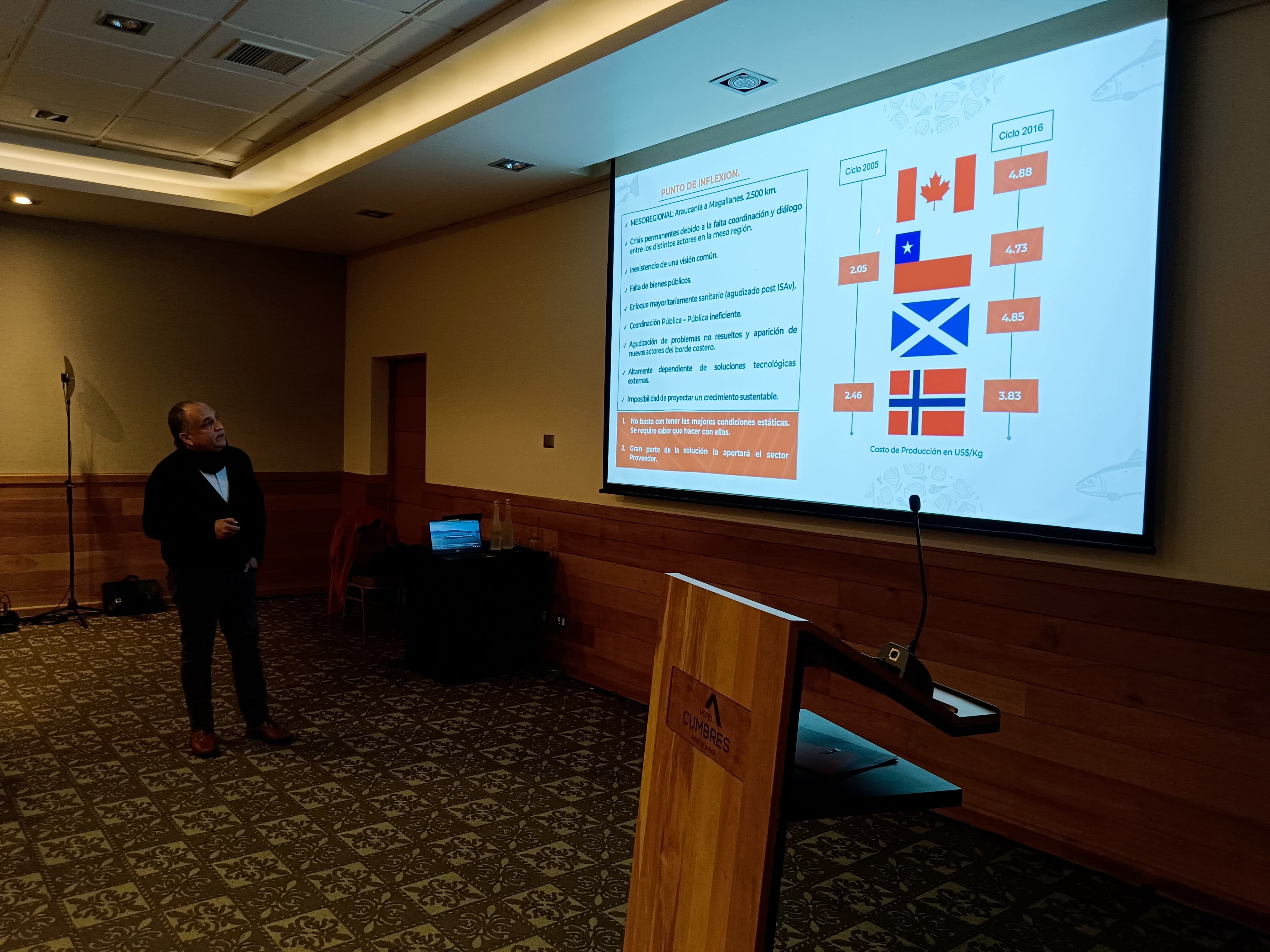
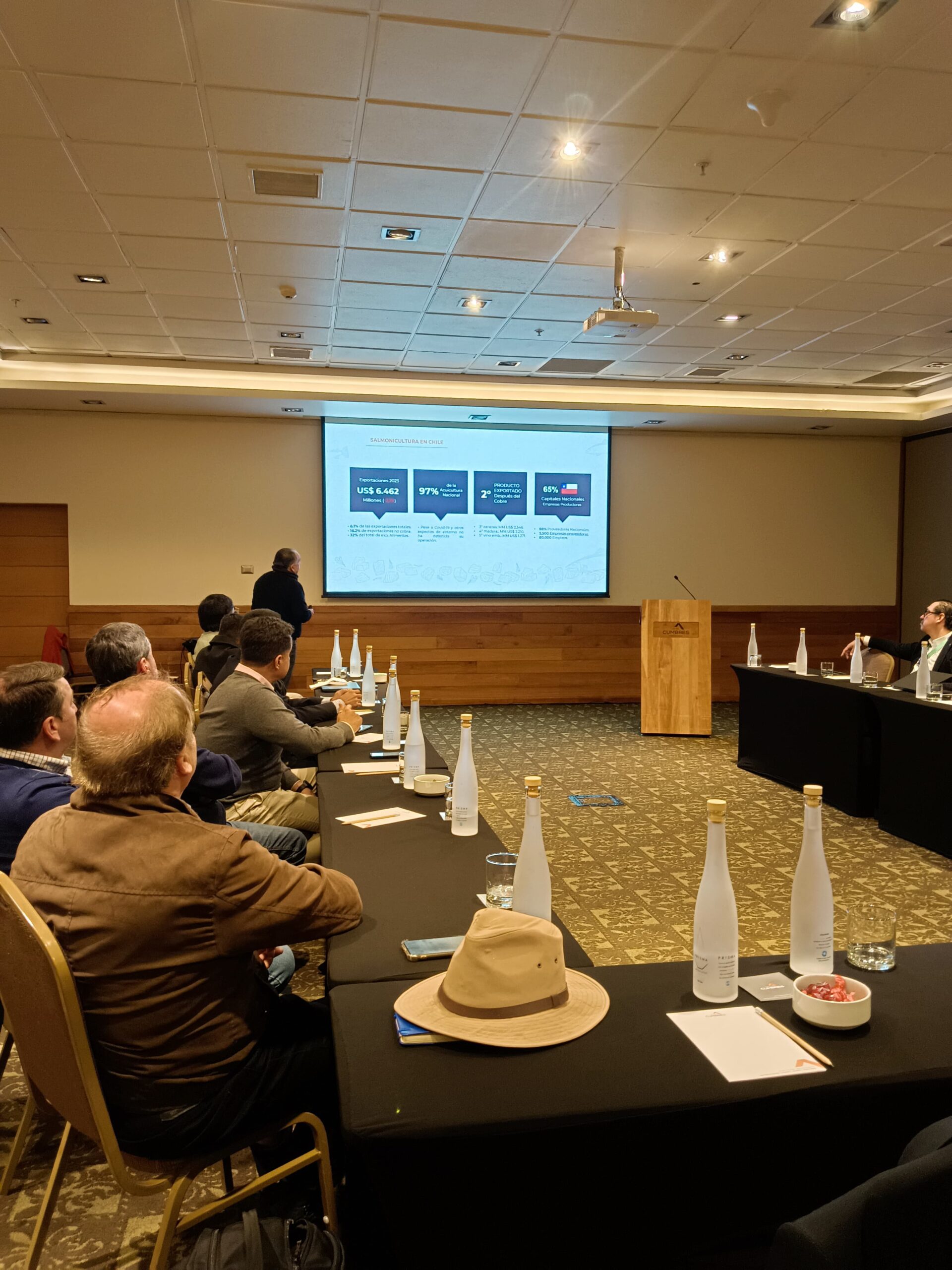
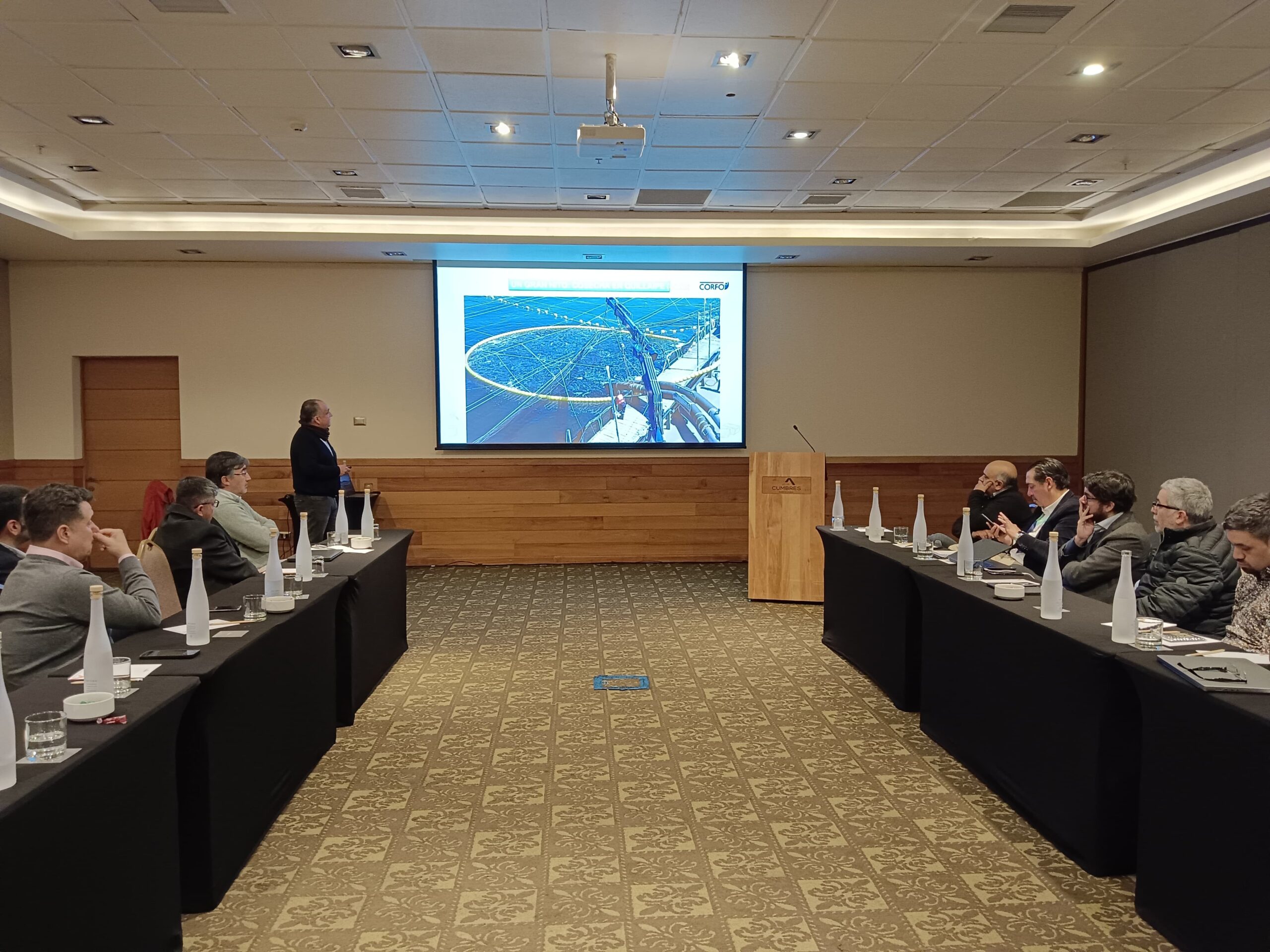
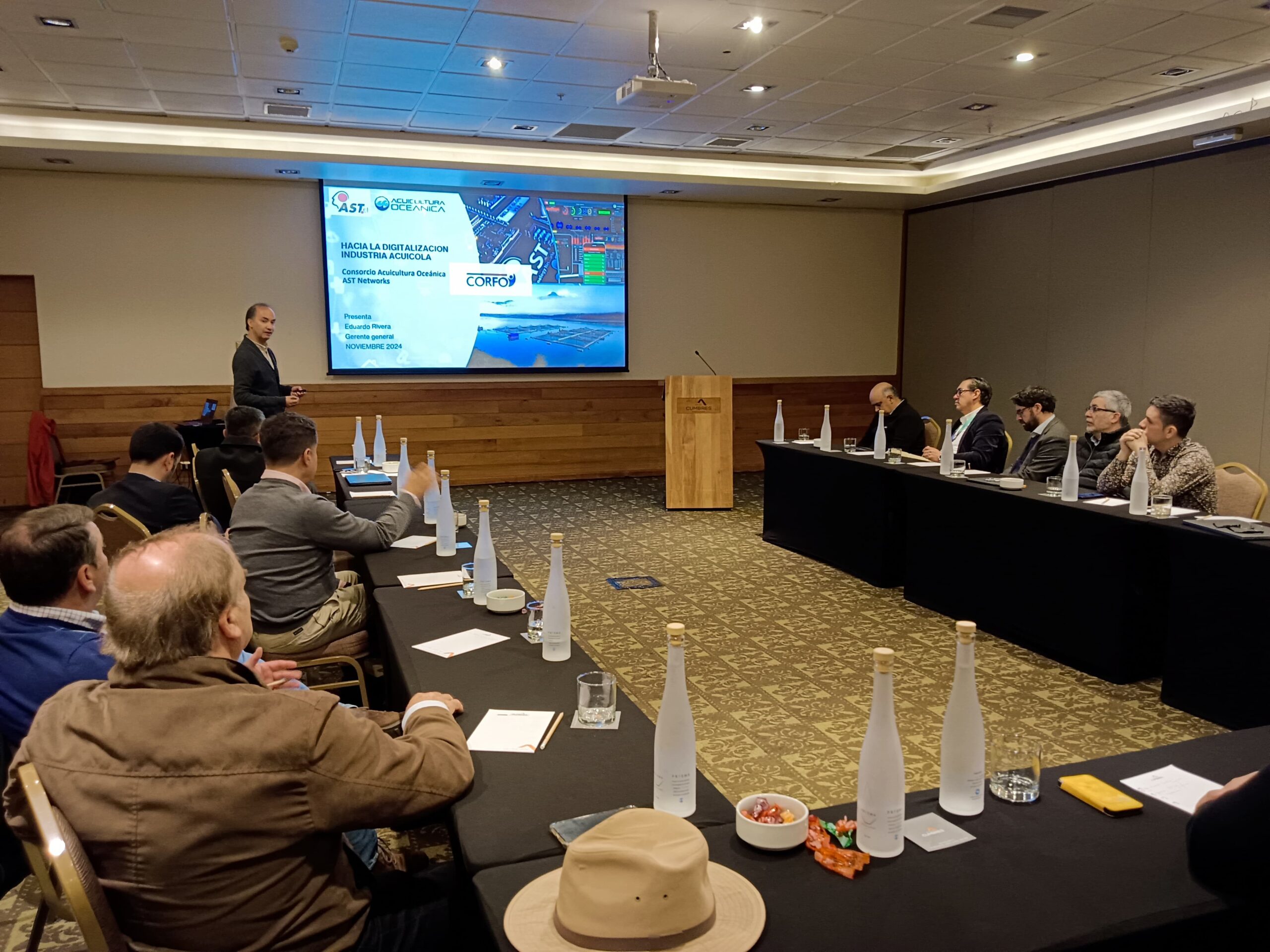
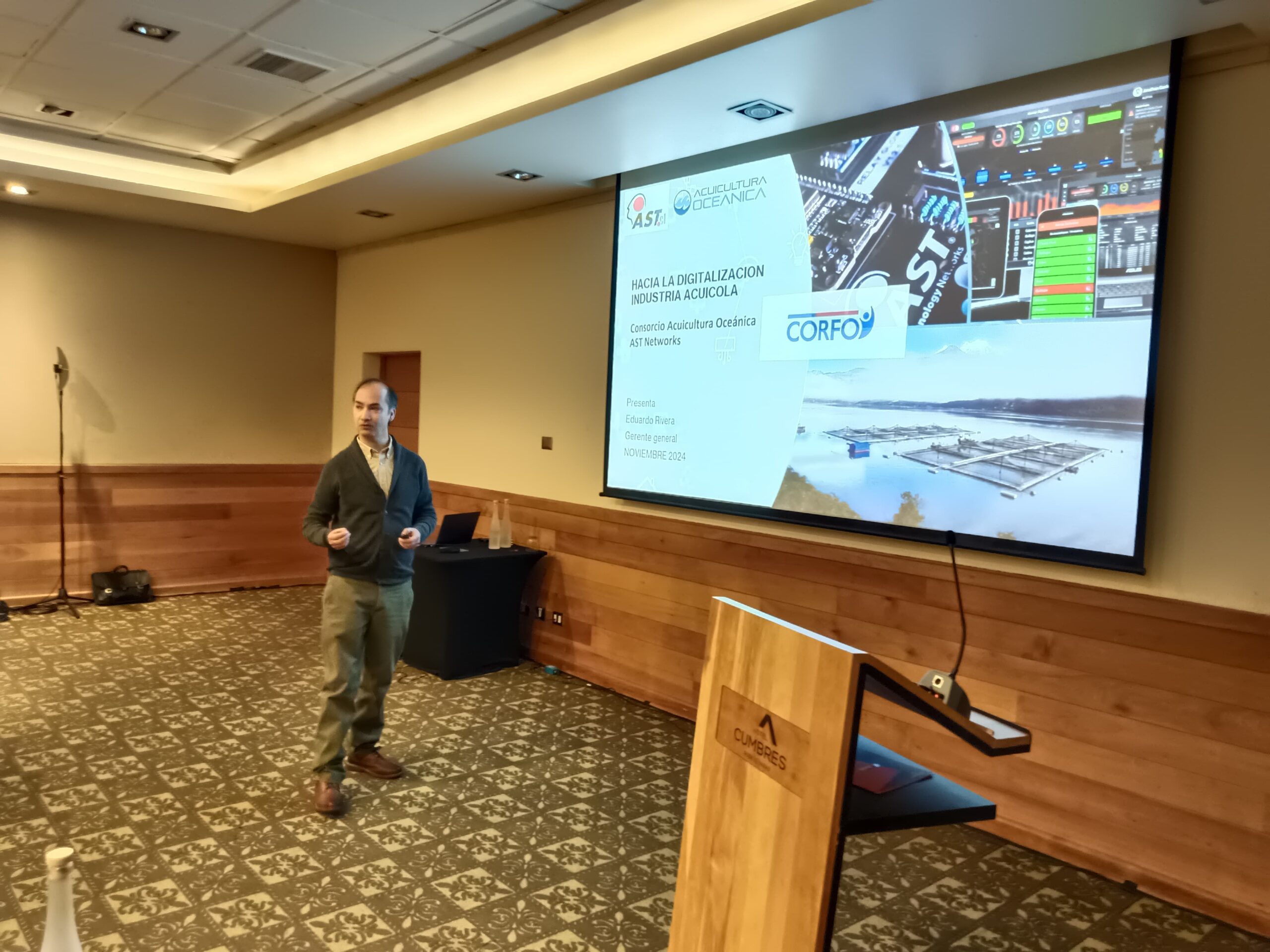
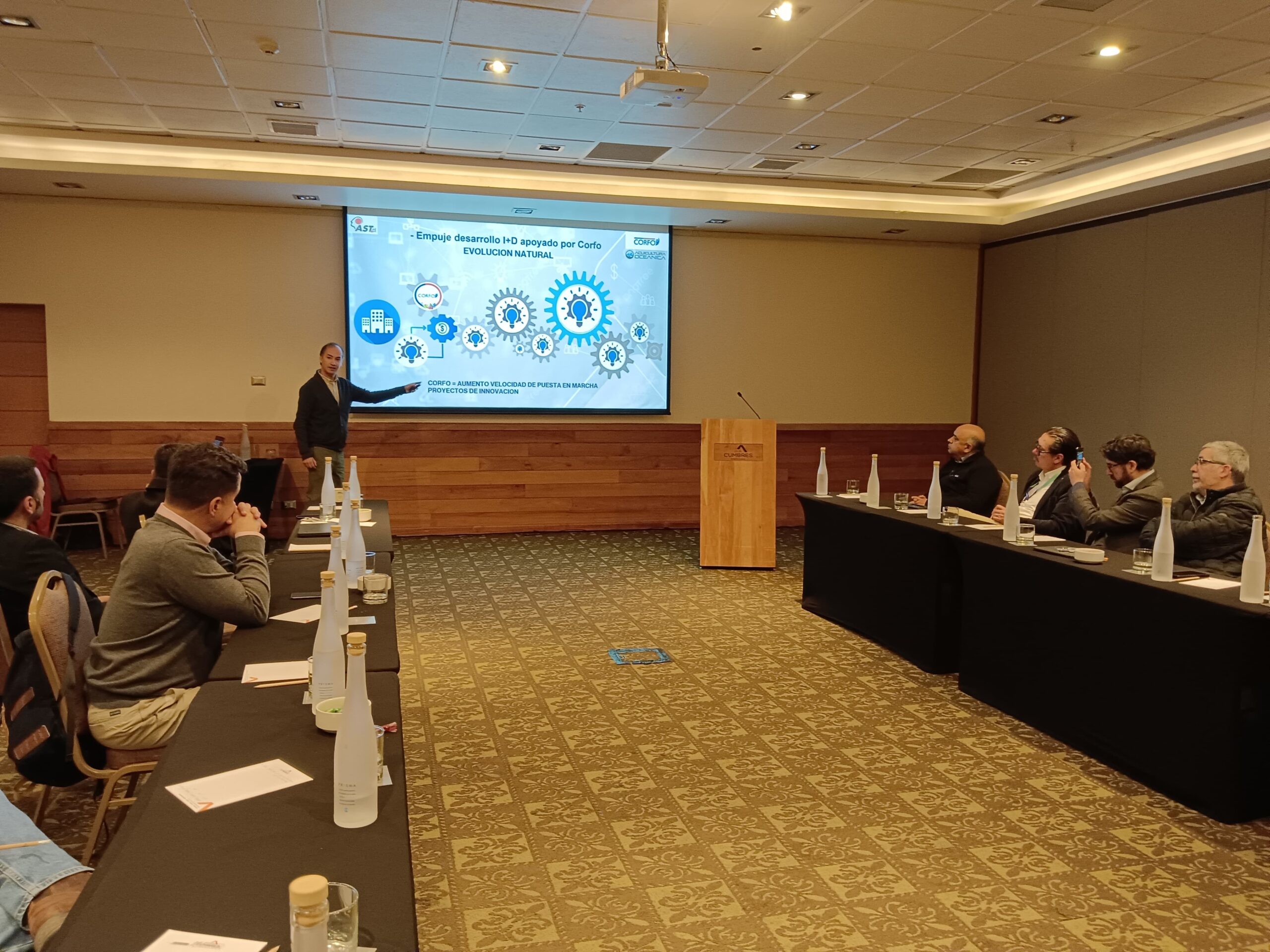
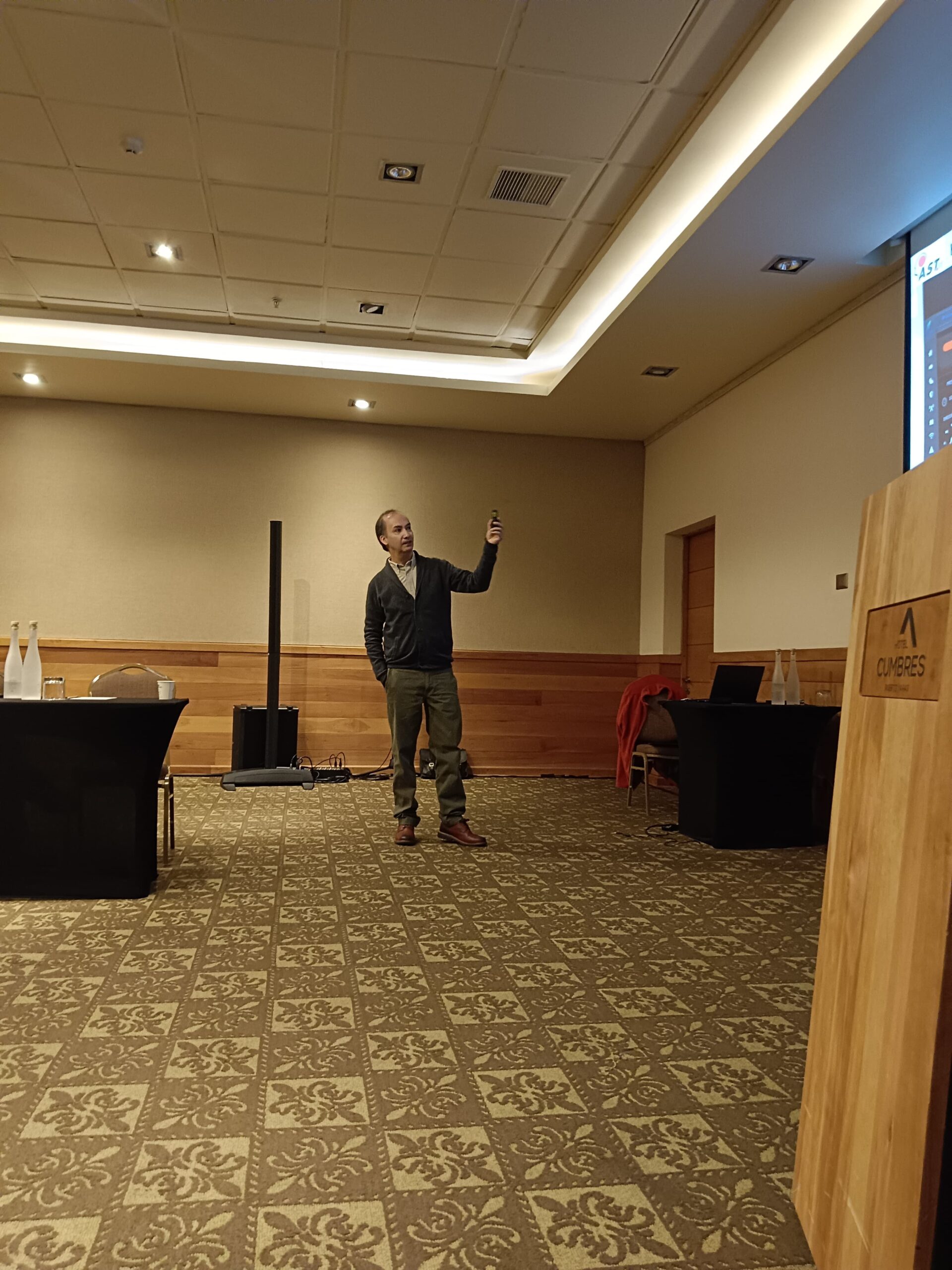
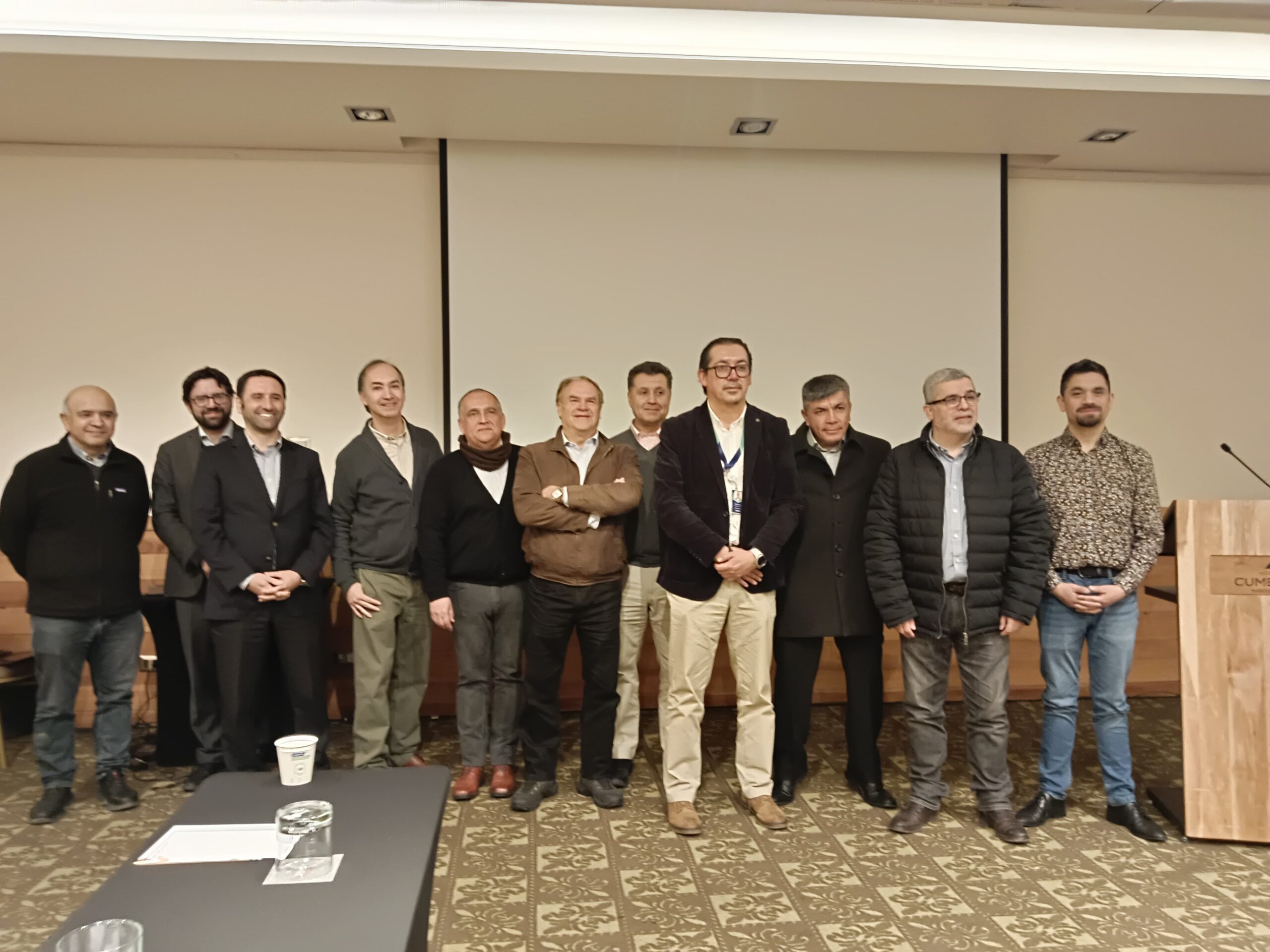
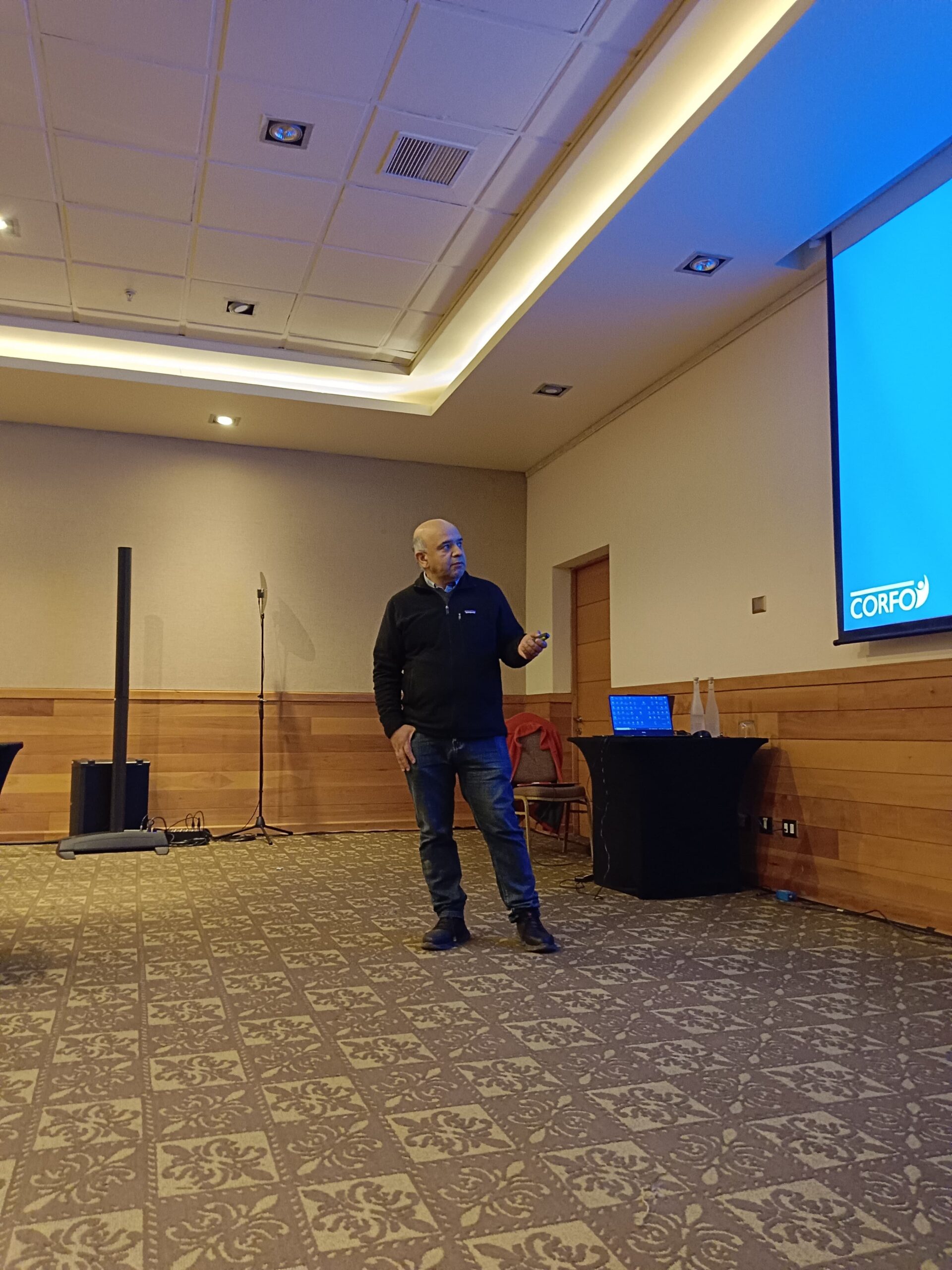
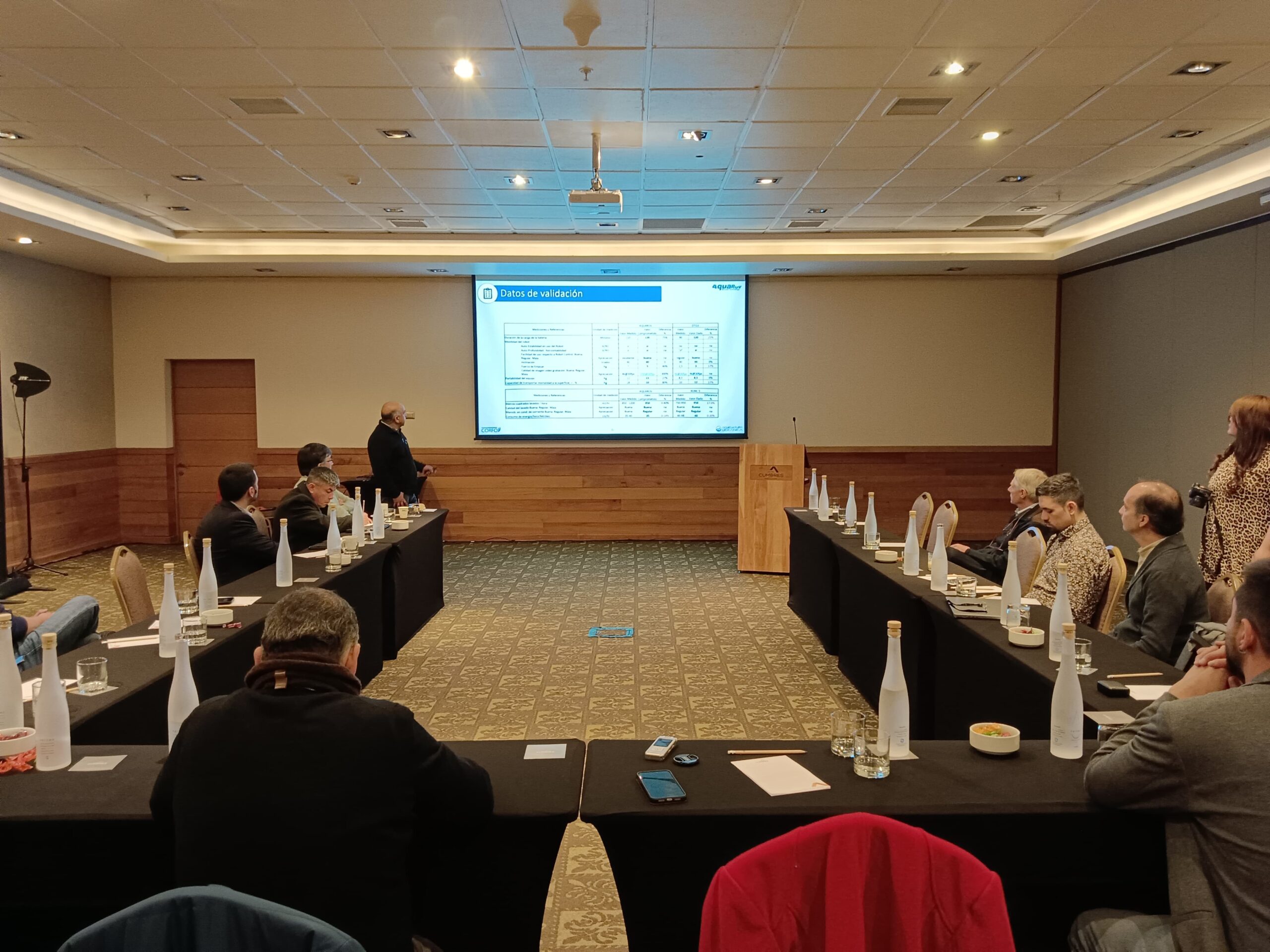
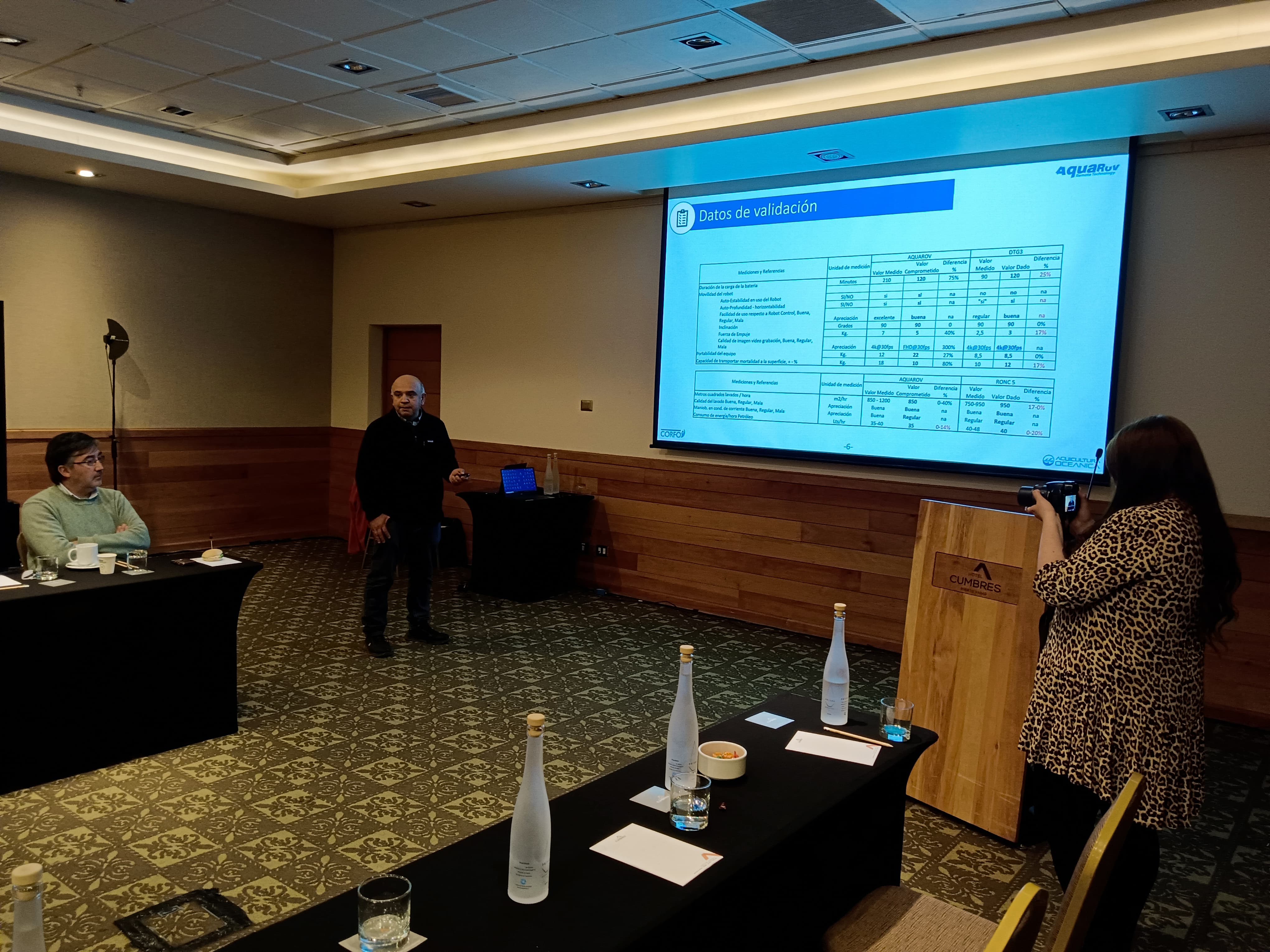
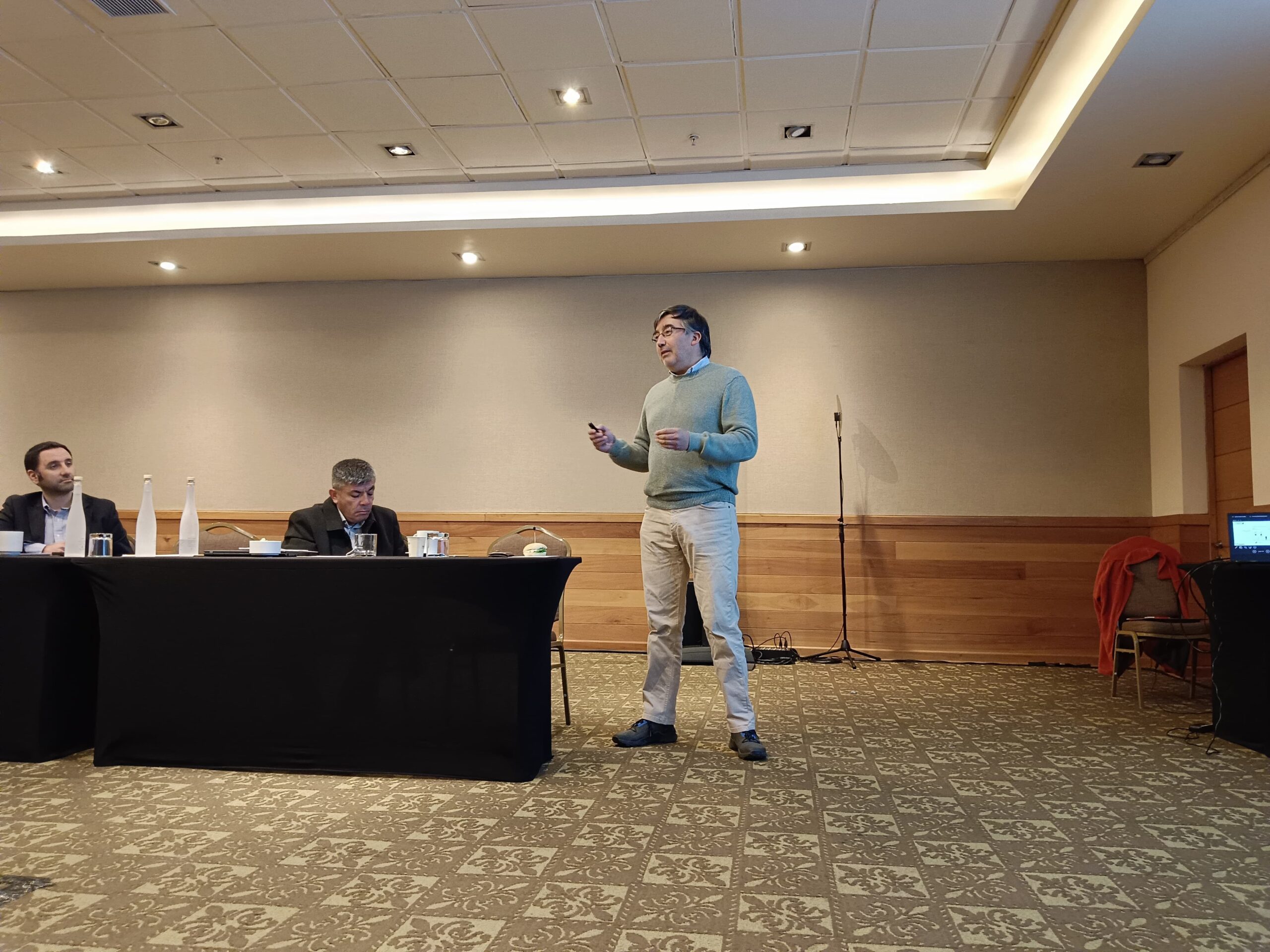
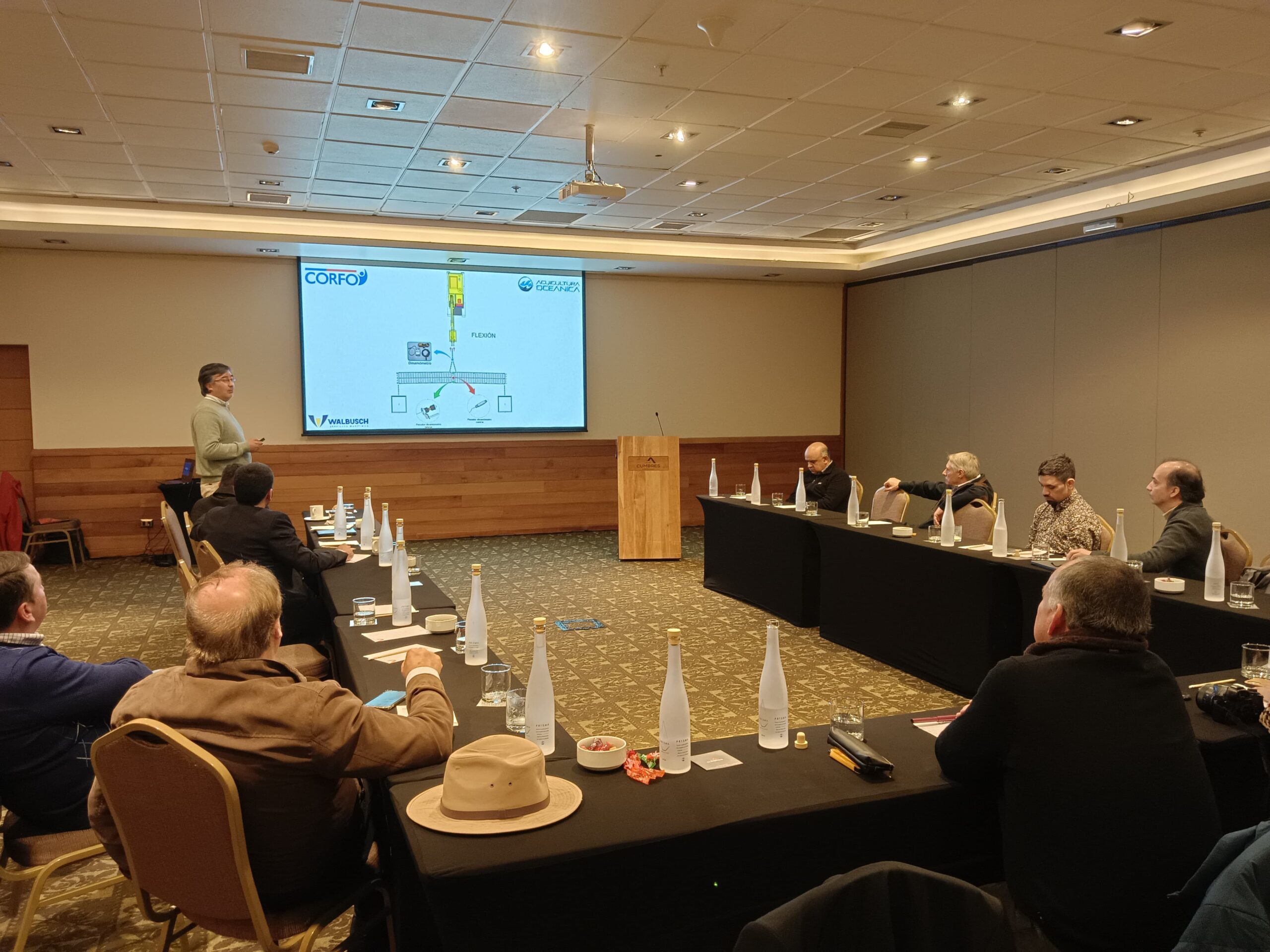
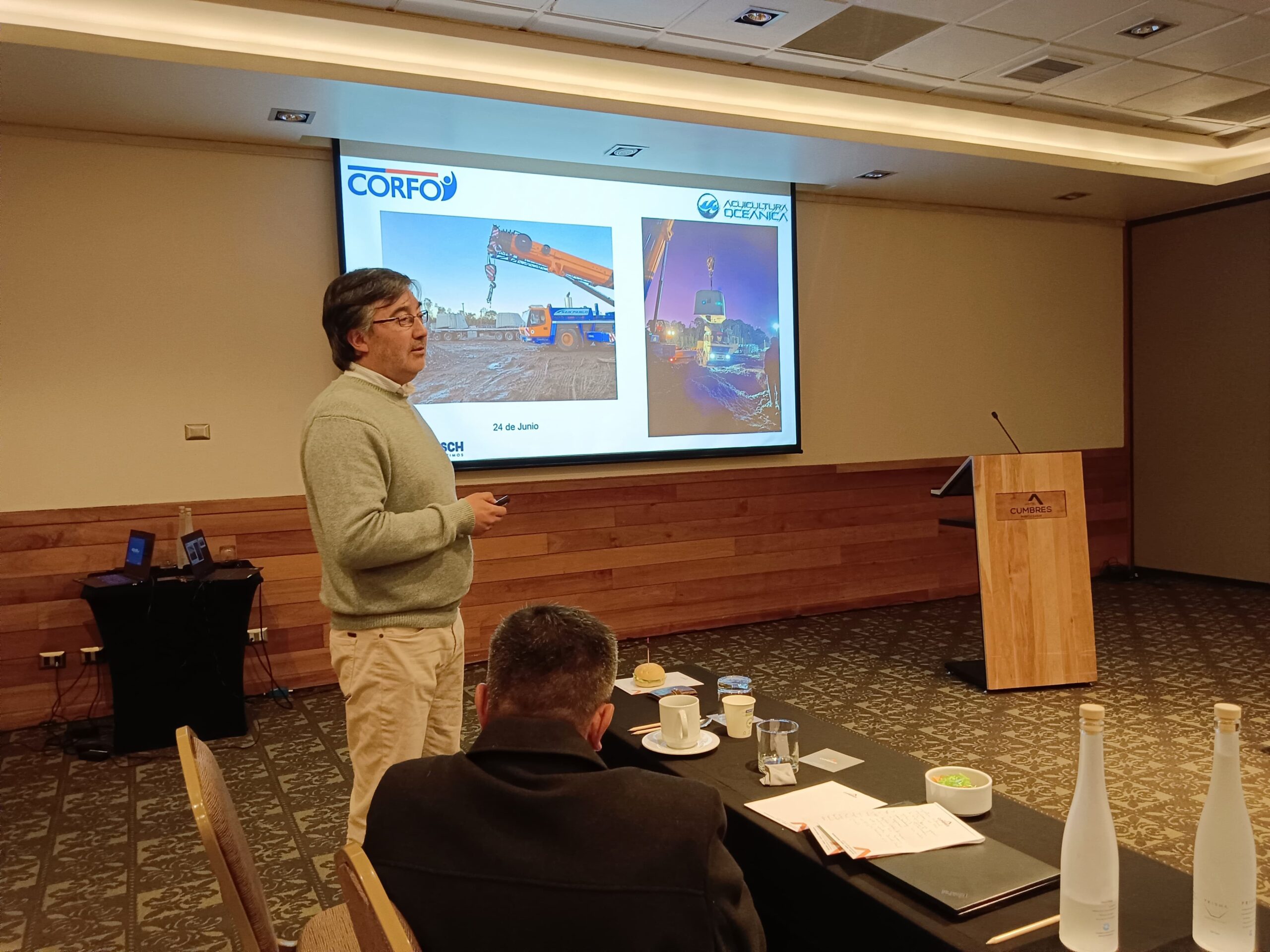
This Friday 6 December was held at the Hotel Cumbres of the city of Puerto Varas, Los Lagos region, the official closing event of the Strategic Technological Program for the Development of Oceanic Aquaculture (PTECAO).
This ambitious project, promoted by the Chilean Production Development Corporation (Corfo) and led by SpA Consortium – constituted by the supplier companies Walbusch, AST Technology Networks and Aquarov, together with the participation of the salmonicultor Marine Farm– concludes after five years of execution and with total funding that reached $22,836 million Of these, 82 per cent came from the private sector (of this percentage, 98 per cent correspond to monetary contributions and 2 per cent to assessed contributions).
An innovative response to a structural challenge
The initiative stems from one of the gaps detected in 2015 by the then Mesoregional Strategic Programme (MSP) More Sustainable Salmon, which promoted a virtuous link between Corfo, public services – such as the Undersecretary for Fisheries and Aquaculture (Subsecretariat)the National Fisheries and Aquaculture Service (Sernapesca)Undersecretary for the Armed Forces (FF.AA.)the Directorate-General for Maritime Territory and Merchant Marines (Directemar)the Ministry of the Environment (MMA), among others – salmonid producers and also suppliers interested in participating in and leveraging the necessary resources for the instrument.
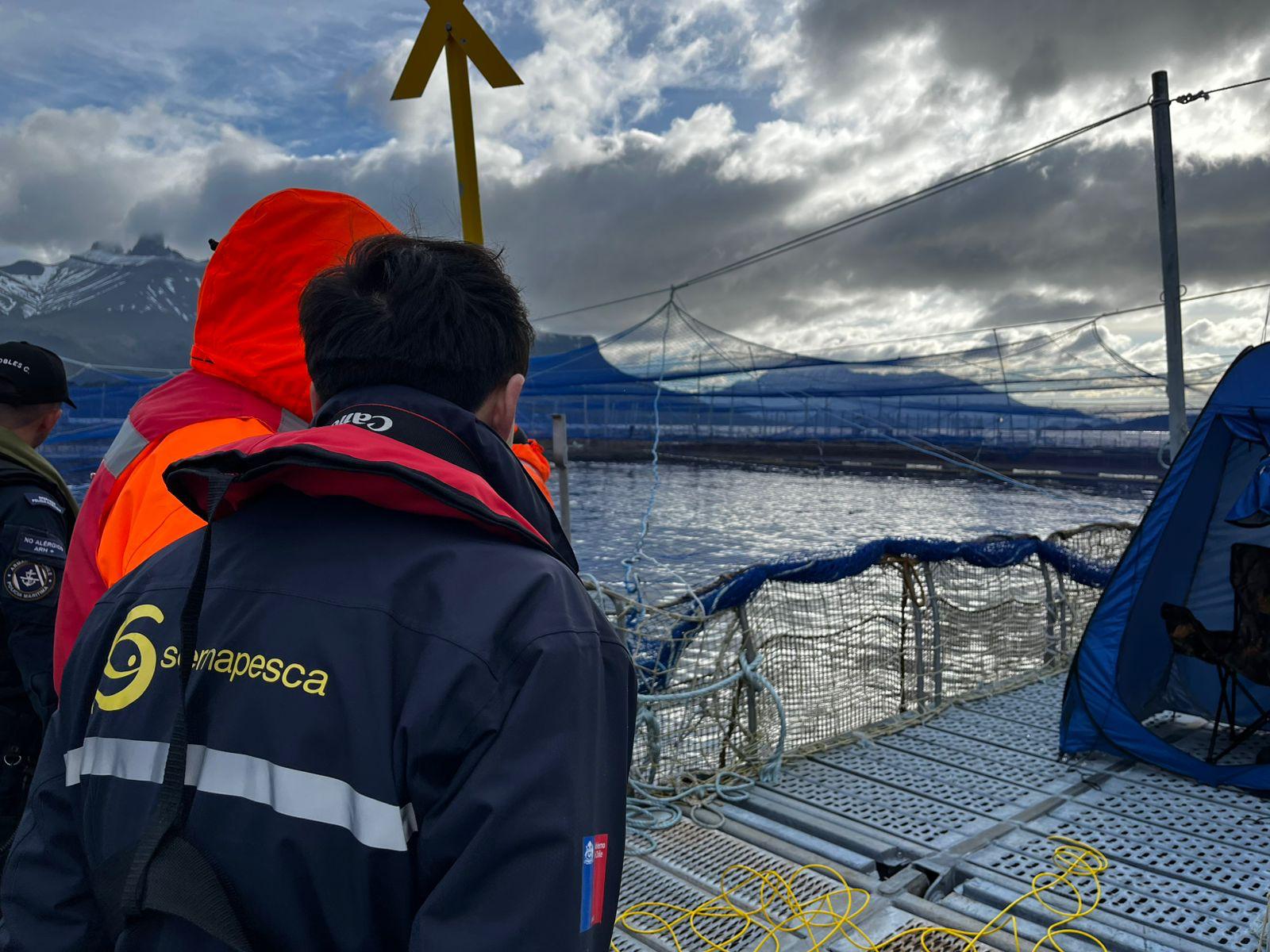
This gap was generated by the evidence that within the Aptas Areas for Aquaculture (AAA) between the regions of Los Lagos and Magellan existed 77 concessions of salmonids – Atlantic salmon and coho, and rainbow trout – which, having approved environmental rating resolutions (ECAs), were not being used as highly complex areas in currents and waves, which involved developing structural and operational systems specifically for these conditions.
In addition, it sought to generate an alternative to fish aquaculture that could be produced in the future from Chacao canal to the northin which, in the absence of an inland sea, ocean conditions must necessarily be faced.
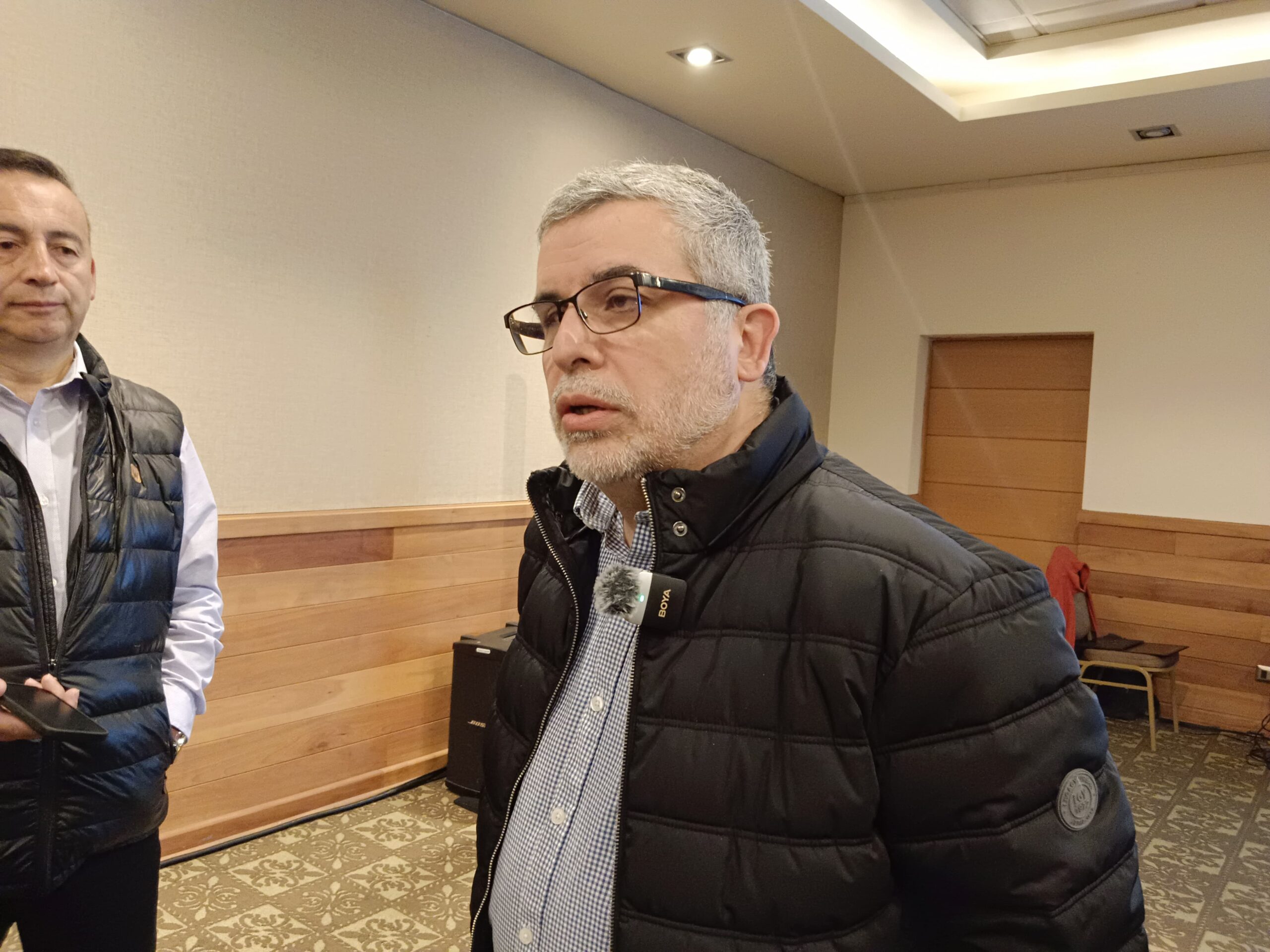
“PTECAO allowed us to develop and validate enabling technologies that not only made possible the use of these exposed areas, but also laid the foundations for a New era in Chilean aquaculture. This is a real case of success that positions our country as a leader in technological innovation for the world aquaculture industry,” says the Program Director, Gonzalo Romero Muñoz.
Key achievements: Technology and global impact
Among the main advances made by PETECAO are:
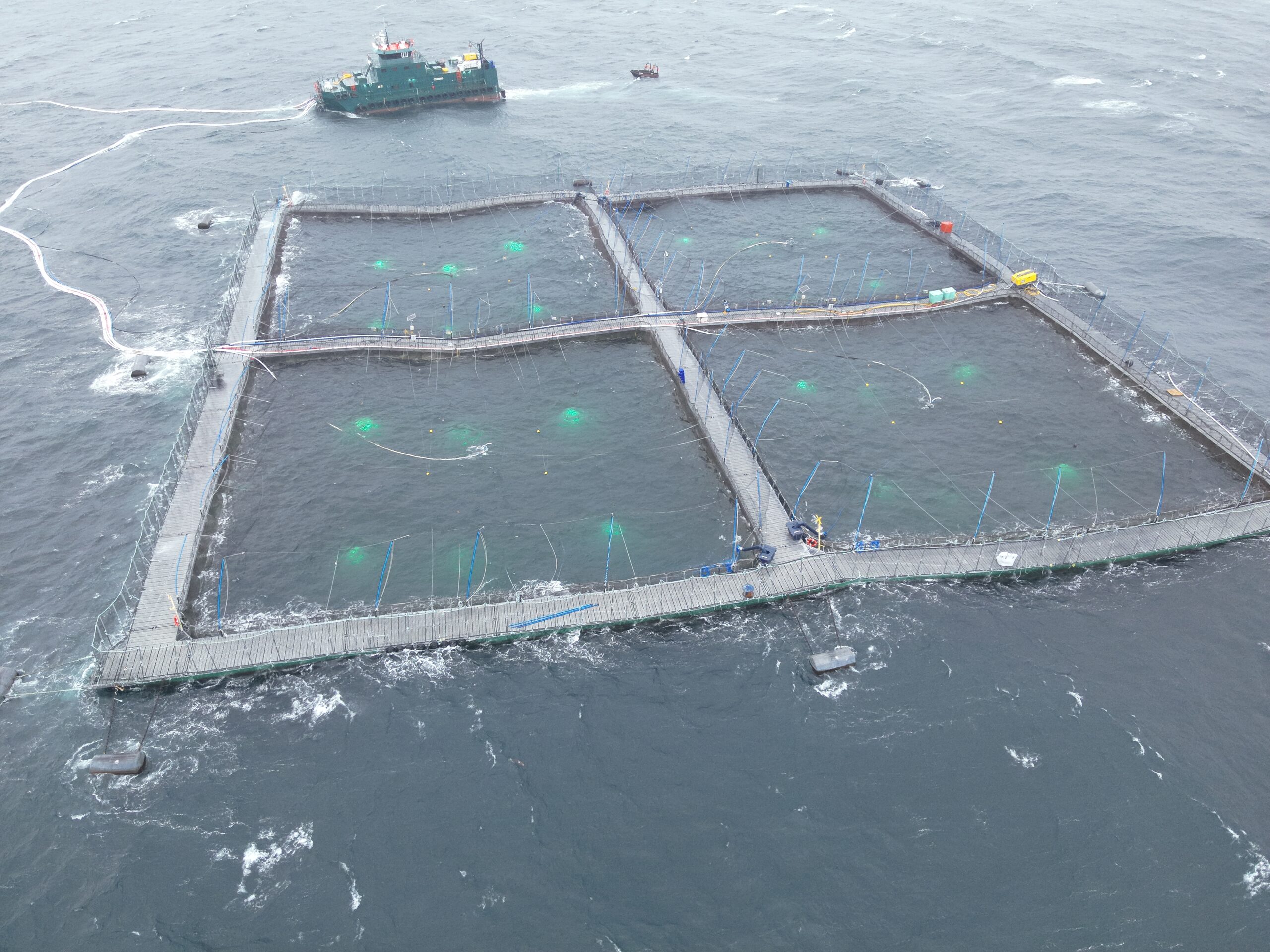
- Validation of high-energy containment and operation technologies: reinforced floating cages measuring up to 80 by 80 metres (m), the largest of their kind worldwide, have operated successfully in waves up to 4 metres high.
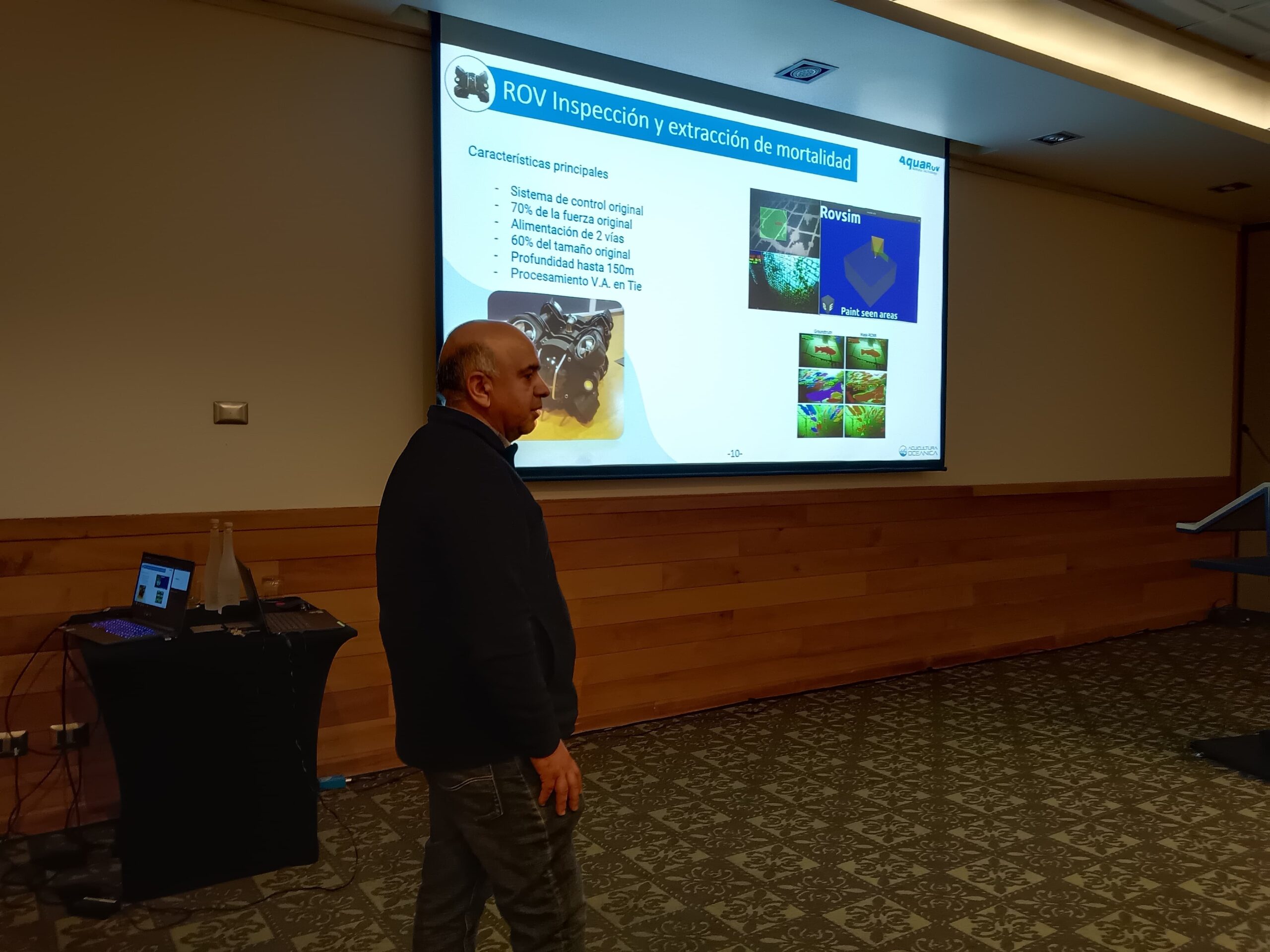
- Submarine robotics: co-executive companies such as Aquarov developed remotely operated vehicles (ROVs) for inspection and mortality management under high current conditions.
- Advanced naval engineering systems: Walbusch S.A. designed metal structural corridors that allow implementation of cages of different sizes adapted to the needs of each client.
- Digitization: AST developed an integrated platform of technologies for control, monitoring and intelligent automation of crop centres.
Internationalization
The impact is not limited to technology. The project has also provided policy and operational proposals that redefine the standards for aquaculture in these challenging areas, which, according to Romero, “is a key step towards the sustainability of the industry and its even greater internationalization.”
The representative of the Walbusch Group and the SpA Consortium, Walter Buschmann Schirmer, also values the global relevance of these developments: “PTECAO not only solves local problems, but also positions us as exporters of state-of-the-art technological solutions for high-energy aquaculture, a growing sector in America and other parts of the world.”
Public-Private Linking: The Key to Success
During the official closing event of the Program, one of the things that the manager of Strategic Affairs of Corfo emphasized most, Hugo Arias, it was the important thing to articulate the private with the State.
“On the basis of public funding, we managed to leverage very important resources from the private sector, generating an impact that transcend our border. This synergy shows that when we work together, we can develop solutions that benefit both industry and local communities and local communities. society in general“ ” said the representative of the Chilean Production Development Corporation.
A closure that opens doors to the future
The event ended with an analysis of learning and a reflection on future opportunities.
According to the authorities and private representatives, PETEAO not only met its initial objectives, but also marks a previous for future initiatives that seek to take advantage of the vast possibilities of the ocean.
As Gonzalo Romero points out, “the challenge now is to expand these technologies and continue to bet on sustainable and competitive aquaculture, ensuring leadership of Chile in this key industry for economic development.”
The legacy PTECAO is clear: innovation, sustainability and an industry ready to face the challenges of the future in high-energy waters.
*Featured photo courtesy of PTECAO | Corfo.