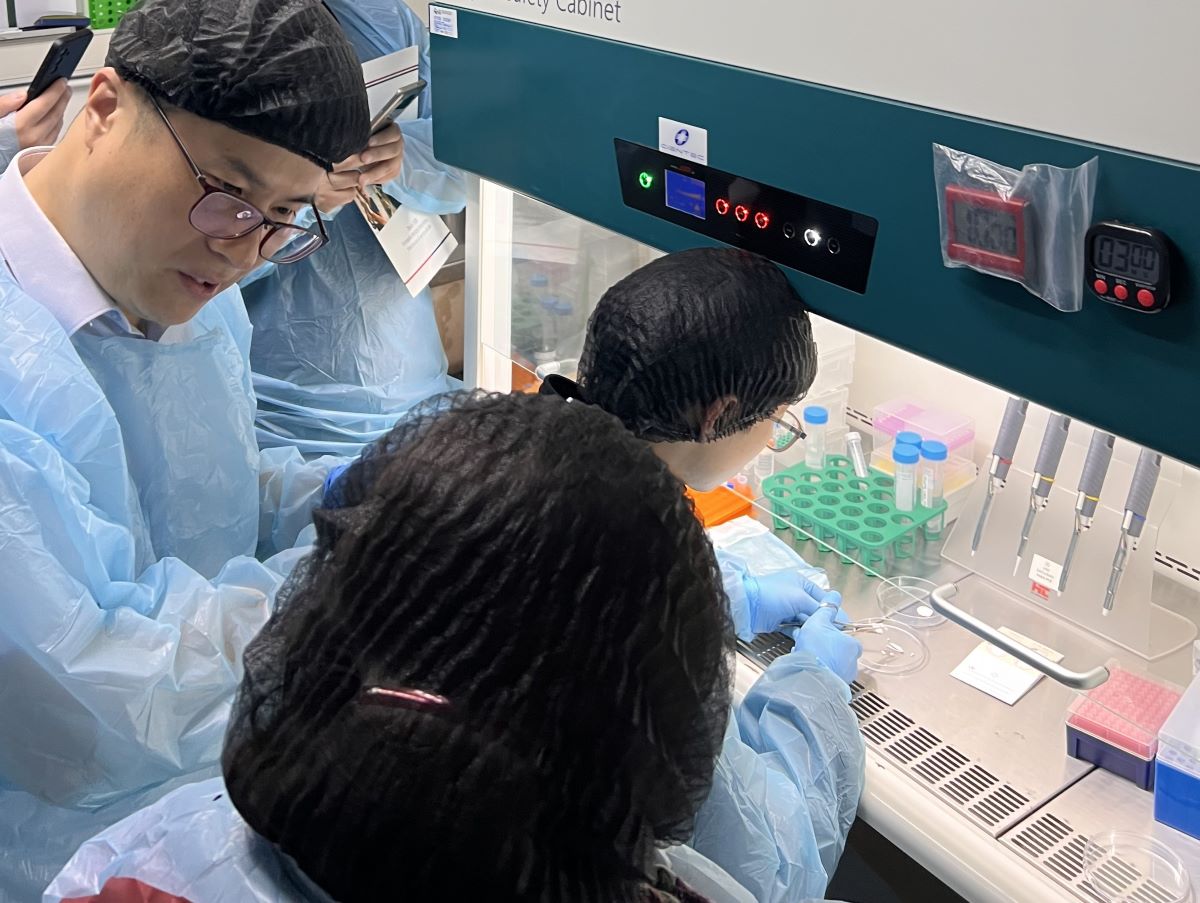
The agreement, which consolidates a network of excellence of collaborating centres of the World Organisation for Animal Health, establishes a cooperation framework for the development of joint research, exchange of scientific information and specialists, as well as the implementation of collaborative activities in strategic areas such as aquaculture, the prevention and control of aquatic animal diseases and the development of alternatives to use of antimicrobials.
Globally, there are only six collaborating centers of the World Organisation for Animal Health (OMSA) in aquatic animal health, and one of them is housed in the Faculty of Veterinary and Animal Sciences (Favet) of the University of Chile. The CASA (Center for Antimicrobial Stewardship in Aquaculture) integrates different research teams from the aquaculture area of this House of Studies, which work for development and sustainability of the country's second largest productive sector.
For more than a year, the CASA team has been working together with its South Korean partner, the Center for Reference Materials for Molecular Diagnostic Techniques in Aquatic and Terrestrial Animal Diseases of the National Institute of Fisheries Sciences (NIFS), under the Ministry of Oceans and Fisheries; a formalization of its alliance that represents a significant contribution in the field of research and the generation of fisheries. knowledge in aquaculture, not only for both countries, but on a global level.
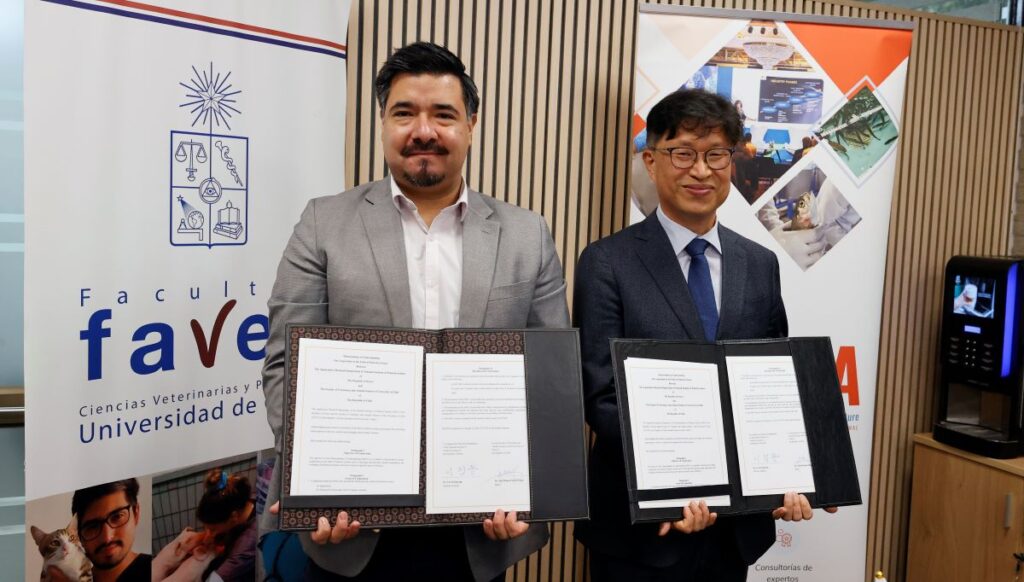
The collaboration of CASA with the NIFS materialized with the signature of a Memorandum of Understanding, in dependencies of Favet, in a ceremony led by Professor Rosa Devés, rector of the University of Chile.
"At a time when the world is so tense, with difficulty of understanding among countries and when multilateralism is very committed, this meeting has an importance that goes beyond technical and research capacity: it is a peace meeting. We admire Korea's development model, in the sense that it is strongly based on science and the quality of its education at all levels. We aspire. that this way of seeing development also impacts Chile, and that's why our collaboration is very important," said Rector Devés.
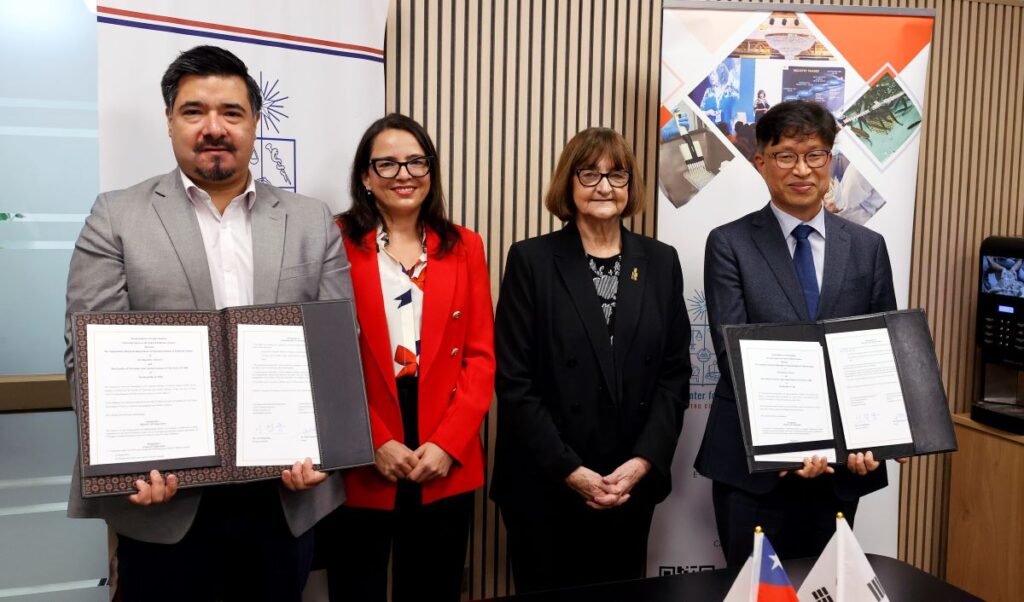
Dr. José Manuel Yáñez, dean of Favet and director of the Laboratory of Genomics and Aquaculture Genetics, valued the instance noting that “this alliance strengthens the ties of two nations power in aquaculture and allows us to generate knowledge, transmit that knowledge and generate public policies based on evidence. We hope that this will be the initial kick-start for the development of future activities, not just from the point of view of training of professionals and technicians, but also from the point of view of research and progress in the science applied to aquaculture and fisheries.”
As the NIFS is the only comprehensive research institution in South Korea, which has state-of-the-art technology thanks to research and development of aquaculture techniques for various marine species, and CASA, the only reference center in aquaculture health in the Americas region, this articulation will position them as strategic actors worldwide in the establishment of international standards in the matter.
“We hope that this Memorandum of Understanding will lay the foundation for a stable consolidation of the salmon industry of both countries as researchers from both nations collaborate in disease control and environmental response in the production system,” said Dr. Jeong Yong Lee, director general of the NIFS, stressing that with the joint work both centers will become world leaders in the field of diagnostic standards in aquatic animal diseases.
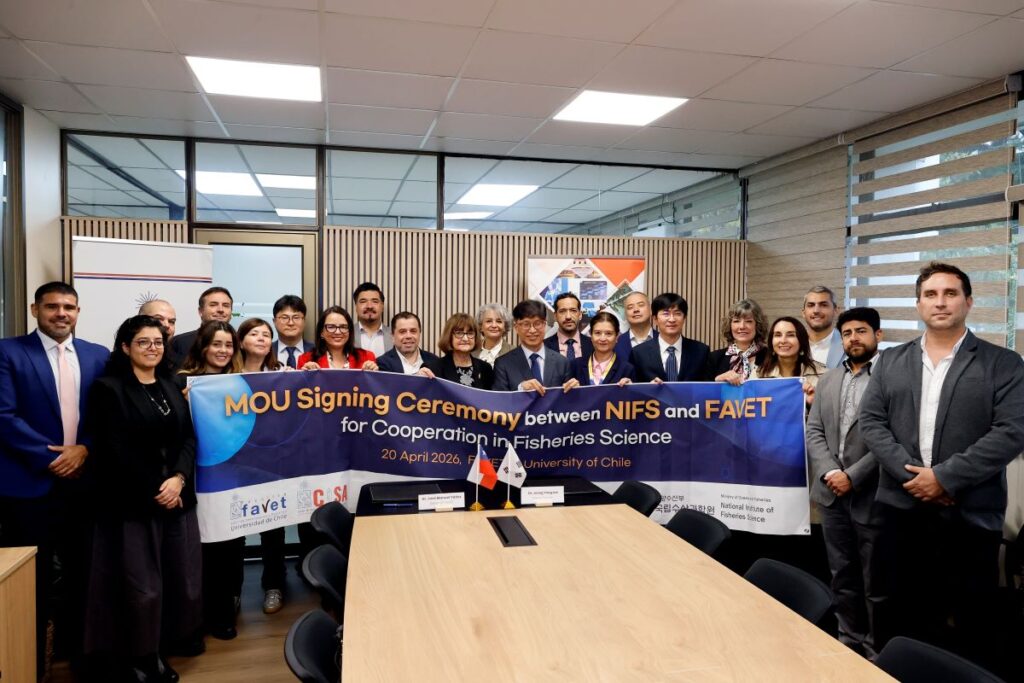
As CEO of CASA and tenured professor at Favet, Dr. Javiera Cornejo said that “in an increasingly challenging global scenario, in which aquaculture health requires coordinated and rigorous responses, the role of collaborating centers is strategic. Globally, there are only six collaborating centers in aquatic animal health, which places Chile in a place of leadership and responsibility. This year, moreover, We have assumed the leadership of the network of reference centers in the aquatic field, reinforcing our commitment to global articulation and the development of international standards.”
According to Dr. Cornejo, this alliance strengthens the position of our country as a reference in aquaculture health, and reflects the value of effective collaboration between academia, the public sector and the productive sector. A coordinated and long-standing work whose support was demonstrated with the presence of public service authorities and representatives of the productive sector in this firm.
Alejandro Barrientos, head of the Aquaculture Division; María Soledad Tapia, national director, Mónica Rojas, deputy director of Aquaculture, and Osvaldo Sandoval, head of the Department of Animal Health; the Agricultural and Livestock Service (SAG), Carlos Orellana, head of the Division of Animal Protection and representative of Chile to the Ministry of Fisheries and Aquaculture, attended from the Undersecretary of Fisheries and Aquaculture, Alejandro Barrientos, head of the Aquaculture Division; and Osvaldo Sandoval, head of the Department of Animal Health. WHOA; of the Salmon Council, Pablo Barahona, Director of International Trade.
From Favet, Dean Yáñez was accompanied by Dr. Christopher Hamilton-West, full professor and director of the Laboratory of Veterinary Epidemiology; Dr. Lisette Lapierre, associate professor and director of the Laboratory for Diagnosis of Infectious Diseases (MICROVET); Dr. Mario Caruffo and Dr. Felipe Reyes, assistant professors; and Dr. Aldo Maddaleno, head of the Laboratory of Veterinary Pharmacology (Farmavet).
The commission of the University of Chile was also composed of Dr. Alicia Gallardo, Chair of the WHOA Committee on Aquatic Animal Health Standards and Dr. Marcela Lara, Regional Officer of WHOA Las Americas, both senior advisors to CASA; Dr. Jurij Wacik, associate professor at the Faculty of Agronomic Sciences and director of the Centre for Research and Innovation in Aquaculture (CRIA).
In turn, Dr. Yong Lee led the South Korean NIFS delegation composed of Dr. Director, Myoung Sug Kim; Dr. Hyung Jun Kim, senior researcher; and Dr. Myung Gwang Choi, investigator.
VHS Diagnostic Training Course
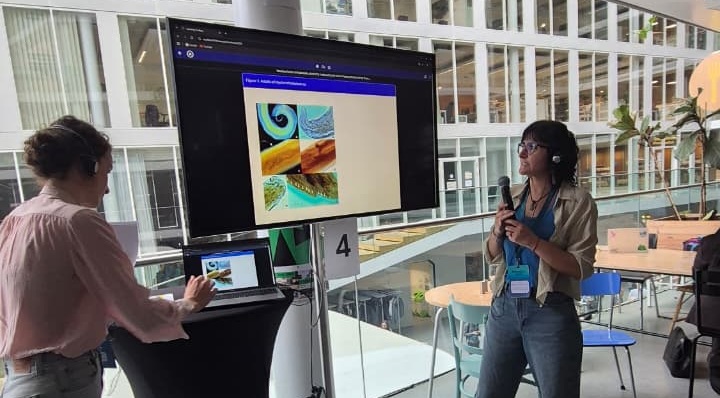
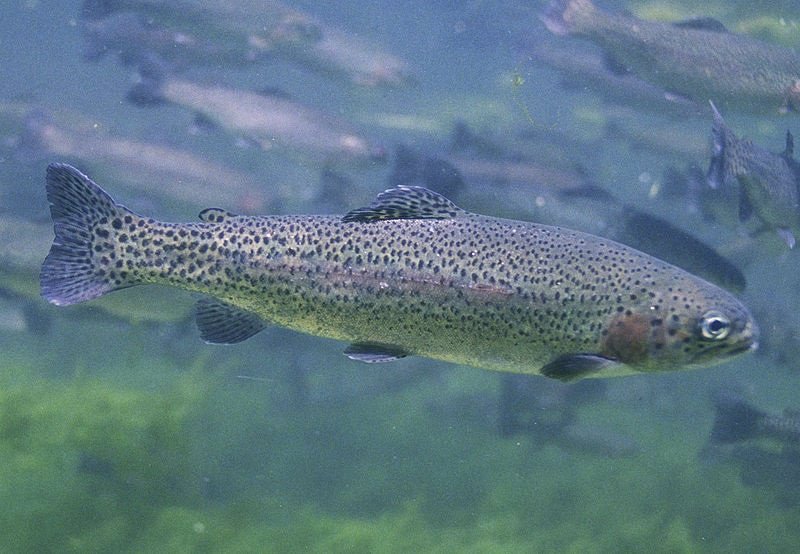
Together with the signing of the Memorandum of Understanding, the CASA team coordinated the conduct of the training course on the diagnosis of diseases classified by the WHOA with an emphasis on Viral Hemorrhagic Septicemia (VHS), a pathology of growing global concern, and the use of standard materials for genetic diagnosis.
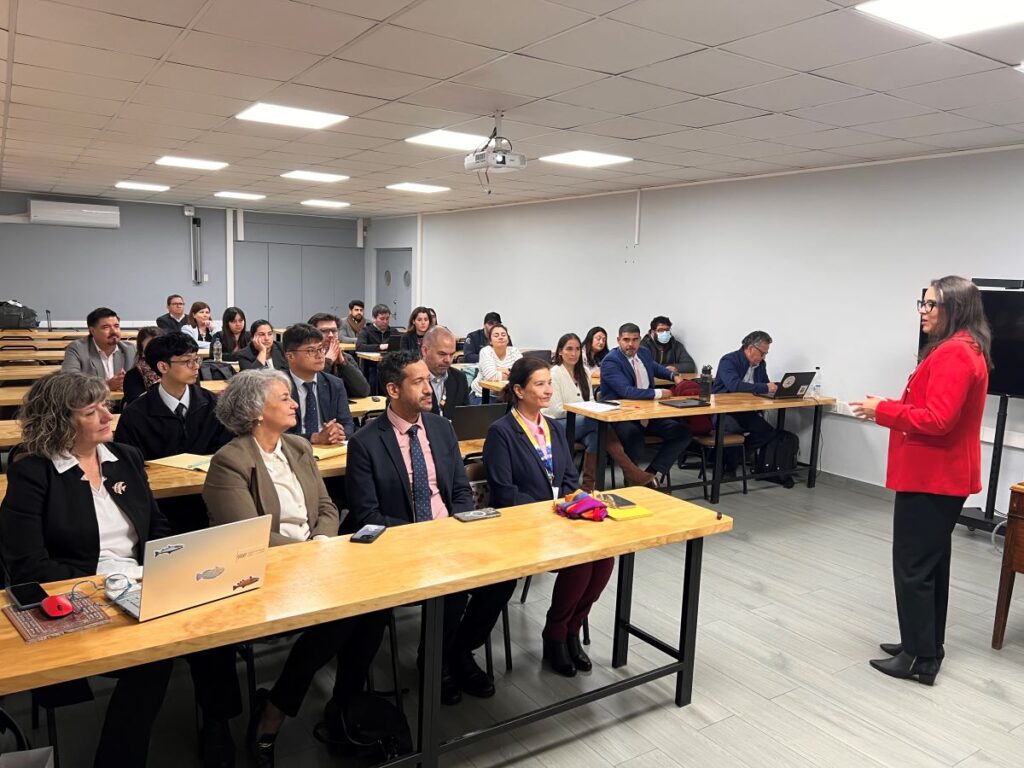
“We are consolidating a strategic partnership that will allow progress in joint research, the use of reference materials and the strengthening of diagnostic capacities at the global level. This is a concrete step towards more sustainable, safer and fully aligned aquaculture with the One Health approach,” Dr. Cornejo.
María Soledad Tapia, national director of Sernapesca, inaugurated the course, highlighting the quality of the content. “You have the opportunity to be in a training of excellence with outstanding professionals in the academic and public arena, not everyone has this advantage. The academy is a catalyst, it generates a bridge between what science means, with clear actions available to those who make decisions, and the private part. with companies, for the formulation of public policies that favor the growth and development of this industry.”
The training was aimed at laboratory staff from Favet, Universidad Austral de Chile and also from the private company in the aquaculture sector. It had theoretical presentations and practical modules where RNA extraction and PCR analysis were performed.
The Memorandum of Understanding, as well as the training course, will serve as a model for international collaboration in the field of aquatic diseases, strengthen international activities among WHOA collaborating centres and contribute actively to the prevention of the spread of global infectious diseases, through the enhancement of capacities for the diagnosis of aquatic diseases.