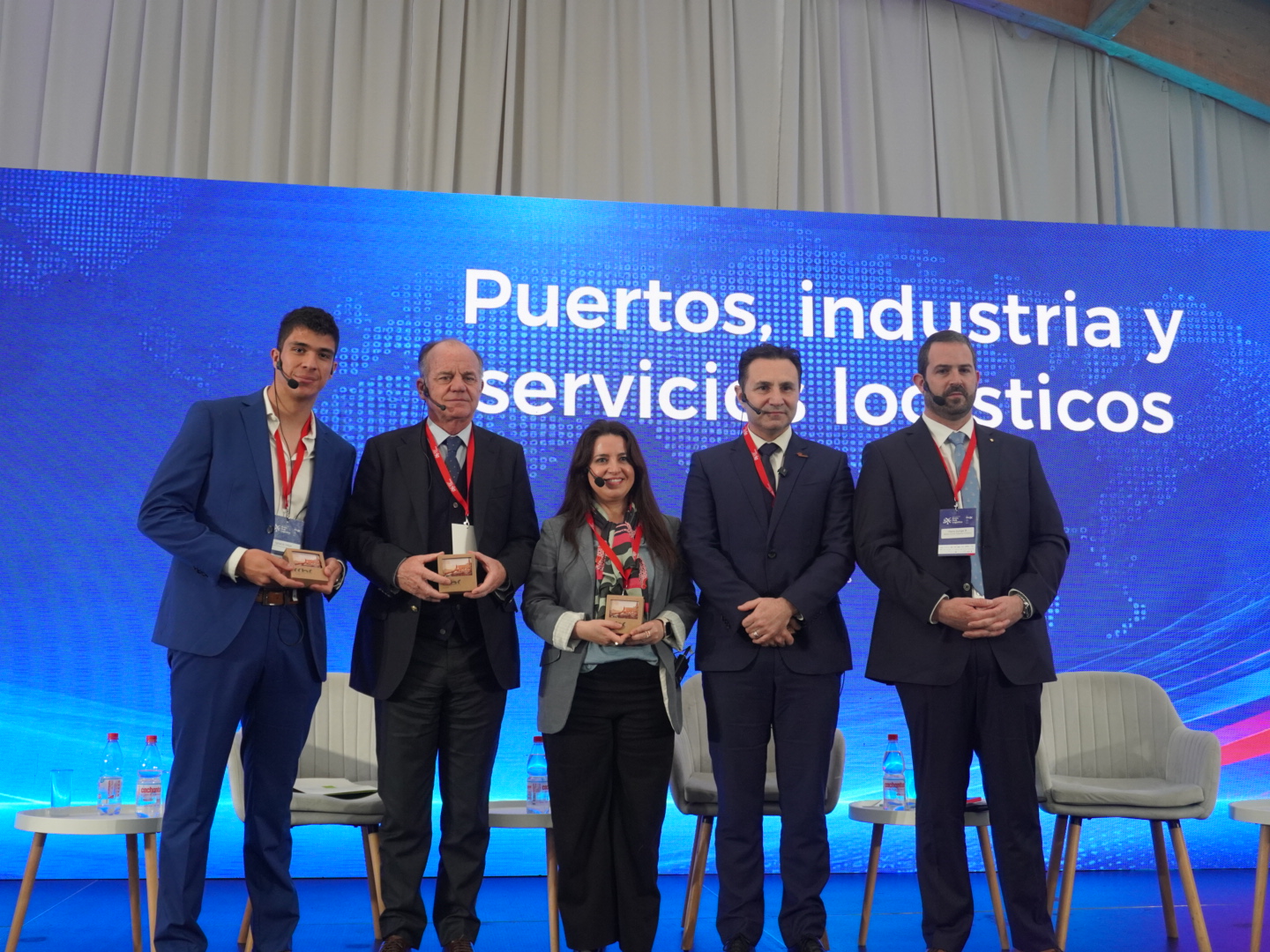
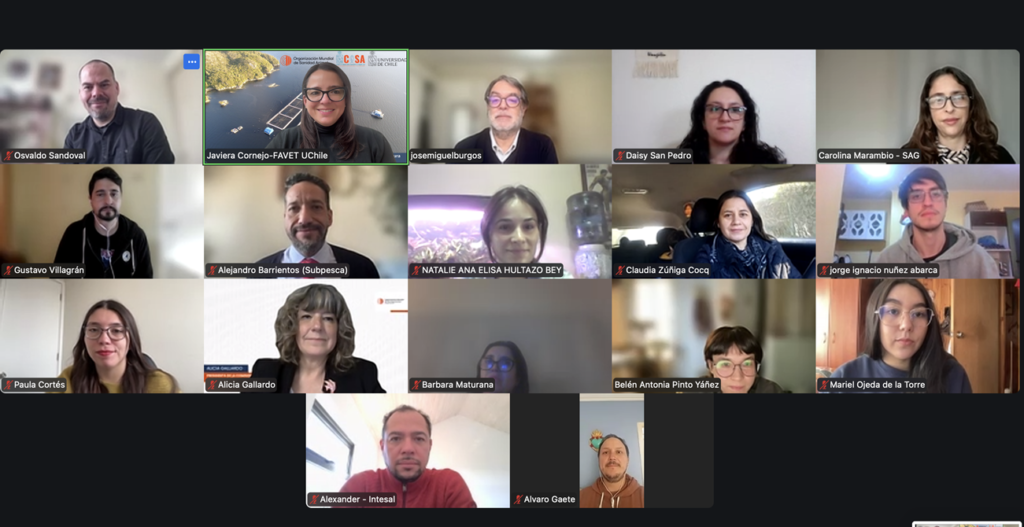
Opening day was attended by leading authorities and representatives of key institutions for the health development of national salmon farming.
With a wide call of professionals from the aquaculture sector and the participation of representatives of public bodies, the salmon industry and international leaders in animal health, the first class of the Diploma in Good Practices in the Use of Antimicrobials in salmon farming was held on Saturday, June 13, by the Faculty of Veterinary and Peculiar Sciences (FAVET) of the University of Chile.
The program is born with the objective of strengthening the technical and scientific competencies of professionals related to aquaculture, promoting the responsible and prudent use of antimicrobials under a One Health approach, integrating pharmacological, regulatory, epidemiological, microbiological, environmental and productive aspects associated with the health of aquatic animals.
Dr. Javiera Cornejo, Favet academic at the University of Chile, executive director of CASA and academic director of the diploma, said that "Chilean salmon farming has made important advances in animal health and reducing the use of antimicrobials. However, health challenges continue to evolve and require increasingly skilled professionals. This graduate seeks to gather the experience of the academy, regulatory bodies and industry to deliver a comprehensive vision based on scientific evidence and the latest international standards.”
The opening day was attended by prominent authorities and representatives of key institutions for the health development of national salmon farming. These included the Undersecretary for Fisheries and Aquaculture (Subpesca), the Agricultural and Livestock Service (SAG), the National Fisheries and Aquaculture Service (Sernapesca) and SalmonChile (Intesal).
One of the milestones of the day was the presentation of Dr. Alicia Gallardo, recognized international benchmark in aquatic animal health and current chair of the Committee on Sanitary Standards for Aquatic Animals of the World Organisation for Animal Health (OMSA), who addressed global strategies against antimicrobial resistance and guidelines promoted by international organizations to promote the use of antimicrobials. responsible for these medicines.
The event also featured Dr. Dr. Osvaldo Sandoval (Sernapesca), Dr. Carolina Marambio (SAG) and Dr. Alejandro Barrientos (Subpesca). On behalf of the industry, Dr. Alex Jaramillo, from Intestesal, was once again present in this formative instance. The day was led by the coordinator of the diploma, Dr. José Miguel Burgos.
The diploma includes 200 hours of training and brings together academics, researchers and specialists from different areas of pharmacology, epidemiology, microbiology, immunology, biosafety, animal welfare and health management. Its contents include pharmacokinetics and pharmacodynamics in fish, antimicrobial resistance, national and international regulations, health surveillance, antimicrobial sensitivity assessment, biosafety, environmental impact of drug use and preventive strategies for disease control in salmon farming.
The initiative is sponsored by Sernapesca, Subpesca, SAG and Intesal, institutions that support this academic effort aimed at strengthening specialized training and contributing to the development of a more sustainable salmon culture, based on scientific evidence and aligned with the present and future health challenges of the industry.