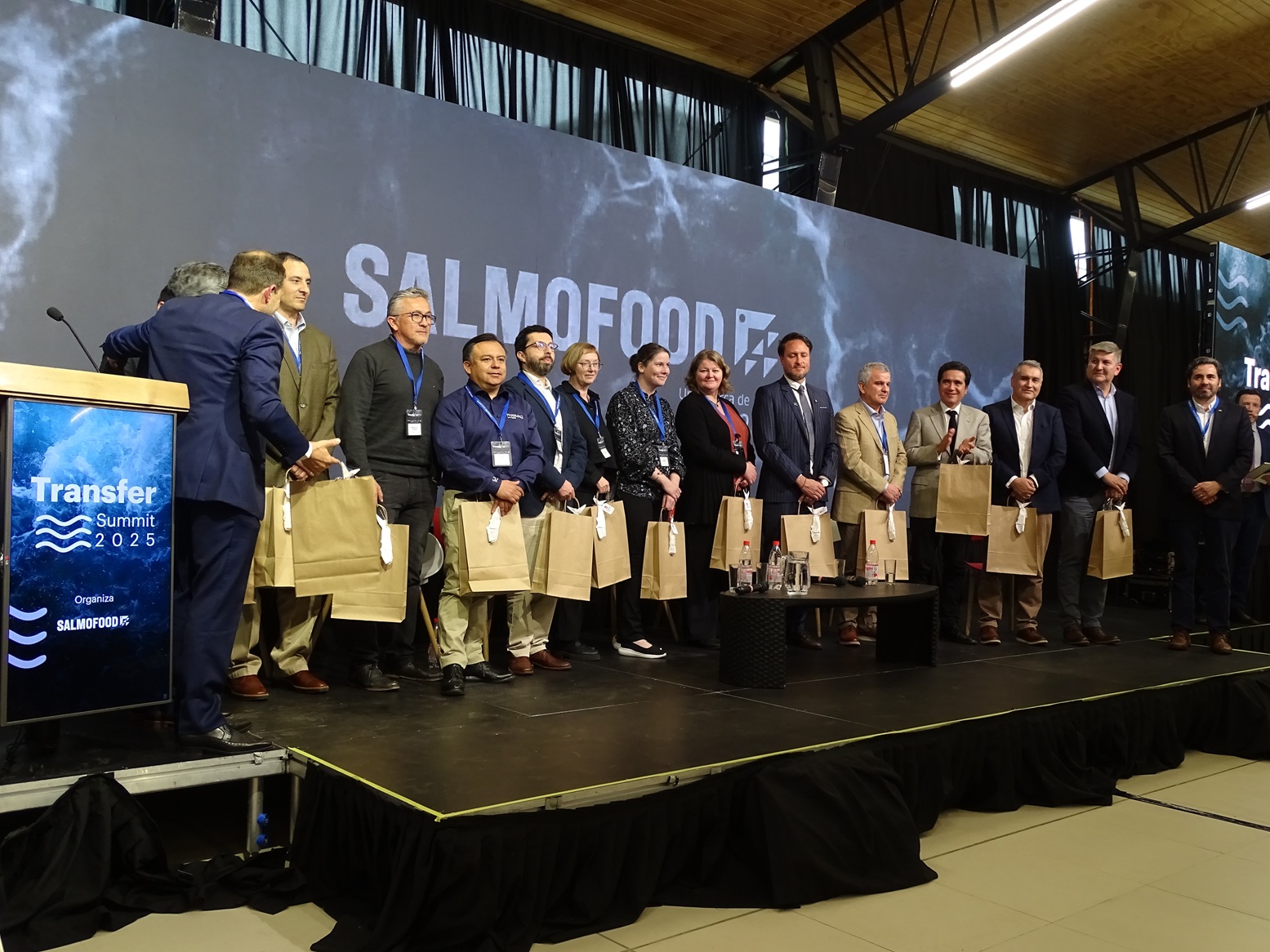
Event, which attracted around 300 attendees, is shaping up as a key opportunity for updating, exchange of knowledge and collaboration in national salmon farming.
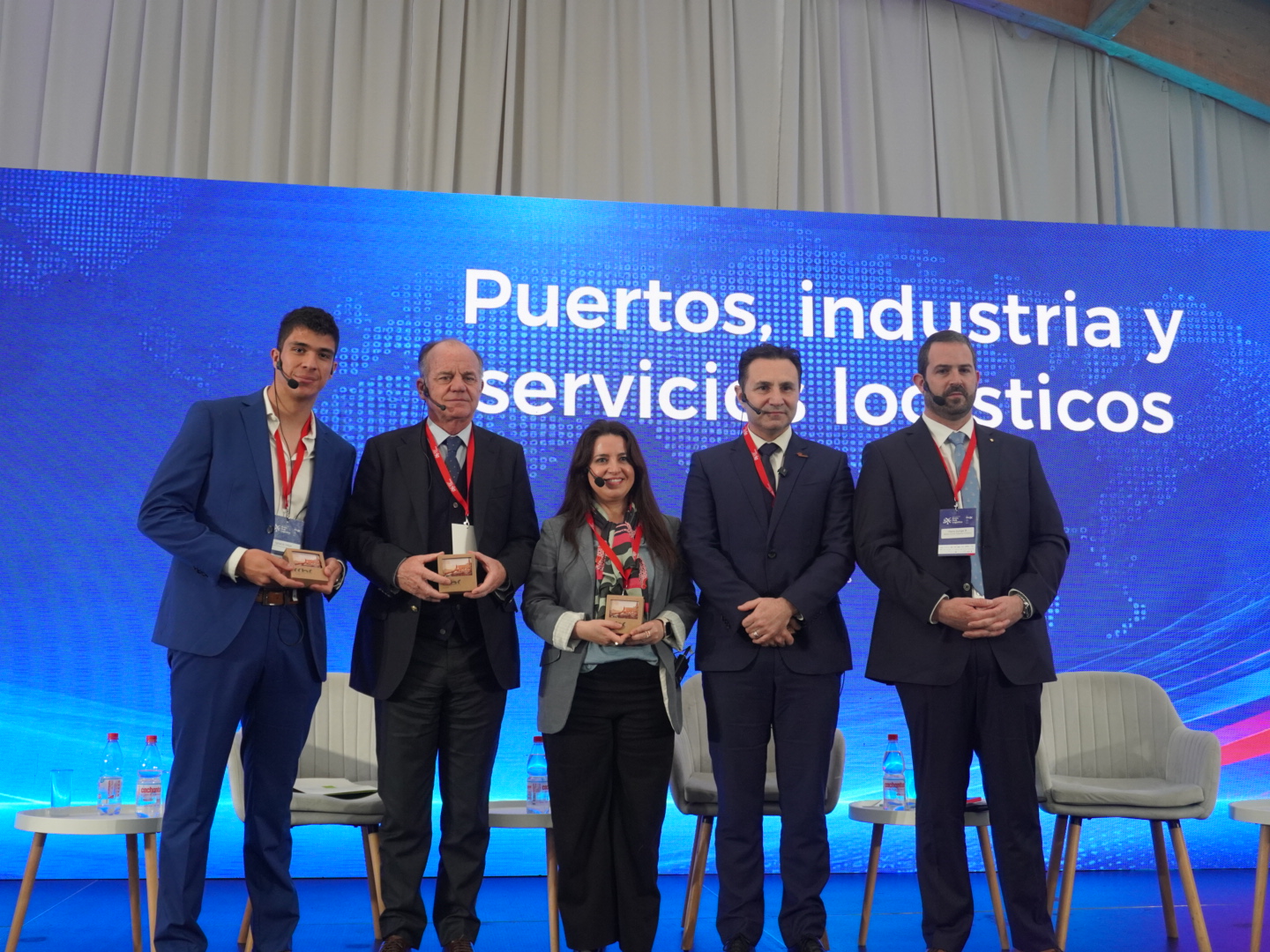
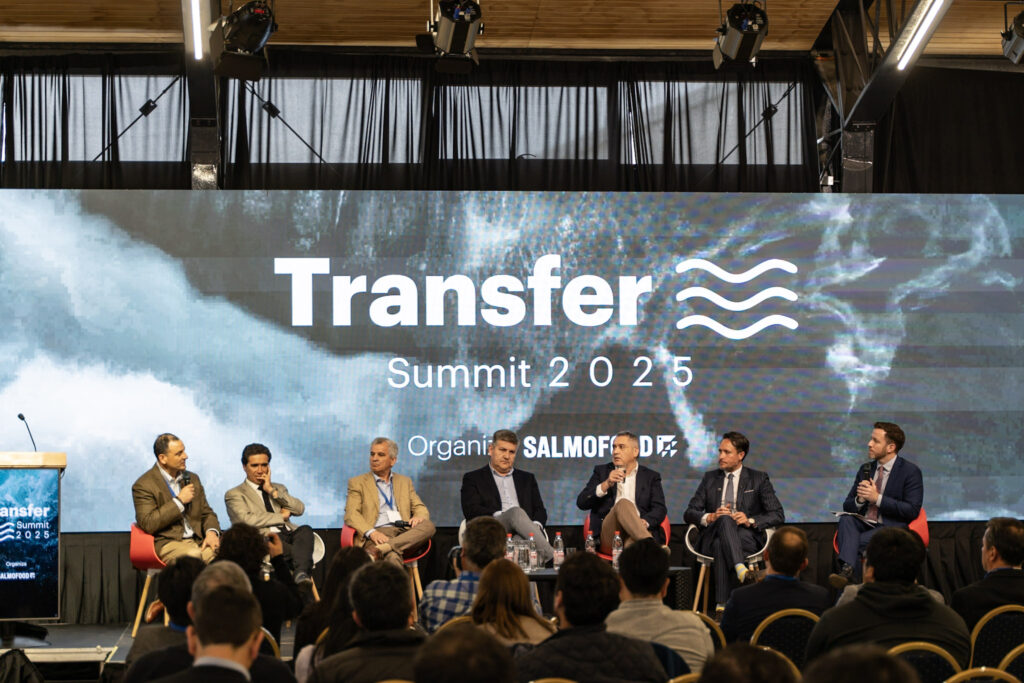
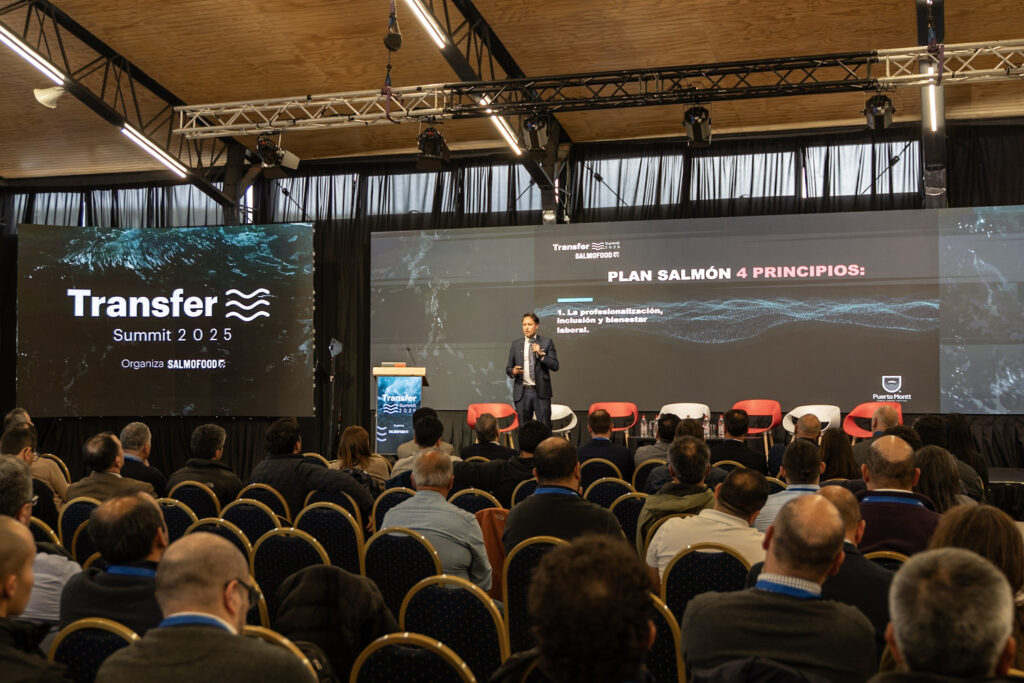
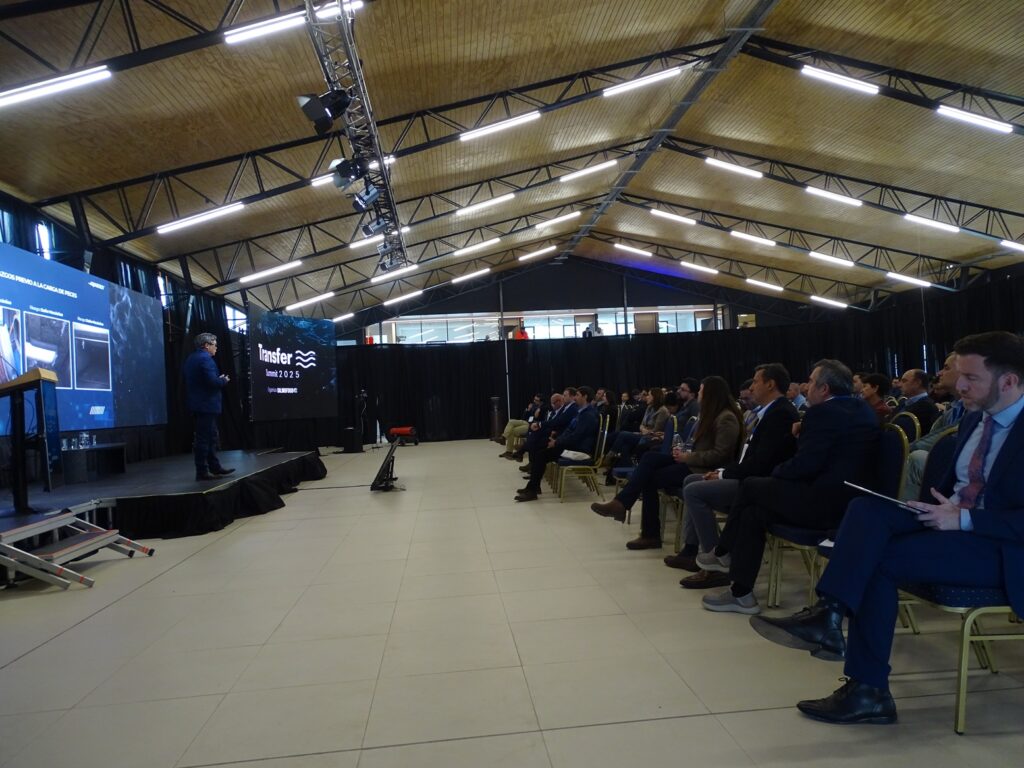
On Tuesday 11 November, the Transfer Summit 2025 was held in Puerto Montt, organized by Vitapro and its brand Salmofood. It was an excellent opportunity to discuss the main gaps and issues of an extremely important stage in the salmon farming industry, namely the freshwater-seawater transfer.
The innovation of Transfer Summit it is the fact of being the first meeting exclusively dedicated to the transfer stage in Chilean salmon farming, which brought together national and foreign specialists, in order to highlight the main challenges of this stage of salmonid farming.
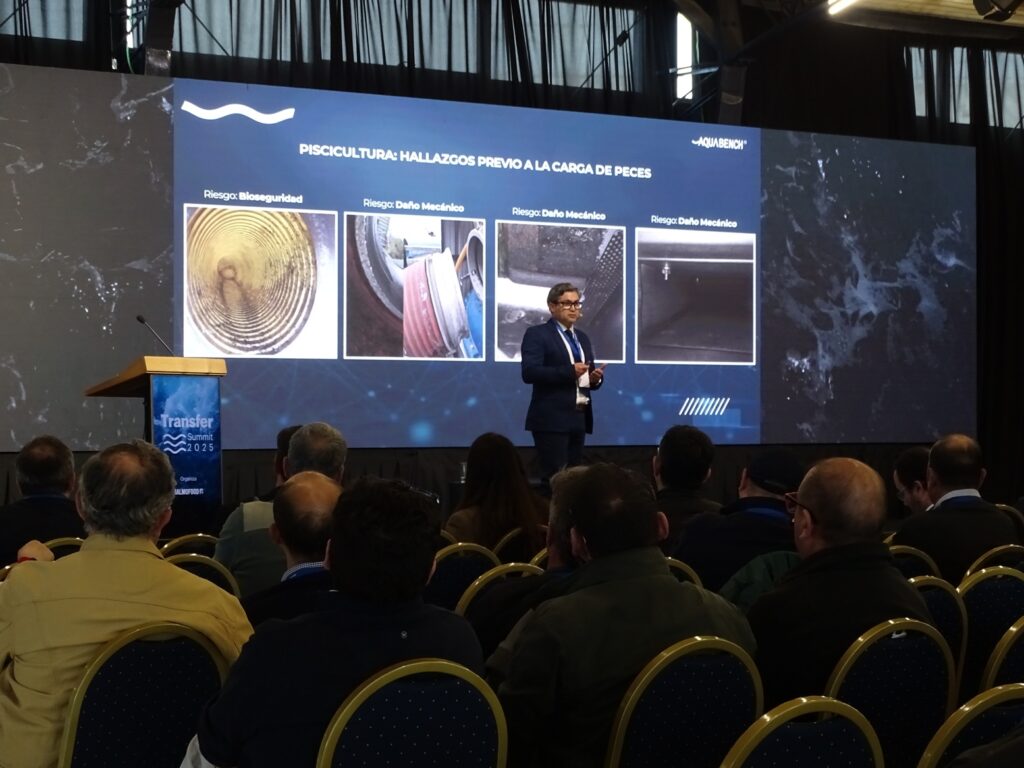
According to the organization of the event, the session provided a series of learnings and advances in science, technology and innovation. Following the success of this first edition - reflected in a high and active participation of actors from the aquaculture community - Salmofood announced a second version of the Transfer Summit, which will take place during 2027, in the Los Lagos region.
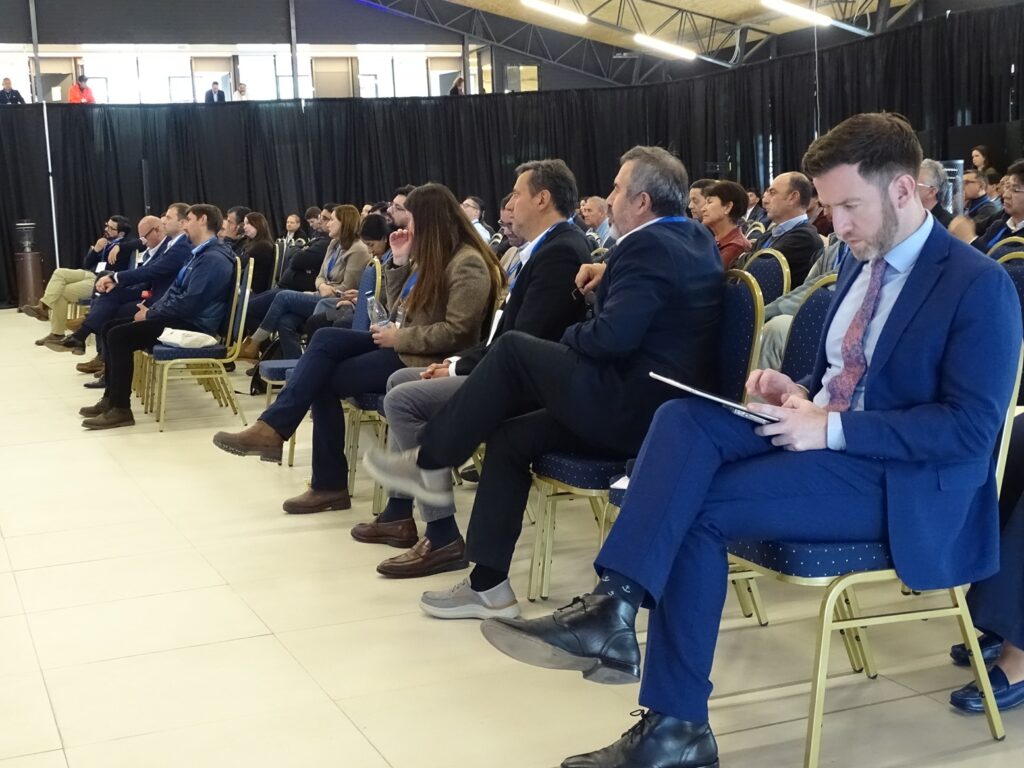
As a provider of nutritional solutions for Chile and Latin America, and given the results obtained, we commit to the continuation of this space for dialogue, innovation and strategic development so necessary for the national aquaculture. In this first conference, leading national and foreign researchers, producers, technicians, authorities, academics and suppliers converged, to address jointly a key stage of the production cycle and design better strategies with the aim of optimizing the welfare, health and performance of the fish in this process," said Francisco Valdés, Business Manager of Vitapro Chile.
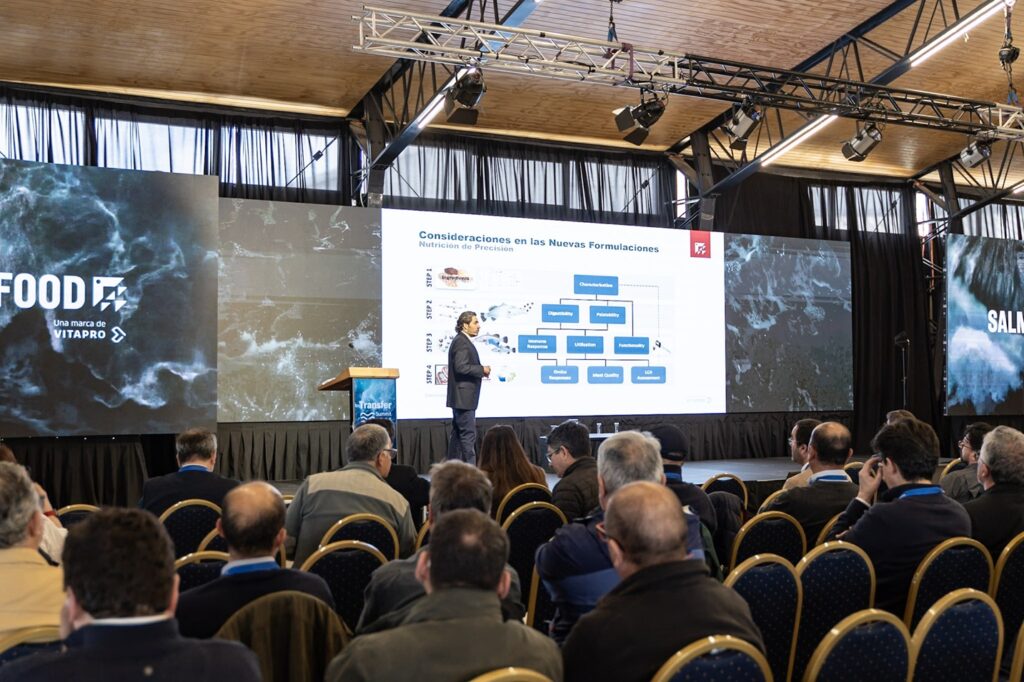
During the Transfer Summit 2025 the main challenges associated with the transfer phase were analyzed, highlighting the importance of developing applied research with a scientific-technological approach in this matter; rigorously reviewing the operational and logistical processes; applying innovative tools; and establishing a transversal collaboration between the different actors of the value chain. Because optimising this phase of production is key to tending towards ever better production cycles, with a positive impact on the whole sector.
Learning from the meeting
“There are many lessons left by this first Transfer Summit,” said Francisco Valdés, referring to the knowledge shared by the conference specialists. “From a technical-scientific perspective, it was reaffirmed that the smoltification and the transfer of fish to the sea is a complex and multifactorial process, where the associated health challenges require permanent attention and technological tools help to optimize decision-making. For its part, in the operational and technological field, the role that the transport of live fish plays for the success of the process was ratified, being fundamental the technology of monitoring and environmental control for the well-being and care of the fish,” he explained.
The executive also highlighted the role of nutrition in the smoltification, that became evident during the conference. This aspect – according to what has been said – is relevant in favour of the adaptation of fish to marine water. For example, the use of functional diets, before and after transfer, generates significant changes in results, with the emergence of new ingredients and additives becoming particularly relevant.
“This Transfer Summit confirmed to us, among other things, that the transfer phase is a key point where scientific, technological and economic decisions converge. Optimizing this process means enhancing the profitability and sustainability of the industry. For this reason, Salmofood will continue to contribute with science, research, innovation and new technologies to further promote the progress of the sector,” he said.
Regarding the strategic and economic aspects – which were also addressed at the end of the event–, he indicated that both the exhibitors and the panelists were categorical in pointing out that the sector has a high growth potential if it demands a clear and permanent regulatory framework from the authorities, and is committed to sustainability and collaboration, in addition to expanding the strategy of diffusion of the actions of the industry and its form to operate at national level.
Finally, the executive appreciated the valuable participation of the exhibitors; the contribution and availability of the panelists; the sponsorship of the companies BIOTRUCK, DSM, PHARMAQ Analytiq, STIM Chile, Endress + Hauser and Luxmeter; and the collaboration of the University of Los Lagos and Aquabench. Also to the media partners: Salmonexpert, World Aquaculture, InfoSalmon and Media AQUA, for their contribution to the dissemination and coverage of the event.
“The closure of Transfer Summit 2025 marks a milestone in the national aquaculture agenda and calls for strengthening the collaboration of all actors in the value chain. That is why, from now on, we invite you to join the second edition of the meeting that will take place in 2027,” concluded the executive.